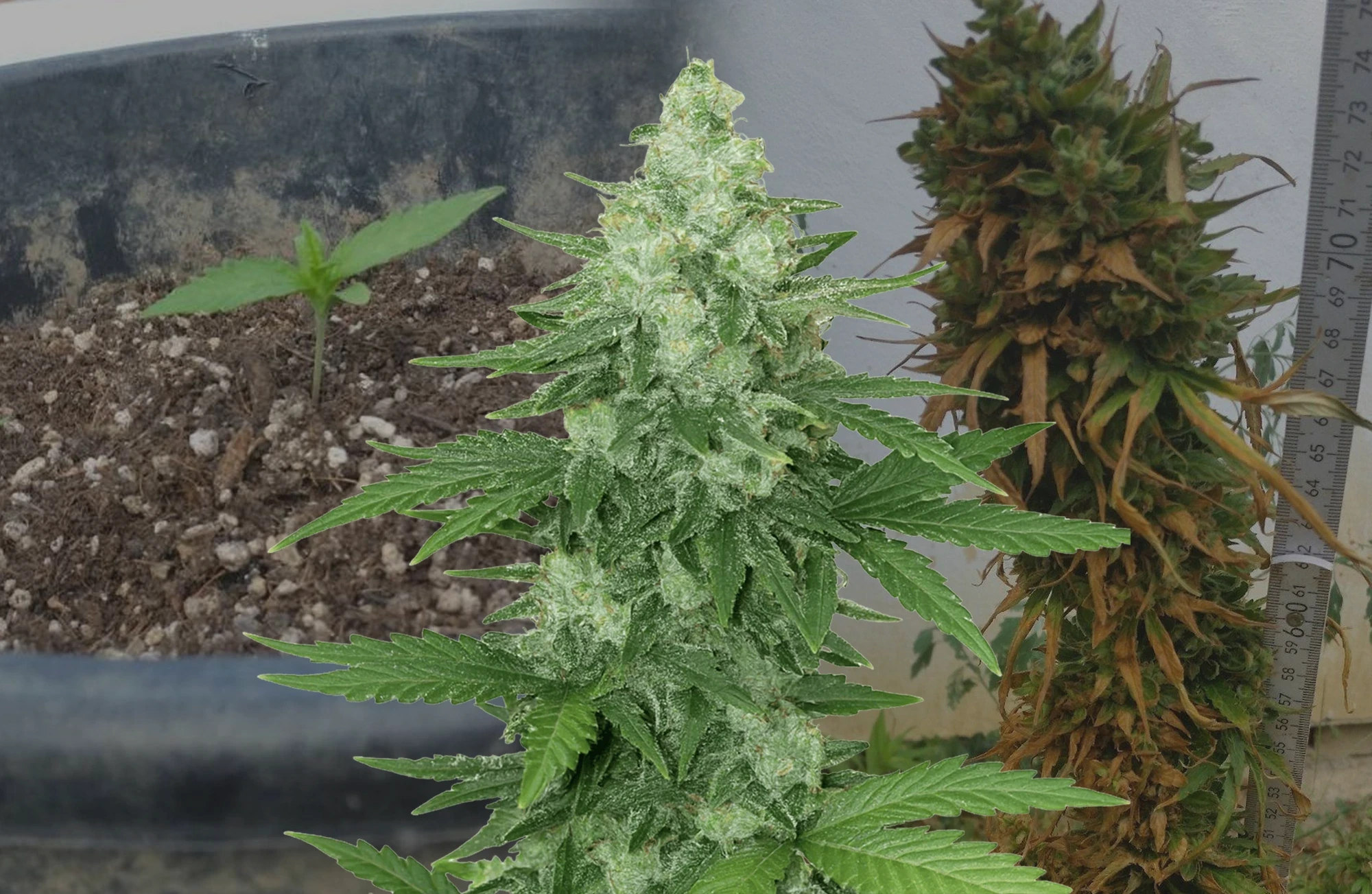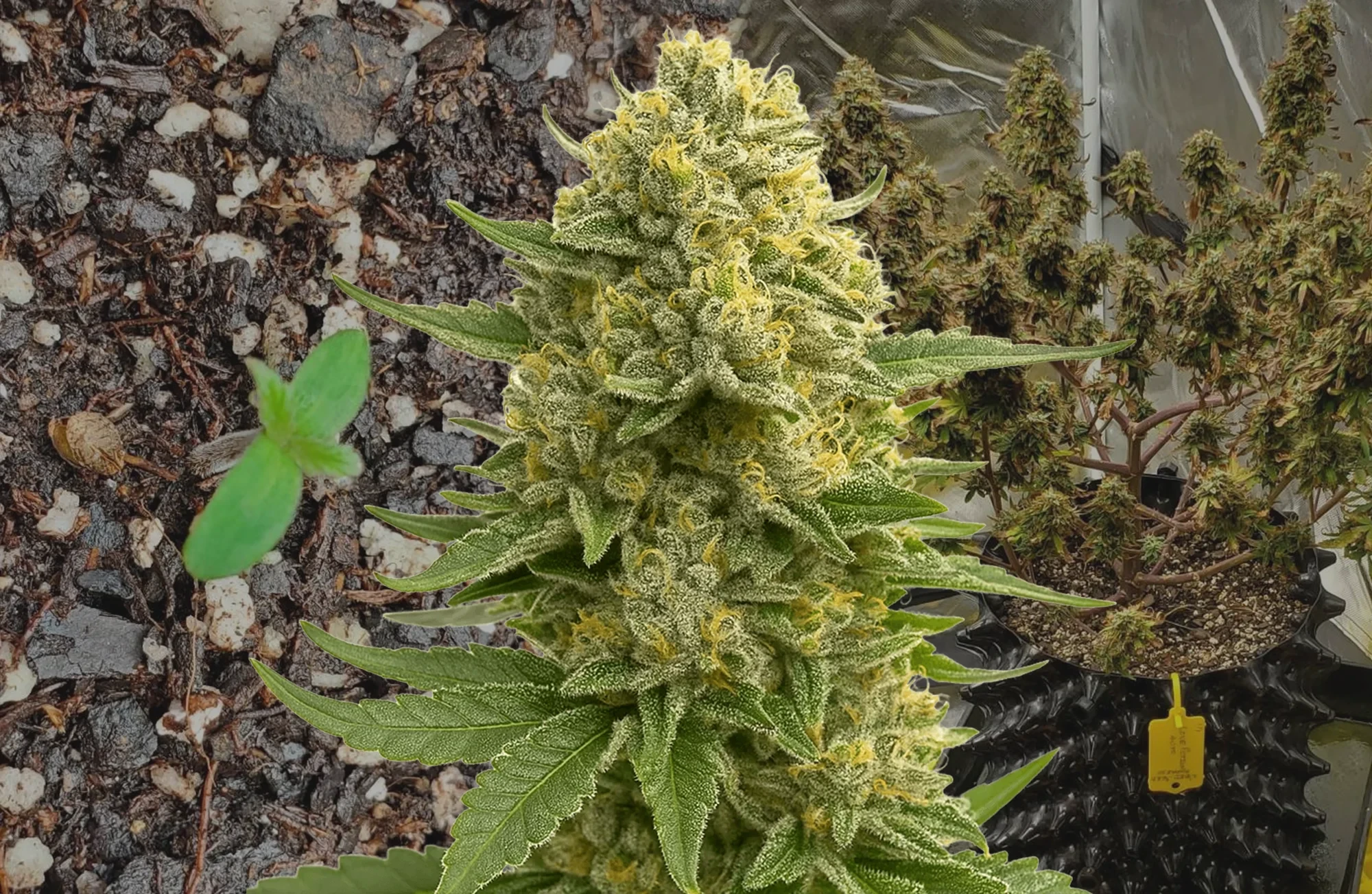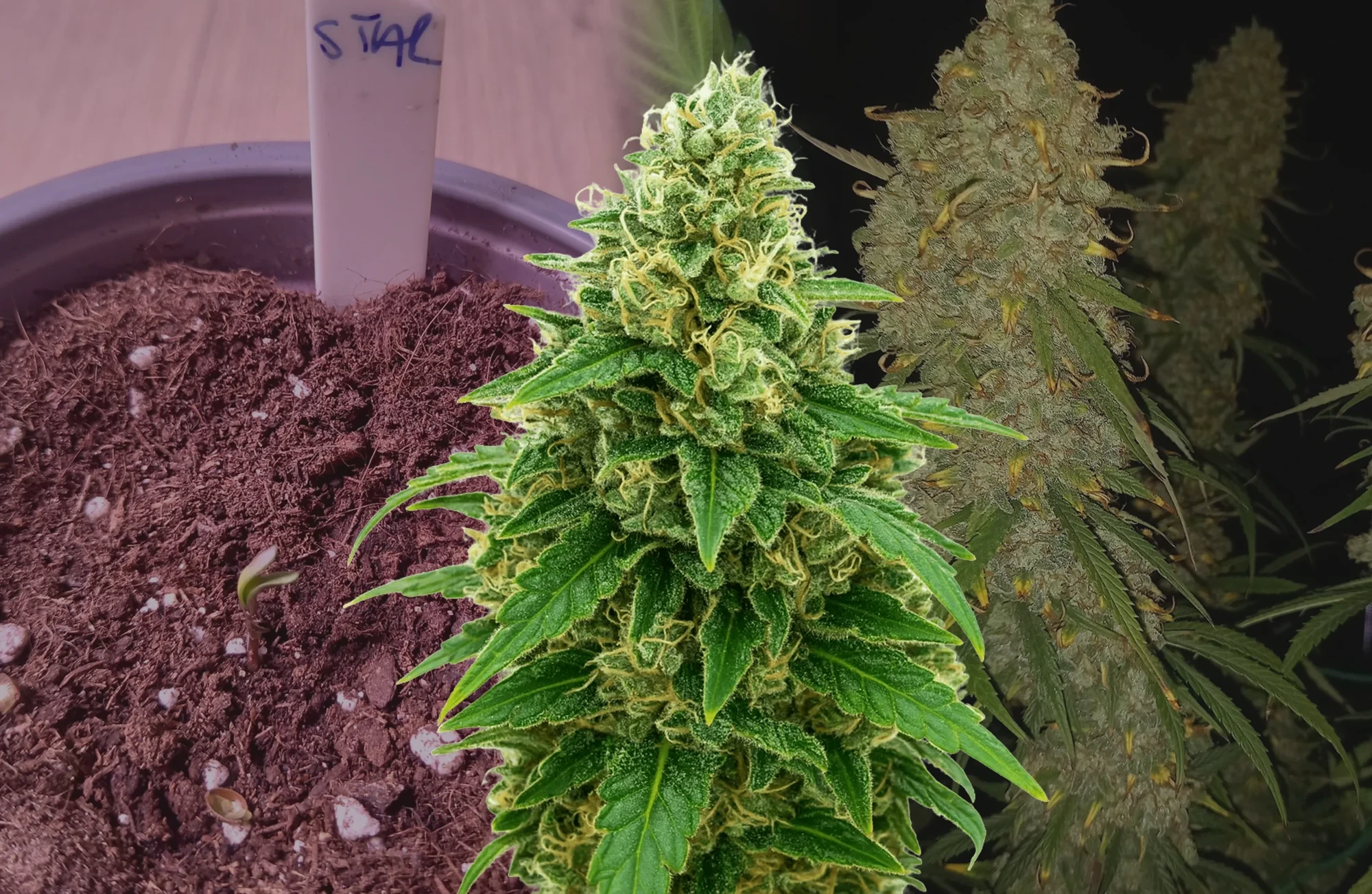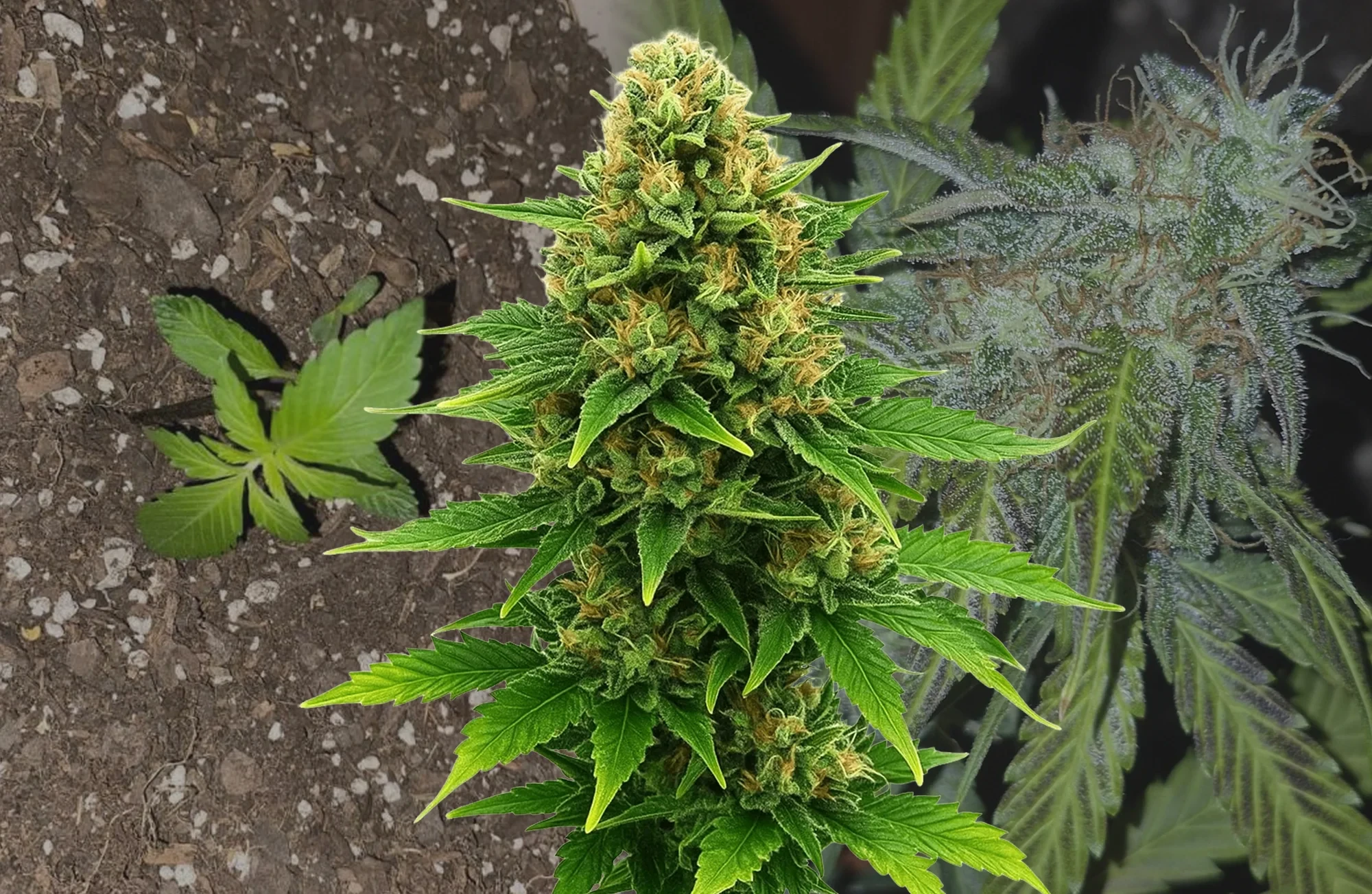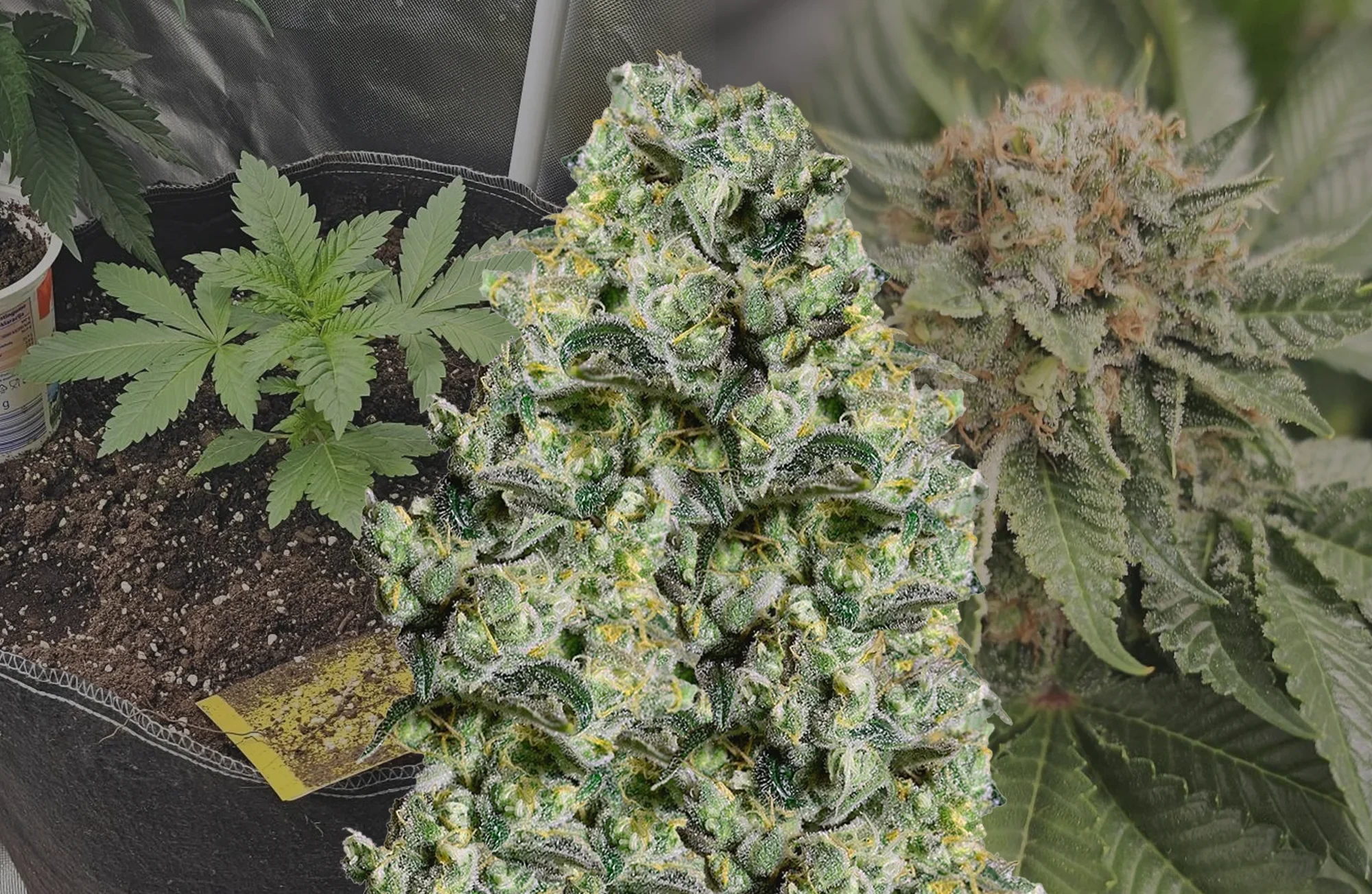


Great weed does not grow in cheap dirt.
I have run the gauntlet over the years. I have built deep water culture buckets, set up coco drippers on timers, and hauled massive fabric pots filled with living soil. After running them all, I can tell you the blunt truth.
Soil is the absolute best foundation for most growers.
Hydroponics might be a rocket ship for tinkerers, but soil is where you truly learn the plant. It is forgiving. It is reliable. And it builds the absolute best tasting terpene profiles you will ever smoke.
But you cannot just grab a random bag of potting mix from the hardware store and expect fat buds. You need the right texture, the right drainage, and the right food.
Let me take the confusion out of the dirt. I am going to show you exactly how to pick the best bags, build your own killer blends, and set your roots up for massive success.
Key Takeaways
- Soil wins for flavor: Hydroponics might grow plants faster, but soil is the most forgiving medium for beginners and produces the best tasting buds.
- The golden rule of drainage: Weed roots need to breathe. You always want to add extra perlite to your soil so water drains quickly and roots do not drown.
- Watch your pH: Keep your water pH between 6.0 and 6.5. This is the exact sweet spot where your plants can actually absorb their food.
- Autoflowers need light dirt: Autoflowers hate heavy, nutrient packed soil. You must use a lighter, airier blend so you do not burn their fragile roots.
What Makes Great Cannabis Soil?
You cannot just dig up dirt from your backyard. Good weed needs a specific type of home to thrive. We are looking for the Goldilocks zone. In the gardening world, we call this "loamy" soil.
It is a perfect mix of sand for drainage, silt for structure, and clay to hold nutrients.
Here are the three cornerstones of a perfect soil mix.
Drainage and Aeration
Cannabis roots need to breathe oxygen. If your soil is too heavy, it turns into thick mud when you water it. Mud suffocates the roots and invites pests like fungus gnats.
Great soil drains quickly. Water should move through it in a steady stream.
To get this right, you want your mix to be about 20 to 30 percent perlite. Perlite is those little white rocks you see in potting bags. They keep the dirt fluffy so roots can push through easily.
Water Retention
While you want good drainage, the soil cannot dry out in two hours. It needs to hold water just like a wrung out sponge. This gives the plant a steady supply of moisture between waterings.
Using fabric pots is a massive help here. They let the soil breathe from the sides and stop the roots from tangling up into a messy knot.
Nutrients (The N-P-K)
Good soil comes packed with food. You will always see three letters on fertilizer bottles: N, P, and K. Nitrogen (N) drives green leafy growth. Phosphorus (P) builds massive roots and fat flowers. Potassium (K) keeps the plant healthy and boosts resin production. Starting with a soil that already has organic food baked in makes life incredibly easy for a beginner.
The Secret to Success: Soil pH
This is where a lot of new growers mess up. You can buy the most expensive, nutrient packed soil in the world. But if your pH is wrong, your plant will starve to death.
Cannabis roots can only absorb their food when the water pH is between 6.0 and 6.5. If the number drops too low or goes too high, the roots lock up. They physically cannot eat the nutrients sitting right next to them.
Always test your water before you pour it into the pot. Keep it in that 6.0 to 6.5 sweet spot. If you do this, you will avoid ninety percent of the headaches new growers face.
Photoperiod vs. Autoflower Soil Needs
Not all weed plants want the same dirt. You have to match the soil to the type of seed you are growing.
Photoperiod Plants
These plants stay in the vegetative stage as long as you keep the lights on for 18 hours a day. Because you control the schedule, they have time to recover from stress.
They grow massive root systems and can handle "hot" soil. Hot soil just means it is heavily packed with nutrients right out of the bag.
Autoflower Plants
Autoflowers are on a strict ticking clock. They will start flowering after a few weeks no matter what you do. Any stress from heavy, muddy soil or nutrient burn will permanently stunt their growth and steal your yield.
You must use a lighter, airier soil mix for autos. We will cover the exact recipe for autoflower soil in just a minute.
Store-Bought vs. Homemade Super Soil
You have two main paths when it comes to dirt. You can buy a pre mixed bag from the store, or you can build your own custom blend.
The Best Store Bought Soil
FoxFarm is the industry standard for indoor growers. They make two bags you need to know about.
- Happy Frog: This is a light, gentle soil. It is perfect for seeds and young plants.
- Ocean Forest: This is a "hot" soil. It is packed with heavy nutrients. It will burn a young seedling, but established plants absolutely love it.
The pro move is to start your seeds in a solo cup of Happy Frog. Then, transplant them into a bigger pot of Ocean Forest around day 10 to 14.
And remember the golden rule. No matter what brand you buy, always mix in 20 to 30 percent extra perlite for better airflow.
Other great bagged brands include Roots Organics, BioBizz, and Mother Earth.
A Simple DIY Mix for Beginners
If you want to mix your own dirt, try our no drama recipe. It is airy, lightly fed, and super easy to manage.
- 40 percent light base soil (like Happy Frog or BioBizz Light)
- 20 percent coco coir
- 20 percent perlite
- 20 percent worm castings
The Perfect Autoflower Soil Recipe
I promised you the exact recipe for autoflowers. Since they need a lighter touch, you just adjust the math to keep the heavy nutrients away from their sensitive roots.
- 50 percent light base soil
- 30 percent coco coir
- 20 percent perlite
Living Super Soil (The Water Only Grow)
If you want the ultimate organic flavor, you build a super soil. You mix a base soil with 8 to 12 percent heavy dry amendments like kelp meal and fish bone meal.
Then, you let the dirt sit in a warm pile and "cook" for three to six weeks. The microbes break the food down. When it is ready, you pack it into the bottom third of your pot.
You put a lighter soil on top. As the plant grows, the roots reach down into the super food. If you do it right, you can grow a plant from seed to harvest using nothing but plain water.
The Best Soil Amendments (Building the Perfect Mix)
If you are building your own dirt, here is what you are actually mixing into the pot to make it better.
For Aeration: Perlite
These are the lightweight white rocks. They keep the mix fluffy and stop the roots from suffocating. We always aim for 15 to 30 percent perlite in our pots. Pumice and rice hulls do the exact same job.
For Water Retention: Coco Coir
This is ground up coconut husks. It adds air and holds moisture perfectly without getting swampy. Always make sure you buy buffered coco coir so it does not mess with your pH levels.
For Organic Nutrition: Worm Castings and Bone Meal
Worm castings are just worm poop. It is a biological powerhouse. Castings are full of gentle nitrogen and healthy microbes that young plants love. Bone meal is a fantastic source of phosphorus.
You mix it into the dirt to help your plants build massive, dense buds during the flowering stage.
Troubleshooting Common Soil Problems
Sometimes things go wrong in the dirt. Do not panic. Here is how to fix the most common soil headaches.
Muddy Soil
If your pot feels like a heavy brick of wet mud, you have a major drainage problem. You probably forgot to add extra perlite. Let the pot dry out completely before you water it again.
Next time, make sure you mix 30 percent perlite into the bag before you plant.
Nutrient Burn
If the tips of your leaves are turning brown and crispy, your soil is too "hot." You either fed the plant too much liquid fertilizer, or you planted a fragile seedling straight into a heavy soil like Ocean Forest.
Flush the pot with plain, pH balanced water to wash out the extra food.
Fungus Gnats
If you see tiny black bugs flying around the base of your plant, you are overwatering. Gnats love to lay their eggs in wet topsoil. Let the top two inches of your dirt dry out completely between waterings.
You can also point a small clip fan right at the top of the pots to dry out the surface faster.
Frequently Asked Questions
Can I use Miracle-Gro for weed?
Absolutely not. Miracle-Gro uses slow release chemical nutrients. They will flood your plant with nitrogen during the flowering stage and completely ruin your buds. Stick to high quality soil made specifically for cannabis.
Do I need to add liquid nutrients right away?
No. A good bagged soil or DIY mix has enough food to feed your plant for the first three to four weeks. Wait until the plant eats what is already in the dirt before you start pouring liquid nutrients into the pot.
Start your first feed at half strength so you do not burn the roots.
Can I reuse my old soil for the next grow?
Yes, but you have to recharge it. After you harvest, pull out the old root ball. Break up the dirt and mix in fresh worm castings and dry organic amendments.
Let it sit in a pile for a few weeks to cook, and you are ready for round two. Just never reuse soil if your last plant had bugs or mold.
The Wrap Up
Choosing your dirt comes down to what you want out of your grow. Soil is the ultimate chill mentor. It buffers your pH, forgives your watering mistakes, and builds incredible flavor.
For most growers, especially on your first few runs, soil wins every single time.
Start with a quality bagged mix, add your extra perlite, dial in your water pH, and do not drown your pots. Once you lock in those healthy roots, the heavy yields will follow.
If you are getting ready to set up your tent for the first time, make sure to check out our complete guide on how to grow weed indoors to map out your exact next steps.
At Weedseedsexpress, we are growers first. When you are ready to pop something special, grab some stable, high vigor seeds from our lineup and grow something you are proud of. Keep your pH honest, and happy growing!