

Every new grower hits that exact moment of panic. You open your grow tent and see curling leaves. Your plants look tiny. Suddenly, you wonder if you just ruined your entire crop.
Take a deep breath. Autoflowering weed plants grow incredibly fast, but they play by their own rules.
These little machines are on a strict timer. If you stress them out, they do not have time to heal before they start making buds. Think of them like race cars. The fewer bumps you hit along the way, the better your finish will be.
By the end of this guide, you will know exactly how to spot stress early. You will also learn how to prevent the most common rookie mistakes and keep your plants on track for a massive, top-shelf harvest.
Key Takeaways
- Autos are on a strict timer: You cannot keep them in the vegetative stage to heal. Prevention is your best tool.
- Start in the final pot: Moving an autoflower causes transplant shock. Plant your seed exactly where it will finish.
- Go light on plant food: Autoflowers eat much less than regular plants. Always start with a quarter dose of nutrients.
- Watch the leaves: Drooping, clawing, or yellowing leaves are your very first warning signs that something is wrong.
Why Autoflowers Hate Stress
Autoflowers come from a tough, wild type of weed called Cannabis ruderalis. This plant originally grew in cold places with very short summers. To survive, it had to learn how to flower based on its age, not the sun.
That means your autoflower has a biological clock ticking from the exact moment the seed pops.
Regular photoperiod plants are completely different. If you make a mistake with a regular plant, you can just keep your lights on for 18 hours a day. This keeps the plant in the vegetative stage for a few extra weeks so it can heal.
You cannot do that with an autoflower.
Once an auto feels stress, it just keeps going. It does not stop to fix itself. If it gets stressed early in life, it will stay small. It will start flowering while it is only a few inches tall, and you will end up with tiny buds.
Photoperiod plants can bounce back from heavy pruning, overfeeding, and root damage. Autoflowers rarely do. That is why fixing problems is not enough. Your best tool is not rescue work. It is prevention.
The Early Warning Signs of a Stressed Plant
Your plants will always tell you when they are unhappy. You just have to know what to look for when you unzip your grow tent. Here are the four most common warning signs.
Drooping or Wilting Leaves
When a plant goes from looking lively to looking limp and tired overnight, you have a water problem. If the leaves feel heavy and wet, you are watering too much.
The roots are drowning. If the leaves feel thin and papery, the plant is thirsty and needs a drink.
Yellowing or Brown Spots
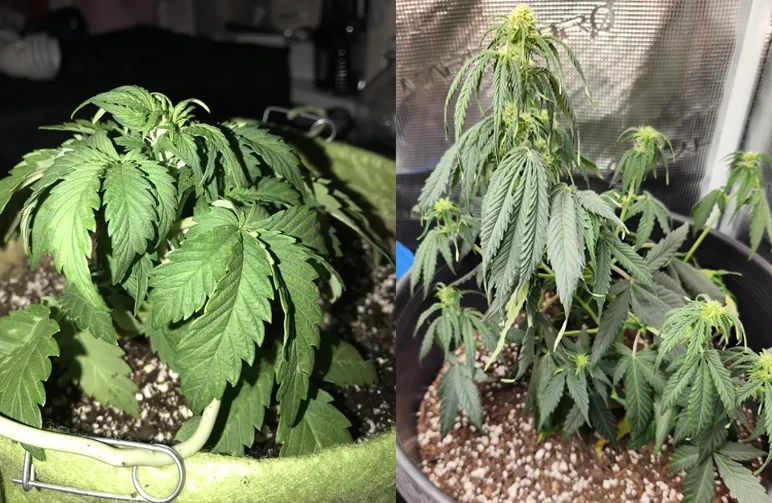
Healthy weed leaves should be a nice, solid green. If you see strange yellow patches or brown spots, you usually have a nutrient problem or a pH imbalance. The plant is trying to tell you that its roots are locked up.
The food is in the soil, but the plant cannot absorb it.
Clawing or Curling Leaves
Look closely at the shape of your leaves. When the tips bend down like a bird claw, or the edges curl up like a taco, the plant is stressed.
This is almost always caused by too much heat, lights that are hanging too close, or feeding the plant way too much nitrogen.
Stunted Growth
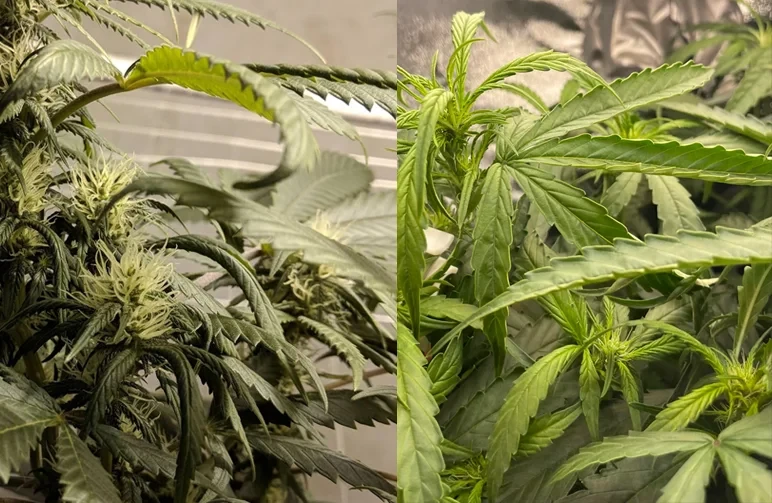
Healthy autoflowers grow fast. You should see them get bigger almost every single day. If your plant looks frozen in time for three or four days, it is under serious stress.
Something in the environment is shocking the plant and stopping it from growing.
The Top 5 Autoflower Stressors (And How to Avoid Them)
Now you know what a stressed plant looks like. Let's talk about what actually causes that stress. Here are the biggest mistakes new growers make and exactly how to avoid them.
Mistake 1: Transplant Shock
A lot of growers start their seeds in small plastic cups. That works great for regular plants. It is a terrible idea for autoflowers. When you move a plant from a small cup to a big pot, the roots get disturbed.
The plant will stop growing for a few days to recover. An autoflower does not have a few days to waste.
The fix: Always plant your autoflower seed directly into its final pot. If you want to see exactly how to start your run the right way, check out our full guide on how to grow autoflowers from seed.
A 7 to 11 liter pot is perfect for indoor growing. Just plant it once and leave it alone.
Mistake 2: Overwatering
This is the number one way beginners kill their plants. Plant roots need oxygen to survive. When you water too much, you drown the roots in mud. The plant suffocates, and the leaves start to droop.
The fix: Use the lift test. Pick up your pot before you water. If it feels heavy, put it down and wait another day. Only water when the pot feels light and the top inch of soil is dry. Autos like moisture, not mud.
Mistake 3: Nutrient Burn
Autoflowers are light eaters. If you follow the feeding chart on the back of a nutrient bottle, you will burn your plants. The tips of the leaves will turn brown and crispy. Good lord, do not push nutrients too hard on an auto.
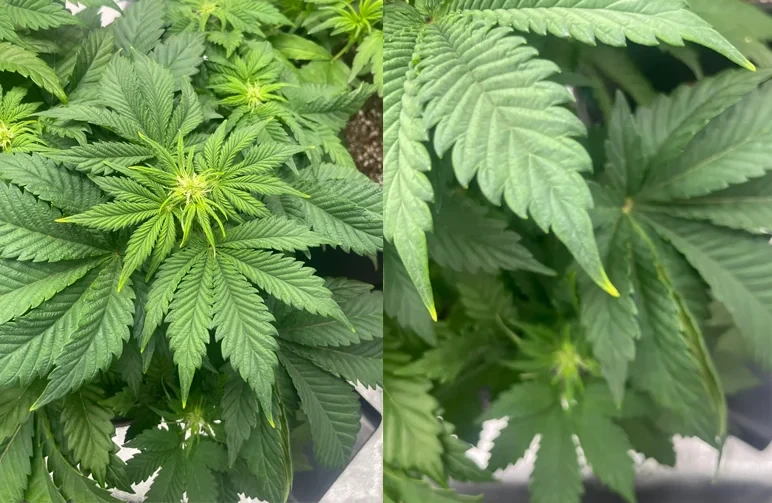
The fix: Cut the recommended nutrient dose in half, or even down to a quarter. If you are using good, nutrient-rich soil, you do not need to feed the plant anything for the first three weeks. Start slow. You can always add more food later.
Mistake 4: Light and Heat Stress
Modern LED grow lights are incredibly powerful. If you hang them too close to the canopy, you will bleach the top leaves and stress the plant. High heat does the exact same thing.
Your leaves will curl up and twist to protect themselves.
The fix: Keep your grow tent temperatures between 75 and 80 degrees Fahrenheit during the day. Always follow the light manufacturer's guide for hanging height. If the leaves start curling up, raise your light a few inches.
Mistake 5: Training Too Hard
Advanced growers love to top their plants. Topping means cutting off the main stem to force the plant to grow wide. Please, do not do this on your first autoflower run.
High stress training will shock the plant and stunt its growth. It can even force the plant to start flowering early.
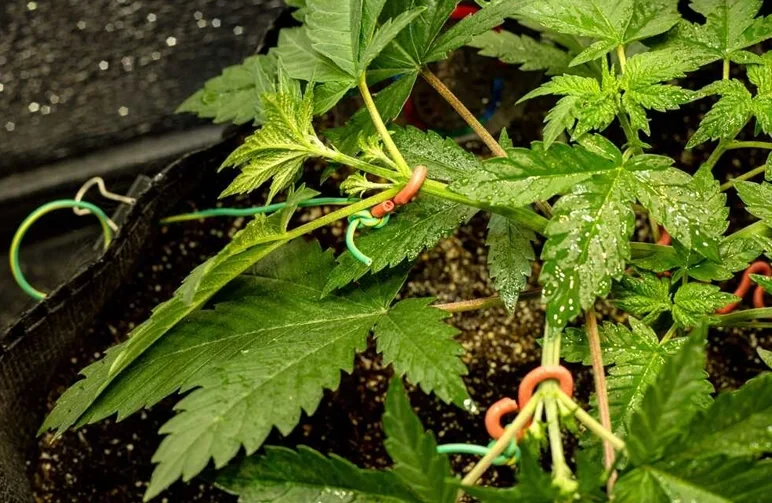
The fix: Stick to Low Stress Training. We call this LST. Just gently bend the branches down and tie them in place. This opens up the plant to more light without cutting or hurting it.
Can an Autoflower Recover from Stress?
I will give it to you straight. Yes, an autoflower can survive a stressful event. But your final yield is going to take a hit.
Every single day your plant spends recovering is a day it is not growing bigger. If you burn your plant or stunt it early on, it might start flowering while it is only a few inches tall.
You will end up with one tiny bud on a stick. Nobody wants that.
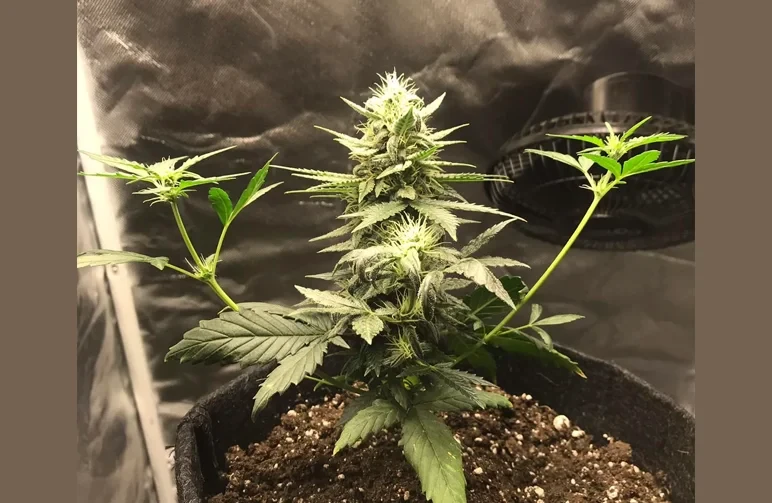
The best way to save your harvest is to catch the problem fast. If you see drooping leaves and fix your watering schedule that same day, the plant will bounce back quickly.
If you wait a week to fix it, the damage is done.
Frequently Asked Questions
I get a lot of questions from new growers who are worried about their autoflowers. Let's clear up a few common concerns so you can grow with confidence.
Should I cut off dying leaves on my autoflower?
Yes, but only if they are completely dead and crispy. If a leaf is just a little yellow, leave it alone. The plant is still pulling energy and nutrients from that leaf. Never strip an autoflower bare.
Taking off too many leaves at once is a massive shock to the system.
Can a 24-hour light cycle cause stress?
It definitely can. Some growers run their lights 24 hours a day to push for faster growth. But plants are a lot like people. They like to rest.
Running your lights for 18 hours on and 6 hours off gives the plant time to recover. It is a much safer schedule for beginners.
Why is my autoflower flowering so early?
Seeing white hairs at week three or four is totally normal for an auto. But if your plant is flowering at week two, it is probably stressed. Severe stress makes the plant panic.
It thinks it is going to die, so it rushes to make flowers and reproduce before time runs out. Keep your environment stable to stop this from happening.
The Wrap Up
Autoflowers teach you a different kind of growing discipline. They are fast and highly rewarding. But they have absolutely no time for drama.
The best growers are the ones who stay calm. Do not hover over your plants. Do not poke at them every five minutes. Keep your temperatures steady, do not overwater, and go easy on the plant food.
If you make a mistake, do not panic. Just fix the issue gently and let the plant do its thing.
If you follow these simple rules, your autoflowers will reward you with jars full of frosty, top-shelf buds.
Good luck with your grow!