

Every grower remembers the first time they heard about autoflowers, which are plants that bloom on their own schedule without needing to change the light.
It sounds like a myth to anyone who has spent years counting hours on timers or worrying about power outages. But autoflowering cannabis is real and is one of the biggest advances in cannabis growing in the last few years.
In this guide, I'll talk about what makes autoflowers bloom on their own, how their genetics are different from photoperiod strains, and what growers need to know to get the most out of these plants that start growing on their own.
The Origins of Autoflowering Cannabis

You need to go very far north to understand why autoflowers bloom without light cycles.
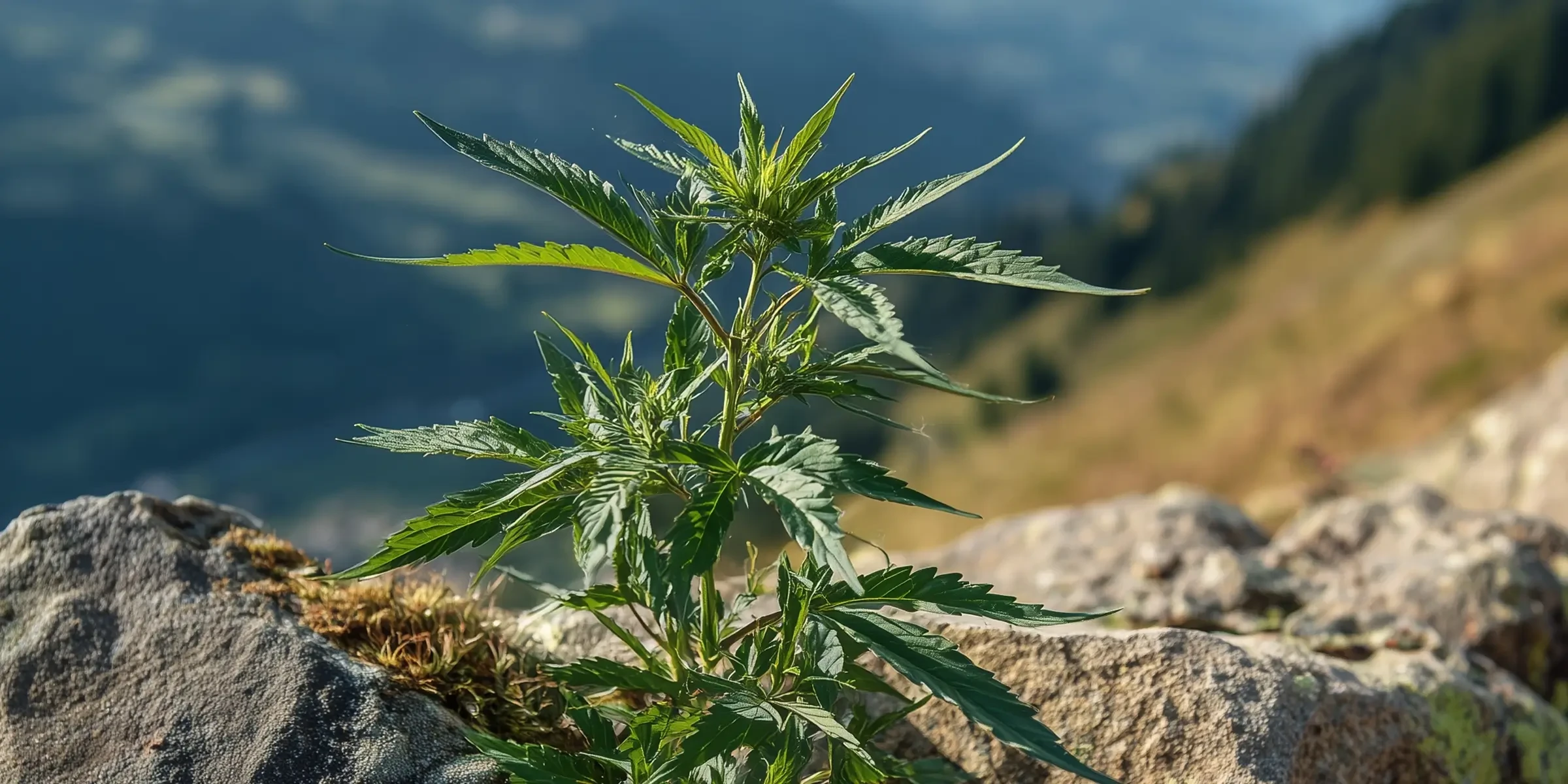
Cannabis ruderalis is the main ancestor here. It is a hardy subspecies that grows in the cold, short summers of Central and Eastern Europe, Russia, and parts of northern China.
Cannabis sativa and Cannabis indica are photoperiod plants, but ruderalis grew in places where the length of daylight changes a lot and frost comes early. It wasn't possible to wait for a perfect 12-hour day to bloom.
Instead, ruderalis changed its flowering time based on age rather than how much light it got. This meant that it could finish its life cycle in just eight to ten weeks before the first snow.
When breeders started crossing ruderalis with strong indica and sativa strains in the late 1990s and early 2000s, they basically moved this time-triggered flowering trait into plants with a lot of THC.
The outcome was the inaugural authentic autoflowering hybrids that integrated potency and durability with the capacity for automatic blooming.
The Science: What Makes Flowers Bloom
In traditional photoperiod cannabis, flowering happens when the length of daylight and darkness changes.
Phytochromes are special pigments inside the plant's cells that can sense these changes.
This is the short version:
- The plant stays in vegetative mode during long summer days because it has high levels of a growth hormone called florigen inhibitor.
- As the nights get longer, the balance shifts, the inhibitor breaks down, and the genes that make flowers bloom turn on.
Autoflowers don't even have that environmental switch. Their genetic makeup, which comes from ruderalis, has a change in the photoperiod response pathway, which means that the internal clock that depends on day length is no longer accurate.
Instead, these plants depend on chronological signals like developmental age and metabolic thresholds that build up over time.
In short, an autoflower's DNA tells it to "start making flowers when you reach a certain number of leaf nodes or a certain level of maturity." It doesn't matter if it's 18 hours of light or 24 hours of light.
How Farmers Can Use This to Their Benefit
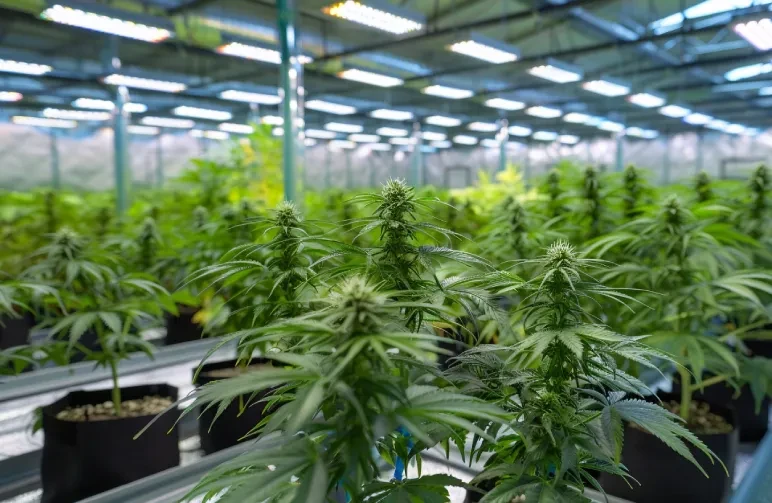
Autoflowers don't need darkness to bloom, so you can keep the lights on longer, sometimes 18 to 24 hours a day for the whole grow.
That extra energy makes things grow faster and makes buds that are thicker. Here's how to get the most out of it:
- Keep the lighting level the same. Autoflowers like a steady amount of PPFD between 600 and 900 µmol/m²/s. Changes that happen all of a sudden can mess up growth patterns.
- Don't let transplant shock happen. The vegetative phase is short, usually three to four weeks, so put them in their final pots right away to keep them from getting stunted.
- Feed a little bit at a time. These plants don't have enough time to heal from nutrient stress. It's better to feed them smaller amounts more often than to give them big doses.
- Stick to your schedule. You can't fix mistakes by extending the vegetative phase because the biological clock keeps ticking.
Autoflowers are like marathon runners who run at a steady pace. They need regular food, light, and no breaks.
A Comparison of Autoflower and Photoperiod Cannabis
Photoperiod strains need a change in the light cycle to start to bloom. When it's time for them to bloom, growers usually change the light from 18 hours to 12. Autoflowers, on the other hand, have their own biological clock.
They start to bloom on their own when they are fully grown, no matter how much light they get.
It usually takes four to six months for photoperiod plants to grow from seed to harvest. Autoflowers finish a lot faster, usually in two to three months.
Most growers keep the lights on for 18 to 24 hours a day from start to finish because the plants don't need a dark period. This gives autoflowers a steady source of energy, which helps them grow quickly.
Photoperiod strains tend to get bigger because growers can keep the vegetative phase going for as long as they want.
Because autoflowers stay shorter and more compact, they are great for small grow spaces or outdoor areas where you don't want to be seen.
Plants that have a photoperiod can be trained and shaped more easily. To get the most out of your plants, you can top, prune, or use the Screen of Green. Autoflowers can't do that.
Because they grow so quickly, they don't have much time to recover from heavy pruning, so gentle, low-stress training works best.
Photoperiod plants can produce more per plant, but autoflowers usually produce more overall in a year.
An autoflower setup can easily match or even beat the total output of one long photoperiod grow because you can fit more than one harvest into a single year.
How Strong Is It?
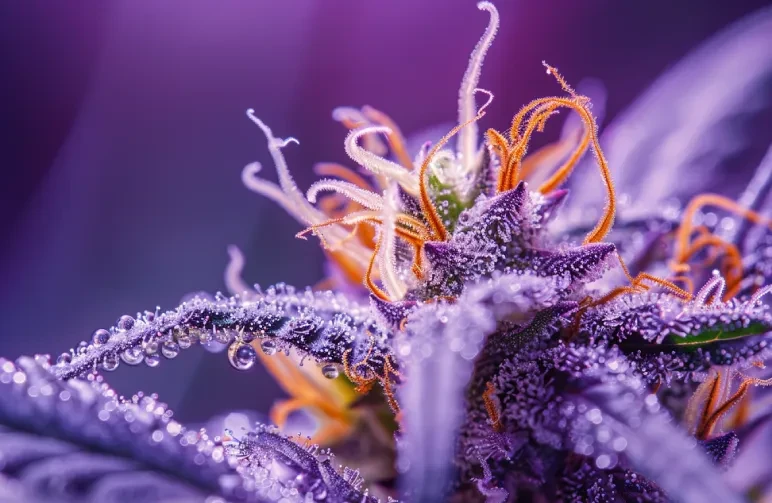
People used to think badly of early autoflowers because they had low THC, tasted grassy, and didn't produce much. That was true twenty years ago, when most genetics were unstable mixes of ruderalis and basic indica lines.
The story is very different now. Modern breeders have stabilized several generations of autoflowers, usually between F4 and F8.
These plants often have THC levels of 25 to 30 percent and complex terpene profiles that are as good as those of the best photoperiod strains.
Some examples are:
- Gorilla Glue Auto has thick, resin-covered buds that can have up to 26% THC.
- Girl Scout Cookies Auto has a strong dessert smell because it has a lot of myrcene and limonene.
- Amnesia Haze Auto is a sativa with a happy vibe that finishes in about ten weeks.
These improvements came from a lot of backcrossing, which basically taught the ruderalis gene how to work with elite parent genetics while keeping its time-triggered flowering behavior.
Things People Get Wrong
1. Autoflowers don't give you enough.
Even though they are smaller, good lighting and nutrition can help them grow 400 grams per m2 to 600 grams per m2 indoors, which is a lot of photoperiod runs when you think about the time.
2. You can't clone them.
You can technically take a cutting, but clones will bloom at the same time as the mother plant because the plant's internal clock keeps going. It doesn't work for production.
3. They don't learn from training.
Training that doesn't stress out the trees, like bending branches to let in light, works well. After week three, topping or heavy pruning doesn't work because there isn't enough time for the plants to recover.
4. They don't like soil that is rich.
They like soil that is balanced and has good air flow. Too much nitrogen makes flowers bloom later and lowers resin production. Instead of hot super-soil mixes, go for lighter blends or coco that has been changed.
The History of Autoflower Breeding
Breeders are now changing not only the timing but also the environment. There are autoflowers that have been bred for certain climates and uses.
- High-latitude resilience for places like Scandinavia or Canada, where it takes about seventy days to finish, even though the nights are cool.
- Equatorial tolerance for places where the days are always twelve hours long and the photoperiods often don't bloom right.
- High-THC CBD hybrids that are great for both recreational and medical use.
Some seed banks even make what are called "day-neutral photoperiods," which are plants that act like autoflowers until they reach a certain level of maturity. This gives growers limited control over when things happen without having to mess with the dark.
Advice for people who grow plants outside
Autoflowers changed the way people grow plants outside in cooler areas. You can start them as soon as the frost ends and finish before the fall rains bring mold. This is what matters most outside:
- When to plant: Every three to four weeks during the summer for staggered harvests.
- Containers: Each plant should have 15 to 20 liters of space. This is big enough for the roots to grow but small enough to move if the weather changes.
- Protection: A simple greenhouse or plastic dome keeps dew off the buds and makes them last longer.
In places like Canada or Northern Europe, where the days are shorter, photoperiod plants might never finish under natural light. But autoflowers race to the finish line no matter how long the day is.
Next Steps
Genetic research is now figuring out which alleles control autoflowering. Scientists have found a group of genes near the FLOWERING LOCUS T gene that controls the timing mechanism.
You can expect next-generation autoflowers that are even more predictable, faster, and produce more with CRISPR and marker-assisted breeding.
We might soon see polyploid autoflowers, which are plants with more than one set of chromosomes, made to make a lot of resin.
Breeders are already trying out metabolic pathways to increase terpene production along with automatic bloom.
Things to remember
If you're new to growing autoflowers, keep these five rules in mind:
- Don't give seedlings too much water. Their smaller root systems like high oxygen and light moisture.
- Don't give strong bursts of light; give steady light. Most setups work best with a steady 20/4 schedule.
- Begin in the last containers. Transplant shock costs days of valuable growth.
- Feed lean at first, then add more later. By the fourth week, you should switch from vegetative nutrients high in nitrogen to bloom formulas.
- Get the harvest done on time. A lot of autoflowers finish sooner than you think. Don't just look at the calendar; check the trichomes as well.
Conclusion: A Different Type of Freedom
Autoflower cannabis has changed the way we think about growing plants.
It freed growers from having to stick to strict light schedules, made it possible to grow outside in new areas, and gave small-space growers who want speed without a lot of work new options.
But the real magic isn't just how easy it is. It is freedom. These plants evolved to do well on their own time, which is a reminder that cannabis, like nature itself, changes in beautiful ways when it gets the chance.
Try growing an autoflower this season if you've never done it before. You will understand why this new idea didn't just make growing easier; it changed the way it is done when you see buds forming under 24-hour light.