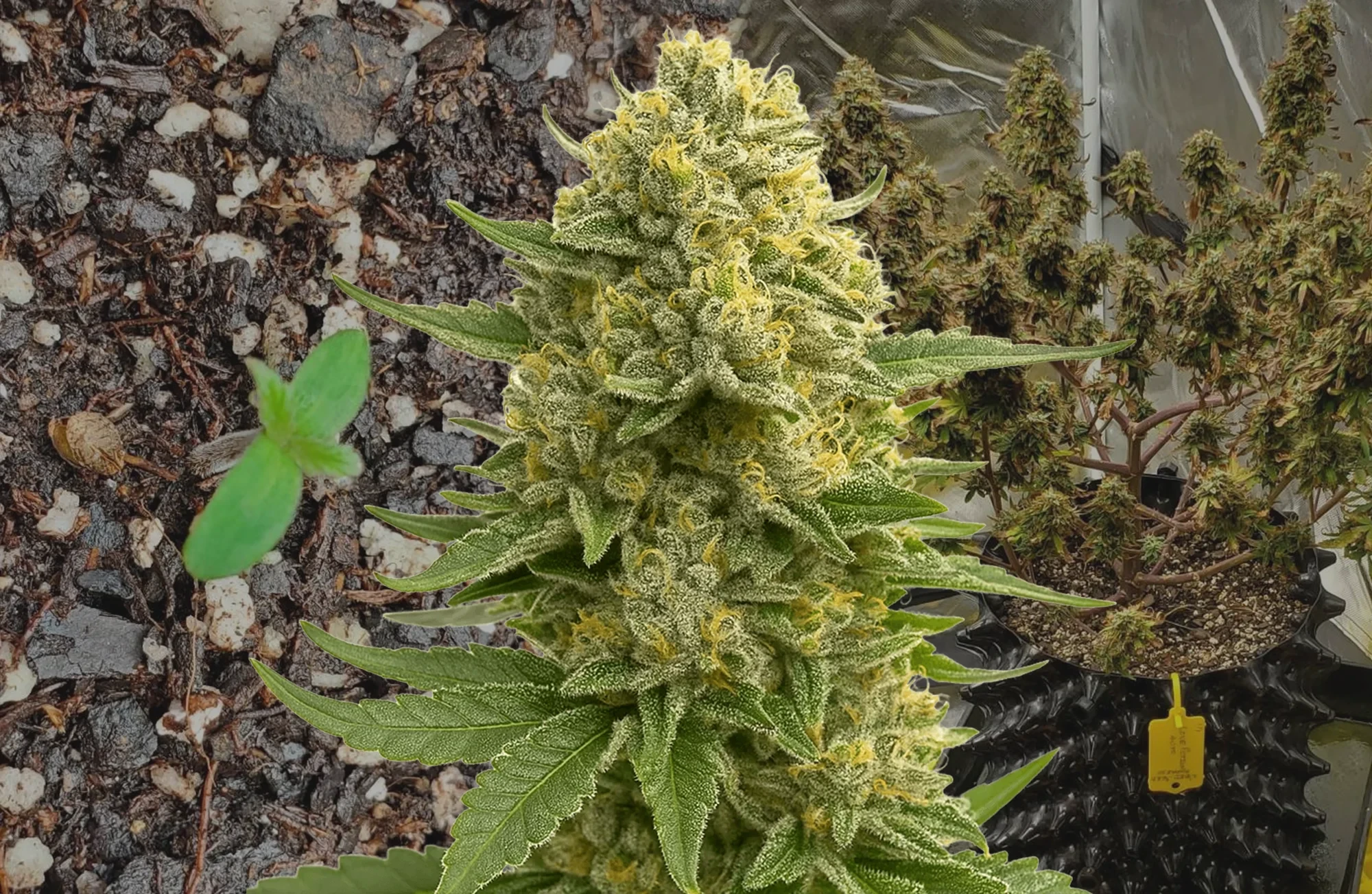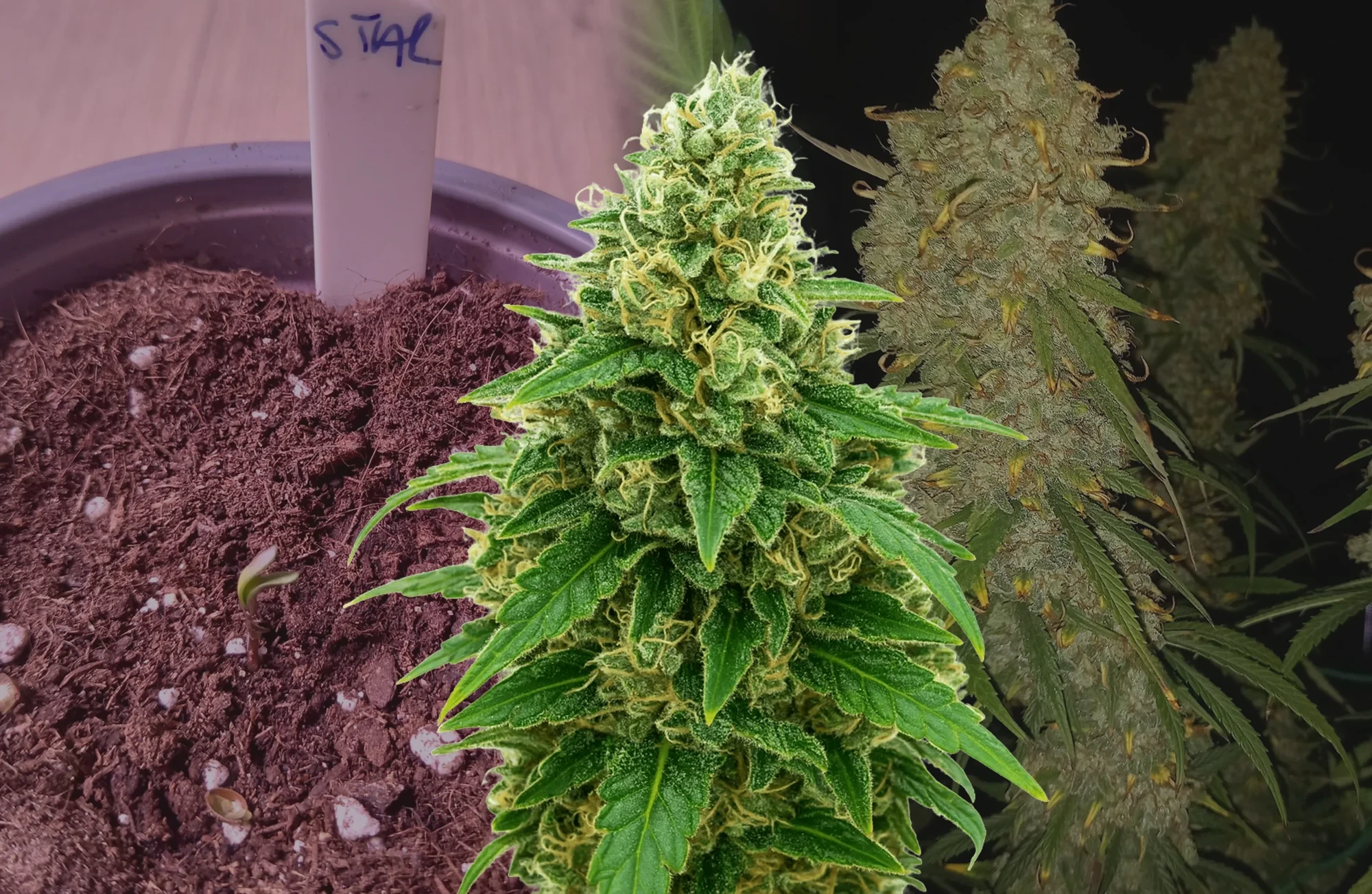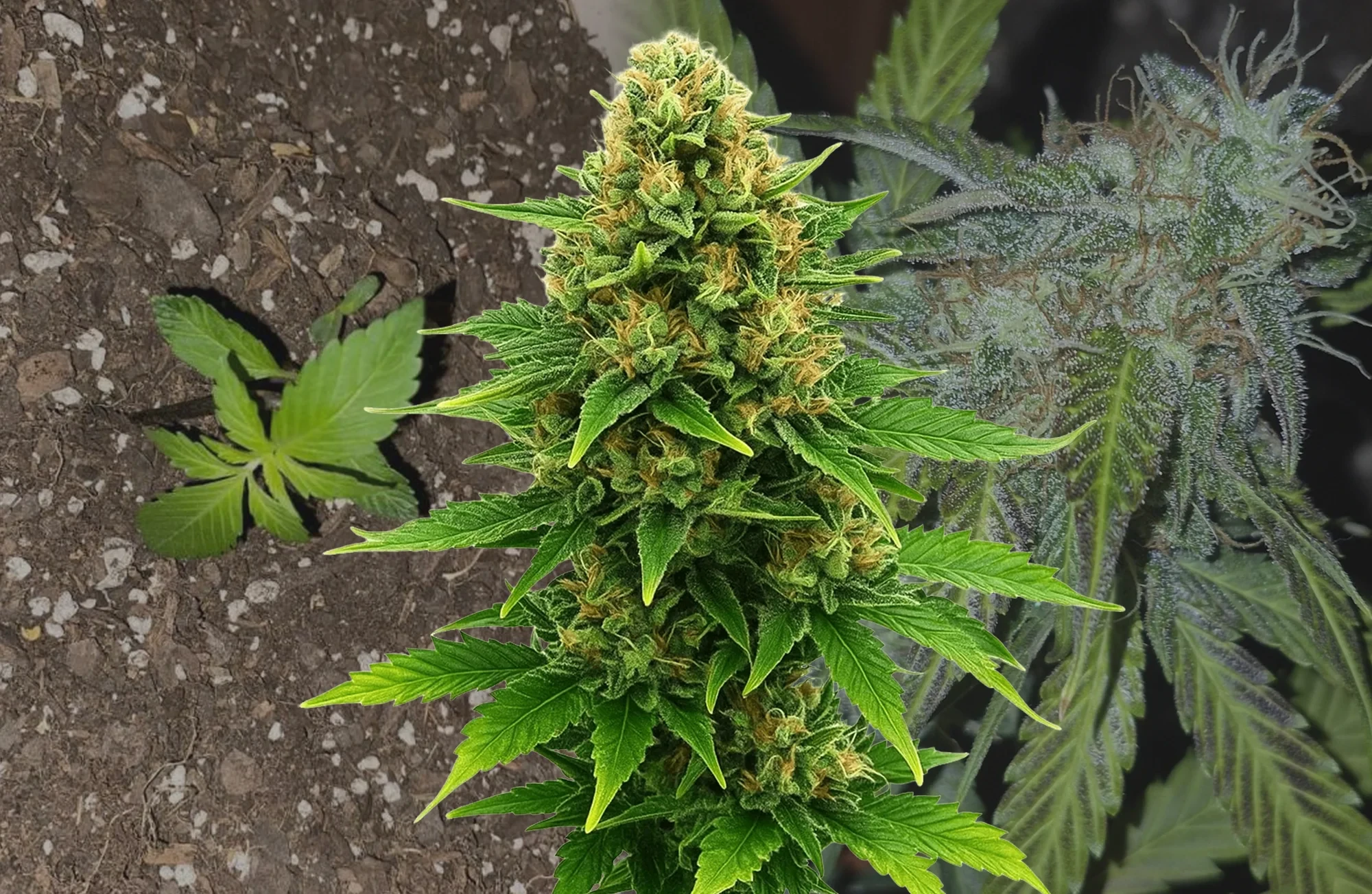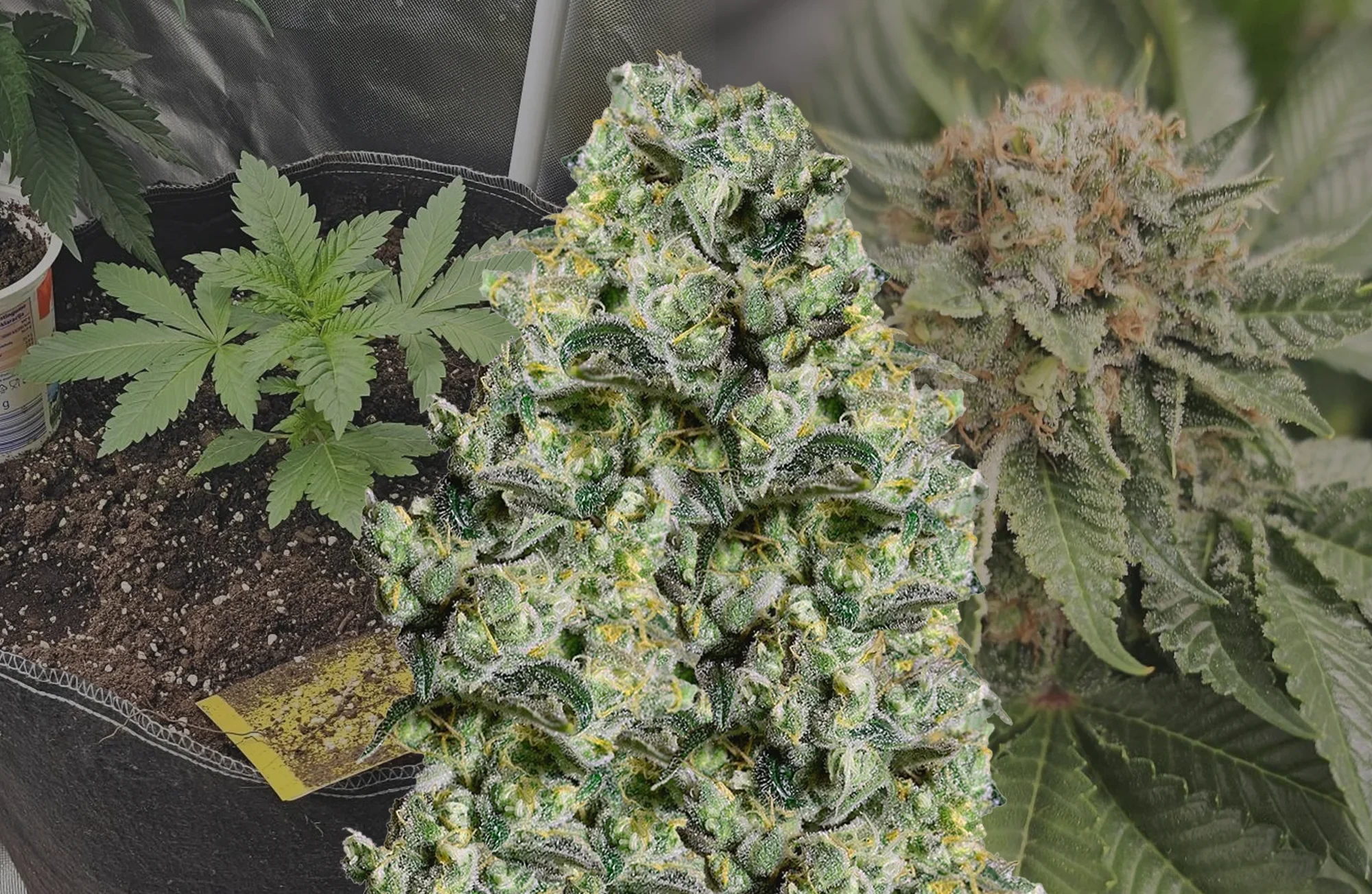


Modern weed is incredible. You can find strains that taste like sweet fruit or diesel fuel. But almost every single bud you smoke today is a massive hybrid. It's a mix of a mix of a mix.
Have you ever stopped to wonder where all these crazy genetics actually came from? Before the indoor grow tents and the high-tech breeding labs, cannabis grew wild.
I've spent a lot of time digging into the history of these plants to better understand what I'm growing in my own garden. To really get weed, you have to go back to the roots. You have to look at landrace strains.
I'm going to explain exactly what a landrace strain is and why breeders are totally obsessed with them. I'll also show you why you might want to grow a piece of living history for yourself.
Key Takeaways
- The original weed: Landrace strains are wild cannabis plants that adapted to their local environments over thousands of years without any human interference.
- Pure genetics: They are the only true 100% Sativas and 100% Indicas left on the planet.
- The building blocks: Every modern hybrid strain you love traces its family tree right back to these original landrace plants.
- Unique effects: They might have lower THC than modern weed, but they offer incredibly unique, clear, and focused highs that you just can't find in a dispensary today.
What Exactly is a Landrace Weed Strain?
A landrace strain is a cannabis plant that grew wild in nature for thousands of years. It was not bred by humans in a basement or a high-tech greenhouse. It just grew out in the wild, completely on its own.
For centuries, these plants were never crossed with other strains from different parts of the world. They only reproduced with the other wild cannabis plants right next to them. Because of this, their genetics are incredibly pure.
Mother Nature forced these plants to adapt to their specific local environments to survive. Think about how different the world is.
A plant growing in the freezing, harsh mountains of Afghanistan needs different survival skills than a plant growing in the hot, wet jungles of Thailand.
The plants in the cold mountains grew short and fat to stay warm. They pumped out thick layers of resin to protect their buds from the harsh weather. On the flip side, the plants in the hot jungles grew tall and skinny.
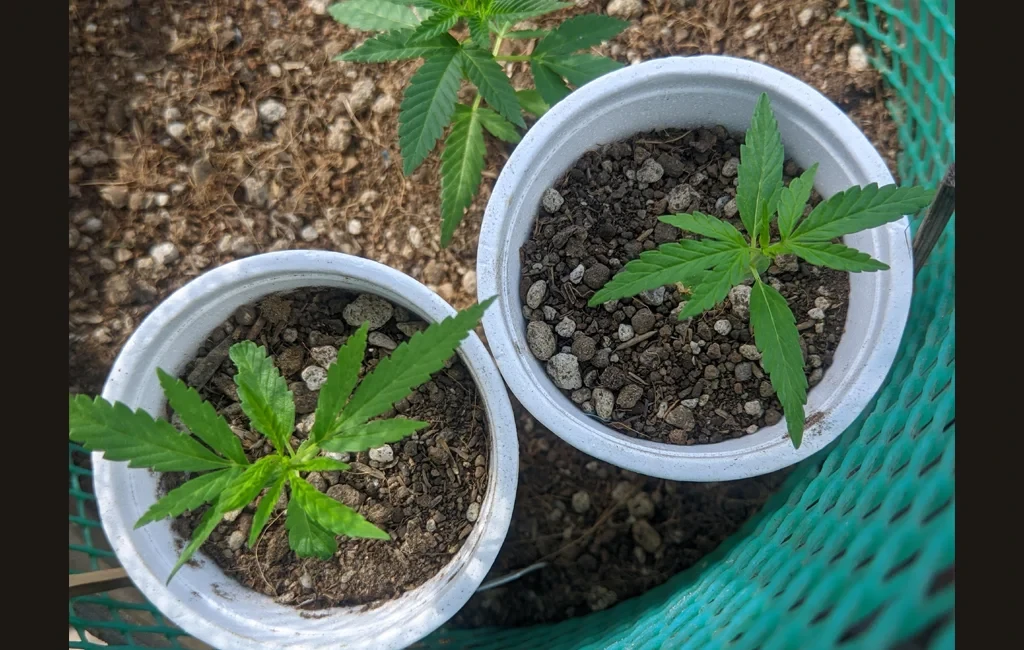
They developed loose, airy buds so they would not rot in the high humidity.
The plants in the cold mountains grew short and fat to stay warm. They pumped out thick layers of resin to protect their buds from the harsh weather. On the flip side, the plants in the hot jungles grew tall and skinny.
They developed loose, airy buds so they would not rot in the high humidity.
Understanding how these survival traits get passed down is the foundation of plant biology, which you can read all about in our ultimate guide to cannabis genetics, phenotypes, and breeding.
This natural survival of the fittest is exactly how we got the Sativa and Indica plants we know today.
Why Are Landrace Strains So Special?
If you walk into a dispensary today and buy a Sativa or an Indica, you are almost definitely buying a hybrid. True purity is incredibly rare. That is what makes landrace strains so special.
They are the only true 100% Indicas or 100% Sativas left on the planet. No mixing. No tweaking. Just pure, untouched genetics.
Think of landraces like the foundation of a house. Every single modern strain you love traces its roots back to these wild plants. OG Kush, Gelato, Blue Dream, you name it.
When breeders cross these distinct lines together, they create complex generations of seeds like the ones we break down in our guide on understanding F1, F2, and polyhybrid cannabis seeds.
Breeders took these original landrace plants and mixed them together to create all the crazy flavors and massive yields we see today. Without landraces, modern weed simply would not exist.
There is also the high to consider. Today, everyone is chasing the highest THC numbers possible. Modern weed is bred to hit 30% THC and knock you out. Landraces are different. They usually have lower THC levels, sitting around 10% to 15%.
But do not let those numbers fool you. The high is incredibly unique.
If you are looking for specific cannabinoid ratios rather than just raw recreational potency, it helps to understand the medical differences outlined in our guide on high-CBD vs. high-THC genetics and choosing your medicine.
Because the genetics are so pure, you get a very clear, focused, and clean experience. It is a totally different vibe that you just cannot find on a typical dispensary shelf.
That unique high and aroma comes down to the plant's natural essential oils, which you can learn how to maximize in our guide on terpenes and how to grow the best tasting strains.
Famous Landrace Strains You Should Know
If you want to grow a piece of cannabis history, you need to know the heavy hitters. These are the legendary plants that started it all.
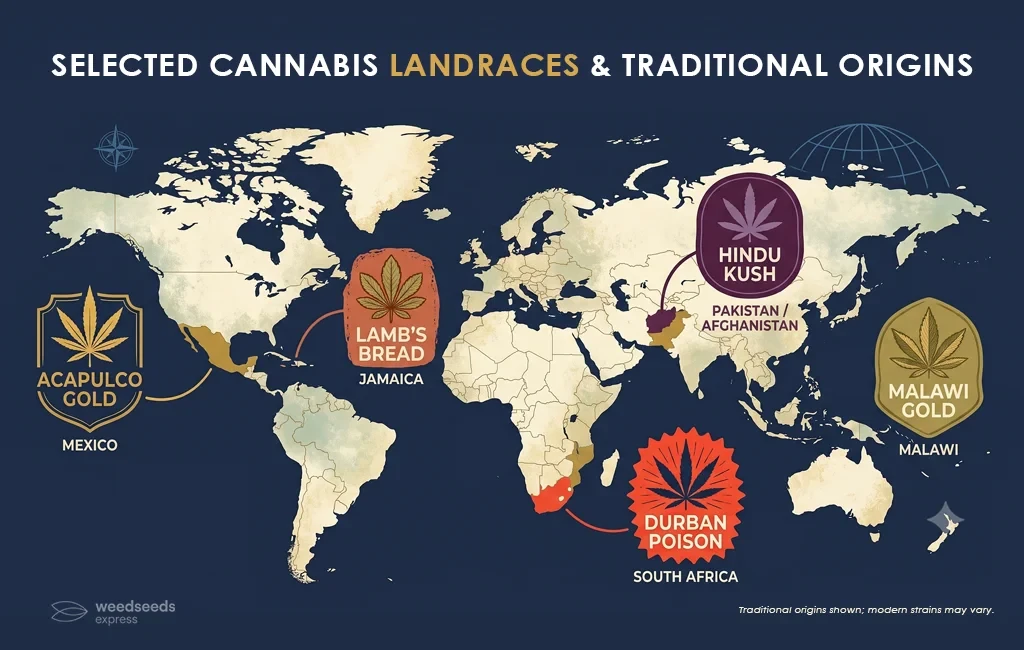
Hindu Kush
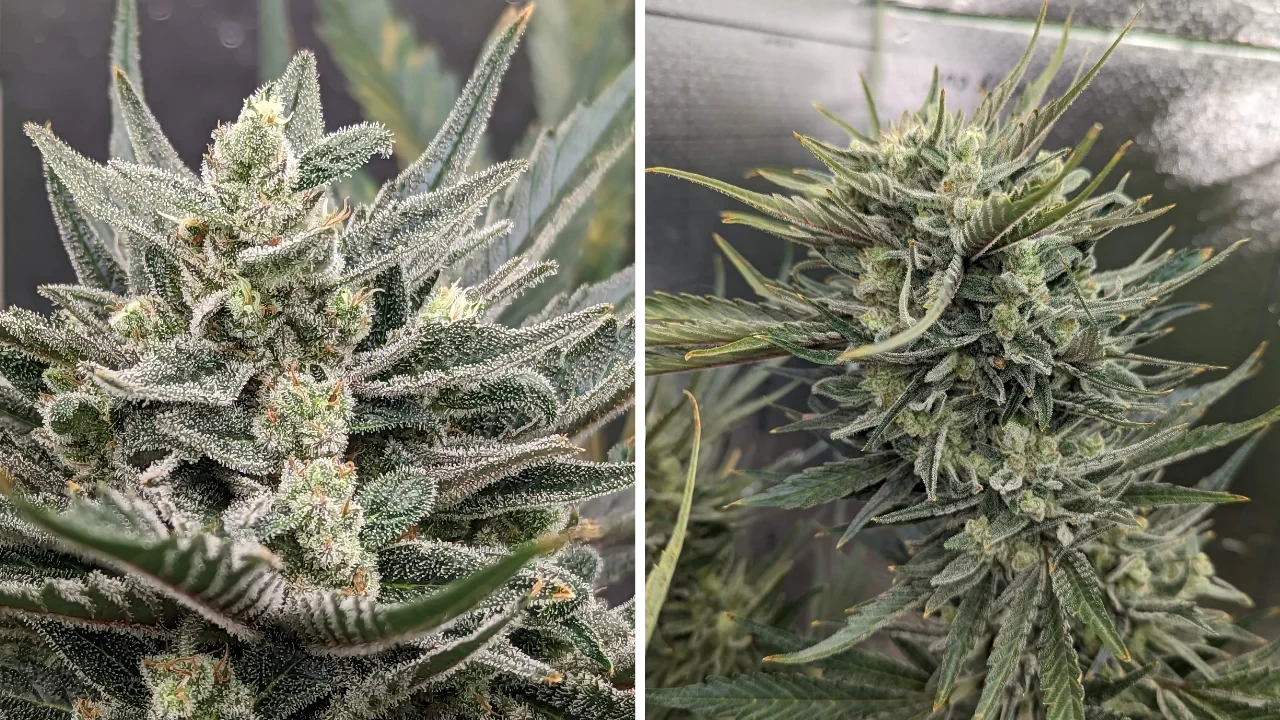
Hindu Kush is the ultimate pure Indica. It comes from the harsh mountain range between Pakistan and Afghanistan. This plant grows short, dark, and bushy. It is famous for pumping out massive amounts of sticky resin.
In fact, this is the exact plant people have used to make traditional hash for centuries. If you want deep, heavy relaxation, this is the king.
Durban Poison
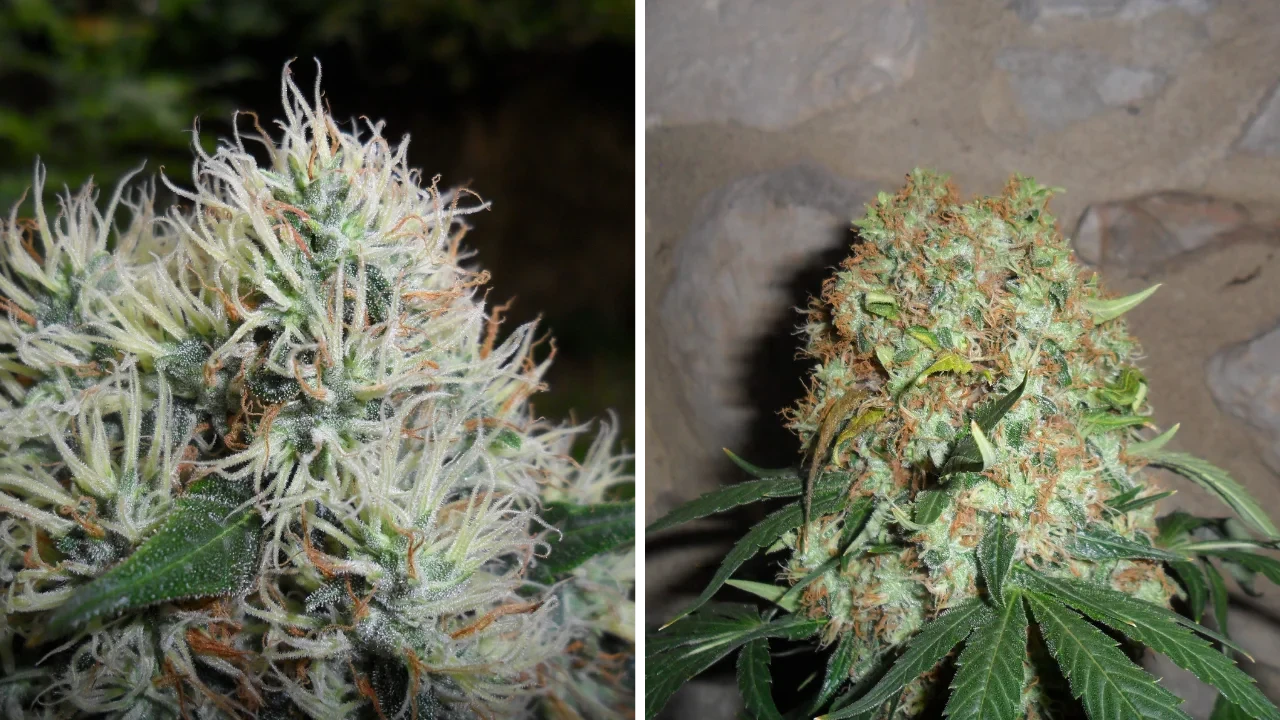
On the other side of the world, you have Durban Poison. This is a legendary pure Sativa from South Africa. It grows tall and loves the sun. The smell is totally unique, often giving off strong hints of black licorice and spicy haze.
The high is like a shot of espresso. It gives you a massive, clear-headed energy boost without any couch lock.
Thai
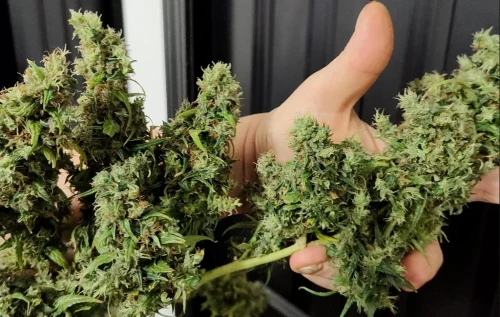
Thai is a wild jungle Sativa. If you have ever heard older growers talk about the famous "Thai Sticks" from the 1970s, this is the plant they were smoking. It is a massive plant that takes a very long time to finish flowering.
But the wait is worth it. It delivers a soaring, almost psychedelic head high that modern hybrids struggle to match.
Acapulco Gold
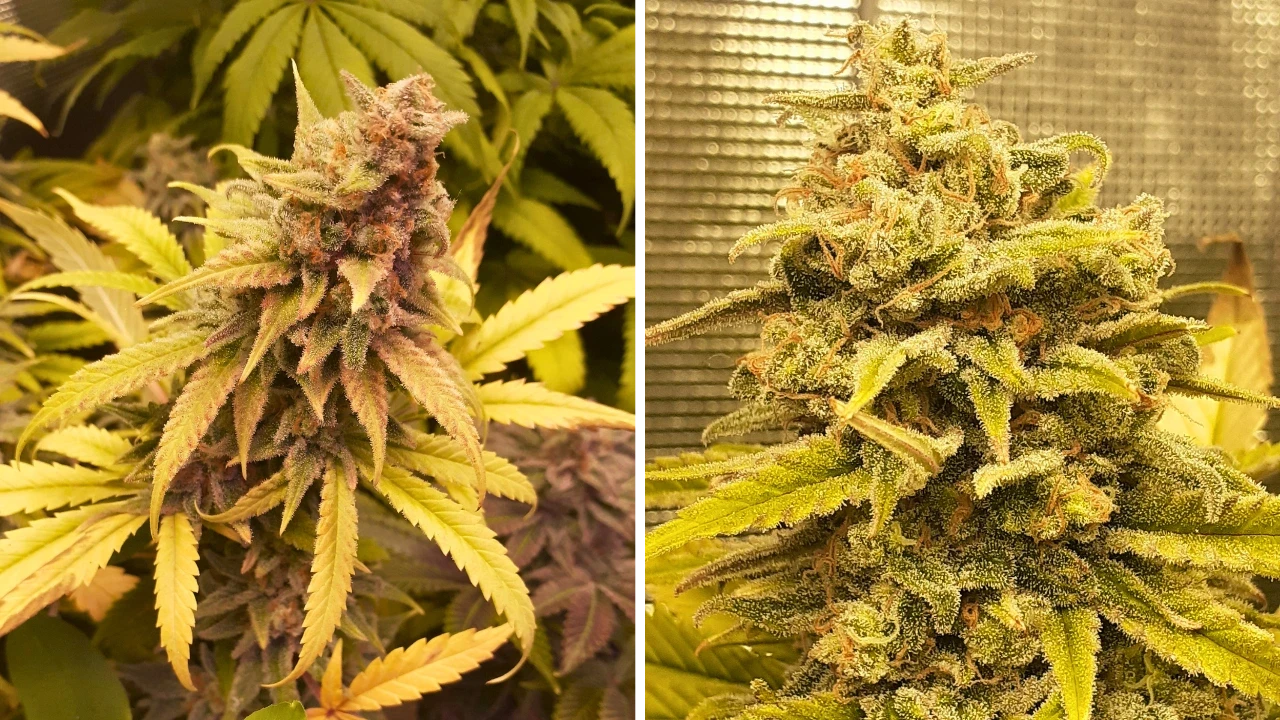
This beautiful Sativa comes from the coastal mountains of Mexico. It gets its name from the golden, brownish color the buds turn when they are dried and cured. Acapulco Gold completely changed the weed scene in the 1960s.
Landrace Strains vs Modern Hybrids: What is the Difference?
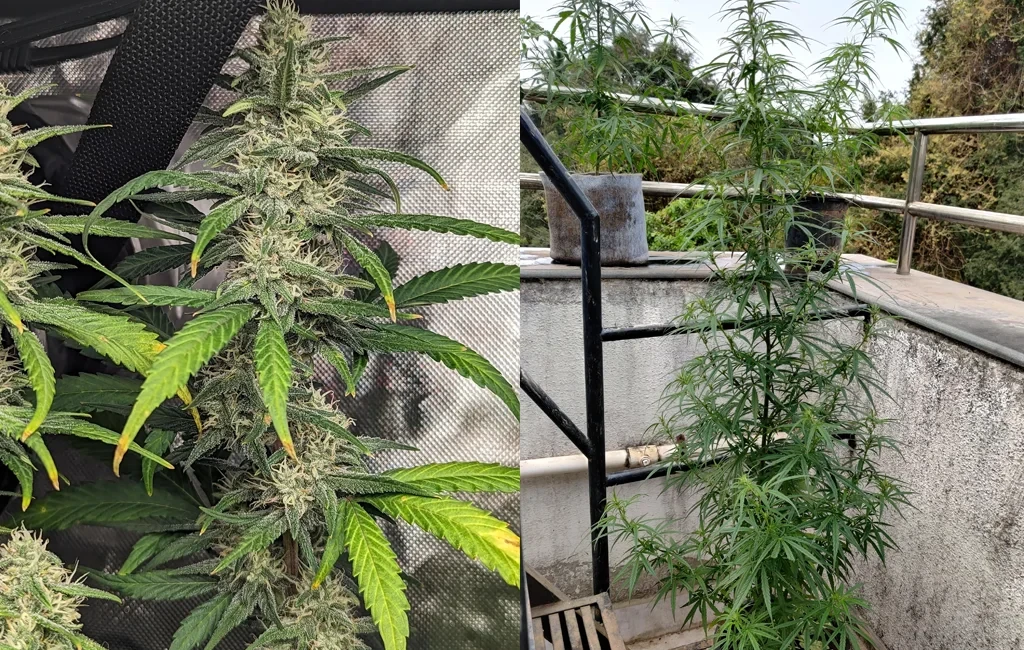
Let's put these two types of weed side by side. It really helps to understand exactly what you are getting into before you buy your seeds.
Modern Hybrids
These are the plants you see everywhere today. Humans bred them for very specific reasons. We wanted massive yields. We wanted 30% THC levels. We wanted crazy purple and pink colors.
Breeders designed these plants to perform perfectly inside an indoor grow tent under artificial lights. They are basically the high-performance sports cars of the cannabis world.
Landrace Strains
These plants are built completely differently. Nature bred them for one single reason. They just needed to survive. Because of this, they do not always look like modern dispensary weed.
The buds are often looser and a bit more airy. The THC levels are lower. Their growth patterns can be wild and unpredictable.
But what they lack in modern bag appeal, they make up for in other ways. They offer unmatched flavor profiles, completely unique highs, and pure historical value.
If modern hybrids are sports cars, landraces are the classic vintage cars that started it all.
Can You Grow Landrace Cannabis at Home?
You absolutely can grow landrace strains at home. But before you buy seeds, you need to know what you're getting into. Your experience is going to depend entirely on which side of the family tree you choose.
If you want an easy grow, stick to landrace Indicas like Hindu Kush or Afghan. These plants are incredibly forgiving. Because they evolved in harsh mountains, they are tough as nails.
They stay short and bushy, which makes them perfect for a standard indoor grow tent. They also finish flowering fast, usually in just eight or nine weeks.
Once you successfully grow out a pure landrace strain you love, you can even preserve those exact traits by learning how to make your own feminized seeds at home.
Landrace Sativas are a completely different beast. I have to warn you right now. Plants like Thai or Acapulco Gold are not for beginners. They evolved in warm jungles with long summers.
Because of that, they will stretch all the way to your ceiling. They can easily take 14 weeks or more to finish flowering.
If you want to grow a landrace Sativa indoors, you need serious space and a whole lot of patience. You will have to use heavy training techniques just to keep them from growing right into your lights.
If you are new to growing, do yourself a favor and start with an Indica first.
It offered a much stronger, more uplifting high than the cheap brick weed floating around at the time.
Landrace Strains FAQ
Let's clear up a few of the most common questions new growers type into Google when they first hear about landrace genetics.
Are landrace strains stronger than modern weed?
No, not if you only look at THC numbers. Modern hybrids are built to push 30% THC. Landraces usually sit around 10% to 15%. But strength is not just about a THC percentage.
The high from a landrace feels completely different. It is much cleaner and clearer. A lot of old-school smokers actually prefer it because it doesn't leave you feeling groggy or burnt out.
Are there any pure landrace strains left?
Yes, but they are getting pretty rare in the wild. As more people travel and bring modern hybrid seeds to places like Afghanistan or Jamaica, those wild genetics get mixed up.
Thankfully, dedicated seed banks and strain hunters travel the world to find and save these original seeds. Because of their hard work, you can still buy pure landrace genetics today.