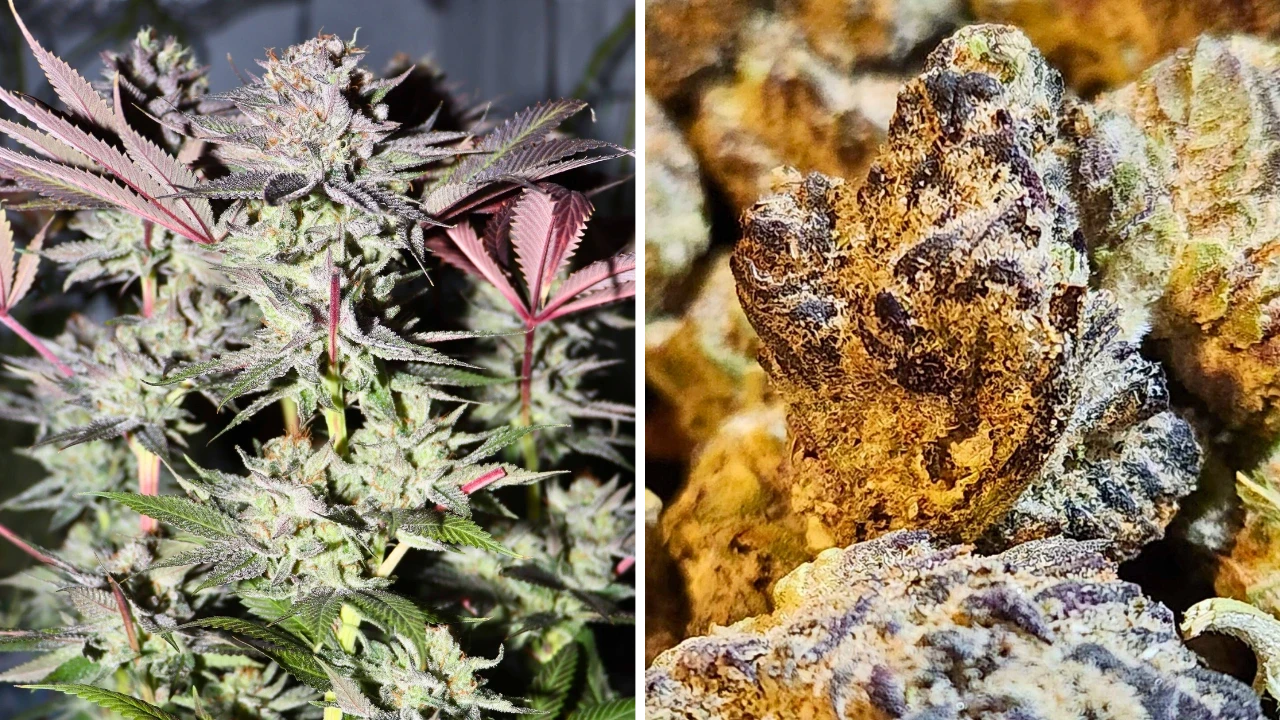
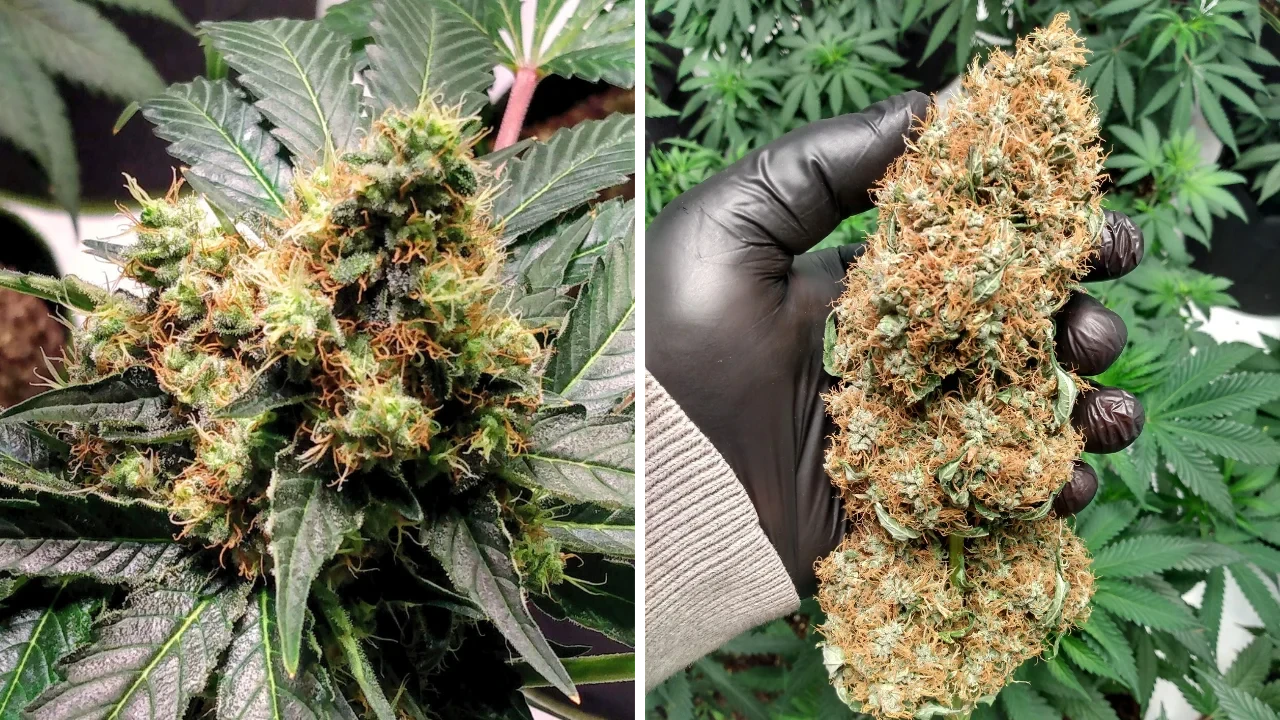
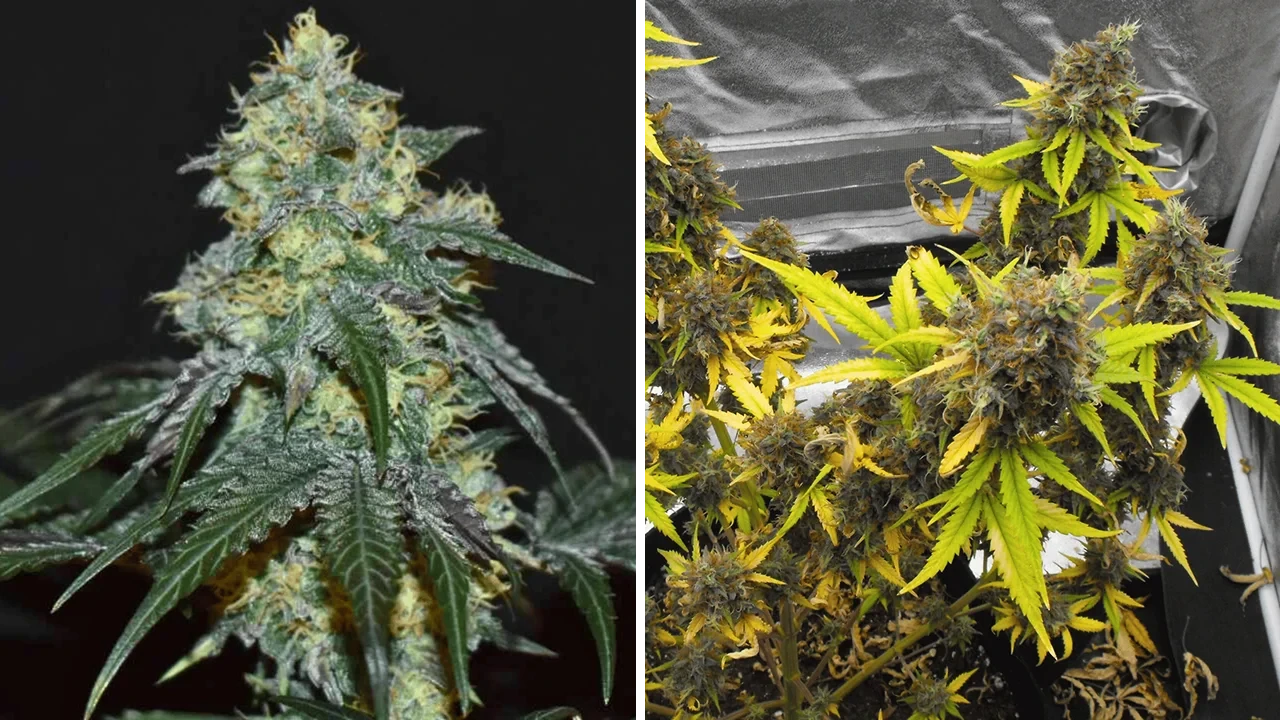
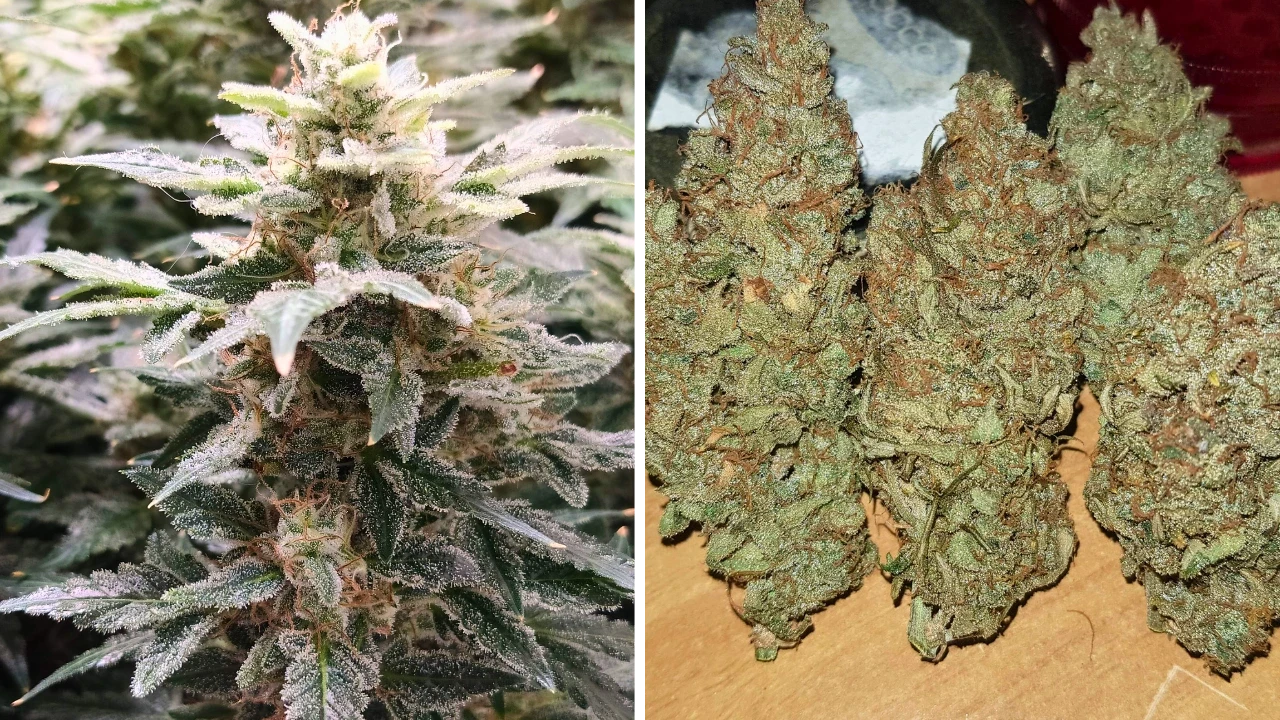
We’ve grown in steamy Delta summers, rugged Ozark hollers, and temperamental indoor rooms across the Mid-South. Arkansas—the "Natural State"—is beautiful, but it’s a battleground for cannabis.
If you’re hunting the best strains to grow in Arkansas, you need genetics that can handle 95 °F heat, shrug off swampy 90% humidity, and finish before the autumn rains turn your colas into mush.
Below, we break down the legality, decode the climate, and share our go-to outdoor and indoor picks that actually finish strong here.
Key Takeaways
The Climate Battle: July and August are the enemies. We prioritize mold-resistant Sativas and fast-finishing Autos.
Legality: Home grow is currently not legal in Arkansas. This guide is for educational purposes and future planning.
The Delta vs. The Ozarks: The South (Delta) needs extreme heat tolerance; the North (Ozarks) needs to watch for early frost.
Genetics Matter: In a "swampy" climate, airflow-friendly bud structures are the difference between a harvest and a heap of mold.
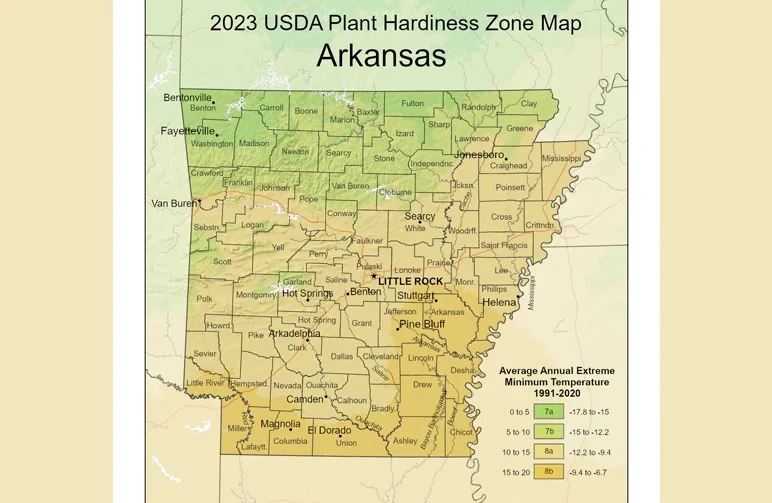
Arkansas USDA Plant Hardiness Zones (2023 Update). Most of the state has shifted slightly warmer, with the Delta (Zones 8a-8b) facing longer, more intense heat cycles than the higher elevations of the Ozarks (Zone 7a-7b). Use this to time your final harvest before the first frost. (Image credit: USDA Agricultural Research Service)
First: Is It Legal to Grow Cannabis in Arkansas?
We have to be straight with you: As of 2026, home cultivation of cannabis remains illegal in Arkansas.
While the state has a robust Medical Marijuana program and licensed dispensaries, patients are not currently permitted to grow their own medicine.
Always check for the latest ballot initiatives or legislative changes before you plan a garden.
We’re growers, not lawyers—this guide is intended for educational use and for those in legal jurisdictions looking for Mid-South climate advice. Stay safe and stay legal.
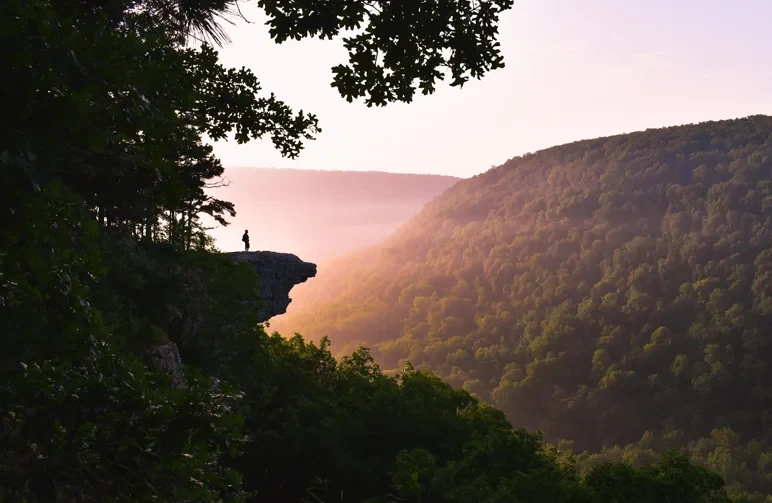
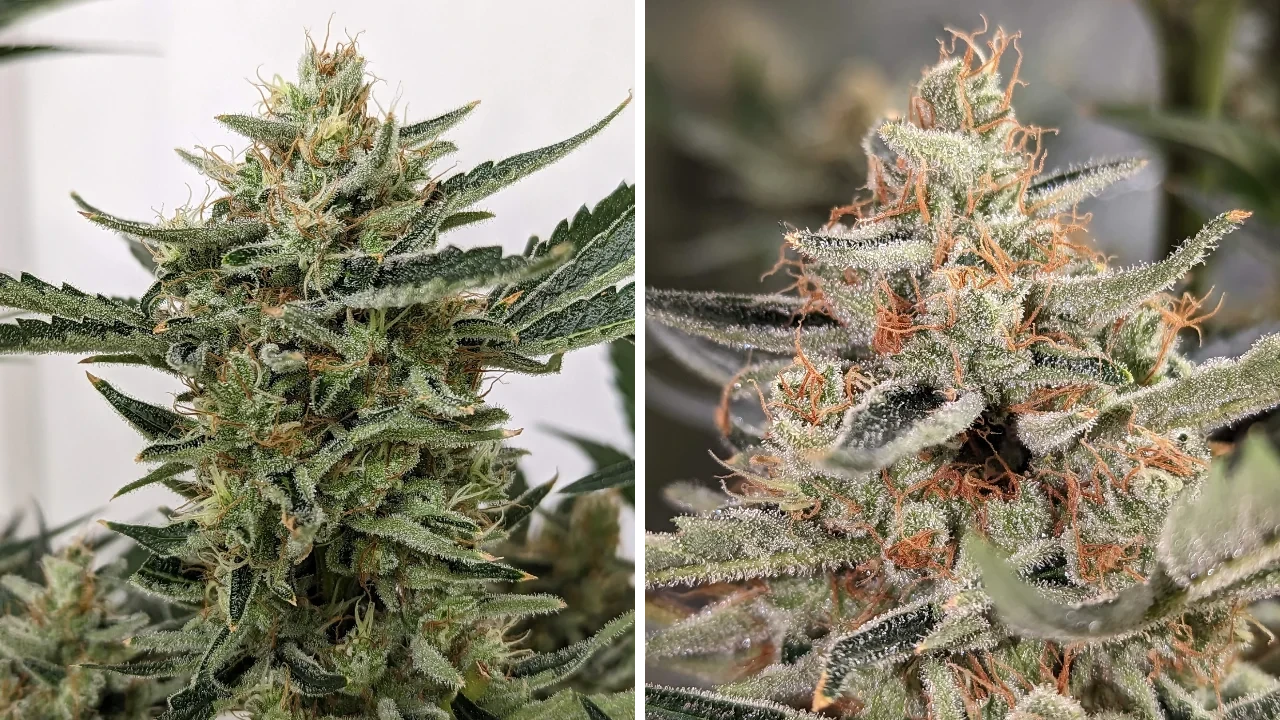
The 'Swamp Effect' in action: Morning fog trapped in an Ozark holler. This beauty comes with 90% humidity, making airflow-friendly genetics a requirement for Arkansas growers. (Photo: u/ObamasLoveChild)
Decoding the Arkansas Climate: The "Swamp" Effect
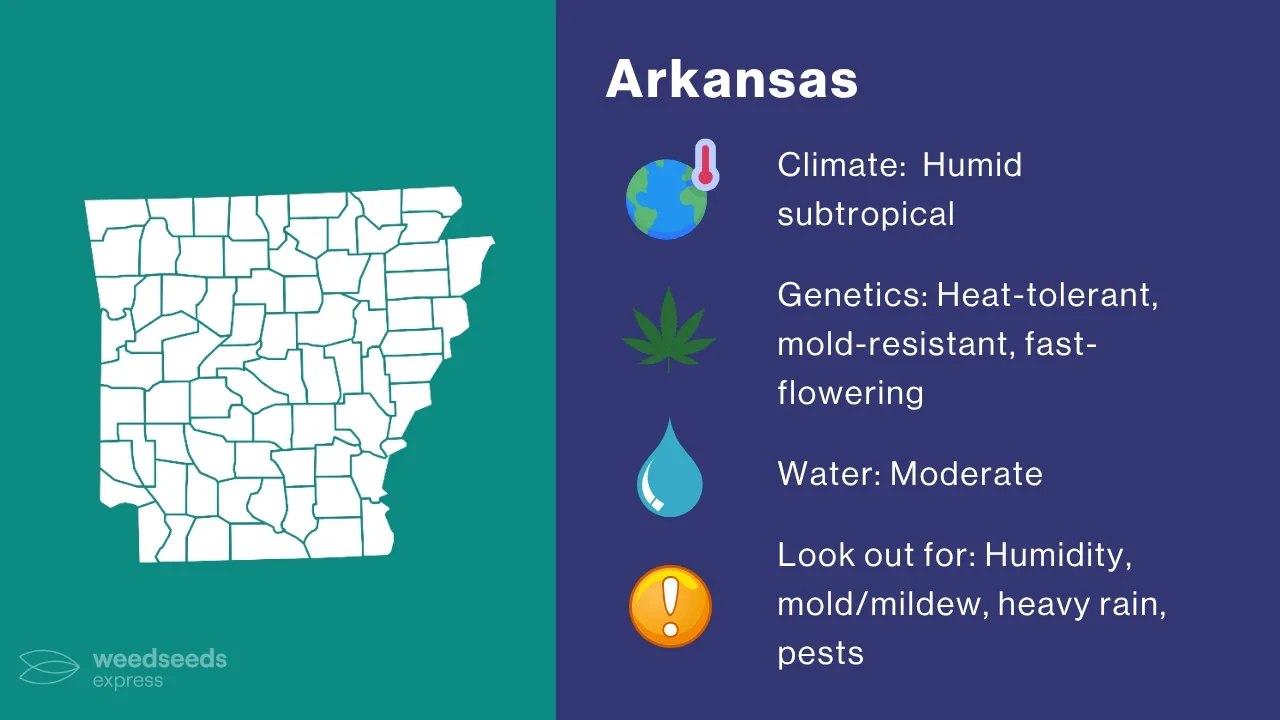
Arkansas spans USDA Zones 7a to 8a. You get a massive growing window (April to October), but the Natural State throws two major curveballs:
The Humidity Battle: Powdery Mildew and Bud Rot
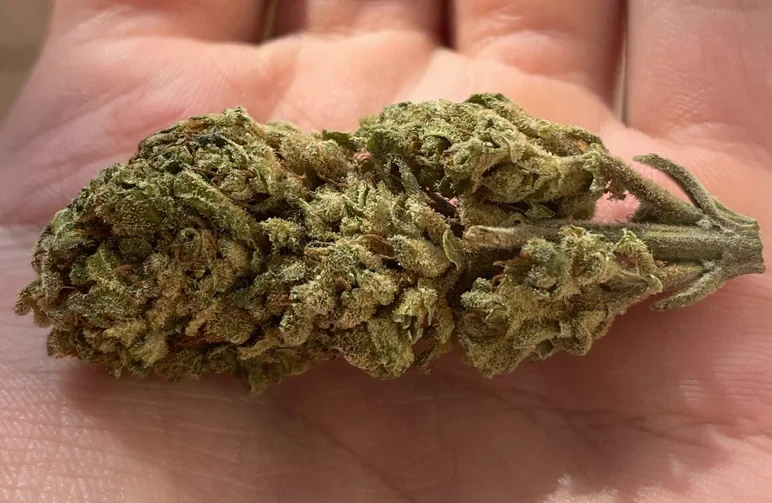
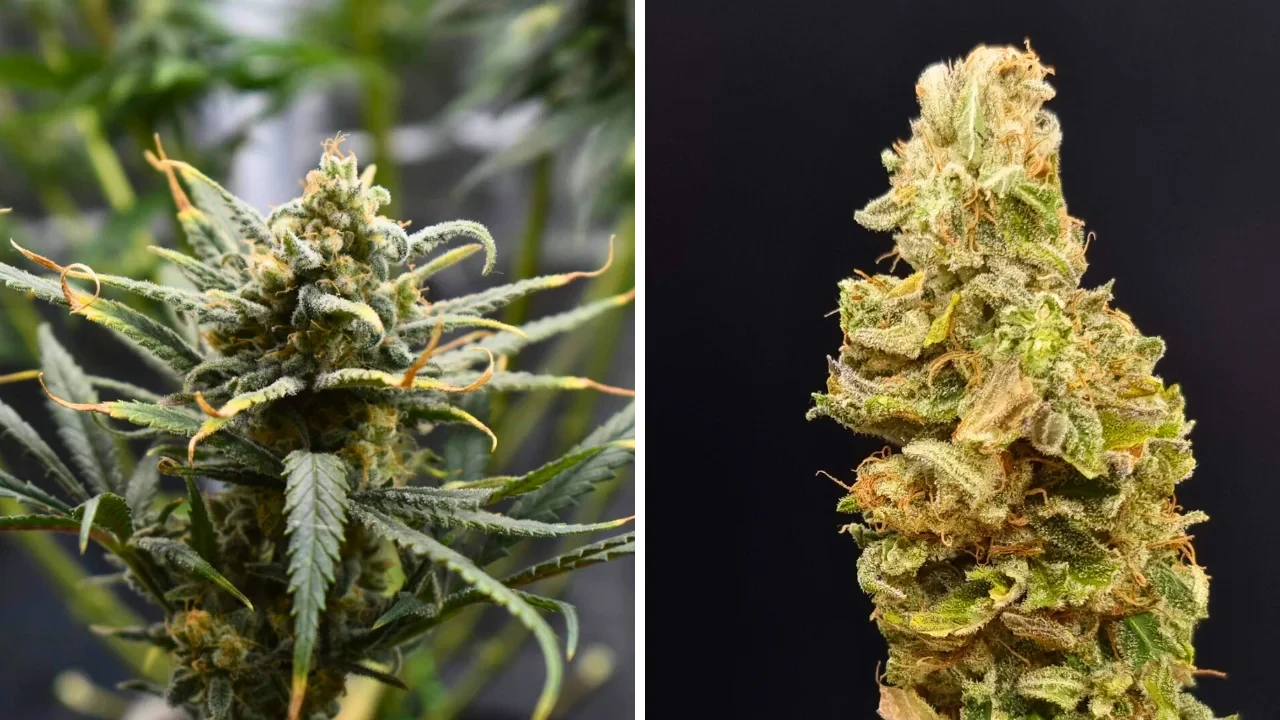
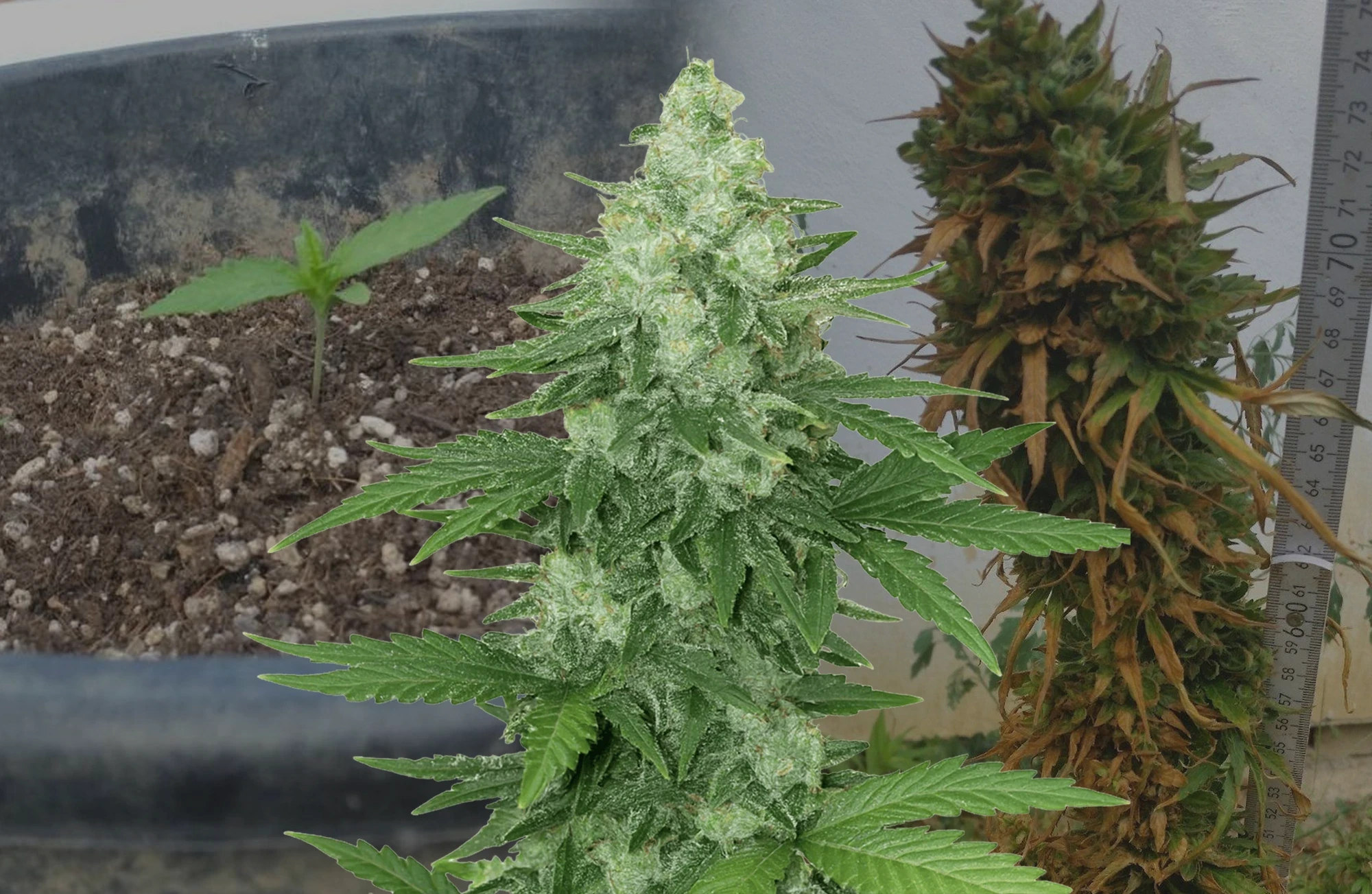
Morphology Matters: Notice the 'foxtailing' and open spaces between the bracts in this flower. While indoor growers often chase rock-hard density, this 'airy' structure is exactly what you want in the Arkansas Delta. It allows the wind to pull moisture out from the center of the bud, acting as a natural defense against Botrytis. (Photo: u/EzyCrams via Reddit)
In August, the air gets so thick you can wear it. High relative humidity (RH) plus dense colas equals trouble. This is a breeding ground for Botrytis (Bud Rot) and Powdery Mildew.
We prioritize genetics with wider node spacing to let the air move.
Soil and Pests: Delta Clay and Southern Bugs
Arkansas soil can be heavy clay. If you plant directly in the ground, you need to amend it with perlite or compost for drainage. Furthermore, southern pests like aphids, spider mites, and armyworms love warm, humid canopies.
A proactive Integrated Pest Management (IPM) routine is mandatory here.
Match Your Genetics to Your Arkansas Micro-Climate
Arkansas isn't a one-size-fits-all state. Your strategy should change depending on whether you’re in the humid lowlands or the rocky highlands.
Region
Primary Challenge
Recommended Strategy
The Ozarks (North)
Cool nights / Early frost
Fast-finishing Indicas (GDP, Master Kush)
The Delta (South/East)
Swamp heat / Extreme humidity
Airy Sativas & Autos (Jack Herer, AK-48)
Central (Little Rock)
Urban heat islands / Pests
Heat-tolerant hybrids (Pineapple Express)
Top 5 Strains for a Successful Outdoor Grow in Arkansas
These picks are all about surviving the "Swamp Effect"—prioritizing mold resistance, heat tolerance, and harvest windows that beat the late-season humidity.
Outdoor Strain
Key Advantage for Arkansas
Typical Harvest
Jack Herer
Open structure, mold-resistant
Late Sept / Early Oct
Master Kush
Extreme heat tolerance (no foxtailing)
Mid-September
Blueberry Auto
Dodges hurricane & rot season
July / August
Pineapple Express
Tropical vigor, handles humidity
Late September
Godfather OG
Resilient, high-potency OG lineage
Late September
1. Jack Herer
Why Arkansas loves it: Jack Herer is a Sativa-dominant legend that feels right at home in the Mid-South. Its most valuable asset for the Arkansas grower is its airy, spear-shaped bud structure.
Unlike dense Indicas that trap moisture, Jack allows the thick Delta air to pass through the flower, significantly reducing the risk of internal bud rot during a humid September.
Type: Feminized photoperiod
Flowering Time: 9–10 Weeks
AR Harvest Window: Late September / Early October
Mold Resistance: High
Grow Tip: Use a trellis to spread the branches wide; maximizing the space between colas is your best defense against the "swamp" humidity.
Best For: Growers in high-humidity areas looking for a massive, rot-resistant harvest.
Why Arkansas loves it: Master Kush is built for the "dog days" of a Southern summer. It is one of the few heavy-hitting Indicas that won’t "foxtail" or heat-stress when the Arkansas sun pushes temps toward the 100°F mark.
Because it finishes earlier than most, you can get your crop dried and cured before the remnants of Gulf hurricanes bring unwanted late-season moisture.
Type: Feminized photoperiod
Flowering Time: 8-10 Weeks
AR Harvest Window: Mid-September
Mold Resistance: High
Grow Tip: If growing in the Delta, amend your soil with perlite to ensure the roots don't suffocate in heavy, wet clay after a summer downpour.
Best For: Beating the autumn rains with a fast, heat-tolerant finish.
Why Arkansas loves it: Blueberry Auto is the ultimate "Hurricane Dodger." By running an autoflower, you can plant in May and harvest in July or August.
This completely removes the "end-of-season stress" by ensuring your jars are already full before the humid, stormy weather of September and October even arrives.
Type: Autoflower feminized
Seed-to-Harvest: 8–9 Weeks
AR Harvest Window: July / August
Mold Resistance: Very High
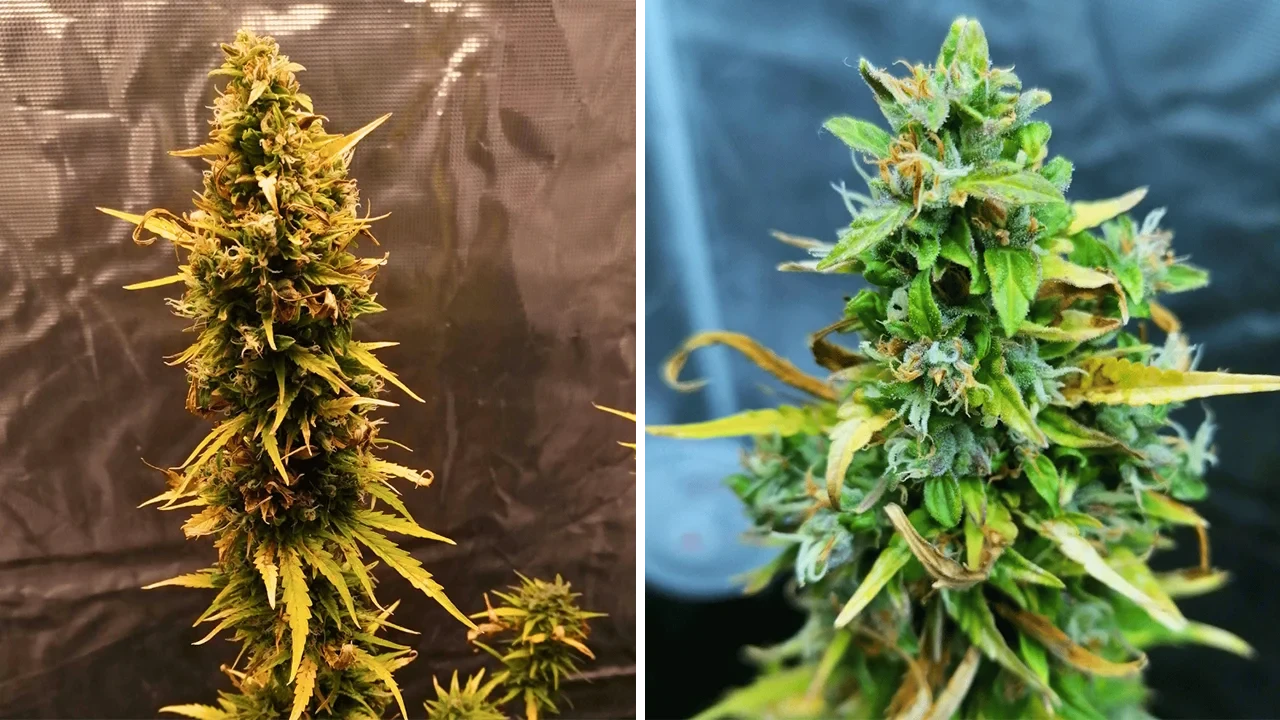
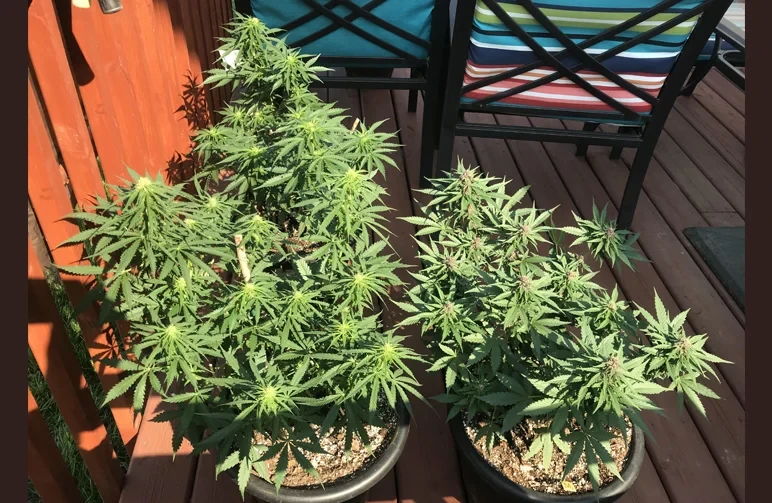
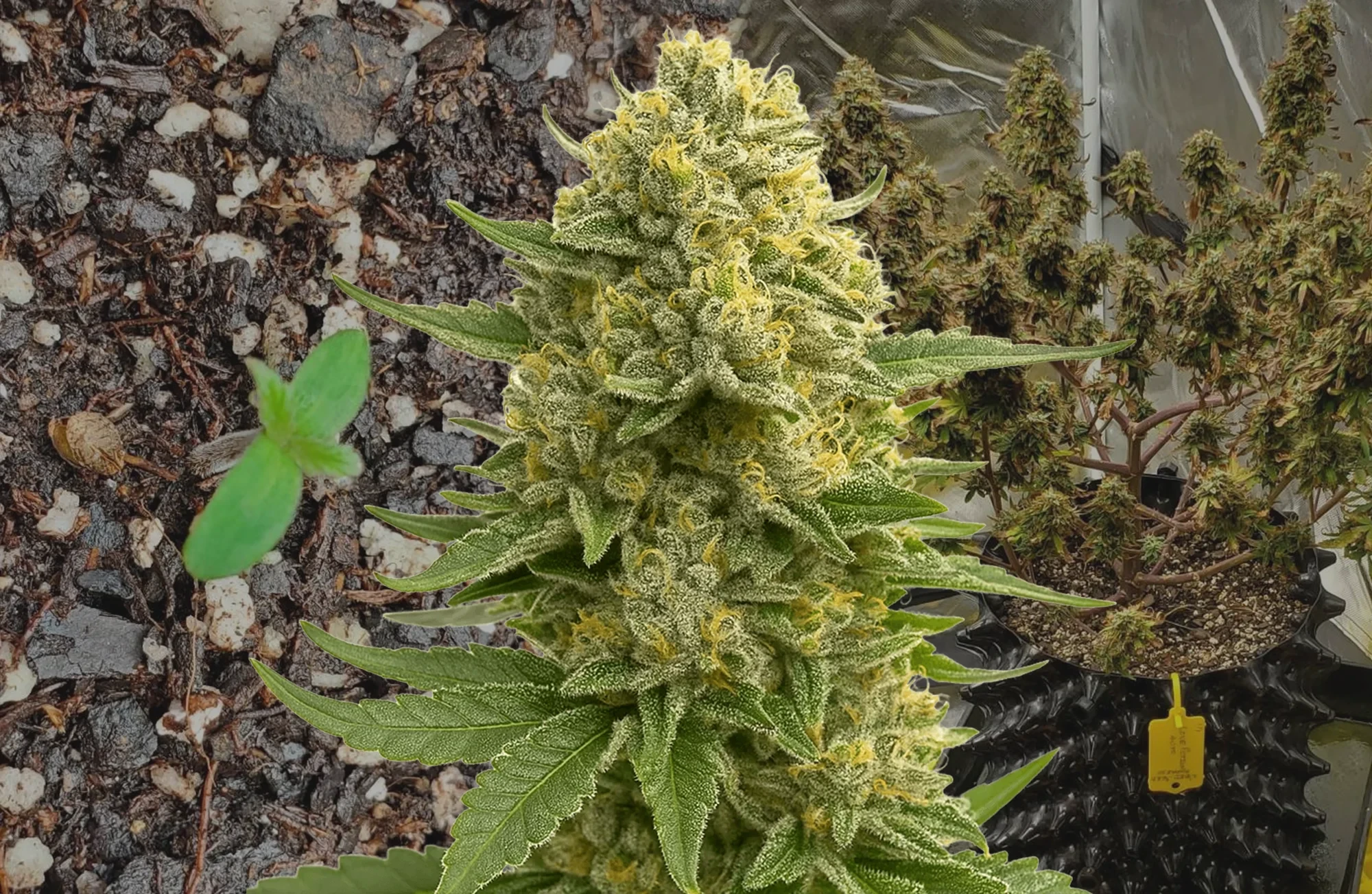
Grow Tip: Plant directly into a large fabric pot (5+ gallons); the breathable fabric helps keep the root zone cool during the peak Arkansas heat. Autoflowers are the ultimate 'Hurricane Dodgers' for the Mid-South. By planting in late spring, these patio-grown beauties can finish their life cycle in the peak of the summer sun, allowing you to harvest and dry your crop before the humid, stormy weather of autumn arrives. (Photo: u/dannycastaway via Reddit)Best For: Discreet patio grows and growers who want to avoid the late-season rot window entirely.
Why Arkansas loves it: This strain brings tropical hybrid vigor to the Natural State.
It features a medium-dense bud structure that strikes a perfect balance: it packs enough weight to be a heavy yielder, but stays open enough to handle Arkansas' humidity.
It’s a hardy grower that stands up well to the intense Southern sun.
Type: Feminized photoperiod
Flowering Time: 8-9 Weeks
AR Harvest Window: Late September
Mold Resistance: Medium-High
Grow Tip: Watch for caterpillars in early September; a proactive spray of BT (Bacillus thuringiensis) will protect these juicy tropical buds.
Best For: Growers looking for a social, upbeat smoke and strong hybrid vigor.
Why Arkansas loves it: For the experienced grower looking for the most potent outdoor flower in the state, Godfather OG is the winner.
While it produces chunky, dense colas, its sheer vigor allows it to handle the temperature swings of the Ozarks or the Central River Valley if the canopy is managed correctly.
Type: Feminized photoperiod
Flowering Time: 7–9 Weeks
AR Harvest Window: Late September
Mold Resistance: Medium
Grow Tip: Practice heavy "lollipopping"—strip the bottom 20% of the plant's growth to force all energy (and airflow) to the top colas.
Best For: Experienced growers chasing maximum potency and top-shelf OG gas.
Top 5 Strains for a High-Yield Indoor Grow in Arkansas
Indoors in Arkansas, your dehumidifier is your best friend. These strains stack hard under LEDs and handle the Mid-South's environmental swings.
1. Gorilla Glue #4 (GG4)
Why we love it: A sticky, resilient workhorse that is arguably the most "idiot-proof" heavy yielder for the Mid-South.
GG4 handles the slight temperature and humidity swings common in Arkansas garage or spare-room grows without flipping out. It stacks thick resin rails and delivers a heavy-hitting coffee-chocolate-gas profile that never disappoints.
Type: Feminized photoperiod
Flowering Time: 8–9 Weeks
Yield Potential: Up to 2 oz/sq. ft
Grow Tip: Use a ScrOG (Screen of Green) setup to manage its vigorous stretch and ensure light reaches the lower nodes.
Best For: Newer growers wanting top-shelf resin and maximum potency.
Why we love it: Wedding Cake is all about dessert-tier potency and dense, sugar-coated buds. It thrives in climate-controlled indoor rooms where you can keep the final weeks of flower at a crisp 45% humidity.
The result is a rock-hard nug with a creamy vanilla-pepper terpene profile that fetches top-shelf status every time.
Type: Feminized photoperiod
Flowering Time: 8-9 Weeks
Yield Potential: Up to 1.6 oz/sq. ft
Grow Tip: Keep calcium and magnesium steady to avoid tip burn when pushing high-intensity LED lighting.
Best For: Connoisseurs chasing elite flavor and sky-high THC levels.
Why we love it: An iconic Indica that brings unmatched purple bag appeal and a sedative body stone.
GDP is a moderate feeder that stays manageable in height, making it the perfect choice for Arkansas growers working with limited vertical space or two-tier shelving units. The grape and berry aroma is classic and unmistakable.
Type: Feminized photoperiod
Flowering Time: 9–10 Weeks
Yield Potential: Up to 1.6 oz/sq. ft
Grow Tip: Drop your night-cycle temperatures by 10°F in the final two weeks to intensify the deep purple coloration.
Best For: Growers looking for deep relaxation and a beautiful, colorful harvest.
Why we love it: Biscotti is a boutique-tier strain that combines loud gas with sweet cookie dough terps. It is explosive under high-performance lighting and thrives in CO2-enriched rooms.
While it demands strict airflow discipline, it rewards the effort with some of the densest, most resin-dripping nugs in the game.
Type: Feminized photoperiod
Flowering Time: 8–9 Weeks
Yield Potential: Up to 1.8 oz/sq. ft
Grow Tip: Practice heavy defoliation around week 3 of flower to ensure the internal canopy doesn't trap humidity.
Best For: Experienced growers looking to produce the highest quality "craft" cannabis.
Why we love it: The perfect "closet" plant for high-turnover setups. AK-48 Auto is incredibly fast, moving from seed to jar in as little as 70 days. It features a spicy-citrus profile and a hard-hitting effect.
It’s ideal for Arkansas growers who want a continuous, low-stress pipeline without managing light-cycle changes.
Type: Autoflower feminized
Seed-to-Harvest: 9–10 Weeks
Yield Potential: Up to 2.5 oz/sq. ft
Grow Tip: Run a staggered start—germinate a new seed every 3 weeks to maintain a perpetual, year-round harvest.
Best For: Fast turnarounds, small spaces, and perpetual harvest setups.
Morning Sun is King: Position your plants to get the first rays of the morning sun. This dries the overnight dew off the buds as quickly as possible, preventing mold.
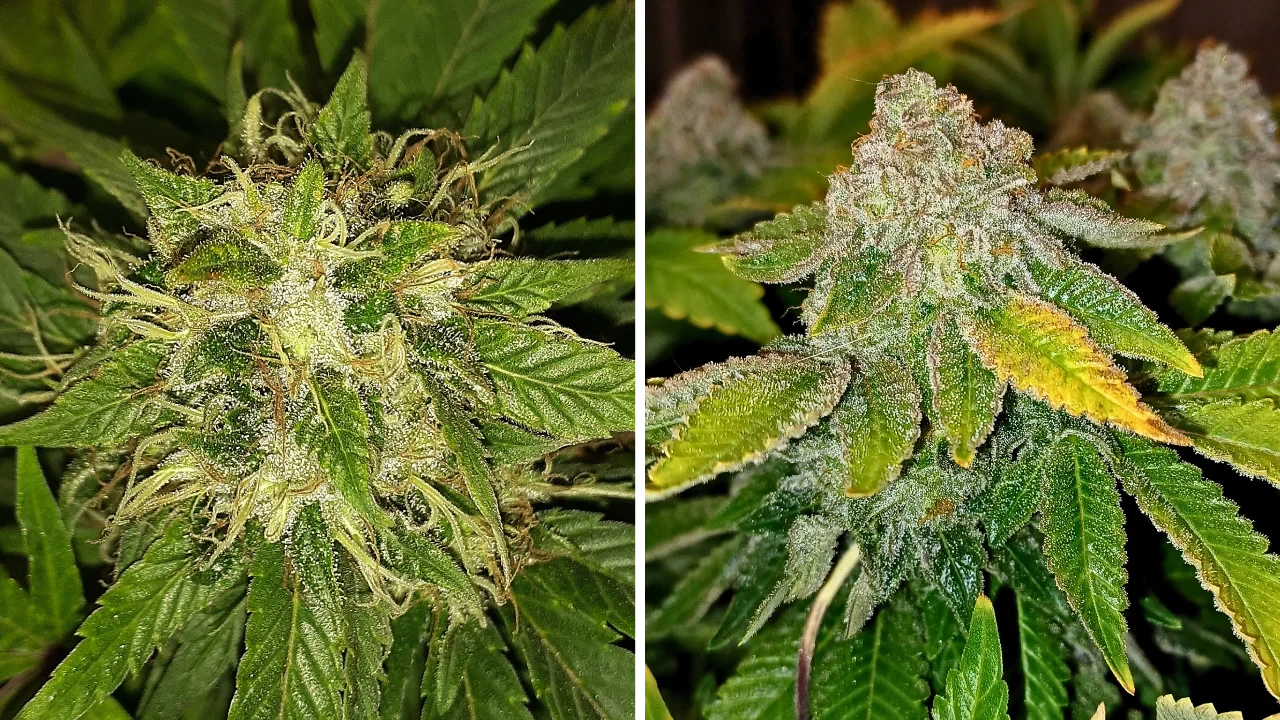
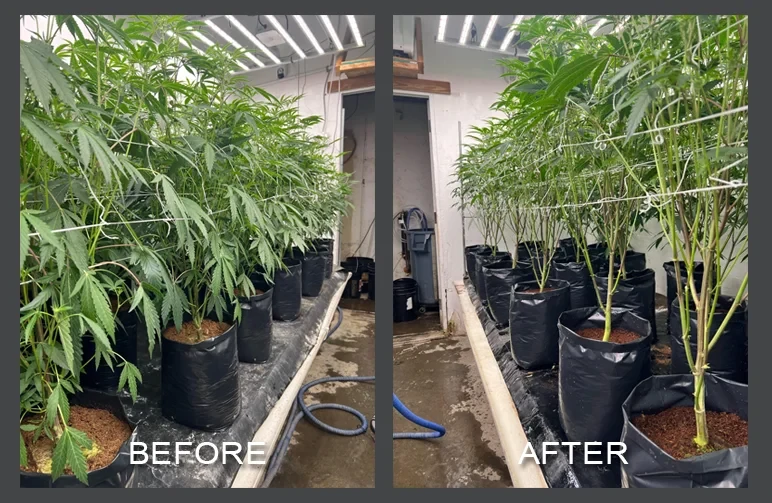
The "Lollipop" Technique: Strip the bottom 20% of the foliage early in flower. This forces airflow up through the canopy and keeps soil-borne mildew away from your colas.
A masterclass in Lollipopping: The 'Before' shows a congested understory that traps humidity; the 'After' shows a clean canopy that allows for maximum airflow. In the Mid-South, this technique is your best defense against soil-borne pathogens and powdery mildew. (Photo: u/h1gh3r420 via Reddit)
Raised Beds: If you have Delta clay, use raised beds or fabric pots. Don't let your roots suffocate in waterlogged soil.
For the Indoor Grower: Taming the Delta Dew Point
Night Cycles: Run your lights at night (e.g., 8 PM to 8 AM). It’s easier and cheaper to cool your room when the Arkansas sun isn't beating down on your roof.
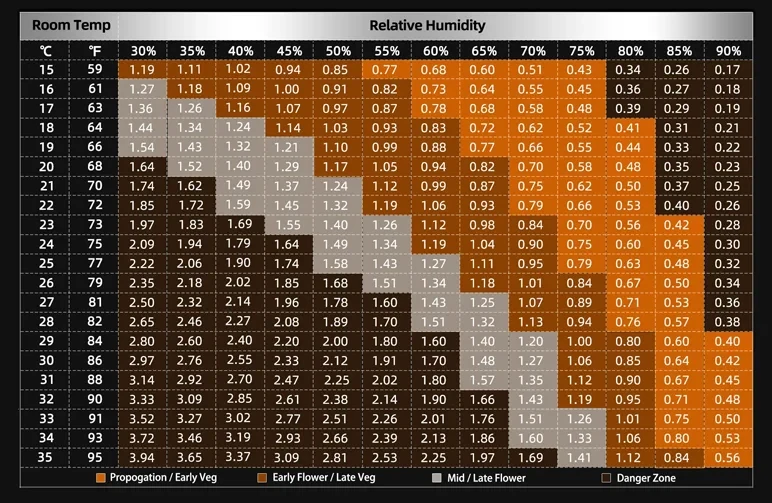
VPD Control: Track your Vapor Pressure Deficit (VPD), not just your humidity. In a humid state, a high-grade dehumidifier is more important than your grow light.
Mastering the Arkansas 'Dew Point': Indoors, it’s not just about humidity—it’s about the balance between temperature and moisture. Use this VPD (Vapor Pressure Deficit) chart to ensure your plants are transpiring correctly. Aim for the 'Mid/Late Flower' grey zone to keep your harvest rot-free. (Image credit: Spider-Farmer.com)
Strong Airflow: Use mixed-direction fans. Stagnant air in an indoor room in Arkansas is a death sentence for a flowering plant.
Final Thoughts
The best strains to grow in Arkansas are warriors. They have to fight heat, moisture, and pests. If you’re just starting, stick to Blueberry Auto for an easy win or Jack Herer for a massive outdoor haul that won't rot.
The Natural State's sun is some of the best in the country—you just have to respect the humidity. When it’s legal to plant, we'll be here with the genetics to make it happen. Grab your seeds at WeedSeedsExpress for tested genetics and real grower support.
Frequently Asked Questions
Is it legal to grow cannabis at home in Arkansas?
No. As of 2026, home cultivation is prohibited. Licensed medical patients must purchase from state-licensed dispensaries.
What is the best mold-resistant strain for Arkansas?
Jack Herer and AK-48 are top-tier choices due to their airy bud structures and natural resilience to "swampy" air.
When should I plant outdoors in Arkansas?
The "safe" window is after the last frost, which is typically mid-to-late April.
Are autoflowers a good choice for the Arkansas heat?
Absolutely. They allow you to harvest in the peak of summer, avoiding the high-risk mold season of late September and October.
Can I grow in the Delta clay soil?
It’s tough without help. We recommend using large fabric pots (20+ gallons) or heavily amending the clay with perlite, coco, and compost to improve drainage.