

Hunting the best strains to grow in California? You're in the right greenhouse. In the Golden State, we don’t just grow cannabis; we set the global standard.
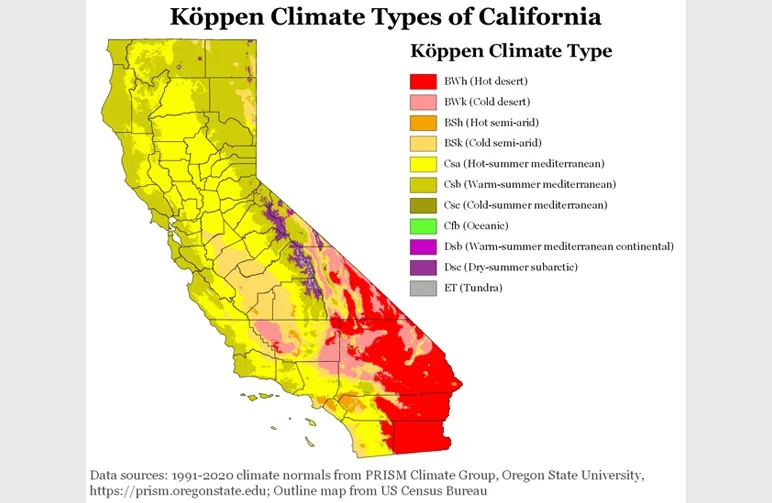
But California is a microclimate buffet—from the salt-mist of the Emerald Triangle to the 110°F heat of the Central Valley, your success depends on matching genetics to your specific zip code.
Below, we break down the legal guardrails, decode California’s distinct climate zones, and share the 10 best strains to ensure your jars are heavy, frosty, and "Top Shelf" by harvest time.
Key Takeaways
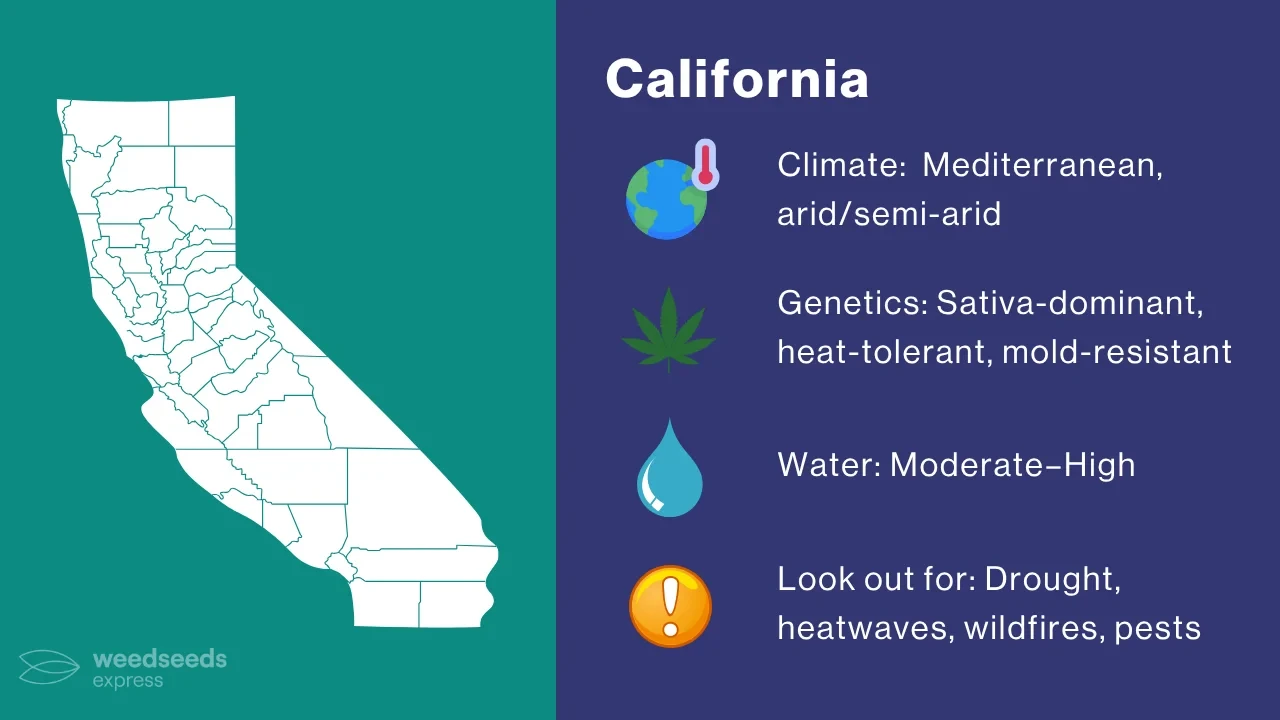
- Know Your Zone: NorCal needs mold resistance; the Central Valley needs heat-shrugging vigor; SoCal needs drought-tolerant resilience.
- The Law: Adults 21+ can grow up to 6 plants per household. Check local city ordinances for specific indoor vs. outdoor restrictions.
- Genetics Matter: In California's competitive market, bag appeal and terpene density are everything.
- The Harvest Window: October is "Croptober." Plan your finish before the late-season Santa Ana winds or northern rains arrive.
California Microclimate Match Table
| Region | Primary Challenge | Best Strain Feature | Top Recommendation |
| NorCal / Coastal | Fog & Powdery Mildew | Mold Resistance / Fast Finish | Jack Herer |
| Central Valley | Intense Heat & UV | Heat Tolerance / Strong Roots | Bruce Banner |
| SoCal / Desert | Drought & Santa Ana Winds | Sativa Leaning / Resilience | Green Crack |
First: Is It Legal to Grow Cannabis in California?
Short answer: Yes. Under Prop 64, adults 21+ can grow up to 6 plants per primary residence for personal use.
The Fine Print:
- Per Household, Not Per Person: Even if four adults live in one house, the legal limit remains 6 plants.
- Visibility: Your grow must be secured and not visible to the public.
- Local Nuance: While state law allows it, some cities (like Fresno or parts of Orange County) have specific bans on outdoor growing. Always check your local borough’s code before you germinate.
Decoding the California Climate: Fog, Sun, and Heat
Northern California & The Emerald Triangle (Misty & Lush)
In the North, Botrytis (bud rot) and powdery mildew are the enemies. Cool, wet mornings mean you need airy bud structures and silica-boosted stems.
We favor mold-resistant, early-finishing classics that can beat the heavy October rains.
The Central Valley (High Heat & Intense UV)
It’s an oven out here. When temperatures hit 105°F, plant transpiration can stall. You need heat-tolerant beasts with deep root systems.
Pro-Tip: Use 30% shade cloth in July and August to prevent terpene "burn off" and light bleaching from intense UV rays.
Southern California (Arid & Mediterranean)
SoCal offers the longest growing season in the US. The challenge here is the dry air and "Santa Ana" wind events that can snap branches late in flower. Focus on drought-leaning Sativas and ensure your trellising is rock-solid.
Top 5 Strains for a Successful Outdoor Grow in California
These picks are tailored to California’s diverse micro-climates, focusing on intense UV tolerance for the inland valleys and high mold resistance for the coastal "June Gloom" fog.
| Outdoor Strain | Key Advantage for California | Typical Harvest |
| Green Crack | Bypasses fire and rain season | Mid-September |
| Granddaddy Purple | Thrives in heat & cool valley nights | Early October |
| Jack Herer | High mold resistance for coastal fog | Late Sept / Early Oct |
| Bruce Banner | High UV resilience; huge outdoor vigor | Early October |
| Sunset Sherbet | Naturally adapted to coastal humidity | Late September |
1. Green Crack
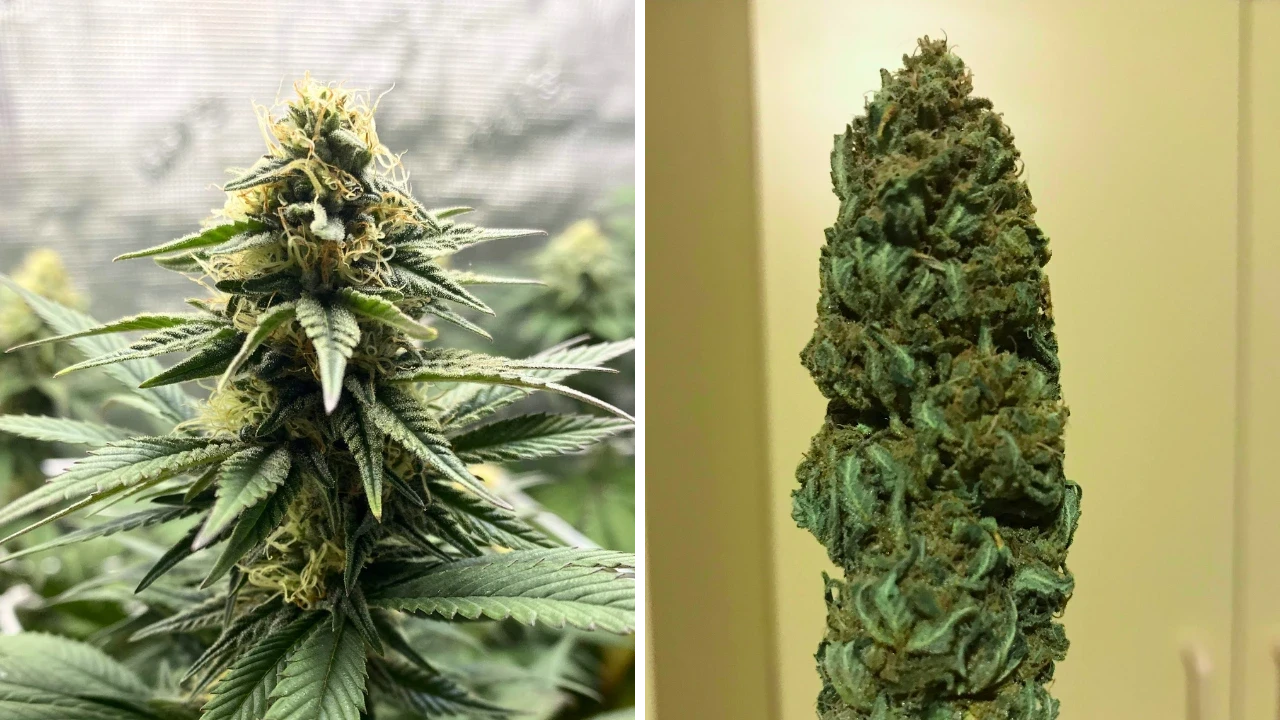
Why California loves it: Green Crack is essentially a solar panel with roots. It uses the intense California sun to fuel explosive vertical growth and is famous for its "Sun-Seeker" vigor.
Because it finishes so fast (mid-September), it allows NorCal growers to harvest before the heavy autumn rains and SoCal growers to beat the peak of the wildfire/ash season.
- Type: Sativa-dominant Hybrid
- Flowering Time: 8–9 Weeks
- California Harvest Window: Mid-September
- Heat Resistance: Very High
- Grow Tip: Top early and use Low-Stress Training (LST) to manage its height, otherwise, it will easily peek over your 6-foot privacy fence.
- Best For: Growers who want a massive, high-energy harvest as quickly as possible.
Looking to grow this strain? Buy Green Crack Seeds from WeedSeedsExpress
2. Granddaddy Purple (GDP)
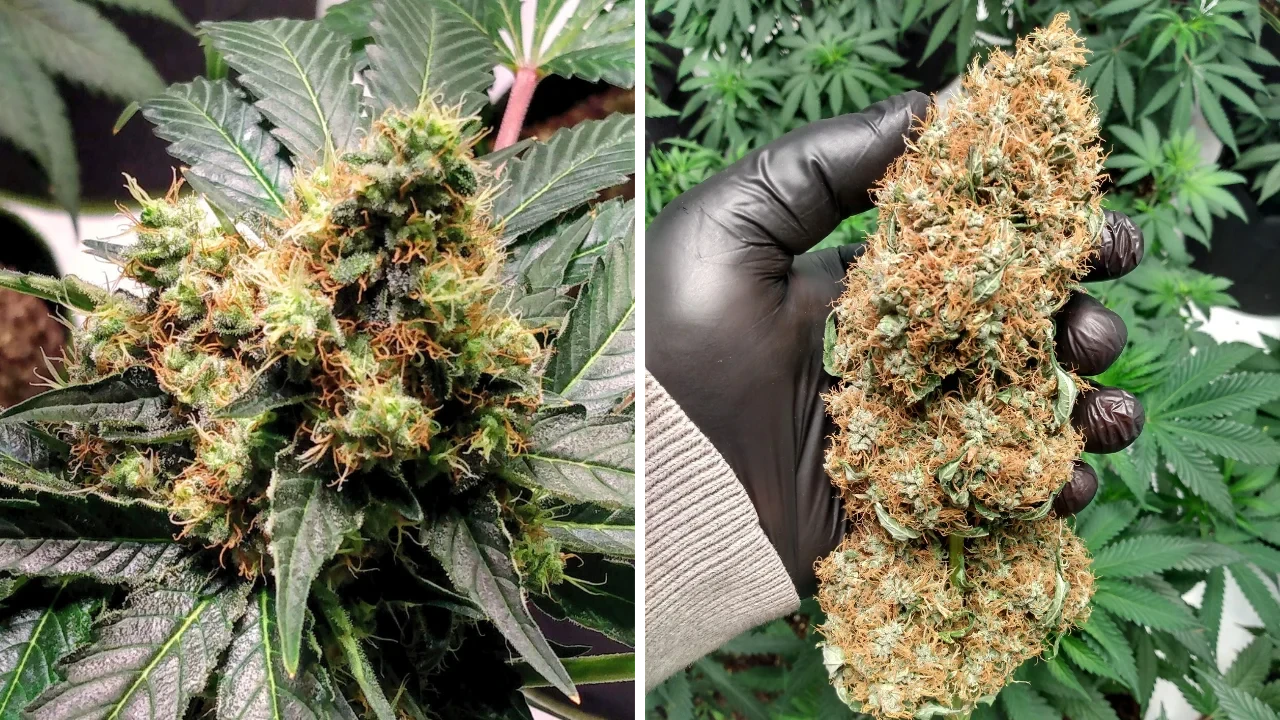
Why California loves it: A true Bay Area legend. GDP thrives in the warm days and cool nights of the California valleys.
It is remarkably heat-resilient and uses the temperature drops of late September to intensify its stunning deep purple coloration. It is the gold standard for "shelf appeal" in a legal backyard grow.
- Type: Indica
- Flowering Time: 9–10 Weeks
- California Harvest Window: Early October
- Drought Tolerance: High
- Grow Tip: If you are in a foggy coastal zone, defoliate the center of the plant in August to ensure light and air reach the inner stems
- Best For: Valley growers chasing that iconic purple aesthetic and a heavy body stone.
Looking for this strain? Buy Granddaddy Purple Seeds from WeedSeedsExpress
3. Jack Herer
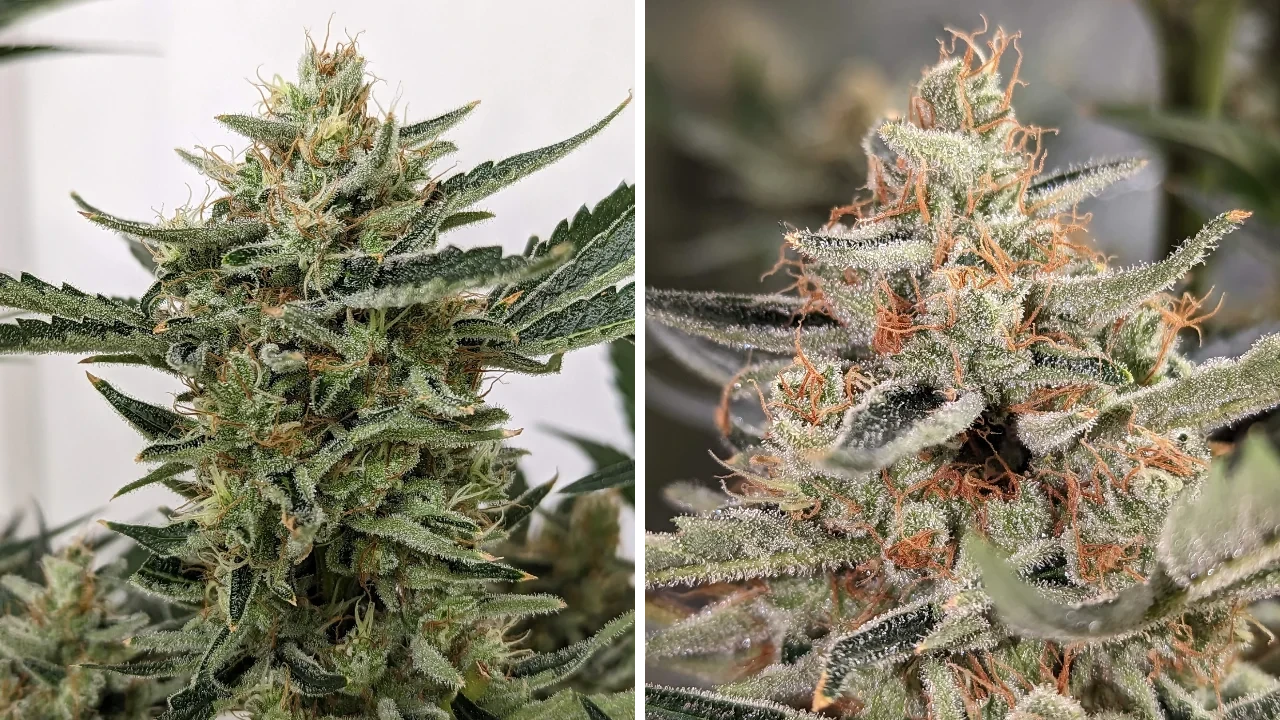
Why California loves it: The "Emerald Triangle Workhorse." Jack’s open, lanky bud structure is its best defensive feature. It allows the coastal "June Gloom" fog to pass through the plant rather than getting trapped in dense pockets.
It rewards the long California season with massive, spicy-pine colas.
- Type: Sativa
- Flowering Time: 8–10 Weeks
- California Harvest Window: Late September / Early October
- Mold Resistance: Very High
- Grow Tip: This plant needs "leg room." If growing in a pot, use at least a 15-gallon container to allow its massive root system to support the heavy yield.
- Best For: Coastal NorCal growers who need high mold resistance and world-class sativa effects.
Want to grow this strain? Buy Jack Herer Seeds from WeedSeedsExpress
4. Bruce Banner
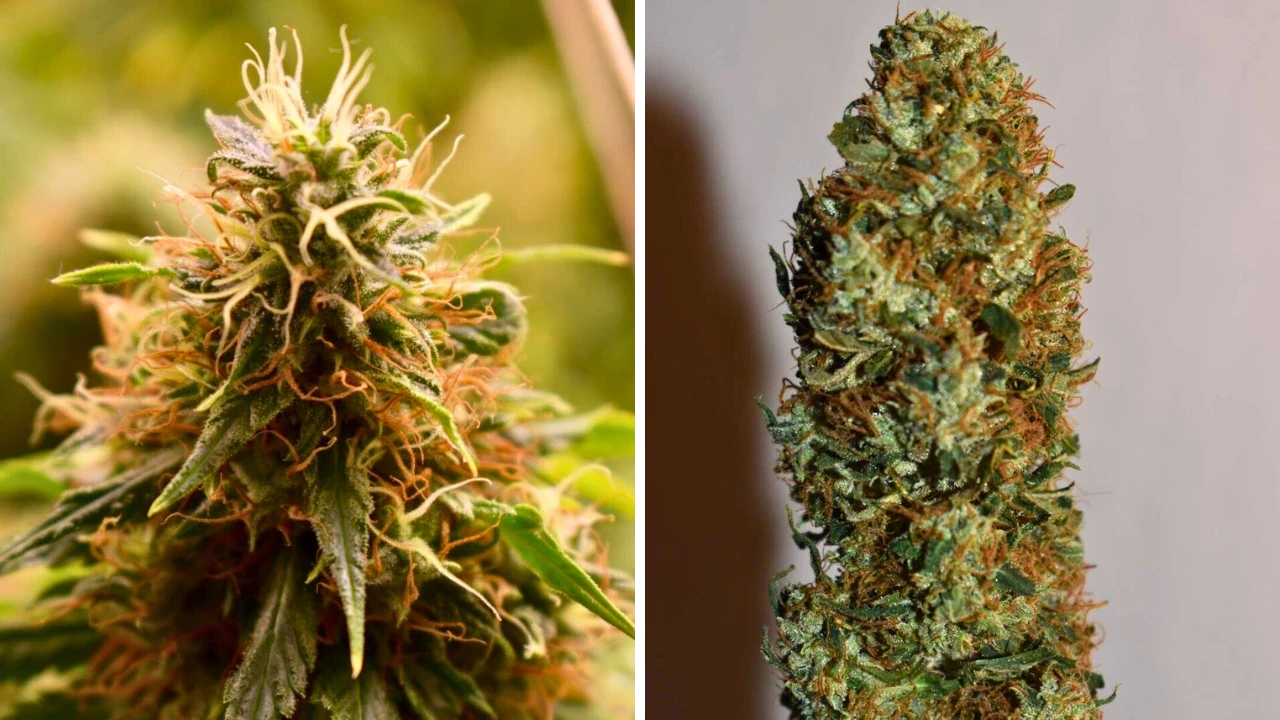
Why California loves it: Some strains "bleach" or stop growing when the Santa Ana winds hit 100°F. Bruce Banner treats that heat like a workout, converting the intense UV into a thick coat of resin.
It is a high-potency "Green Monster" that produces massive, sticky colas even in the harshest inland environments.
- Type: Hybrid
- Flowering Time: 8–9 Weeks
- California Harvest Window: Early October
- UV Resilience: Very High
- Grow Tip: This is a "hungry" strain. In the intense SoCal sun, its metabolism is fast; keep up with a steady organic feeding schedule to avoid yellowing leaves.
- Best For: Inland Empire and Central Valley growers who need a heat-proof heavyweight.
Want to try this strain? Buy Bruce Banner Seeds from WeedSeedsExpress
5. Sunset Sherbet
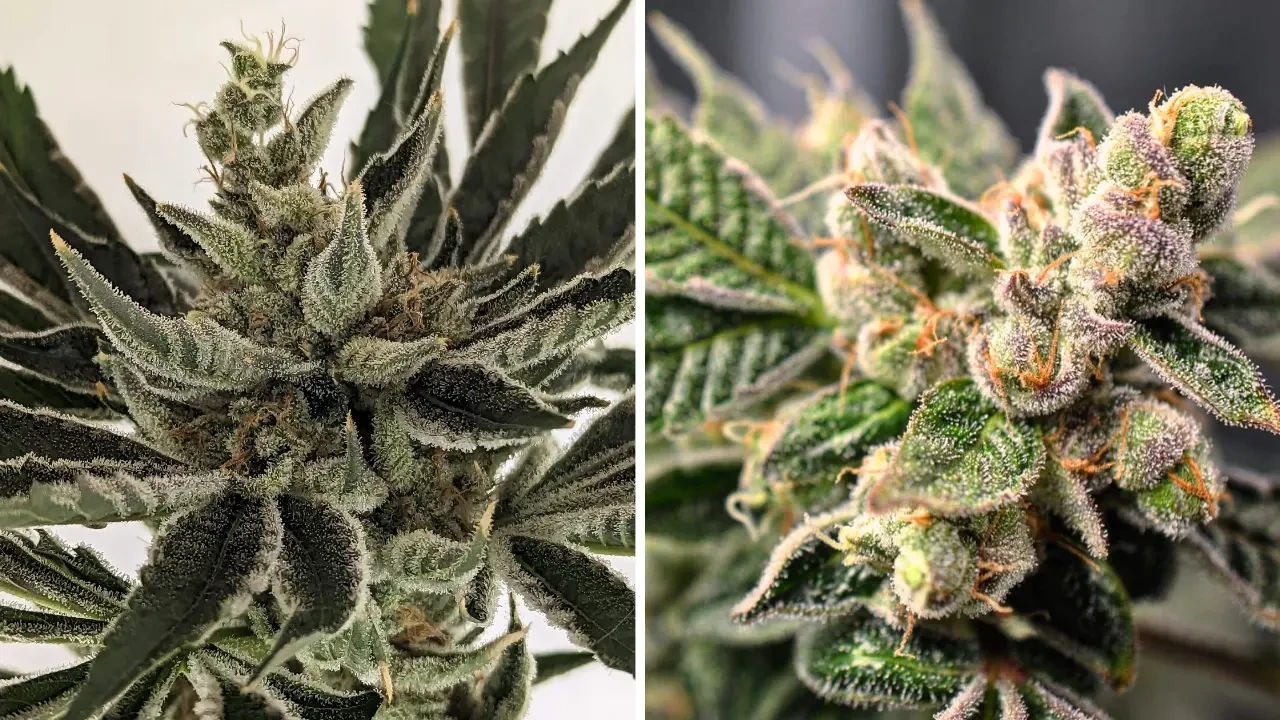
Why California loves it: Bred in the SF Bay Area, it is genetically hardwired for coastal humidity swings. It is a "no-fuss" plant that handles the damp morning air of the coast better than almost any other exotic hybrid.
It stays manageable and stocky, making it easy to hide in a suburban backyard.
Type: Indica-dominant Photoperiod
- Flowering Time: 7–8 Weeks
- California Harvest Window: Late September
- Coastal Fog Resistance: High
- Grow Tip: Use a 3-inch layer of mulch at the base to keep the soil moist during dry offshore wind events.
- Best For: Connoisseurs on the Central Coast who want boutique flavor without the stress of bud rot.
Try this strain! Buy Sunset Sherbet Seeds from WeedSeedsExpress
Top 5 High-Yield Indoor Strains for California
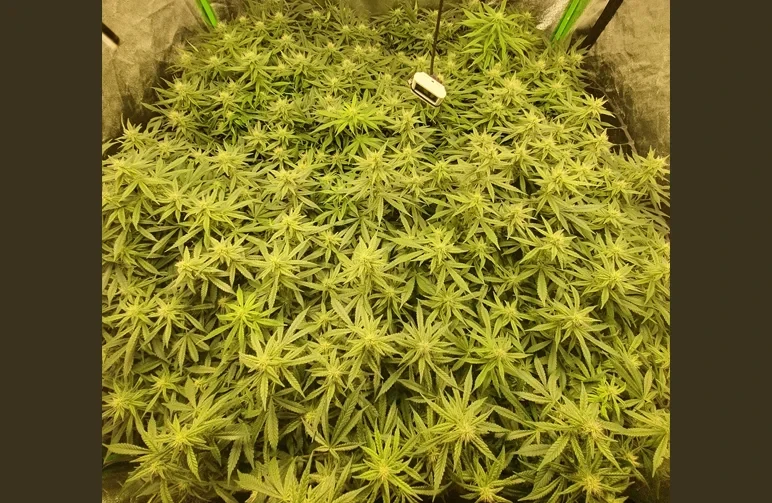
1. Wedding Cake
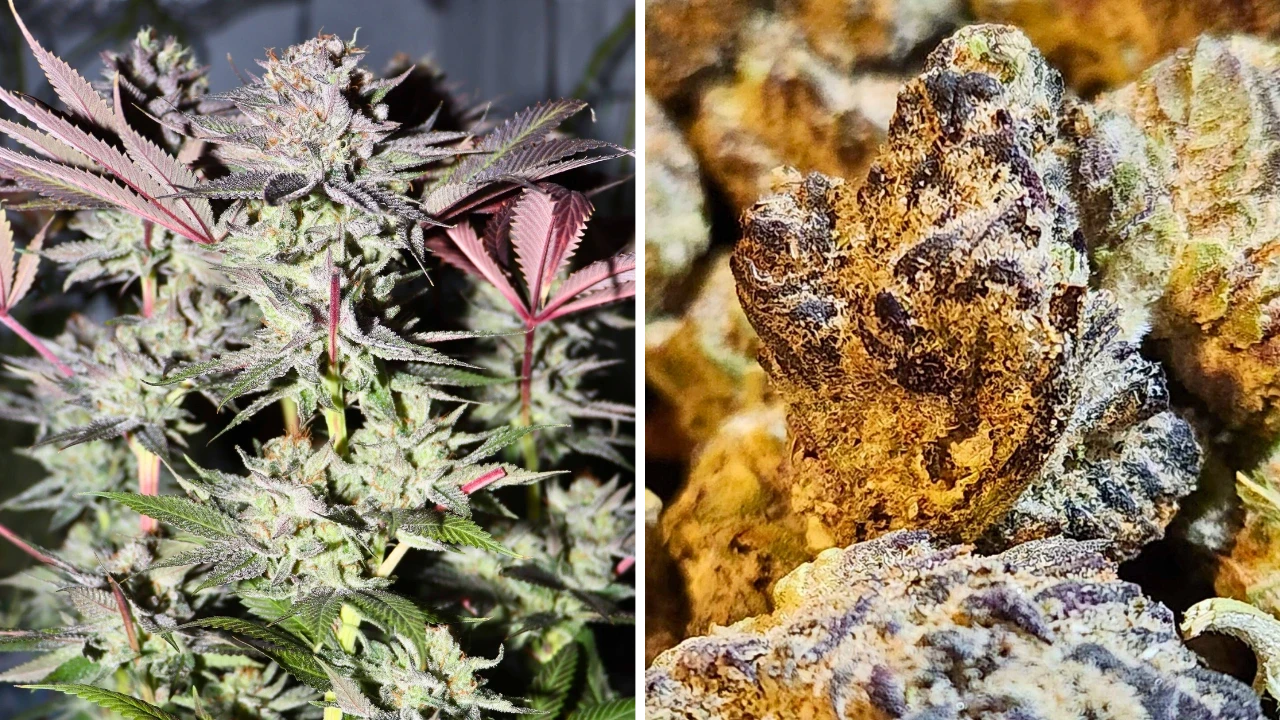
Why we love it: The "Indoor Queen" of the West Coast. Wedding Cake produces the frosty, dense, purple-tinted nuggets required to compete with top-shelf dispensaries.
It is incredibly responsive to SCROG training, allowing you to turn 2 or 3 plants into a massive, uniform canopy of trichome-heavy colas.
- Type: Indica-dominant Photoperiod
- Flowering Time: 8–9 Weeks
- Indoor Yield: Up to 1.6 oz/sq. ft
- Potency: Extreme (23%+ THC)
- Grow Tip: Keep your late-flower humidity (RH) at 40–45% to ensure the massive buds stay crisp and mold-free.
- Best For: Growers maximizing their 6-plant limit for the highest possible "bag appeal."
Grow this strain! Buy Wedding Cake Seeds from WeedSeedsExpress
2. Gelato
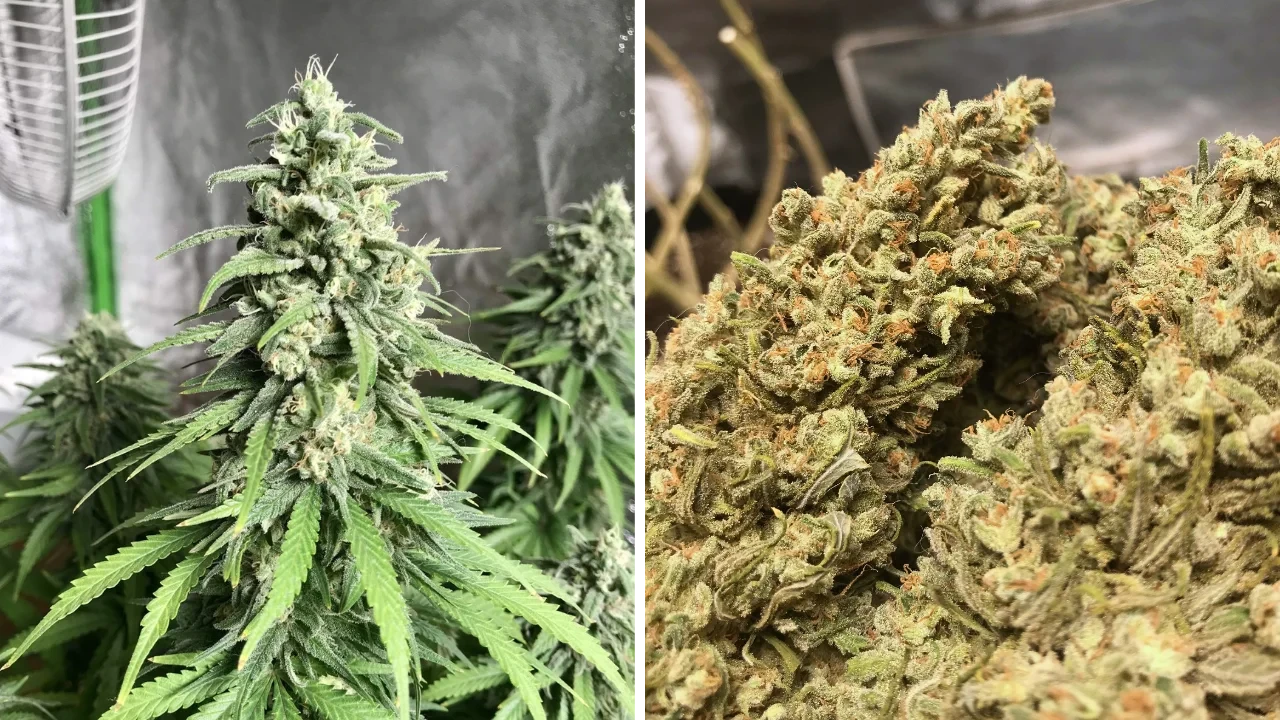
Why we love it: Gelato stays compact and manageable, which is a huge advantage for indoor grows in high-rent urban areas where vertical space is tight.
It produces dessert-tier terpenes and "rock-hard" resin production that is consistently reliable harvest after harvest.
- Type: Hybrid
- Flowering Time: 8–10 Weeks
- Structure: Compact and bushy
- Aroma Profile: Sweet, citrus, and doughy
- Grow Tip: Drop your "lights-off" temperatures by 10°F in the final two weeks of flower to coax out the deep purple hues.
- Best For: Small tents or urban closet grows where space is at a premium.
Need an idea which strain to try? Buy Gelato Seeds from WeedSeedsExpress
3. Gorilla Glue 4 (GG4)
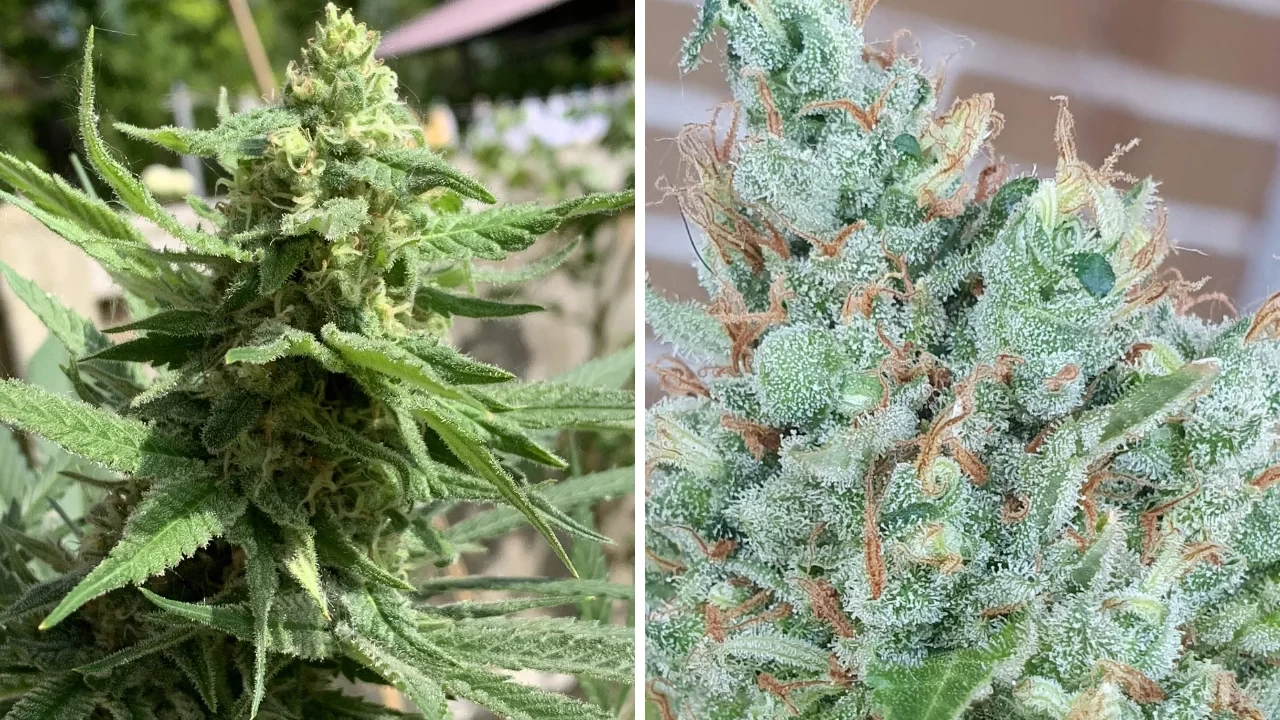
Why we love it: The ultimate "Yield Insurance." GG4 is famously forgiving, making it the best commercial-grade pick for novices and pros alike.
It fills up a canopy faster than almost any other strain and delivers heavy, gassy, sedative results that are always in demand.
- Type: Hybrid
- Flowering Time: 8–9 Weeks
- Indoor Yield: Up to 2 oz/sq. ft
- Resin Production: Extreme
- Grow Tip: This strain is "sticky" for a reason—ensure you have heavy-duty carbon filters, as the odor will penetrate walls during late bloom.
- Best For: Growers who want the largest possible weight without a complicated feeding schedule.
Want a good strain? Buy Gorilla Glue #4 Seeds from WeedSeedsExpress
4. Do-Si-Dos
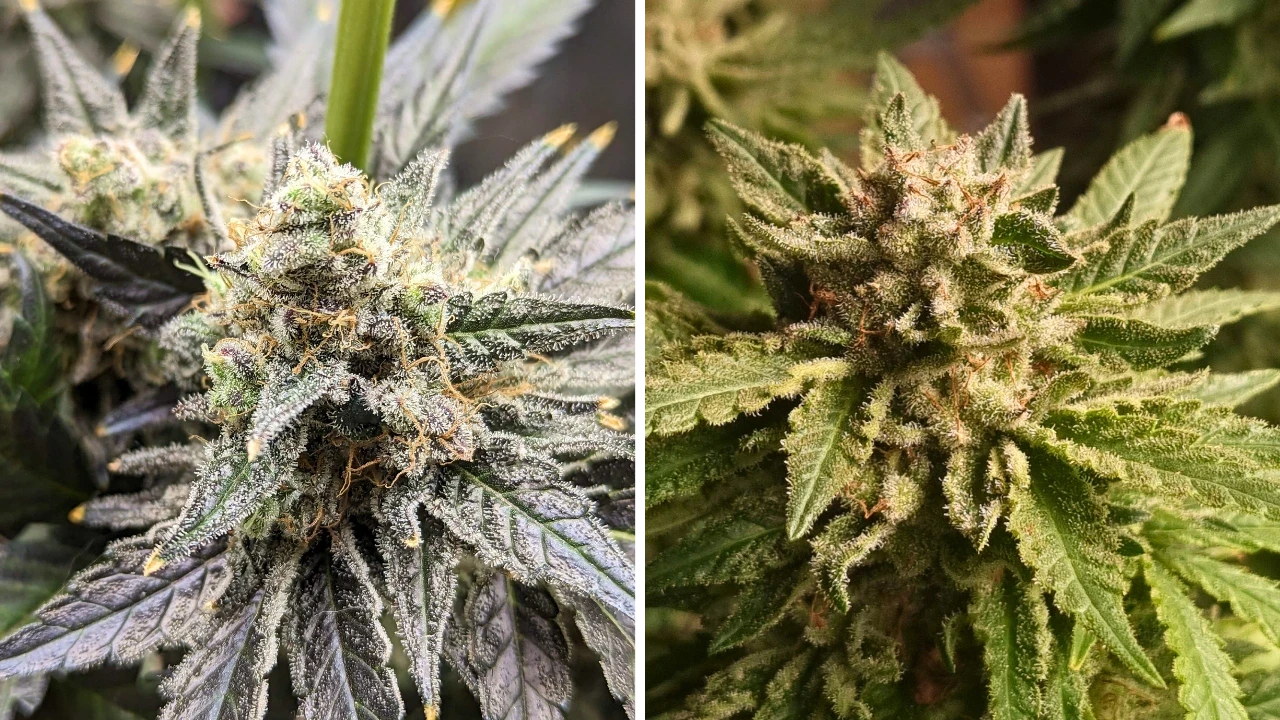
Why we love it: Boutique and beefy. Do-Si-Dos is a sticky, compact hybrid that crowns beautifully under high-intensity LEDs.
It produces a professional, uniform canopy and is incredibly stable, making it a "set it and forget it" choice for a high-quality home grow.
- Type: Indica-dominant Hybrid
- Flowering Time: 8–10 Weeks
- Density: Very High
- Effect: Relaxing and euphoric
- Grow Tip: Use "Lollipop" pruning (removing the bottom 1/3 of the plant) to force all the energy into the top main colas.
- Best For: Indoor connoisseurs who want dispensary-grade quality in a sturdy, low-maintenance frame.
Looking for a strain to grow? Buy Do-Si-Dos Seeds from WeedSeedsExpress
5. Pineapple Express
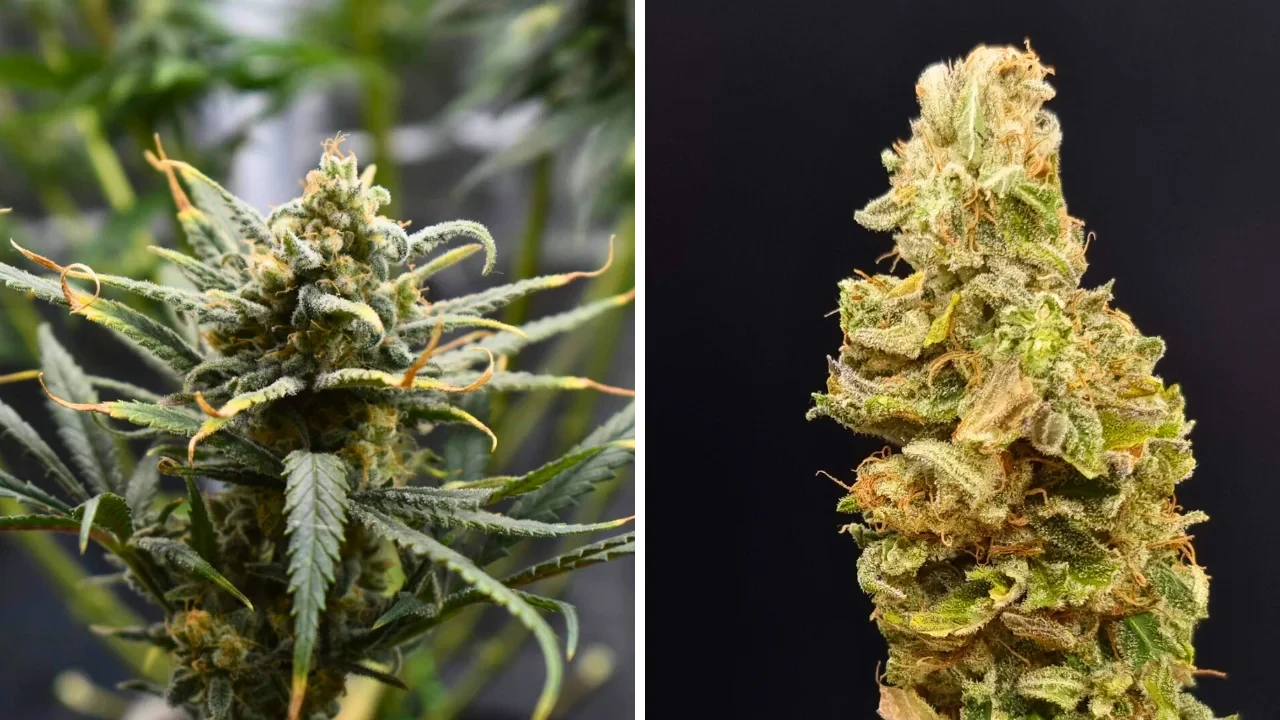
Why we love it: Reliable and fragrant. This is the dependable workhorse of the indoor tent.
It handles the minor temperature swings common in California indoor rooms better than most temperamental exotics and brings a consistent, tropical-flavored crop every time.
- Type: Sativa-dominant Hybrid
- Flowering Time: 8–9 Weeks
- Maintenance: Low
- Flavor: Pineapple, fruity, and citrus
- Grow Tip: It is a steady feeder; avoid "spike-feeding" and instead maintain a consistent, moderate nutrient schedule for best results.
- Best For: Indoor growers who want a high-yielding, flavorful harvest with zero drama.
Not sure which strain to choose? Buy Pineapple Express Seeds from WeedSeedsExpress
Pro-Tips: Mastering the Golden State Harvest
The "Caterpillar" Defense
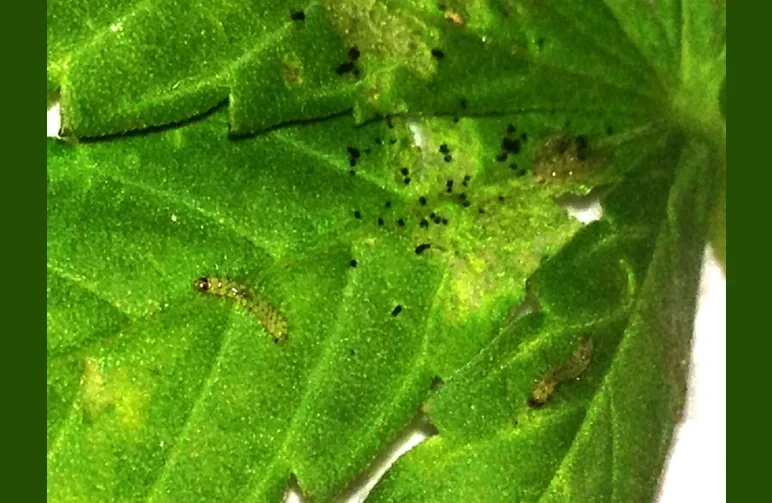
In California, moth larvae and caterpillars are outdoor killers. They burrow into your buds in August and cause rot from the inside out.
Strategy: Use Bacillus thuringiensis (BT) spray weekly starting in July. It’s a biological control that is safe for humans and plants but stops caterpillars in their tracks.
Managing the "Santa Ana" Winds
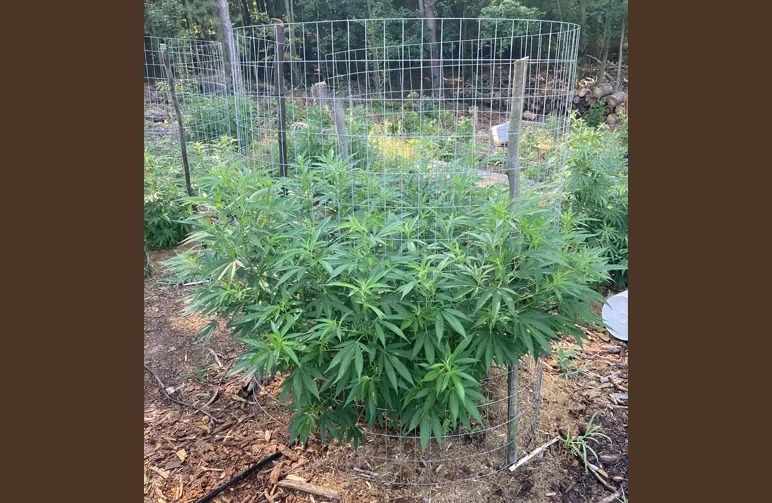
In Southern California, late-season winds can reach 60 mph and drop humidity to 5% in hours.
Strategy: Stake your plants with heavy-duty T-posts and use double-layer netting. If a wind event is forecasted, hydrate your plants heavily the night before to prevent severe windburn and dehydration.
VPD is Your Terpene Insurance
Indoors, the dry California air can kill your terpene profile. You must manage your Vapor Pressure Deficit (VPD).
Strategy: Aim for 0.8–1.2 kPa during flower. If your air is too dry, your plants will "close their pores" to save water, which stalls growth and prevents the development of those world-class California aromatics.
Final Thoughts
California is arguably the best place on earth to grow cannabis, but the climate demands respect. If you’re a beginner, start with Jack Herer or GG4—they are the most forgiving under the Golden State sun.
If you’re chasing "exotic" status, Wedding Cake and Gelato are your ticket to a premium harvest.
Ready to start? Source your genetics from a bank that understands California quality. Explore the full collection at WeedSeedsExpress—fast shipping, germination guarantees, and the best genetics in the game.
Frequently Asked Questions
When is the best time to plant outdoors in California?
For "Monster" plants, start seeds indoors in March and transplant outside in late April. For more manageable 5-foot plants, you can wait until June.
How do I protect my plants from California wildfire smoke?
Ash on your buds is a major problem. If a fire is nearby, consider a light "hoop house" cover. If ash does settle, many California growers use a "Bud Wash" at harvest (water with a dash of lemon juice and baking soda) to clean the flowers before drying.
Which strains are best for high heat?
Green Crack and Bruce Banner are the champions of heat. They have the Sativa lineage that allows them to keep transpiring even when the mercury passes 100°F.
Can I grow more than 6 plants if I have a medical card?
State-wide, the personal limit is generally 6 plants. However, some local jurisdictions allow for higher counts for medical patients with a specific "doctor's recommendation" or 215 card. Always check your specific county health department rules to be safe.