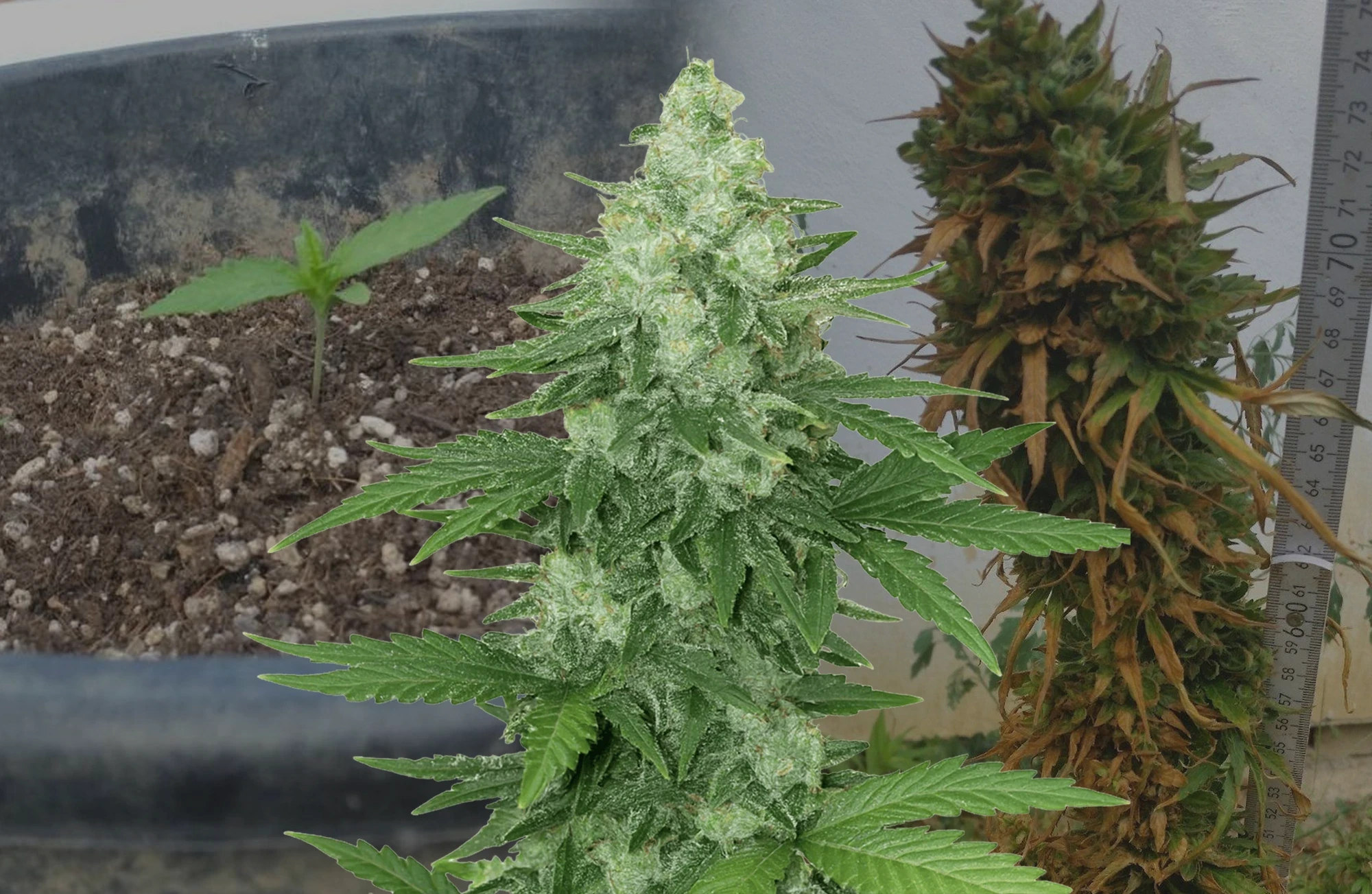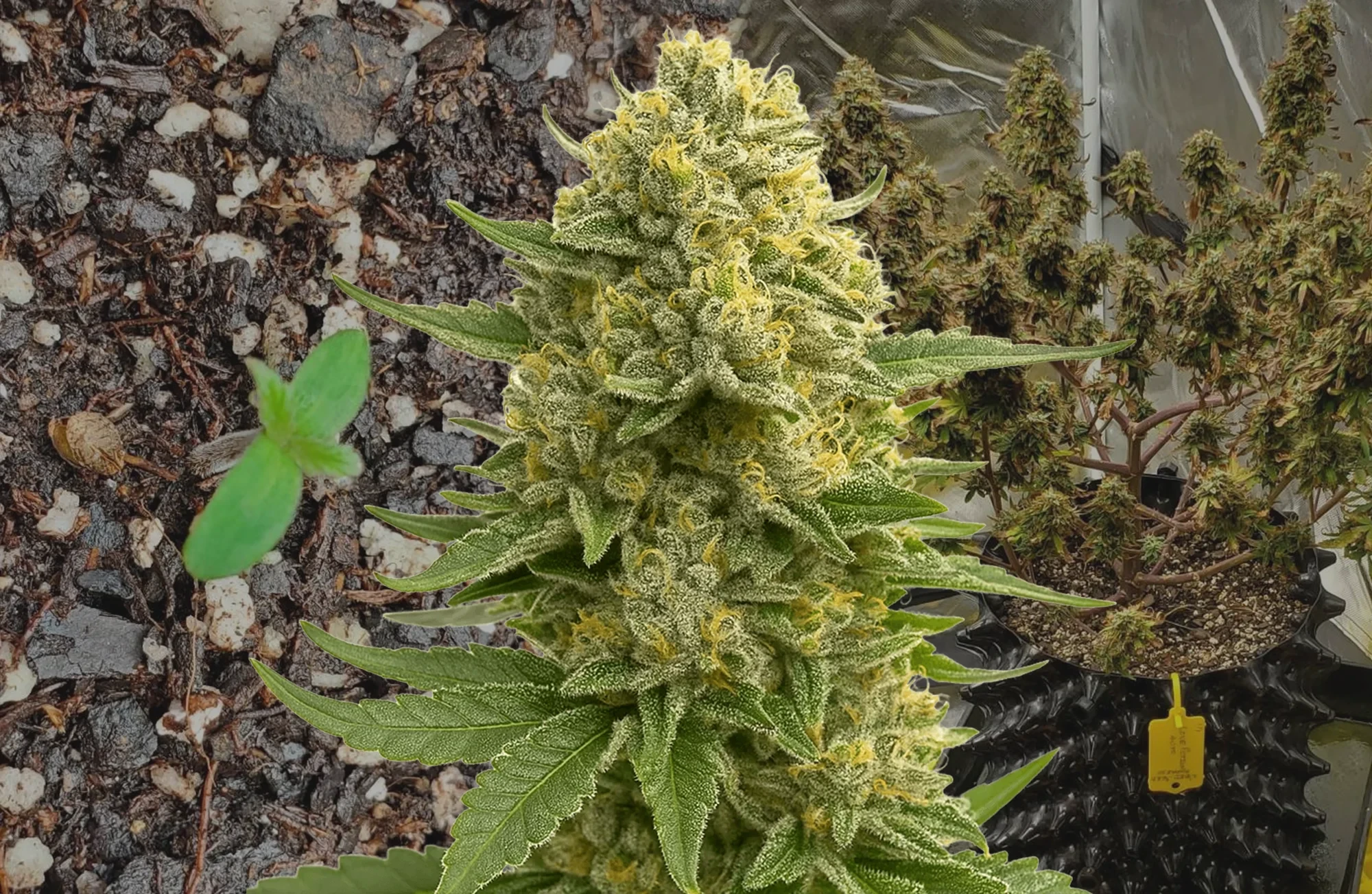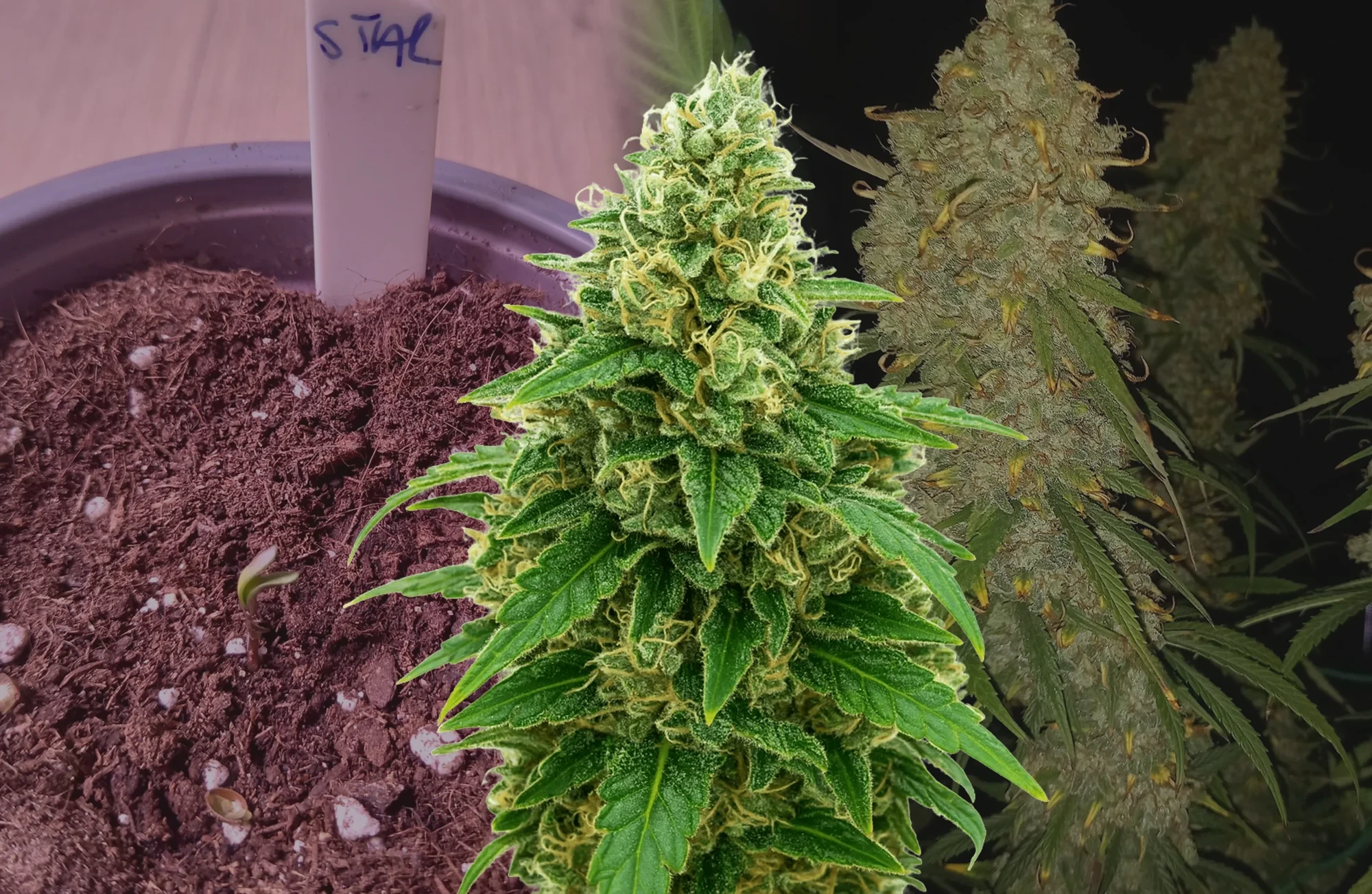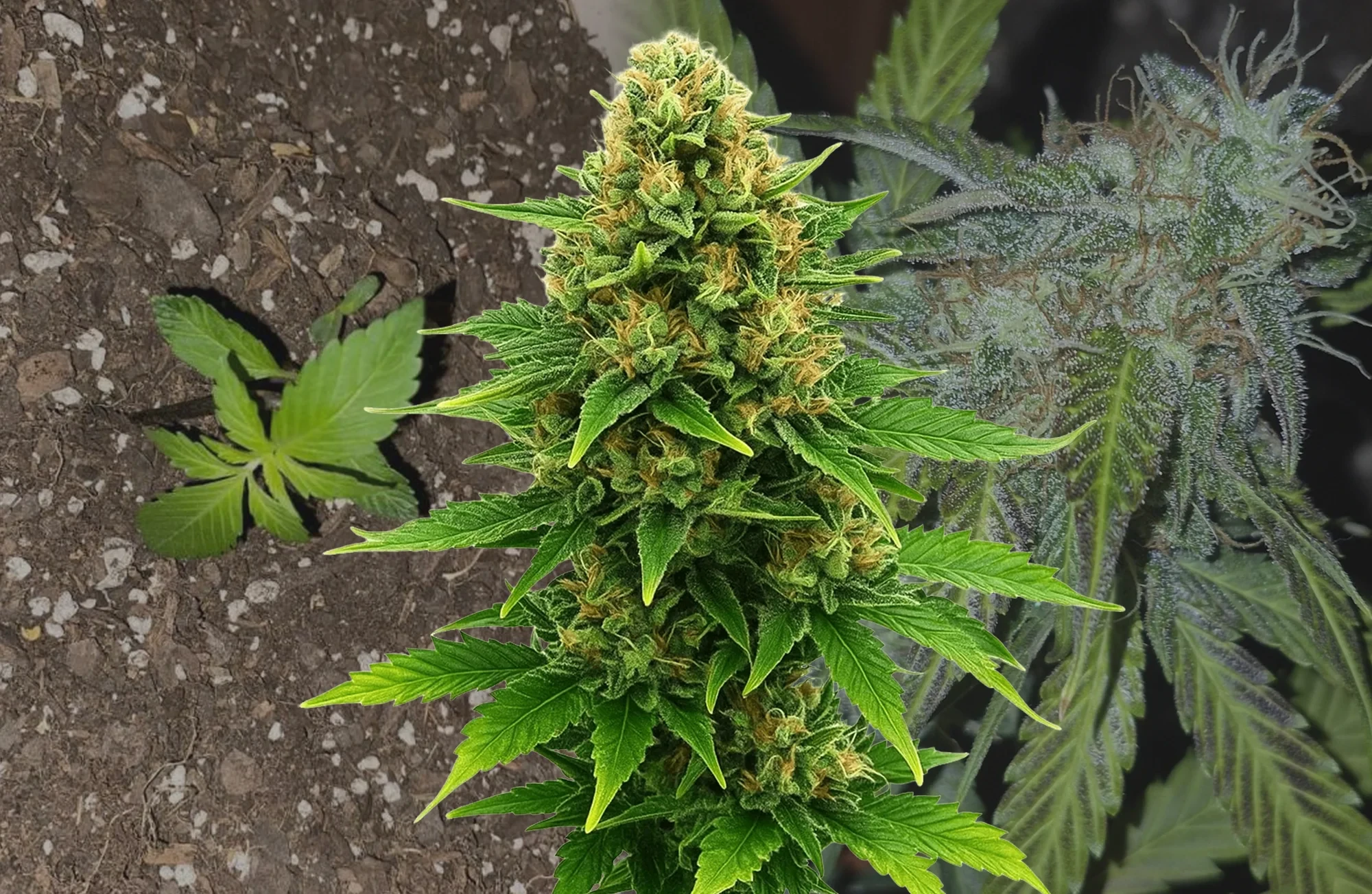


If you're hunting the best strains to grow in Connecticut, you have two primary missions: stay compliant and beat the humidity.
While the Nutmeg State officially joined the home-grow movement in 2023, the law comes with a major catch that every local needs to know: it must be done indoors.
Because you’re growing in "New England weather in a tent," you need genetics that shrug off humidity and finish fast to maximize your legal plant count.
Below, we break down the "3 + 3" rule, coastal vs. inland climate realities, and our top-tier strain picks with expert notes from our lab.
Key Takeaways
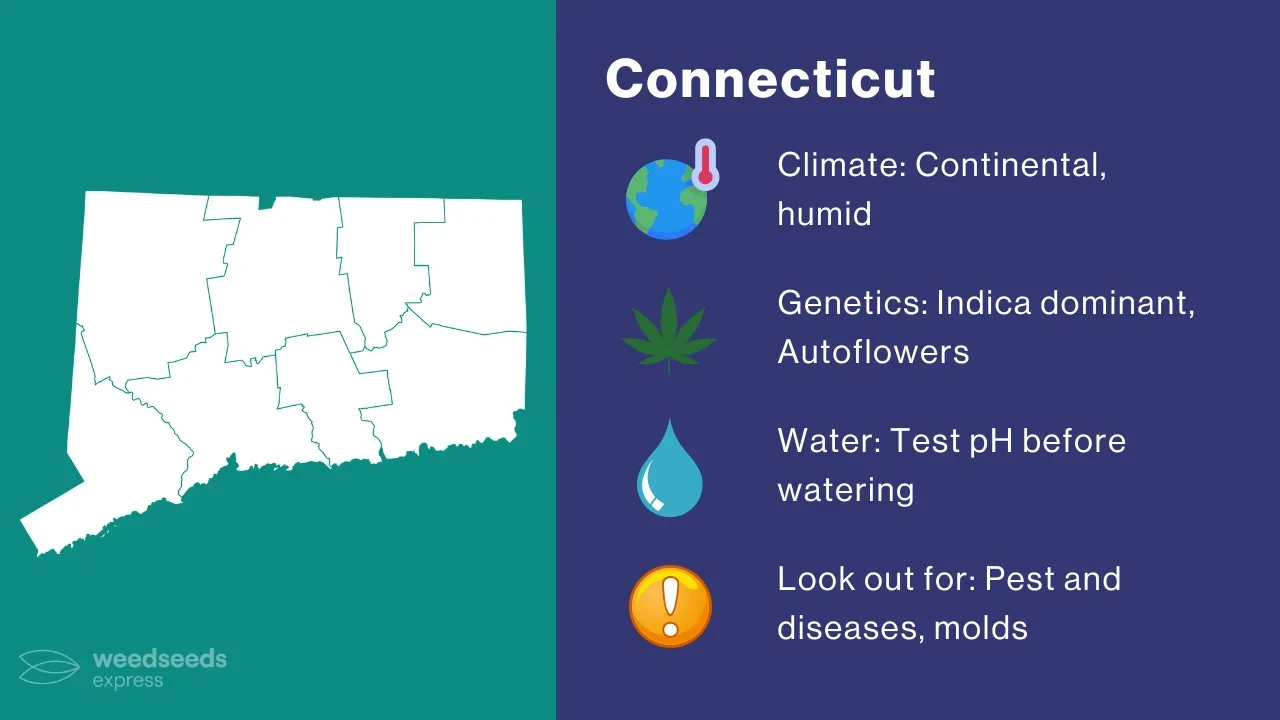
- Legality: Indoor only. Adults 21+ can grow 3 mature and 3 immature plants.
- Humidity Strategy: Connecticut is notoriously swampy in the summer. Mold-resistant genetics are non-negotiable for indoor tents.
- Household Caps: No matter how many adults live in the residence, the cap is 12 total plants.
- Top Picks: Focus on fast-finishers like Critical Auto and Black Domina to reduce the time spent fighting high humidity.
First: Is It Legal to Grow Cannabis in Connecticut?
Connecticut allows personal cultivation for adults 21+, but it must be indoors, secured, and out of public view. Outdoor cultivation is currently not permitted for home growers.
To stay on the right side of the law, grow in locked rooms or tents, store your harvest in child-resistant containers, and use carbon filters to keep the "skunky" aroma from reaching the sidewalk.
The "3 + 3" Rule
Each adult can keep up to 3 mature (flowering) and 3 immature (vegetative) plants. To maximize this, many CT growers stagger their germination every few weeks to ensure a perpetual harvest while staying strictly under the "3 mature" limit.
Household Caps
Even if you have four adults living in a home, the household cap is 12 total plants. To make the most of this limit, we recommend high-yield feminized seeds to ensure every plant in your count is a heavy-producing female.
Decoding the Connecticut Climate: Humidity and Coastal Air
Even though your grow is indoors, the local climate dictates your intake air. Connecticut summers are "swampy," and coastal air can be salt-laden—both of which influence your tent’s environment.
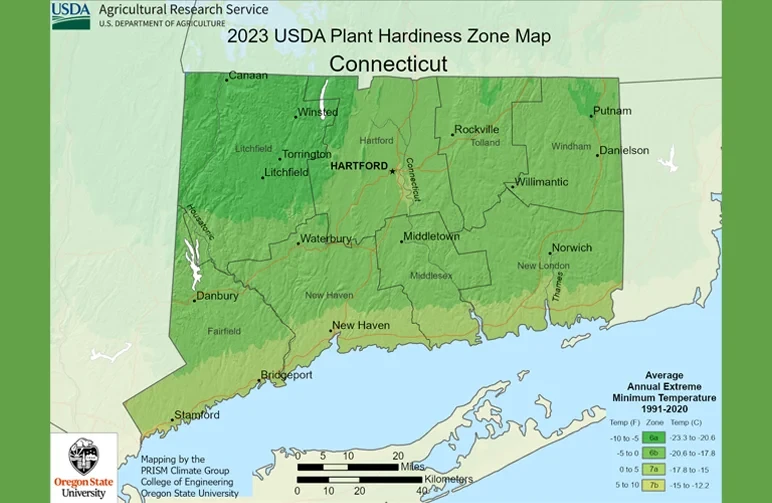
Coastal vs. Inland Zones
The Shoreline (Zone 7): Milder but saltier and stickier. Salt air + high humidity = a high risk of Powdery Mildew if your air filtration isn't dialed in.
Inland (Litchfield Hills/Hartford - Zone 6): These areas swing hotter by day and much cooler by night. This can cause condensation inside your tent if you don't buffer temperatures with a stable HVAC or tent heater during the snowy months.
The Humidity Struggle
New England humidity can rocket past 70% in July. For a successful harvest, you must manage your Vapor Pressure Deficit (VPD). Aim for 50–55% RH in mid-flower and 45–50% in late flower. A high-capacity dehumidifier is the most important piece of equipment for a Connecticut grower.
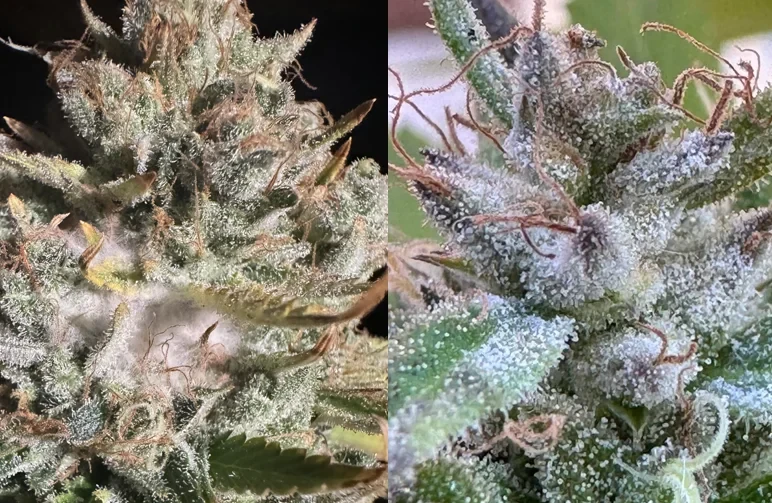
Match your genetics to your Nutmeg State micro-climate. From the "Banana Belt" of the coast to the sharp frosts of the Litchfield Hills, picking the right strain is the difference between a jar full of fire and a pile of mold.
Connecticut Outdoor/Greenhouse Micro-Climate Matching
| Region | Primary Challenge | Recommended Strain | Why? |
| Shoreline (Zone 7a) | Stagnant Humidity / Fog | Jack Herer | Its airy, open sativa structure allows the humid Sound breeze to pass through, preventing bud rot. |
| Inland Hills (Zone 6) | Early October Frost | Green Crack | Sativa-tier mold resistance with an indica-tier finish; harvests before the hard Litchfield freeze. |
| Valley Greenhouse | High UV / Trapped Air | Bruce Banner | Extremely vigorous; handles the high summer temps and massive day/night temperature swings of New England. |
| Coastal Windy Sites | Late Summer Storms | Granddaddy Purple | Develops thick, sturdy stems that resist snapping during heavy Atlantic thunderstorm bursts. |
| The "Hurricane Dodger" | September Rains / Rot | Critical Auto | Bypasses the humid autumn transition entirely; harvest in August before the heavy New England rain sets in. |
Top 5 Strains for a Successful Outdoor Grow in Connecticut
These picks prioritize mold resistance for the shoreline’s high humidity and speed to beat the inland October frost, all while maintaining high yields and boutique quality.
| Outdoor Strain | Key Advantage for Connecticut | Typical Harvest |
| Critical Auto | Bypasses humidity & frost season | Late Aug / Early Sept |
| Jack Herer | High mold resistance (Shoreline fog) | Late Sept / Early Oct |
| Green Crack | Fast-finishing; beats inland frost | Mid-to-late September |
| Bruce Banner | Robust; handles large temp swings | Late Sept / Early Oct |
| Granddaddy Purple | Thrives in cool nights; cold-hardy | Early October |
Note: In Connecticut, greenhouses must be secured, locked, and not visible from a public way to remain compliant with indoor cultivation laws.
1. Critical Auto
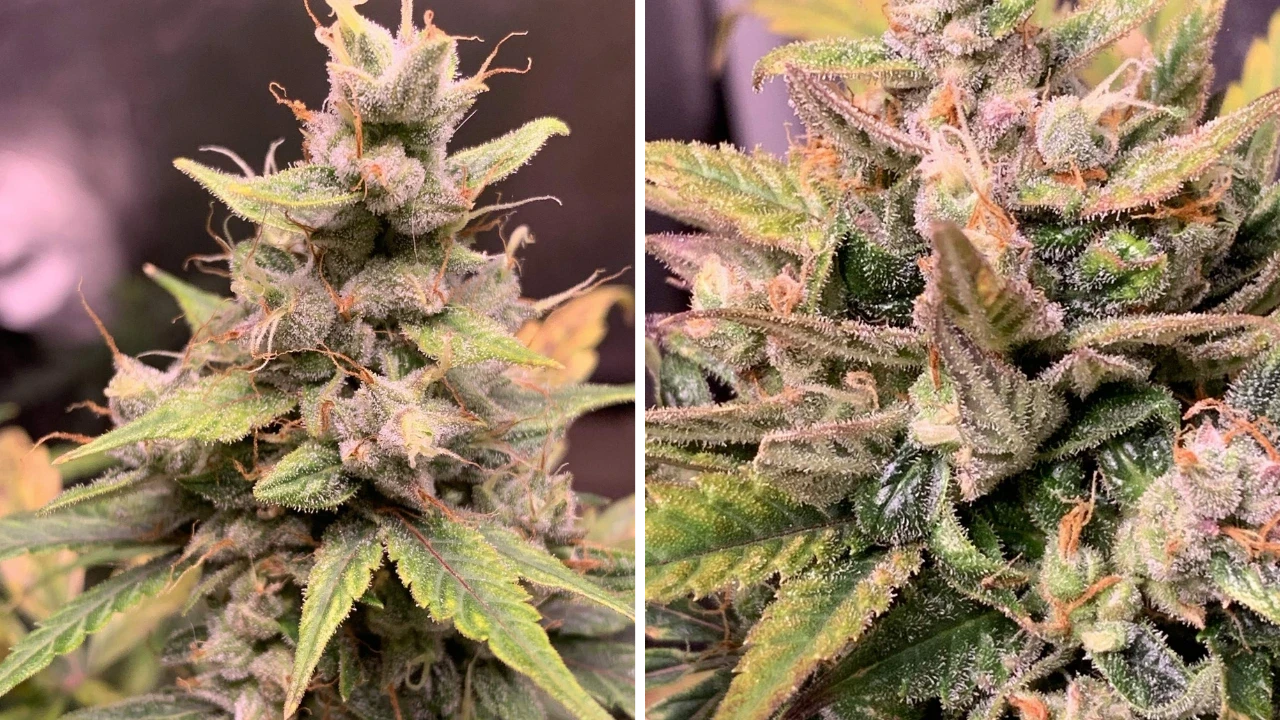
Why the Nutmeg State loves it: Critical Auto is the ultimate "Hurricane Dodger." In Connecticut, the tail end of the season can be treacherous with heavy rains and high humidity.
Because this is an autoflower, it follows its own internal clock—by planting in late May, you are harvesting resinous, heavy colas in August. You completely bypass the "mold window" of September and the early frosts of October.
- Type: Autoflower (Feminized)
- Life Cycle: 10–11 Weeks from seed
- CT Harvest Window: Late August / Early September
- Mold Resistance: High
- Grow Tip: Don’t transplant autos; start them in their final 5-gallon container to avoid stunting their short vegetative phase.
- Best For: Growers who want a guaranteed, high-yielding harvest before the bad weather hits.
Ready to beat the New England fall? Buy Critical Auto Seeds from WeedSeedsExpress
2. Jack Herer
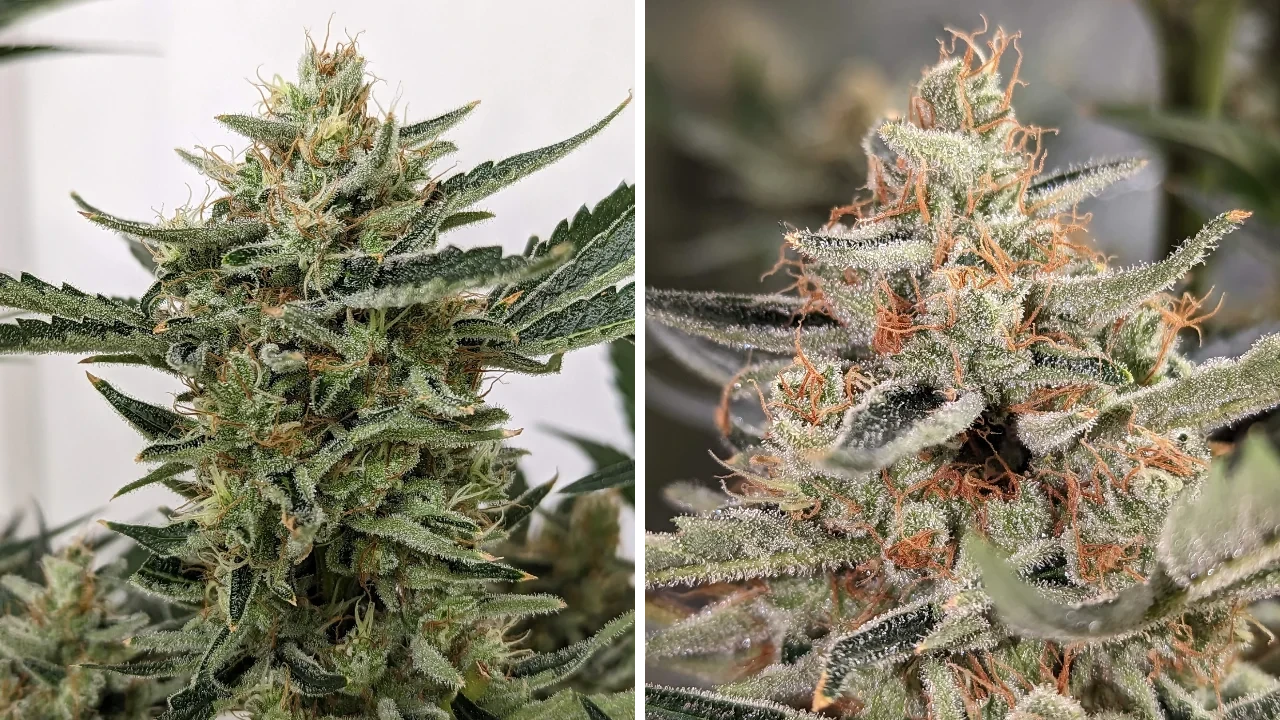
Why the Nutmeg State loves it: A sativa-leaning legend that is perfectly suited for the humid Shoreline (Zone 7a). Jack Herer features an open, "breathable" bud structure.
While dense indicas might trap the moisture from the Long Island Sound and rot, Jack allows the air to move through the canopy. It handles the "sticky" Connecticut summer without flinching.
- Type: Sativa-dominant Hybrid
- Flowering Time: 8–10 Weeks
- CT Harvest Window: Late Sept / Early Oct
- Mold Resistance: Very High
- Grow Tip: Use Low-Stress Training (LST) to keep the branches separated; maximum airflow is your best defense against bud rot.
- Best For: Coastal growers who need elite mold resistance and an uplifting, functional high.
Want to master the Shoreline humidity? Buy Jack Herer Seeds from WeedSeedsExpress
3. Green Crack
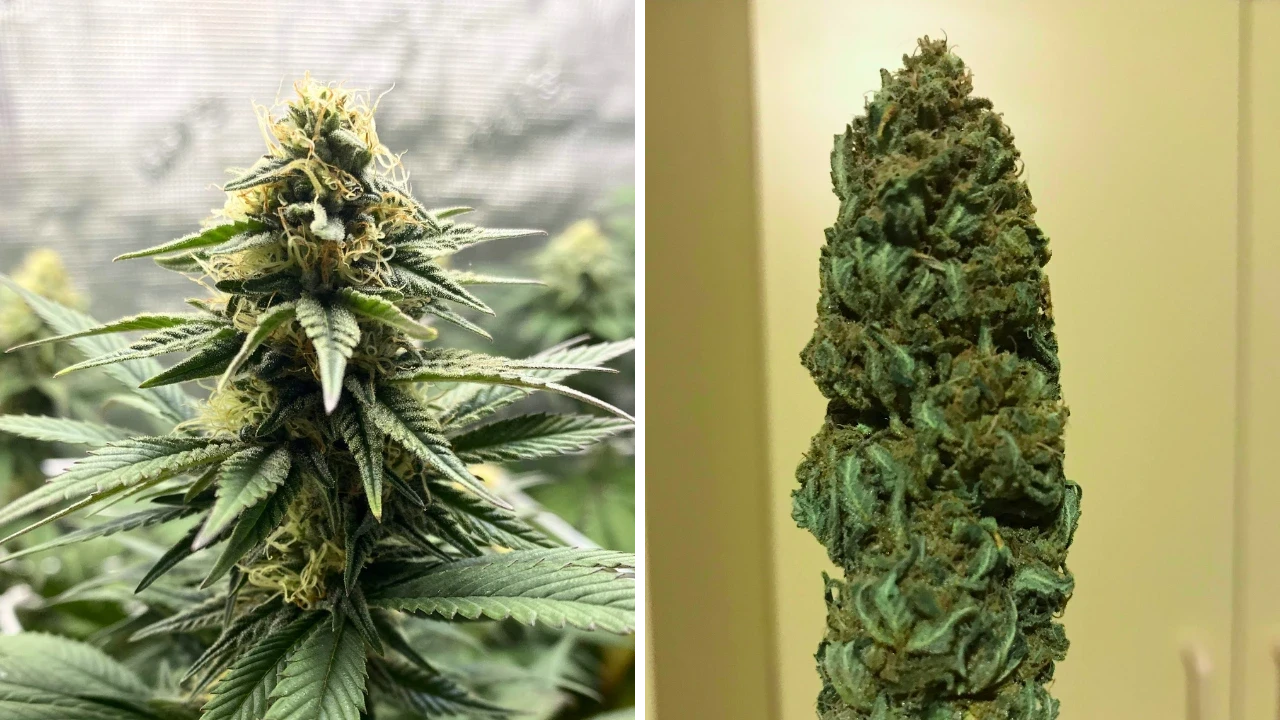
Why the Nutmeg State loves it: The "Fast Finisher" for the Inland Hills. If you are growing in Litchfield or Tolland County, the early frost is your biggest threat.
Green Crack is a "Green Monster" that offers the mold resistance of a sativa but with an incredibly fast finish. It packs on weight quickly and is usually ready to chop before the first hard freeze.
- Type: Sativa Hybrid
- Flowering Time: 8–9 Weeks
- CT Harvest Window: Mid-to-late September
- Mold Resistance: High
- Grow Tip: This strain is a "heavy eater." In the peak of summer, keep up with a steady nutrient schedule to fuel its explosive growth.
- Best For: Growers in northern CT who need to beat the frost without sacrificing potency.
Need a fast-finisher for the hills? Buy Green Crack Seeds from WeedSeedsExpress
4. Bruce Banner
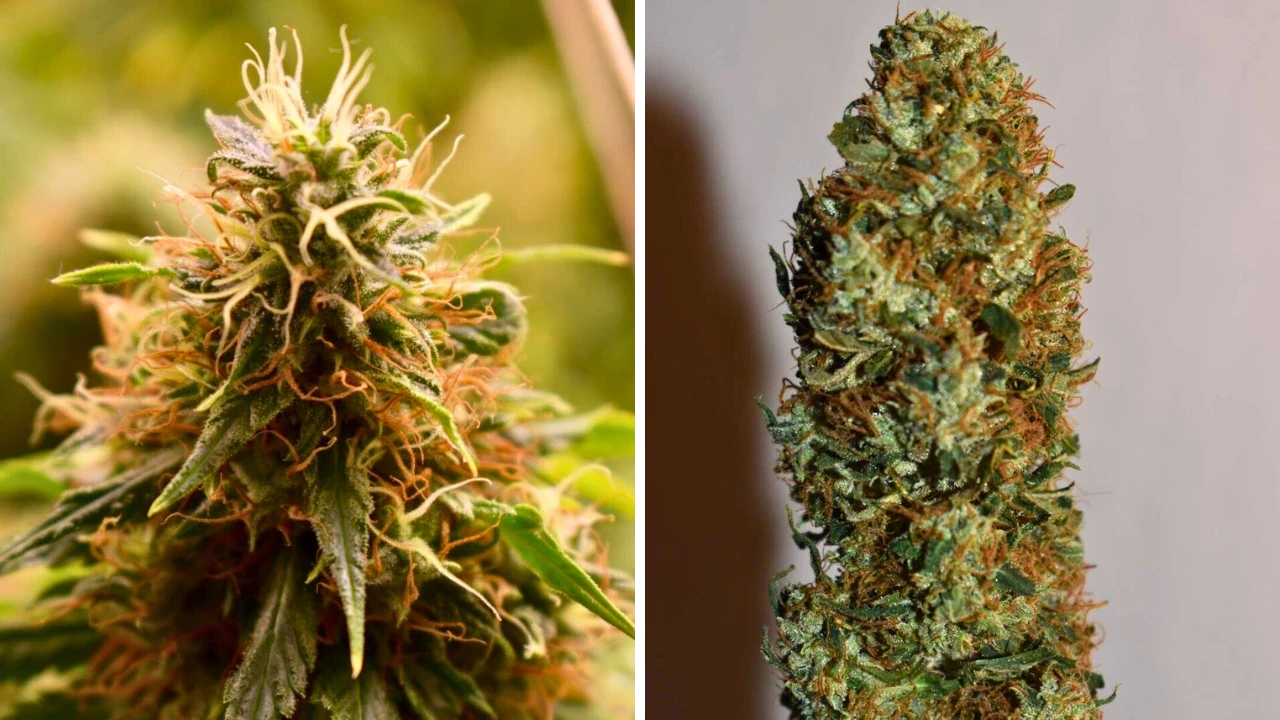
Why the Nutmeg State loves it: Extremely robust and built for the "moody" New England autumn.
Bruce Banner is famous for its vigor, which helps it handle the 20-degree temperature swings common in Connecticut during September.
It converts the intense late-summer sun into massive, resin-coated colas and handles minor environmental stress like a champ.
- Type: Hybrid
- Flowering Time: 8–9 Weeks
- CT Harvest Window: Late Sept / Early Oct
- Mold Resistance: Moderate-High
- Grow Tip: Be prepared for the "stretch." Bruce Banner can double in size once it hits flower, so make sure your greenhouse has plenty of vertical clearance.
- Best For: Growers chasing massive yields and sky-high THC levels.
Ready for a heavy-hitting harvest? Buy Bruce Banner Seeds from WeedSeedsExpress
5. Granddaddy Purple (GDP)
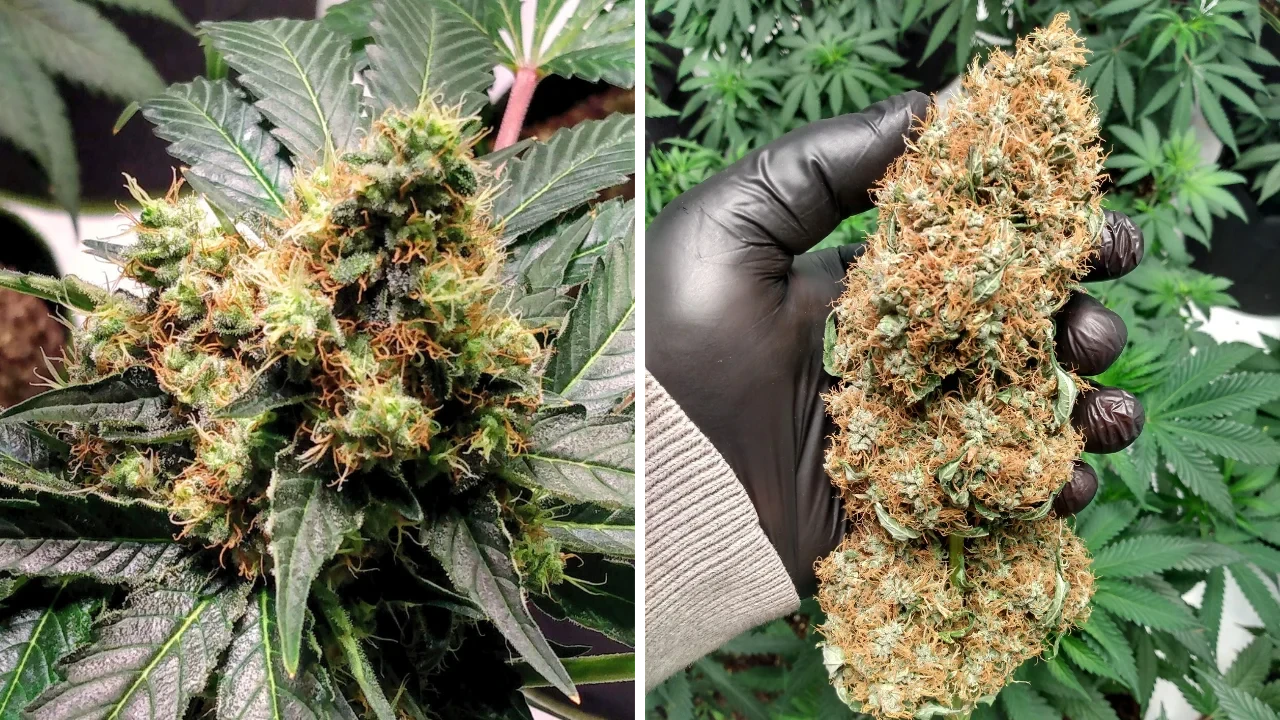
Why the Nutmeg State loves it: The "Cold-Hardy" beauty. GDP actually thrives when the Connecticut nights start to get crisp in September.
The cooler temperatures act as a trigger, pulling out those iconic deep purple hues and sweet, grapey terpenes. It stays relatively stocky, making it easier to secure and hide in a backyard greenhouse.
- Type: Indica
- Flowering Time: 9–10 Weeks
- CT Harvest Window: Early October
- Mold Resistance: Moderate-High
- Grow Tip: If the nights get too humid, perform a light defoliation in August to ensure the inner canopy stays dry.
- Best For: Growers who want a stunning, "shelf-appeal" harvest that loves the New England chill.
Want to bring out those purple hues? Buy Granddaddy Purple Seeds from WeedSeedsExpress
Top 5 Strains for a High-Yield Indoor Grow in Connecticut
Indoor setups allow us to bypass the weather entirely. These strains reward careful canopy management with heavy, market-ready flowers.
1. Girl Scout Cookies (GSC)
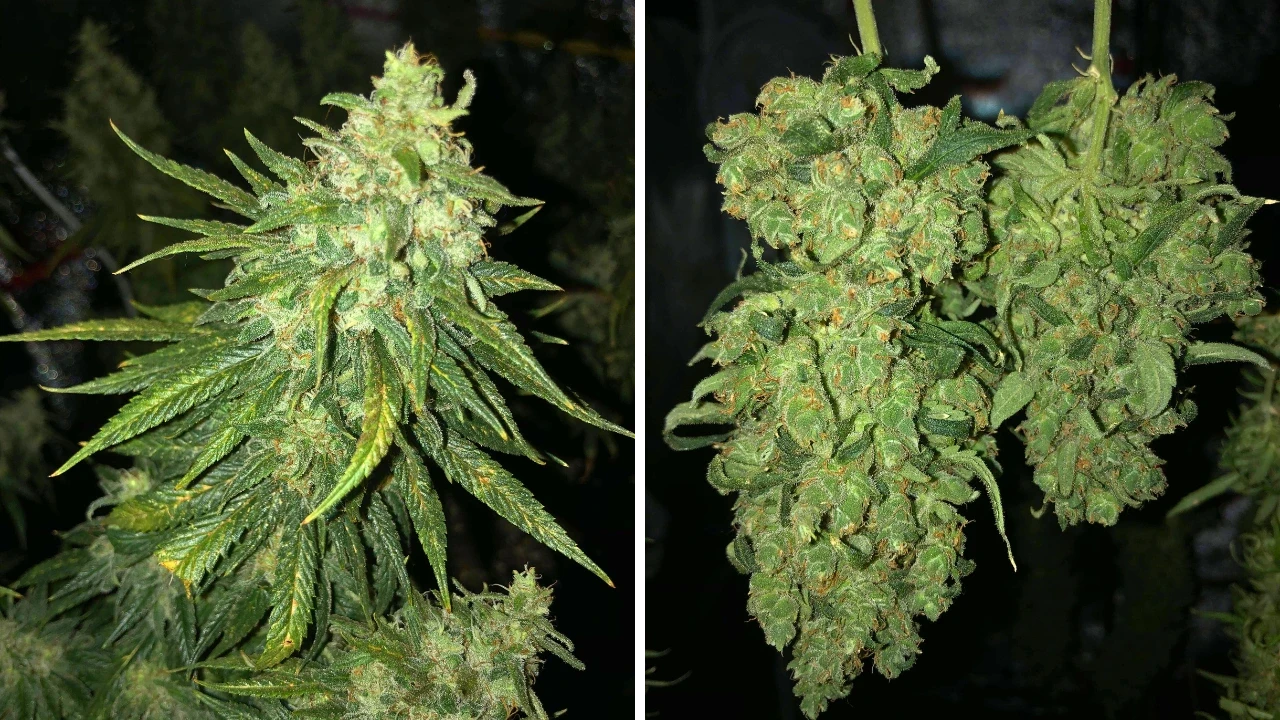
Why we love it: The "Efficiency King" for CT’s 3-mature plant limit. Since you are capped at 3 flowering plants, you need every plant to be a heavy producer.
GSC is incredibly responsive to training (ScrOG or LST), allowing you to fill an entire 4x4 tent with just a few legal plants. It delivers the "boutique" frost and flavor that the New England market demands.
- Type: Hybrid (Feminized)
- Flowering Time: 8–9 Weeks
- Structure: Compact but stretchy in flower
- Yield Potential: Up to 1.6 oz/sq. ft
- Grow Tip: Use a trellis net to support the branches; as the buds thicken, the lanky stems will need the help.
- Best For: Maximizing the legal plant limit with world-class quality.
Maximizing your 3-plant limit? Buy Girl Scout Cookies Seeds from WeedSeedsExpress
2. Black Domina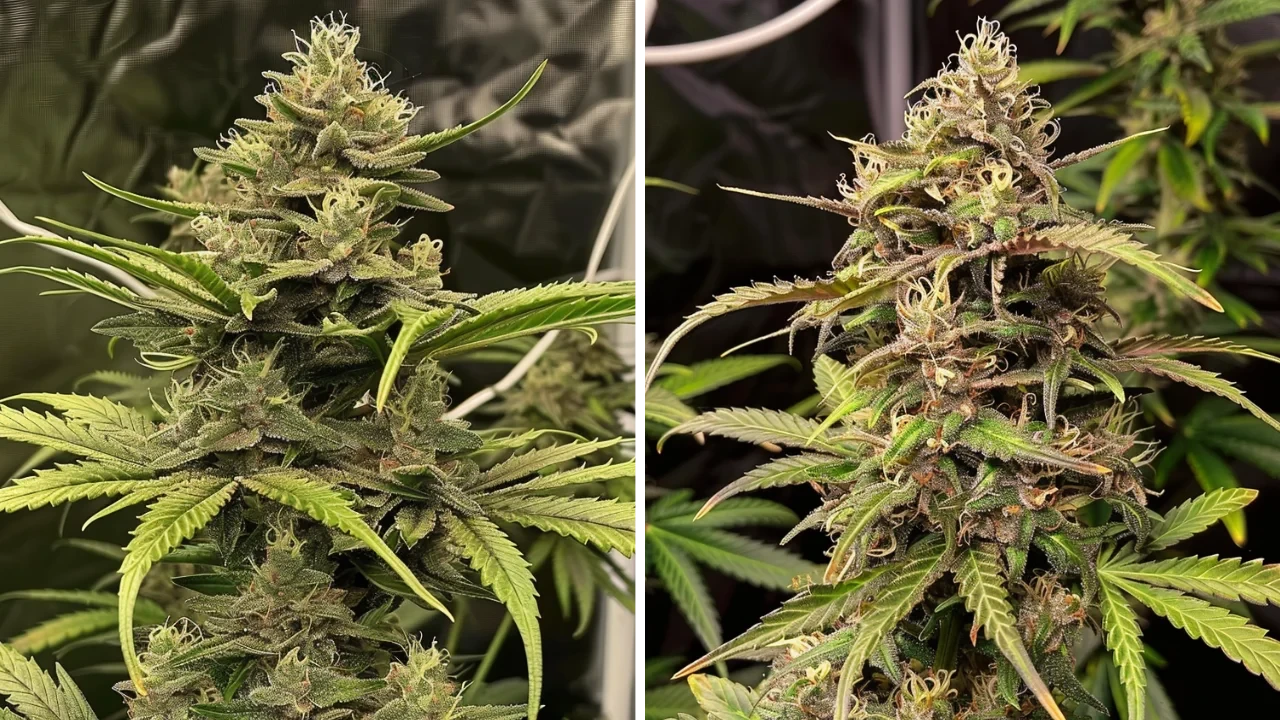
Why we love it: The "No-Fail" Indica for Connecticut basements. Many CT growers use basements where temperature and humidity can be a struggle to control perfectly.
Black Domina has stable, "old-school" genetics that are incredibly forgiving. It grinds out heavy yields of dark, resinous flower even if your environment isn't 100% dialed in.
- Type: Indica (Feminized)
- Flowering Time: 8–9 Weeks
- Structure: Short and bushy
- Yield Potential: Up to 2 oz/sq. ft
- Grow Tip: Use "pot elevators" to keep your plants off the cold concrete basement floor; cold roots will stunt your growth.
- Best For: Beginners or those growing in spaces with minor environmental fluctuations.
Conquering a cold basement grow? Buy Black Domina Seeds from WeedSeedsExpress
3. Sunset Sherbet
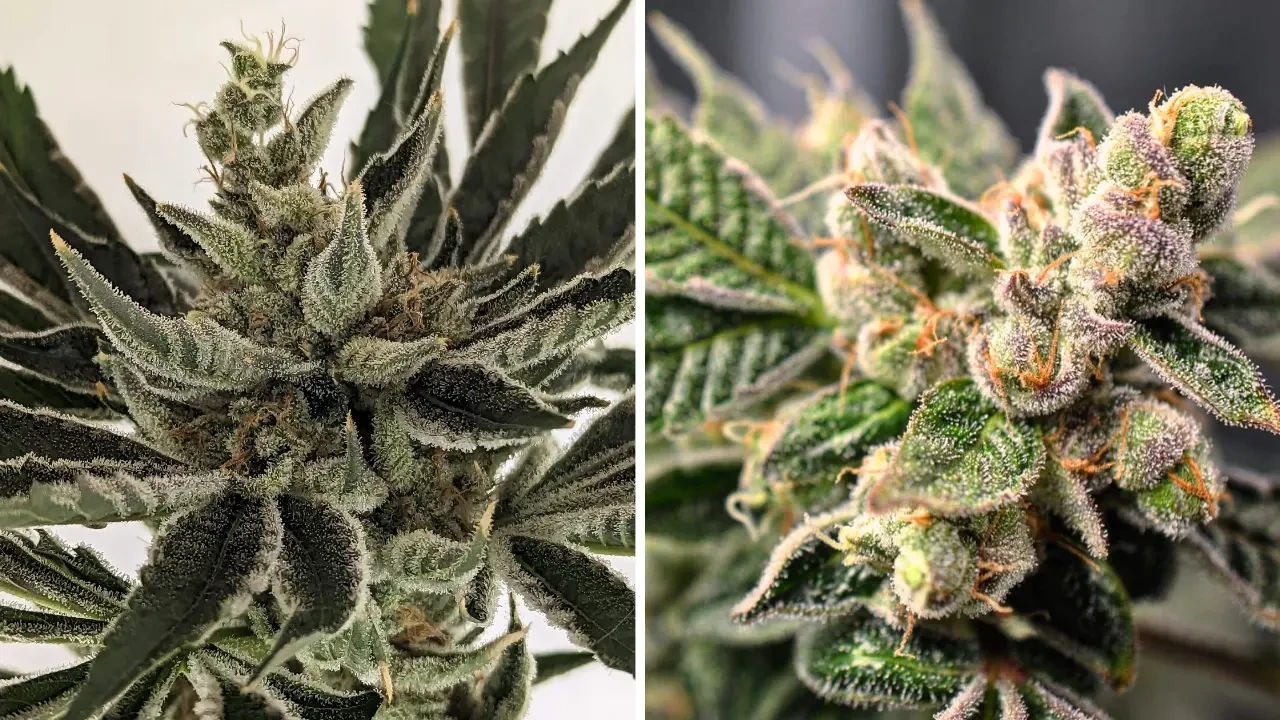
Why we love it: This strain is all about the terpene profile and "bag appeal." In the competitive CT connoisseur scene, Sunset Sherbet stands out with its complex candy-berry aroma.
Indoors, it stays manageable in height, making it ideal for closet grows or tents with limited vertical space.
- Type: Indica-dominant Hybrid
- Flowering Time: 7–8 Weeks
- Structure: Compact
- Yield Potential: Up to 1 oz/sq. ft
- Grow Tip: Drop your temperatures by 5-10 degrees during the final two weeks of flower to maximize the resin and color expression.
- Best For: Growers who prioritize flavor and top-shelf jar appeal.
Chasing that elite bag appeal? Buy Sunset Sherbet Seeds from WeedSeedsExpress
4. Pineapple Express
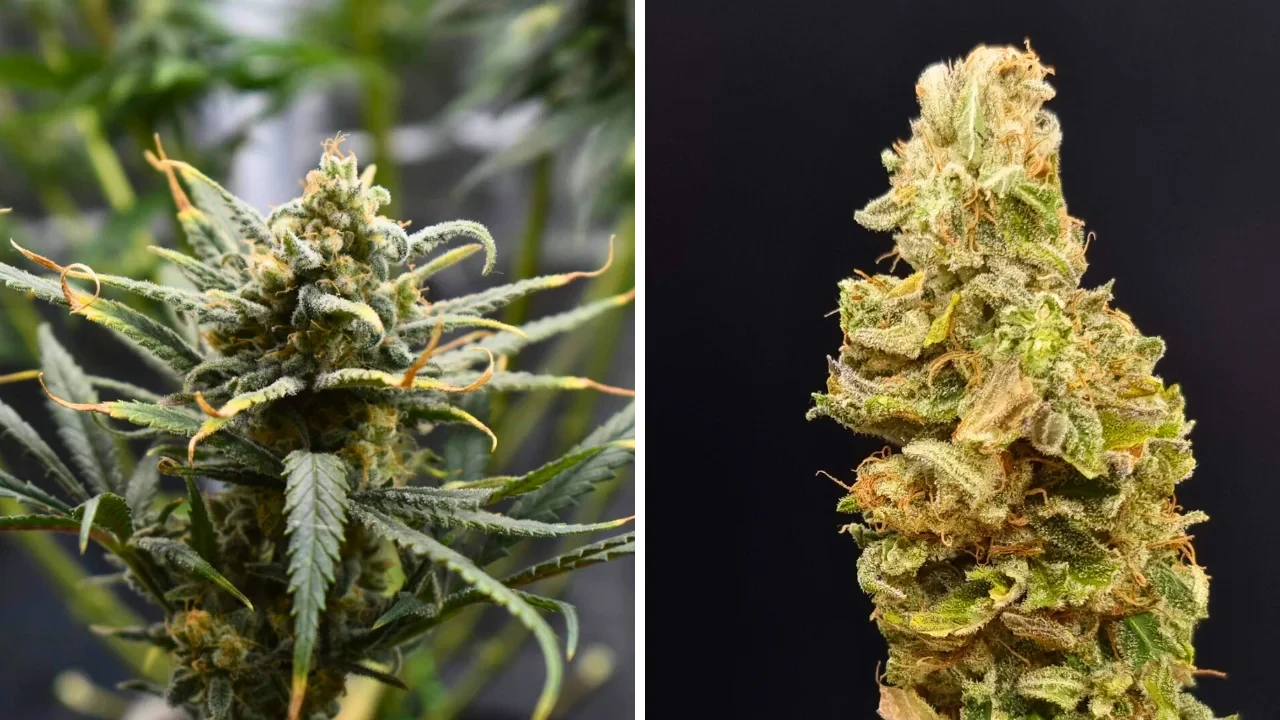
Why we love it: Reliable, fragrant, and fast. Pineapple Express is the "workhorse" of the indoor tent. It delivers a very predictable flowering cycle and handles the transition from veg to flower with zero drama.
It produces chunky, tropical-scented colas that look and smell like a vacation.
- Type: Sativa-dominant Hybrid
- Flowering Time: 7–9 Weeks
- Structure: Sturdy branching
- Yield Potential: Up to 1.8 oz/sq. ft
- Grow Tip: It’s a "steady feeder." Avoid spiking your nutrients; a consistent, moderate feeding schedule will result in the best terpene production.
- Best For: Growers looking for a high-yielding, flavorful crop with a quick turnaround.
Looking for a no-drama indoor run? Buy Pineapple Express Seeds from WeedSeedsExpress
5. Bubba Kush
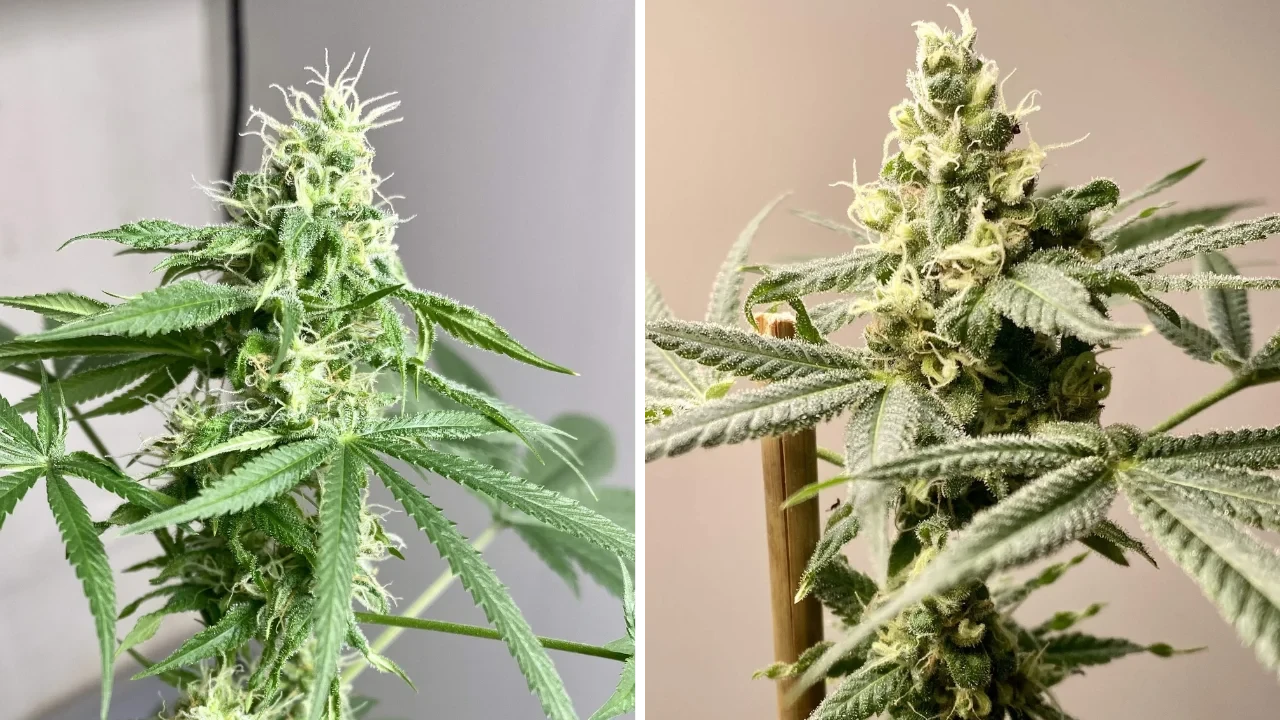
Why we love it: Classic Indica power with a "stocky" habit. Bubba Kush is perfect for CT growers using smaller tents or cabinets. It doesn't stretch much, so you won't have the "height headaches" that lanky hybrids cause.
It produces rock-hard, coffee-and-chocolate scented nuggets that are incredibly potent.
- Type: Indica (Feminized)
- Flowering Time: 7–9 Weeks
- Structure: Short, squat, and sturdy
- Yield Potential: Up to 2 oz/sq. ft
- Grow Tip: Because the buds are so dense, ensure you have multiple oscillating fans to prevent any "dead air" pockets inside the tent.
- Best For: Heavy-hitting Indica lovers growing in tight vertical spaces.
Growing in a tight closet or attic? Buy Bubba Kush Seeds from WeedSeedsExpress
Pro-Tips for Connecticut Growers
1. Intake Air Filtration
If you live near the Long Island Sound, salt air and outdoor spores can lead to issues in your tent. Use a high-quality HEPA filter on your intake fan to keep the salt and outdoor pollutants out of your garden.
2. The Dehumidifier Rule
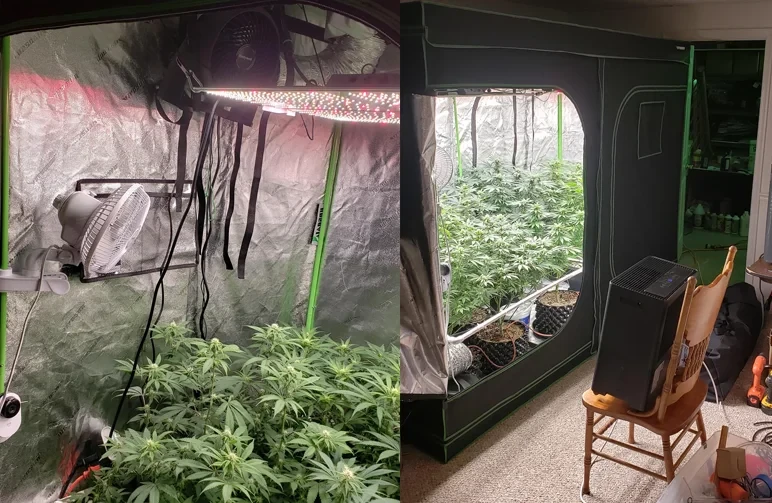
Don't rely on your exhaust fan alone. In a Connecticut summer, you are often just pulling more humid air into the tent from outside. You must run a dedicated dehumidifier in the room outside the tent to dry the air before it is sucked in.
3. Stealth is Requirement
Connecticut law requires your grow to be "secured." Beyond a lock, invest in a high-quality carbon filter. New Englanders value their privacy—don't let your "skunky" hobby become the talk of the block.
Final Thoughts
The key to winning in Connecticut is speed and humidity control. By choosing autoflower seeds like Critical Auto or fast photoperiods like Black Domina, you reduce the time your plants are at risk for mold.
Connecticut's climate demands respect, but with the right indoor setup, you'll be trimming top-shelf colas while the snow falls outside.
Frequently Asked Questions
Is it legal to grow cannabis outdoors in Connecticut?
No. Personal cultivation is currently restricted to indoor areas that are secured, locked, and out of public view.
How many plants can I legally have?
The "3+3" rule allows 3 mature and 3 immature plants per adult (21+), with a hard maximum of 12 plants per household.
What happens if my plants get too tall for my tent?
Connecticut's best indoor strains can stretch significantly. We recommend "Low Stress Training" (LST) or "Topping" to keep your plants bushy and manageable within your legal indoor space.
Do I need a medical card to grow in CT?
No. Since July 1, 2023, all adults 21+ in Connecticut can legally grow for personal use at home.
Where can I buy seeds in Connecticut?
While you can't always find them in local shops, you can legally buy them online. At WeedSeedsExpress, we provide fast, discreet shipping to Connecticut with a germination guarantee.