

You've harvested. The room smells like victory and chlorophyll. Now comes the part that separates "pretty good" from "oh boy, bag-worthy": trimming.
In this guide, we break down how to trim cannabis the smart way, compare wet vs. dry trimming without bias, and show you how to keep terpenes singing while avoiding mold, "hay" stink, and sticky-finger meltdowns.
We'll talk tools, step-by-steps, pros, cons, and a hybrid option we use when the weather refuses to play nice. Whether you're running a micro grow or a full room, this is the clean, confident path to dialed-in buds.
Key Takeaways
- Trimming cannabis enhances bud appearance, potency, and drying control for a superior final product.
- Wet trimming is faster and ideal in high humidity, reducing mold risk but can be messy and lead to a quicker dry.
- Dry trimming promotes slower drying for richer flavor and denser buds, though it requires more time, space, and careful handling.
- Your choice depends on your environment, available space, harvest size, and desired final quality.
- A hybrid approach (removing fan leaves wet, manicuring sugar leaves dry) can balance mold safety with terpene retention.
- Trimmed sugar leaves are valuable and can be used for making cannabutter, kief, tinctures, or topicals.
Why Trimming Cannabis is an Essential Step
Enhanced "Bag Appeal" and Appearance
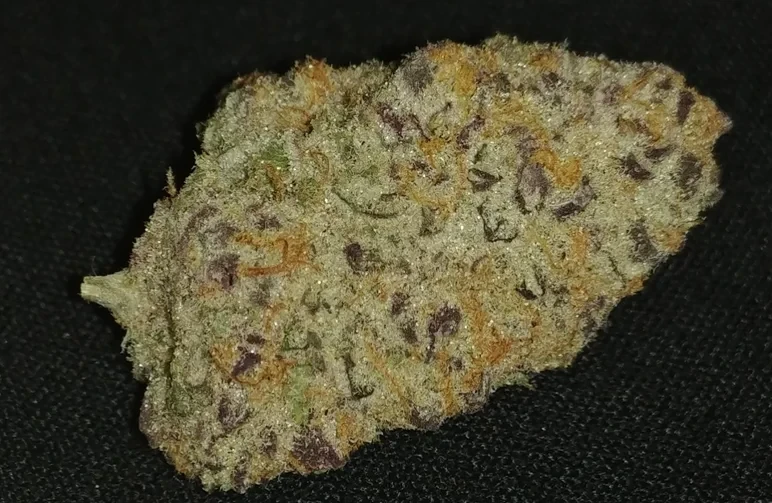
Trimmed buds look intentional, rounded, frosty, and uniform. We're removing stray fan leaves and tight sugar leaf tips to reveal the calyx structure. Cleaner silhouettes photograph better, jar better, and frankly, sell better.
First impressions matter, even to your own stash.
Improved Potency and Smoother Experience
Precise trimming limits excess chlorophyll and plant waxes that harsh the throat. It also exposes more surface area for an even dry, preserving crucial cannabinoids and terpenes.
The result? Stronger nose, richer flavor, less bite, and potency you can taste, not just test.
Better Control Over the Drying and Curing Process
Leaf mass acts like a humidity jacket. How much you leave on directly affects the dry rate.
If you follow a comprehensive guide to harvesting, trimming, drying, and curing cannabis, you'll know that controlling this jacket means you control the dry.
That means fewer mold scares, better moisture migration, and a cure that actually polishes the smoke instead of burying it.
The Essential Trimming Toolkit: What You'll Need
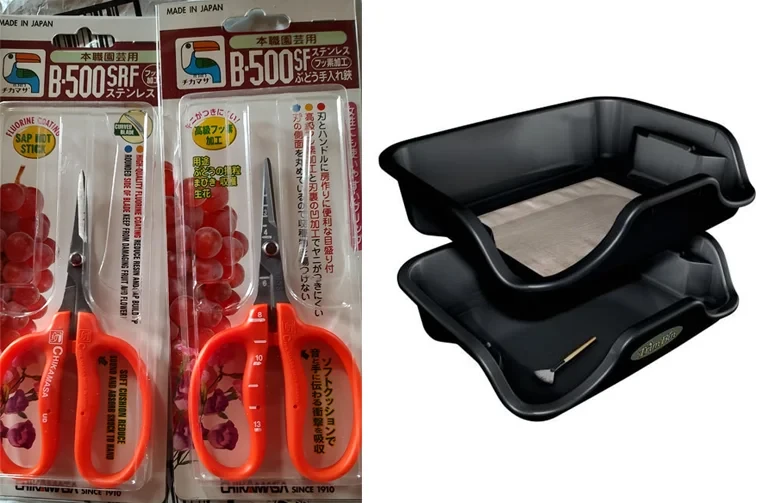
- Sharp trimming scissors (one curved for detail, one straight for bulk)
- Nitrile gloves (swap when gummed up)
- Trimming tray with a screen and kief catch
- Isopropyl alcohol & microfiber cloth for scissor cleaning
- Drying racks or lines/nets with gentle air circulation
- Hygrometer/thermometer to monitor your drying environment
- Optional but Recommended: Headlamp, mason jars, and two-way humidity packs like Boveda or Integra. Getting these ready early is essential once you learn how to store cured buds for long-term freshness and potency.
Pro Tip: Sterile tools reduce contamination. Keep an ISO-filled jar nearby and dunk your blades every few minutes. A clean tool is a fast tool.
Wet Trimming: The Complete Breakdown
What is Wet Trimming?
Wet trimming means we manicure immediately after chopping the plant down, before the drying process begins.
While the leaves are plump and pliable, we remove fan leaves and tighten sugar leaves around the bud, then place the trimmed flowers on racks or nets to dry.
How to Wet Trim: A Step-by-Step Guide
- Cut branches from the plant.
- Strip the large, easy-to-remove fan leaves by hand.
- Use your curved scissors to carefully contour the protruding sugar leaves close to the flower's structure.
- Lay the trimmed buds evenly on drying racks with good airflow.
- Dry in a controlled environment, targeting 60-65°F ([15.5:celsius]–64.4 °F) and 55–60% RH for 5–9 days.
The Pros of Wet Trimming (Why You Should Choose It)
It's Faster and Easier for Beginners
Leaves are hydrated and compliant, so scissor blades glide. You'll move quicker with fewer awkward angles, perfect if it's your first rodeo or you've got a mountain of green to get through.
Better Access to Leaves for a Tighter Trim
Everything sticks out when wet. This allows you to sculpt closer to the calyx for that perfect, showroom finish. Less tucking and guessing, more decisive snips.
Machine trimmers also perform more consistently on wet material.
Potentially Lower Risk of Mold in Humid Environments
High ambient RH (>60%)? Removing leaf mass up front accelerates moisture release and reduces dense pockets where botrytis (bud rot) loves to party. It's our go-to when the weather is sticky or the room is packed.
Less Trichome Breakage from Handling
Fresh trichomes are tacky and bend; dry ones are brittle and shatter. Wet trimming minimizes these brittle contact events.
Fewer knocks mean fewer lost resin heads, which is especially important for strains that shed trichomes easily once crisp.
The Cons of Wet Trimming (Potential Downsides)
It's a Sticky, Messy Process
Expect resin-glued gloves and gunked-up scissors. ISO baths, frequent blade wipes, and glove swaps are mandatory. Plan your workflow and breaks or you'll slow to a crawl.
Can Lead to a Faster Dry (Risk of "Hay" Smell)
Strip too much too soon, and buds can dry in a flash, locking in chlorophyll. That grassy, hay-like note is almost always the result of an overly fast dry.
Keep your RH in the target range and don't blast buds with direct fans.
Final Buds May Be Less Dense
Rapid moisture loss can sometimes cause buds to "puff out" slightly. While not always the case, we've observed less perceived density compared to slow-dried, later-trimmed flowers, though this is strain and environment dependent.
Dry Trimming: The Patient Grower's Method
What is Dry Trimming?
With dry trimming, we hang whole plants or large branches to dry first, leaving the leaves on as a protective layer. We only trim once the outer leaves are crisp and the small stems snap cleanly.
The targets are the same: 60–65°F ([15.5:celsius]–64.4 °F) and 55–60% RH, but for a longer duration of 10–16 days.
How to Dry Trim: A Step-by-Step Guide
- Harvest the plant and hang entire branches (or the whole plant) upside down with modest spacing for airflow.
- Dry until the smaller stems snap instead of bending (the "snap test").
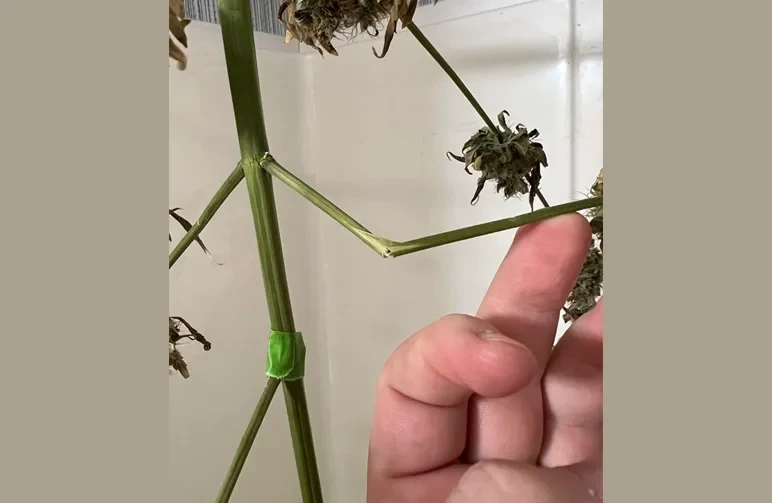
The Moment of Truth: A successful "snap test" in action. When the branch splinters cleanly like this instead of just folding or "vining," the internal moisture has migrated sufficiently out of the flower, and it’s time to start trimming. Image credit: u/PrimalShifty9 via Reddit. - Carefully "buck" the buds off the branches (separate the individual flowers from the main stems).
- Gently brush or snip away the crispy fan leaves and manicure the sugar leaves to your preferred finish.
The Pros of Dry Trimming (Why It's a Favorite for Connoisseurs)
Promotes a Slower, More Controlled Dry
The intact foliage acts like a built-in humidifier, stretching the dry window. This slow moisture migration allows for deeper chlorophyll breakdown, resulting in exceptionally smooth smoke. It's patience with a big payoff.
Results in Superior Flavor and Aroma
We routinely see louder terpenes and a richer mouthfeel after a proper slow dry and cure. The nose opens up—from gassy to zesty—without that green, chlorophyll bite. Connoisseur-grade quality starts here.
Less Sticky and Much Cleaner to Handle
Cured leaves are crispy, not sappy. Gloves stay clean, blades need fewer dunks, and the entire workflow stays zen. This is a huge plus when trimming indoors.
Often Produces Denser, Heavier Buds
Slower drying helps the bud maintain its structural integrity. Flowers settle tighter and often weigh slightly more when jarred due to reduced desiccation shock. It's not magic, just biology and patience.
The Cons of Dry Trimming (Potential Downsides)
Trimming is More Difficult and Tedious
Leaves curl inward as they dry, hiding their stems and making them harder to snip cleanly. You'll need to rotate and angle the bud more, making it meticulous work. Set a playlist and stay hydrated.
Higher Risk of Trichomes Breaking Off
Once crisp, trichomes become extremely fragile. Rough handling or an over-dry room can lead to significant resin head loss. Work over a kief screen and keep your RH stable to catch and minimize casualties.
Takes Up More Space During the Drying Phase
Hanging whole plants or long branches requires significant headroom and airflow lanes. Crowding your drying space is an invitation for mold.
Can Create a More "Natural" or "Shaggy" Look
If you don't go back for a detailed manicure, buds can look a touch wild. Some love the artisanal vibe, but those seeking dispensary-style perfection will need to invest extra touch-up time.
Wet vs. Dry Trimming: A Head-to-Head Comparison
Key Differences at a Glance
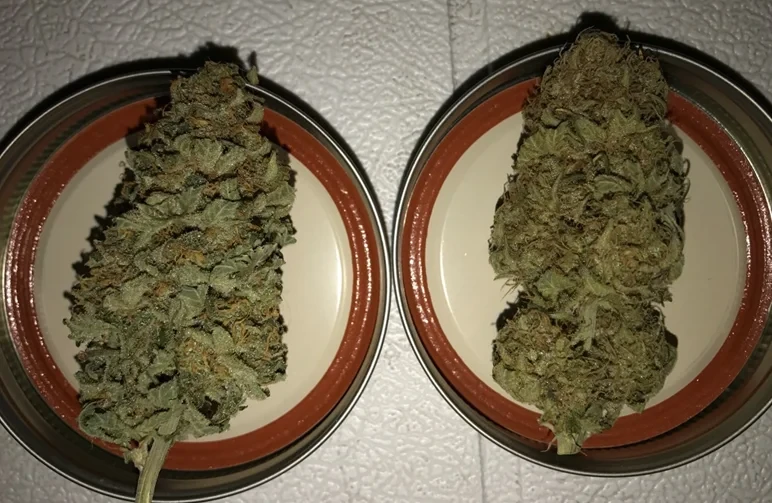
For a quick decision, here’s how the two methods stack up:
| Factor | Wet Trimming | Dry Trimming |
|---|---|---|
| Speed & Ease | Faster & Easier | Slower & More Meticulous |
| Final Quality | Good (Excellent for extracts) | Superior (For connoisseur flower) |
| Flavor/Aroma | Good | Excellent (Promotes terpene preservation) |
| Mess Factor | Very Sticky & Messy | Clean & Less Sticky |
| Drying Space | Requires Less Space | Requires More Space |
| Risk Factor | Mitigates Mold Risk | Mitigates "Hay Smell" Risk |
The Verdict: Which Trimming Method is Right for You?
Choose Wet Trimming If…
Your ambient RH runs high, space is limited, or you're processing a big harvest quickly. You want tight-looking buds fast, plan to make extracts, or you're newer and want an easier learning curve.
Choose Dry Trimming If…
You can maintain a stable 60–65°F and 55–60% RH for 10-16 days. You prioritize terpenes, mouthfeel, and density, and don't mind extra time on the scissors. This is your lane for connoisseur flower.
What About a Hybrid Approach?
We do hybrids often: remove all large fan leaves at chop (wet), hang the branches to slow-dry, then manicure the sugar leaves at the end (dry). This approach balances mold safety with terpene retention.
Always watch the plant, not just the calendar.
Don't Waste Your Trim! What to Do With Your Sugar Leaves
Once the primary trimming is done, you might be looking at a mountain of leftover plant material. Fortunately, there are plenty of easy ways to use sugar leaves and stems so that absolutely nothing goes to waste.
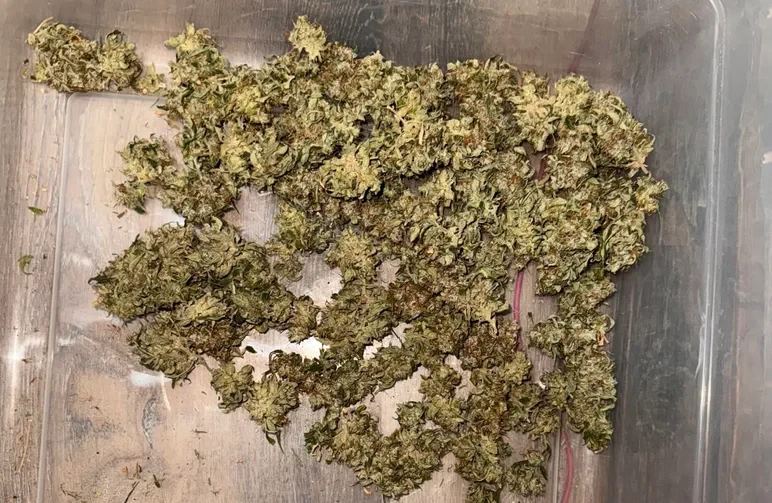
Making Cannabutter and Edibles
Decarb your trim at ~239 °F for 35–45 minutes. From there, understanding how to make cannabutter or infuse coconut oil will allow you to turn those sugary scraps into potent edibles like brownies, gummies, or savory treats.
Creating Dry Sift, Kief, or Hash
Freeze your trim, then gently agitate it over micron screens to collect pure kief. Or, use ice water extraction methods for high-grade bubble hash. The key is to keep everything cold to protect terpenes.
Crafting Tinctures and Topicals
High-proof ethanol or glycerin tinctures are simple and effective. After filtering, you can dose sublingually or fold the extract into balms with coconut/MCT oil.
Frequently Asked Questions
What are the main differences between wet and dry trimming cannabis?
Wet trimming involves trimming leaves immediately after harvest while the plant is wet, resulting in faster processing and lower mold risk.
Dry trimming means drying the plant first, then trimming, which promotes better flavor, denser buds, and a slower, more controlled cure.
How does trimming cannabis improve potency and flavor?
Trimming removes excess leaves, which contain chlorophyll and can cause a harsh taste.
This allows the buds to dry more evenly, preserving cannabinoids and the volatile terpenes responsible for aroma and flavor, leading to a smoother, more potent experience.
When should I choose wet trimming over dry trimming?
Choose wet trimming if you have high ambient humidity (above 60%), limited drying space, or a large harvest needing quick processing. It's also generally easier for beginners.
Is it possible to over-trim cannabis buds?
Yes, absolutely. Over-trimming by cutting into the calyx structure or removing all sugar leaves can reduce final weight, potency, and flavor.
A good trim enhances the bud's natural shape while leaving a delicate layer of frosty sugar leaves intact.
What are the most essential tools for effective cannabis trimming?
The non-negotiable tools are sharp, dedicated trimming scissors (curved-tip ones are best), nitrile gloves, a comfortable place to sit, and good lighting.
A trimming tray with a kief catch is highly recommended to collect valuable trichomes.
Are automatic trimmers worth it?
Automatic trimmers are a lifesaver for large, commercial harvests where speed is critical. They work best with wet trimming. However, for top-shelf quality, they can be too aggressive on trichomes.
Most craft growers prefer the precision of hand-trimming.