

We've all misread a thirsty plant or babied one into a swamp. Overwatering vs. underwatering cannabis is the classic beginner trap, and it still nips veterans when environments swing.
The good news? Once you know what to look for at the root zone and on the leaves, you can diagnose in minutes and bounce back fast.
While watering is the most common issue, if these symptoms don't quite match, our complete cannabis troubleshooting guide can help you pinpoint other potential problems.
In our rooms, we've rescued plenty—autos, photos, indoor tents, and backyard beasts. Below, we break down the real tells, the quick tests we trust, and step-by-step recovery plans.
The number one rule: Watch the plant, not the calendar. Let's get those girls drinking just right.
Key Takeaways
- Proper watering is the engine for nutrient uptake and photosynthesis in cannabis plants.
- Overwatering = Heavy, drooping leaves, soggy soil, and stunted growth from a lack of oxygen at the roots.
- Underwatering = Limp, crispy leaves, dry soil, and rapid yellowing from dehydration.
- Use the finger test and the pot lift method to get an accurate read on your plant's needs before you water.
- To fix overwatering: Stop watering, boost airflow to the roots, and only consider transplanting in severe cases.
- To revive an underwatered plant: Water slowly and thoroughly until you see runoff, then get back on a consistent schedule.
Why Proper Watering is Critical for Healthy Cannabis Plants
The Role of Water in Nutrient Uptake and Photosynthesis
Think of water as the courier, the coolant, and the chemistry set.
It dissolves mineral salts in your soil or coco so roots can absorb them, then ferries those nutrients up through the plant to power everything from chlorophyll production to bud development.
Without the right moisture level, even perfectly mixed nutrients can't get where they need to go. The result: pale leaves, weak stems, and stalled growth.
The Dangers of Imbalance: What Happens at the Root Zone
The root zone is an engine that needs a perfect mix of fuel (water) and air (oxygen).
Overwatering drowns this engine. It pushes oxygen out of the soil, suffocating roots. Beneficial microbes die off, and pathogens that cause root rot (like Pythium) throw a party.
Underwatering starves the engine. Roots don't have enough water to move nutrients into the plant, leading to wilting, crispy leaves, and signs of nutrient lockout, even in rich soil.
Either extreme throws your plant's growth off schedule, something you can't afford, especially with autoflowers.
Overwatering vs. Underwatering: The Quick Diagnostic Chart
Before we dive deep, here’s a quick cheat sheet. Use this table for a fast diagnosis.
| Symptom | Overwatered Plant | Underwatered Plant |
|---|---|---|
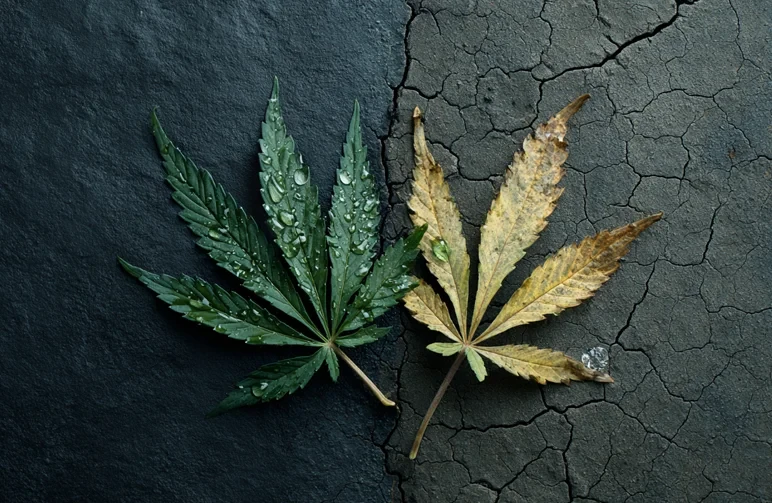
| Leaf Feel | Firm, heavy, swollen, curled down (claw) | Limp, thin, papery, sometimes crispy |
| Leaf Droop | Leaves droop from the petiole (stem) down | The entire branch and leaf structure wilts |
| Soil | Stays dark and wet for days; may have algae | Light-colored, hard, pulling away from pot edges |
| Pot Weight | Consistently heavy, even days after watering | Feels surprisingly light |
| Recovery | Slow recovery; needs time to dry out | Fast recovery; perks up within hours of watering |
Deep Dive: Diagnosing an Overwatered Cannabis Plant
Key Symptoms of Overwatering
Consistently Wet or Soggy Soil
The topsoil looks glossy or stays dark and damp for days. The pot feels heavy long after the last watering. You see no "dry-back."
Heavy, Swollen, and Downward-Curling Leaves
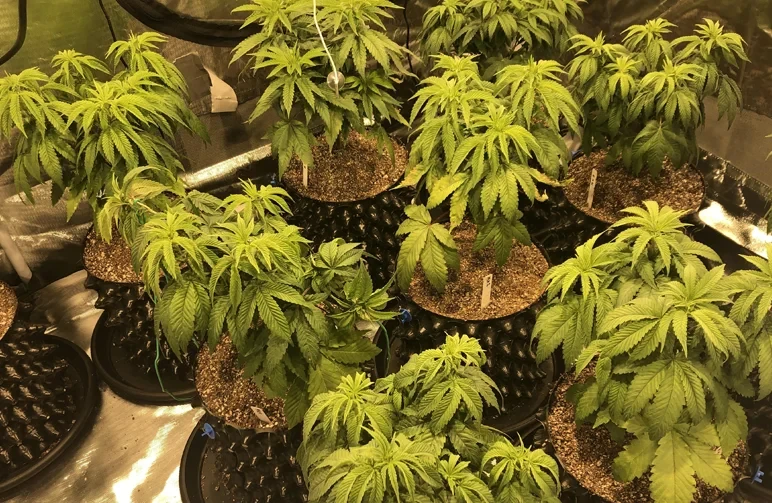
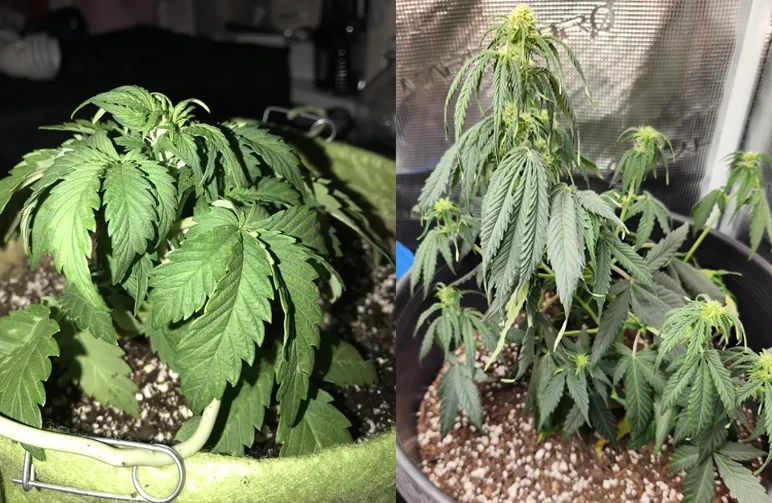
This is the classic "claw." The leaves look overfilled and curl downwards from the stem, like they're too heavy to hold themselves up.
Stunted or Slowed Growth
New growth is small, and the plant just seems stuck. This is a telltale sign that the roots are suffocating and can't support new development.
Development of Root Rot (Brown, Mushy Roots)
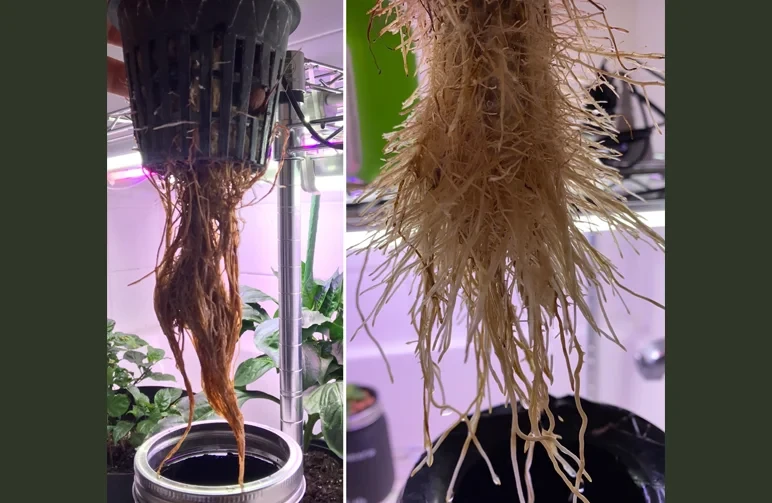
The ultimate sign of overwatering. Healthy roots are bright white and smell earthy. Rotted roots are brown, slimy, fragile, and can have a sour, swampy smell.
Presence of Fungus Gnats or Algae on Topsoil
Those annoying little black flies love consistently wet soil. If you see them, you're likely overwatering. Green algae on your topsoil is another dead giveaway.
Common Causes of Overwatering
- Watering Too Frequently: The classic mistake. Watering on a fixed schedule instead of when the plant needs it.
- Poor Drainage: Using pots with no drainage holes or a heavy, compacted soil mix that holds too much water.
- A Pot That's Too Big: A small plant in a huge pot can't drink all the water, leaving the soil in the outer regions soggy for weeks.
- Cool, Humid Environments: Low temperatures and high humidity slow down the plant's water usage, making it easy to overwater.
Deep Dive: Diagnosing an Underwatered Cannabis Plant
Key Symptoms of Underwatering
Dry, Compacted Soil Pulling Away from the Pot's Edge
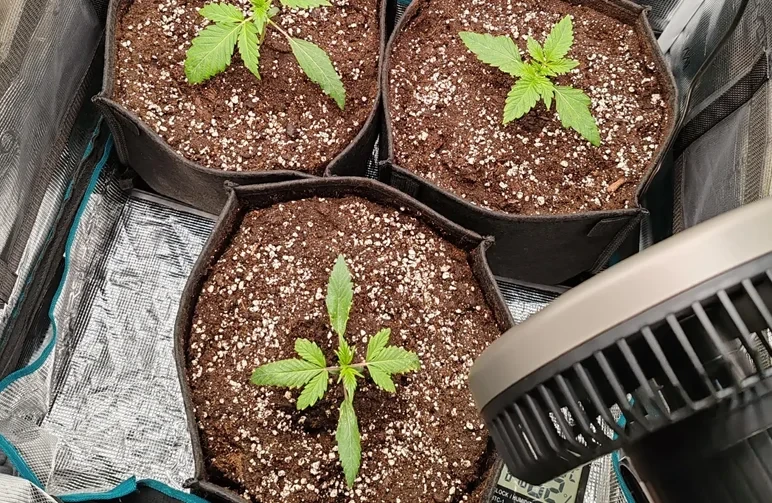
The soil shrinks as it dries, leaving a gap between the soil and the pot. When you water, it might run straight down this gap and out the bottom.
Limp, Lifeless, and Wilting Appearance
The whole plant looks exhausted. The leaves and stems hang down like flags on a windless day. This is the most obvious sign.
Thin, Brittle, or Crispy-Feeling Leaves
The leaves feel thin and papery. The edges might even be crispy to the touch. The plant is losing its internal water pressure.
Rapid Yellowing and Drying of Lower Leaves
The plant sacrifices its older, lower leaves to save the new growth. They will quickly turn yellow, then brown and crispy.
Common Causes of Underwatering
- Infrequent Watering or Neglect: Life happens. A busy week can lead to a very thirsty plant.
- Small Pots: A large plant in a small pot will drink all the available water very quickly, especially under strong lights.
- High Heat or Low Humidity: Hot, dry environments cause plants to "sweat" (transpire) more, rapidly depleting their water reserves.
- Rootbound Plants: A tangled mass of roots has nowhere to go and can't absorb water efficiently, even if the soil is moist.
Simple Diagnostic Tests You Can Trust
The Finger Test: Checking Soil Moisture Manually
The oldest trick in the book. Wash your hands, then push your index finger down into the soil up to your second knuckle. If it feels dry, it's time to water. If it's cool and moist, wait another day.
The "Lift the Pot" Method: Gauging Weight
This is a grower's secret weapon. Right after you've watered a plant thoroughly, pick it up to feel its "full" weight. Check it every day. When it feels significantly lighter (like 35-45% lighter), you know it's ready for another drink. This method is incredibly accurate once you get the hang of it.
How to Fix an Overwatered Cannabis Plant: A Step-by-Step Recovery Plan
Step 1: Stop Watering Immediately and Allow the Soil to Dry
This is the most critical step. Do not add more water. Increase airflow around the base of the pot with a small fan to help the soil dry out faster.
Step 2: Improve Aeration and Oxygen to the Roots
If the soil is heavily compacted, you can carefully poke a few deep holes with a bamboo skewer to let air in. For your next grow, make sure your soil mix has at least 25-30% perlite or pumice for better aeration.
Step 3: Assess for and Treat Root Rot if Necessary
If the plant doesn't improve as the soil dries, you may have root rot. You'll need to gently un-pot the plant, inspect the roots, and trim away any brown, mushy parts with sterile scissors. Re-potting into fresh, well-aerated soil with beneficial microbes can help.
Step 4: When to Consider Transplanting
If the soil is like a swamp and smells sour, don't wait. Transplanting into fresh, dry, airy soil is your best bet to save the plant. Water very lightly after the transplant.
How to Revive an Underwatered Cannabis Plant: A Guide to Rehydration
Step 1: Water Thoroughly Until Runoff Appears
Rehydrate the entire root ball. Water slowly and in stages, allowing the dry soil to absorb the moisture fully. Aim for about 10-20% of the water to run out of the bottom drainage holes.
Step 2: Monitor the Plant's Recovery
You should see a dramatic improvement within a few hours as the leaves perk back up. Avoid giving heavy nutrients immediately; let the plant stabilize with plain, pH-balanced water first.
Step 3: Re-establish a Consistent Watering Routine
Don't let it happen again! Use the lift test and finger test to create a consistent rhythm. For most indoor setups, this ends up being every 2-3 days.
Prevention is Key: Best Practices for Perfect Cannabis Watering
Choosing the Right Pot: Drainage is Everything
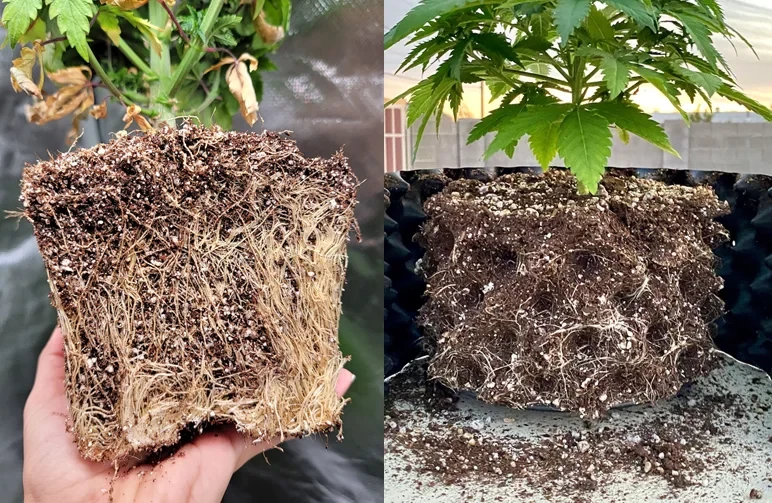
Fabric Pots: The best choice for preventing overwatering. They allow roots to breathe from the sides, promoting healthier growth and faster dry-out times.
Plastic Pots: Perfectly fine, but make sure they have plenty of drainage holes. Don't be afraid to drill more if you need to.
Creating the Perfect Soil Mix for Optimal Drainage
A good recipe is a quality potting soil or coco coir mixed with 25-35% aeration like perlite or pumice. This creates a light, fluffy medium that holds water but also contains plenty of oxygen.
How to Water Cannabis Correctly: Technique Matters
Water Slowly and Evenly: Pour water gently around the base of the plant, not just in one spot. This ensures the entire root zone gets hydrated.
Aim for 10-20% Runoff: This small amount of runoff flushes out any excess nutrient salts and confirms you've watered thoroughly. Always discard the runoff water.
Understanding Your Plant's Needs Through Different Growth Stages
- Seedling Stage: Tiny roots need tiny sips. Keep the soil lightly moist, not soaked.
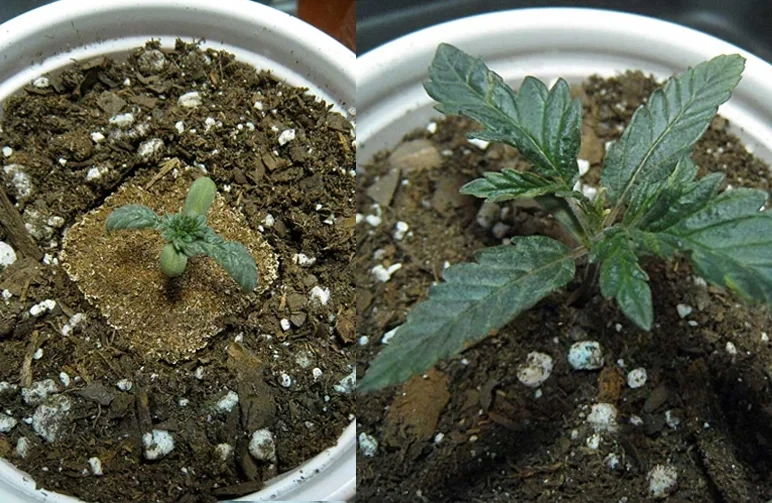
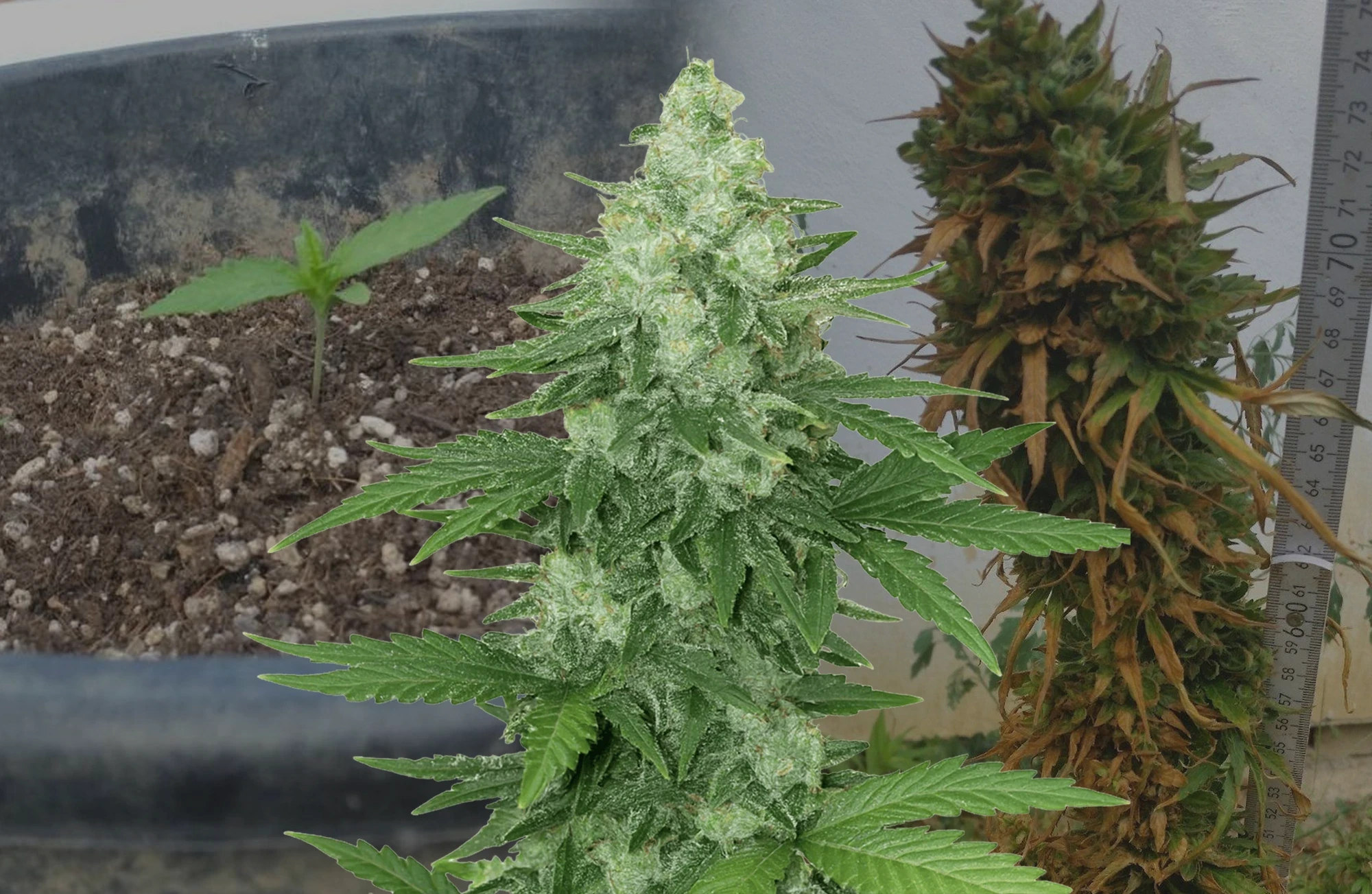
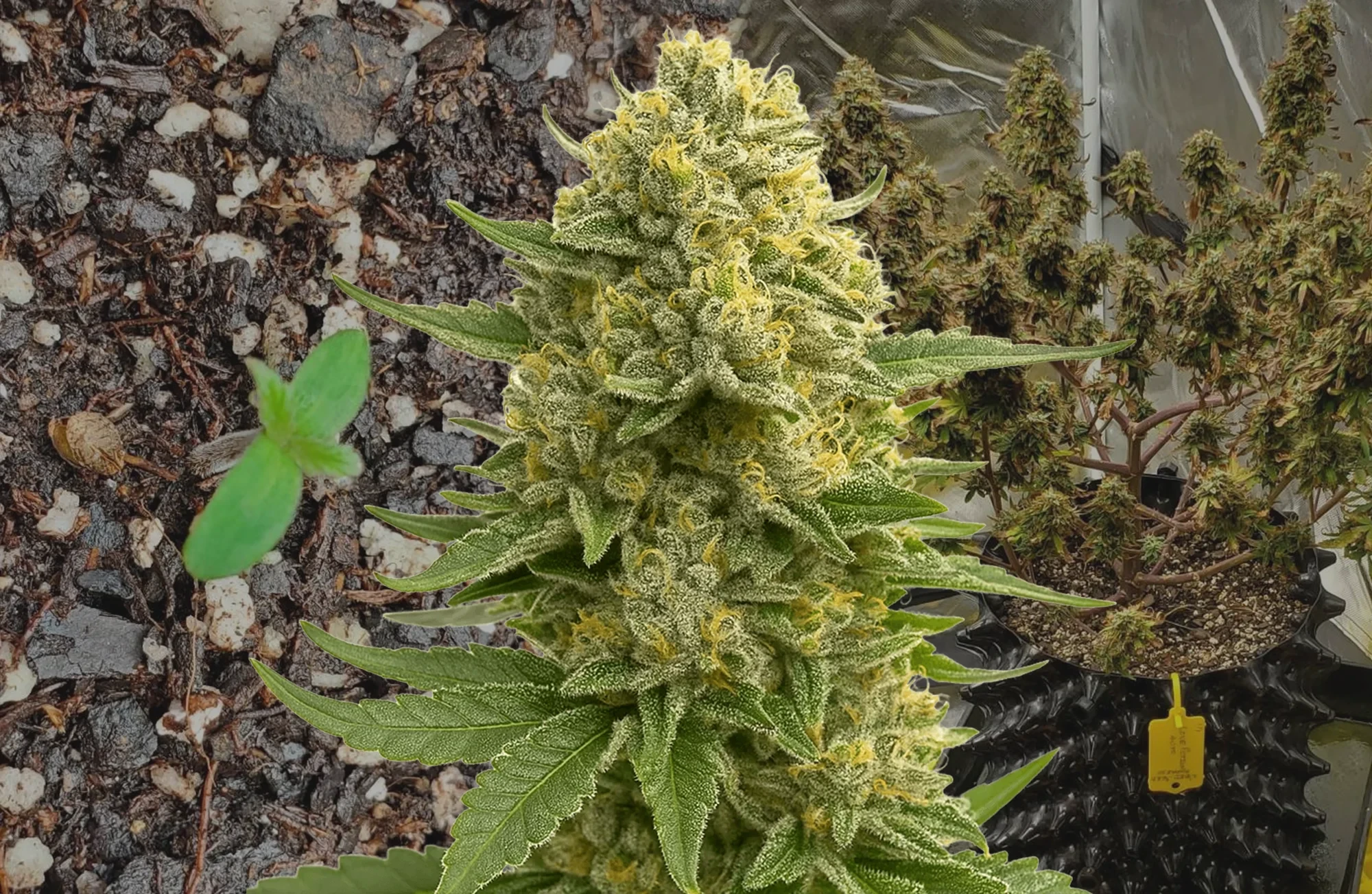
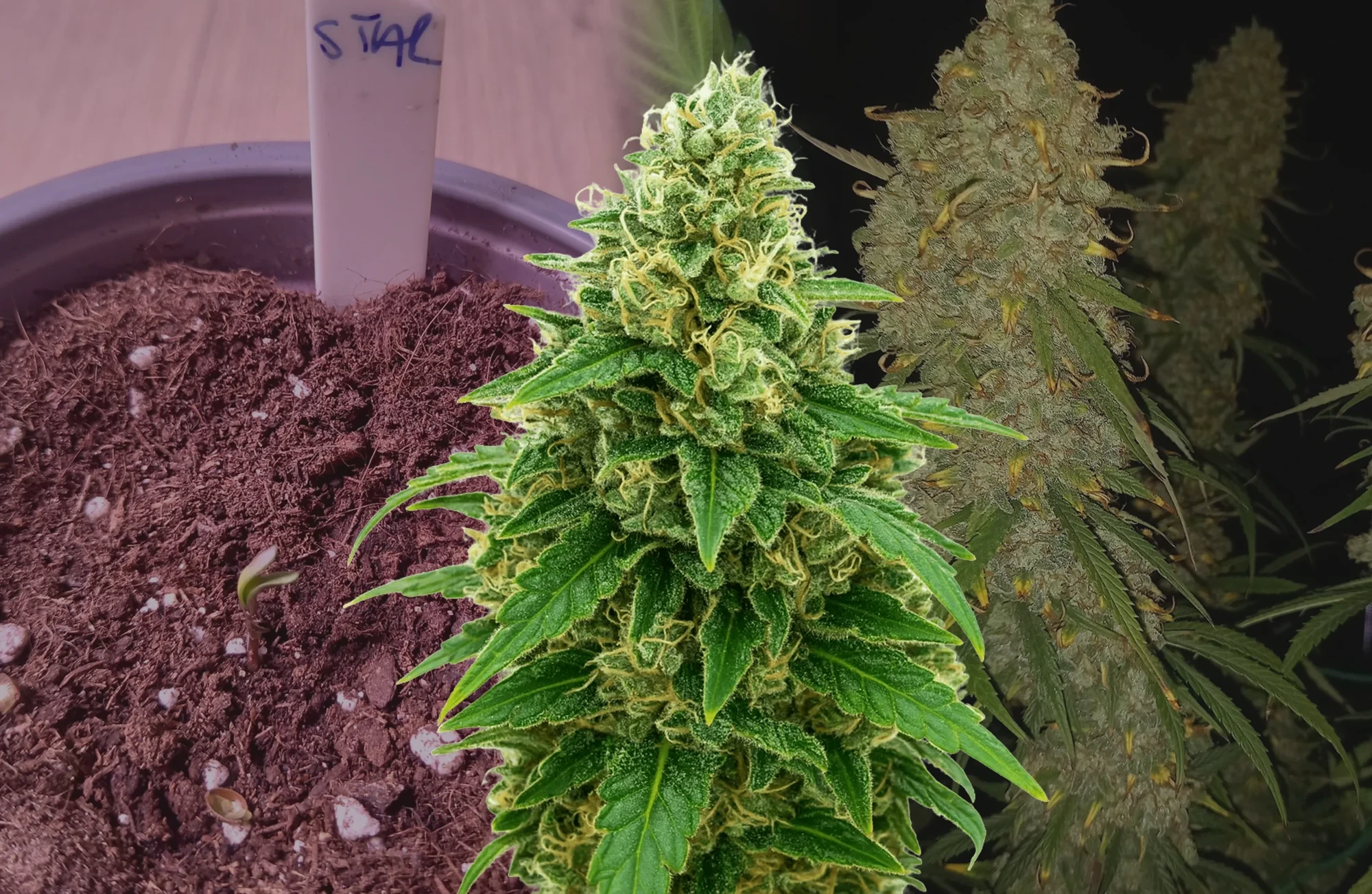
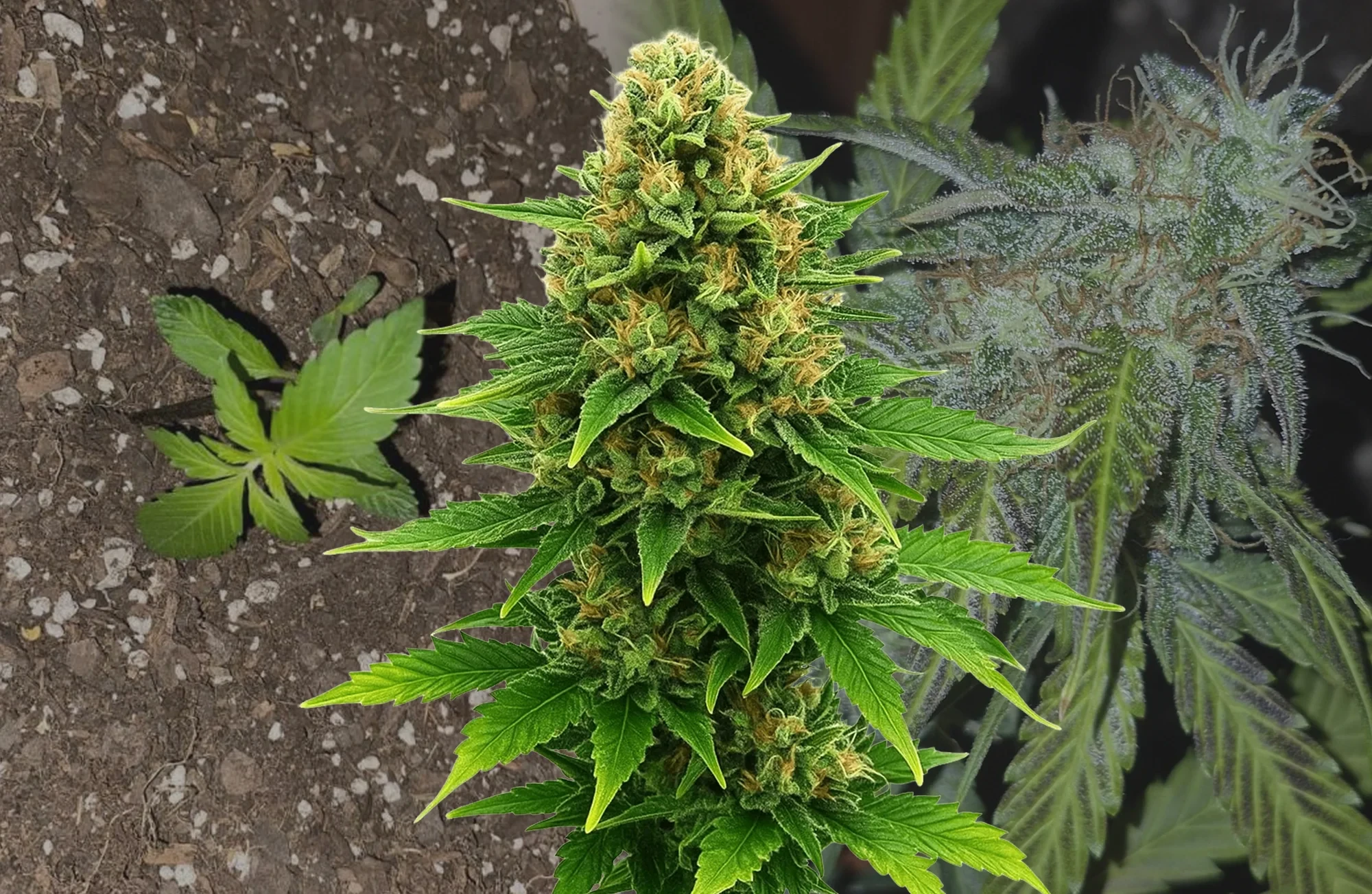
The Seedling Save: Don't give up on a struggling sprout. This before-and-after shows a stunted seedling (left) that successfully transitioned into a vigorous plant (right) once the watering and environment were dialed in (Credit: Nebula Haze / GrowWeedEasy.com). - Vegetative Stage: As the plant grows, its thirst will increase dramatically. Start using the lift test to find your rhythm.
- Flowering Stage: Water needs can be high, but this is also when roots are most susceptible to rot. Be precise and keep the air moving to prevent mold and mildew.
Overwatering vs. Underwatering FAQ
How often should I be watering my cannabis plants?
There's no magic number. It depends entirely on your environment, pot size, plant size, and soil type. Use the finger test and the lift test to let the plant tell you when it's thirsty—usually every 2-3 days for indoor plants in 3-5 gallon pots.
Is it better to overwater or underwater cannabis?
If you had to choose, it's always better to slightly underwater. Plants can bounce back from being thirsty very quickly, but they can take a long time to recover from suffocated, rotting roots.
Can my plants recover from severe root rot?
Recovery from mild root rot is possible if caught early. But if the rot is widespread and the plant is already in late flower, it can be very difficult. Often, it's better to learn the lesson and ensure it doesn't happen on your next run.
Do watering needs change based on the cannabis strain?
Absolutely. Some squat, dense Indica strains prefer to get a bit drier between waterings, while some lanky Sativa strains can be incredibly thirsty, especially in warmer rooms. Always observe your specific plant.