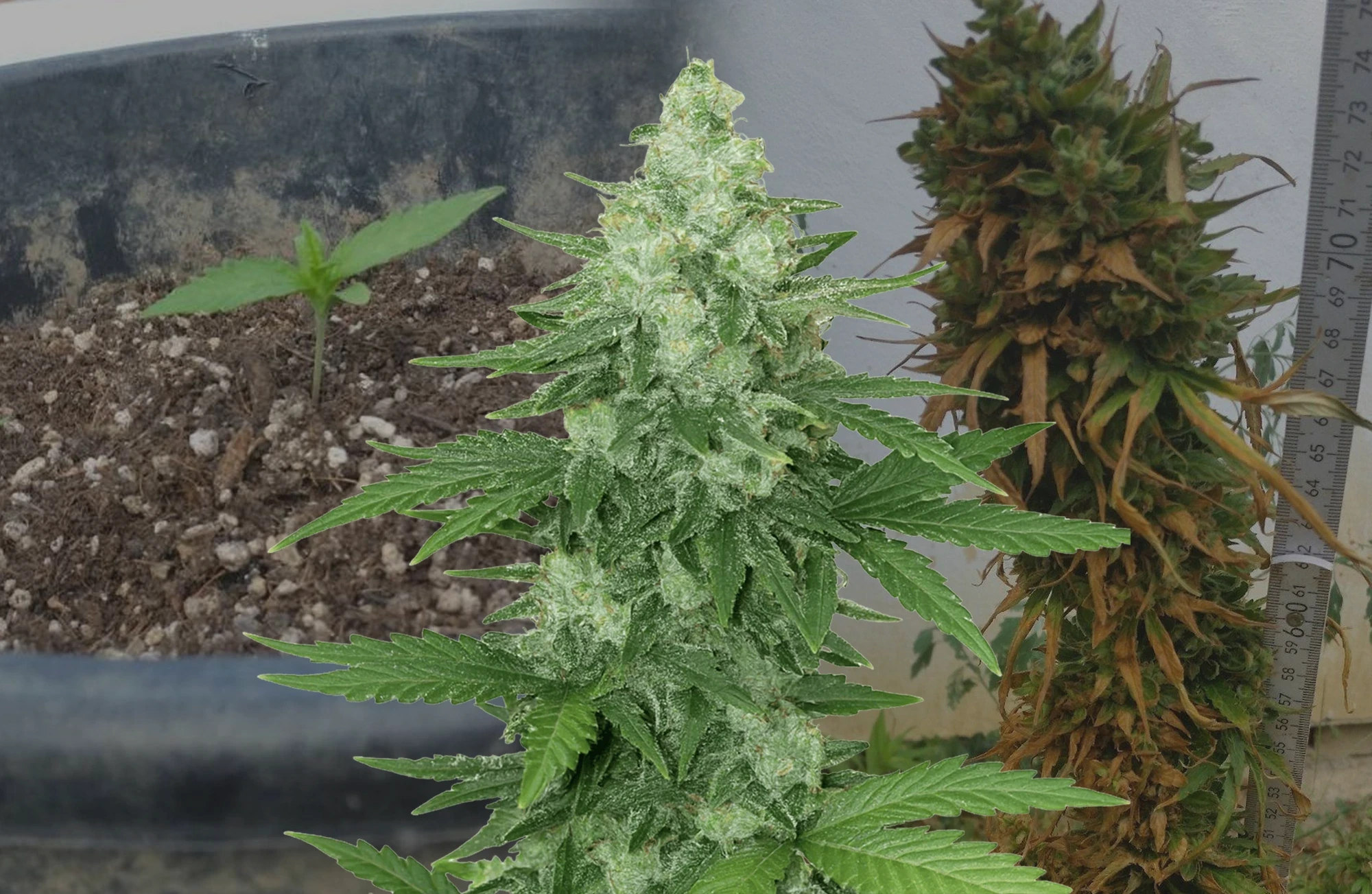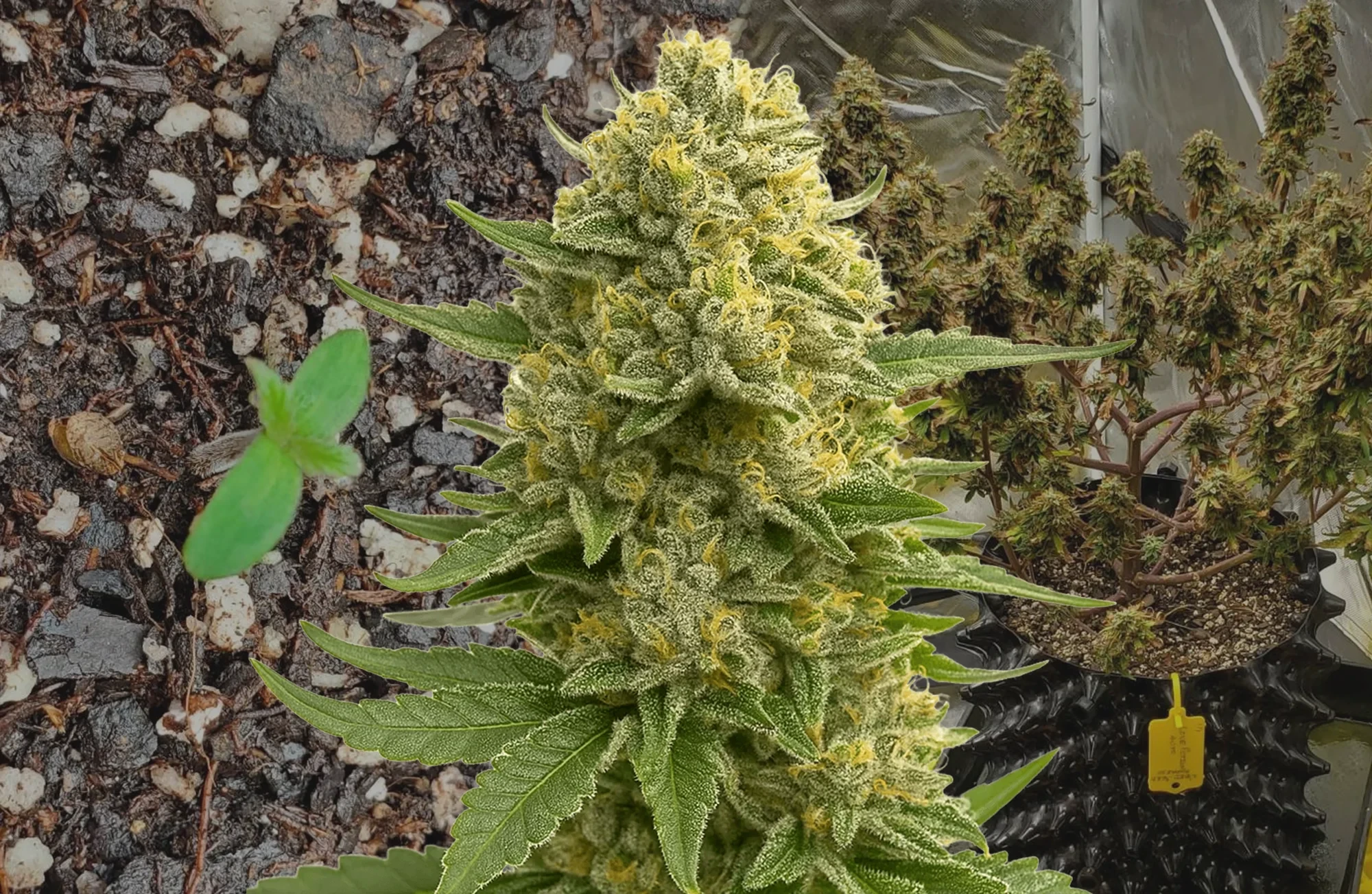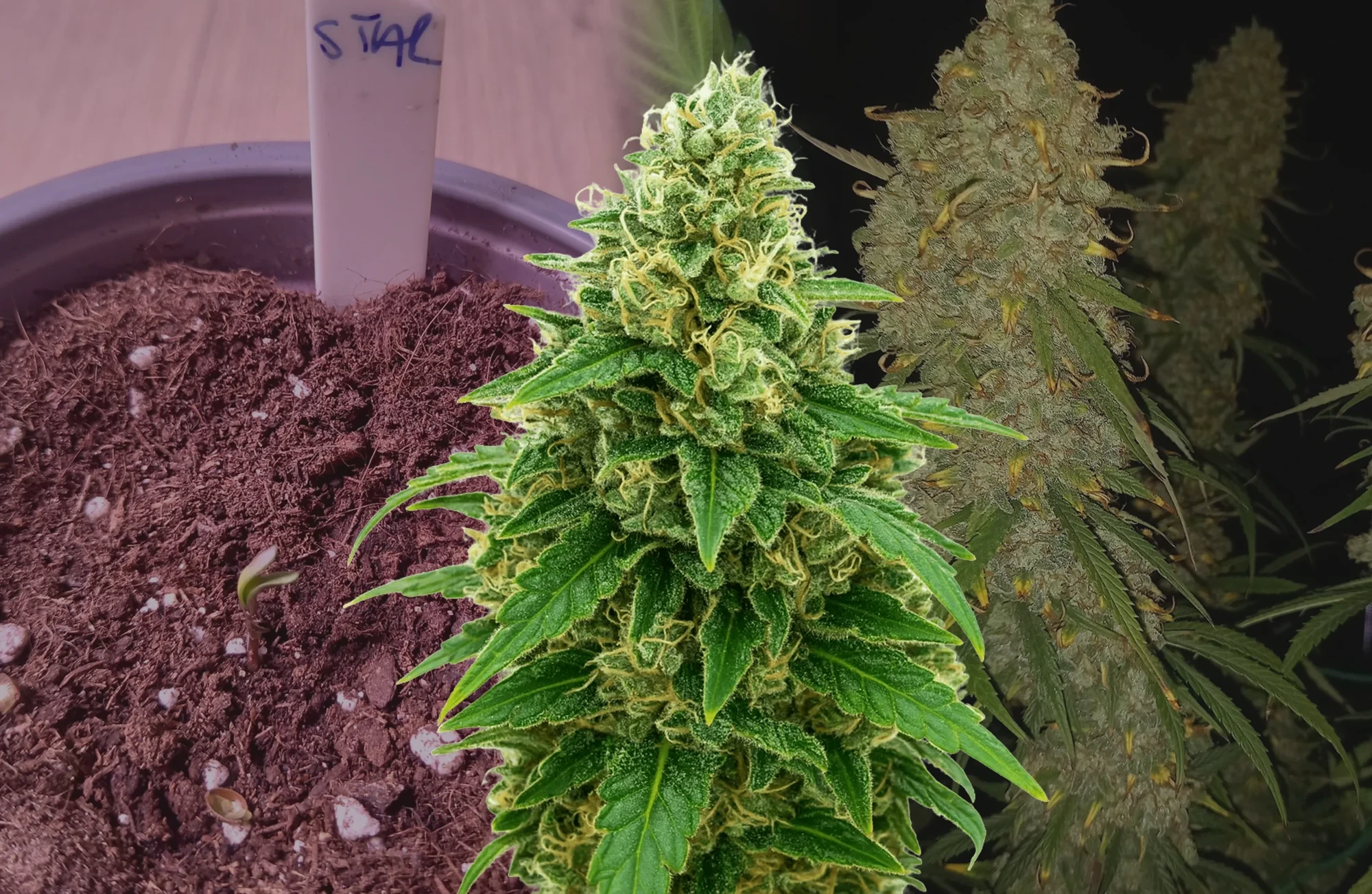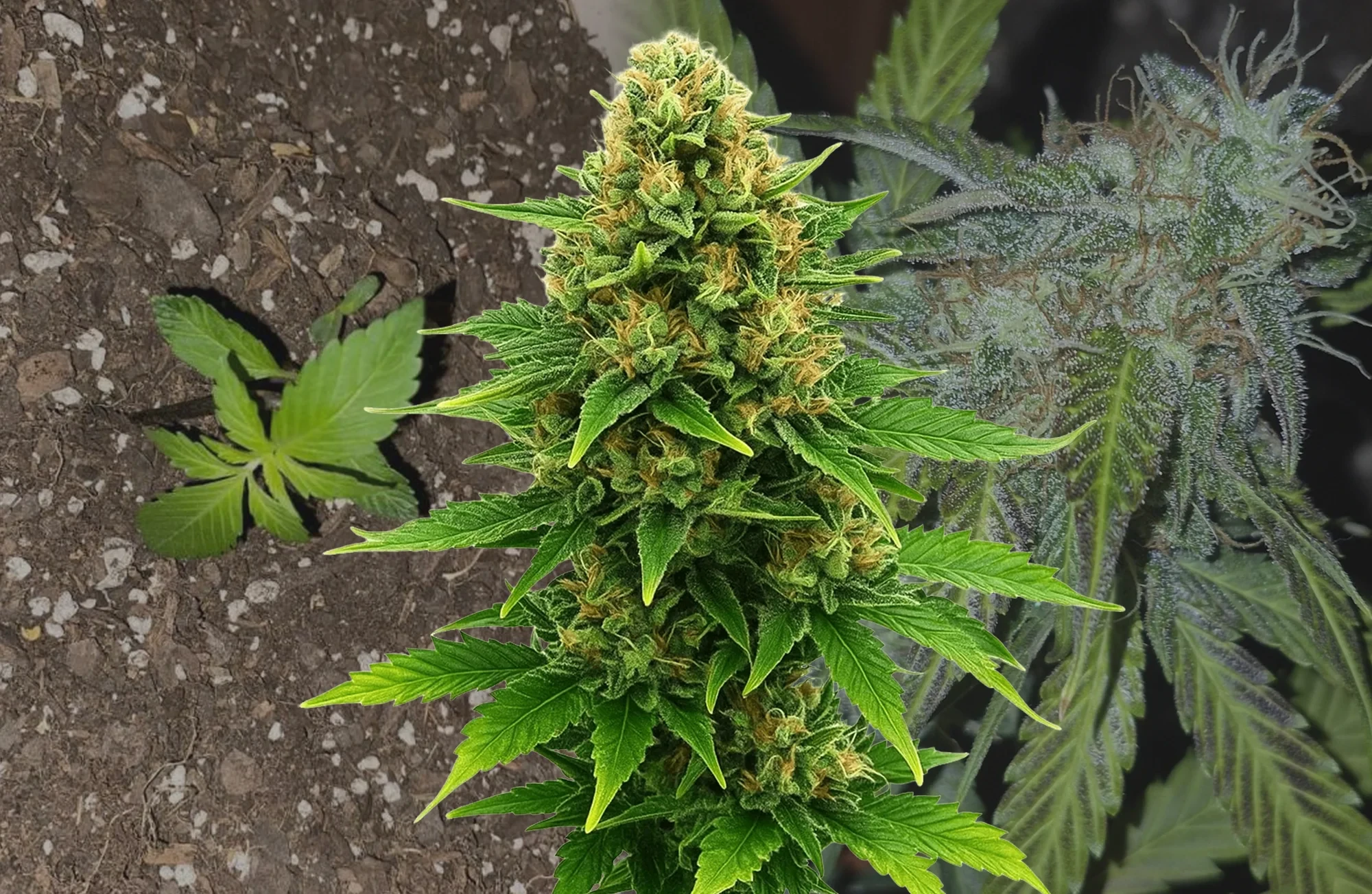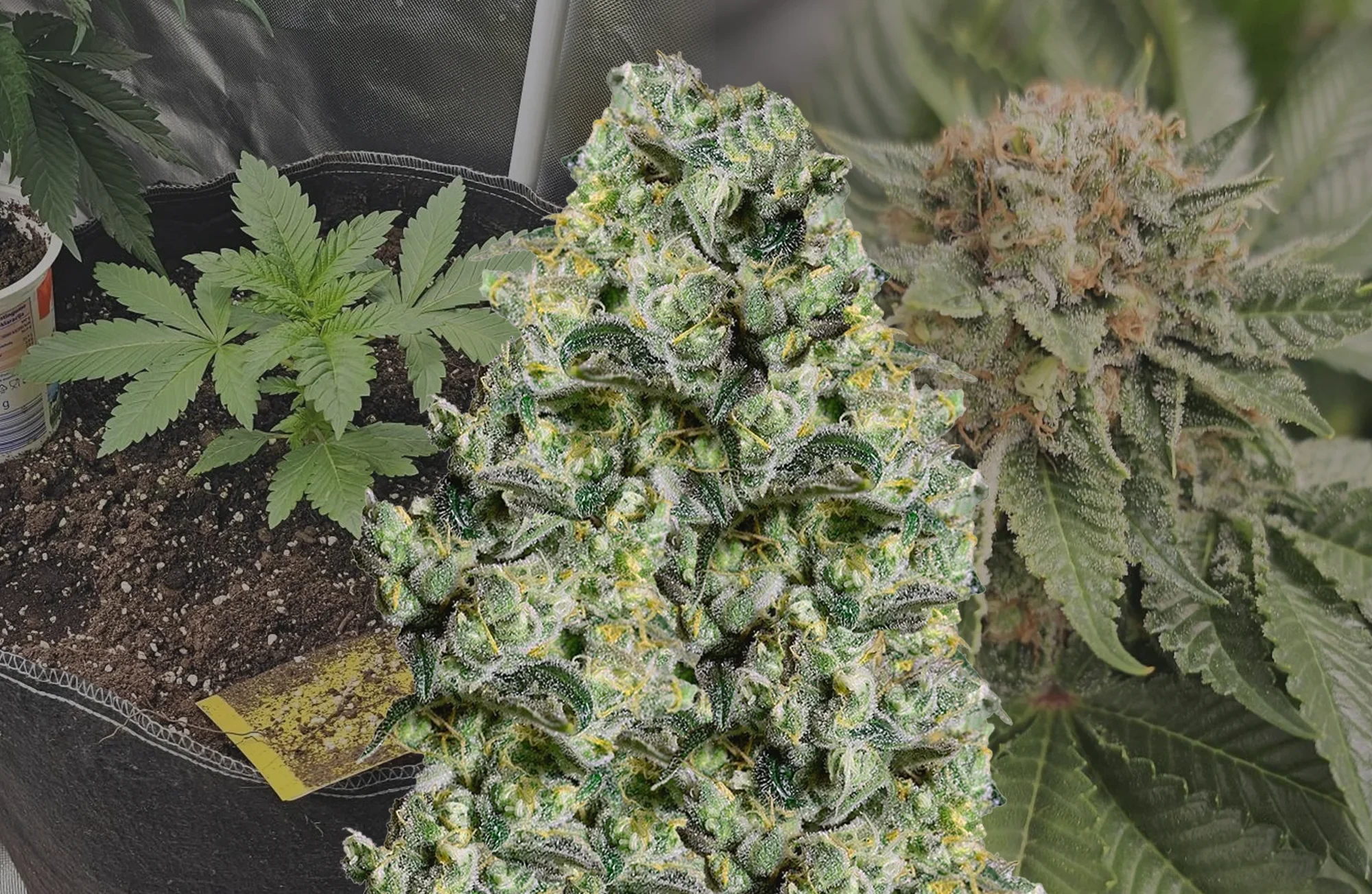


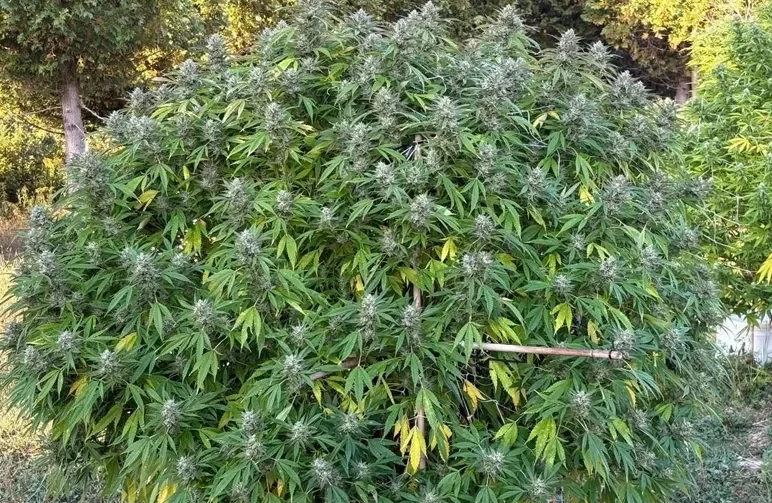
We've been there, and the verdict is crystal: picking the right spot makes or breaks your outdoor run.
This guide to finding the perfect spot for your outdoor grow hits sunlight, soil, water, airflow, privacy, and laws so you can stack the deck for yield, potency, and peace of mind.
Watch the plant, not the calendar, but start with the right terrain. Let's lock it in.
Key Takeaways
- Sun is Paramount: Maximize yield and potency by choosing a spot with 6–8+ hours of direct sunlight. South-facing locations are ideal in the Northern Hemisphere.
- Soil is Foundation: Select or create loamy, well-drained soil with a pH between 6.0 and 7.0 to foster explosive root growth and prevent rot.
- Water is Life: Ensure you have convenient access to a quality water source. Consistency in watering, especially during heatwaves, is non-negotiable.
- Stealth is Policy: Prioritize privacy to reduce stress and the risk of theft. Use natural sight-line blockers and understand your local laws.
- Airflow is Health: Balance gentle breezes to strengthen stems and prevent mould, while protecting plants from damaging winds with natural breaks.
- Compliance is Key: Always grow within the limits of your local laws and regulations to avoid legal trouble.
Why Your Grow Spot Location is the Most Critical Decision You'll Make
Maximizing Yield and Potency with the Right Environment
Cannabis is a sun-chasing, root-loving engine. Give it 6–8+ hours of direct sun, loamy soil, clean water, and balanced airflow, and you'll see denser buds, higher terpene expression, and stronger cannabinoid profiles.
South-facing aspects (Northern Hemisphere) supercharge growth and resin.
Preventing Common Problems Before They Start
Half of all outdoor "issues" are location problems in disguise. Poor drainage equals root rot. Not enough sun equals airy buds and mildew. Distant water equals neglect. Bad privacy equals stress (yours and the plant's).
Choose right once: prevent pests, mould, theft, and constant firefighting.
The Non-Negotiables: 5 Essential Elements for a Successful Outdoor Grow
Sunlight: The Engine of Cannabis Growth
If there's one hill we'll die on, it's sun exposure. More direct light = more photosynthesis = more bud weight. Map out shadows now, not in July, and remember the sun's angle shifts as the seasons roll.
How Many Hours of Direct Sunlight Do Cannabis Plants Need?
Aim for a hard minimum of 6 hours of direct sun, with 8+ hours being the gold standard. Morning-to-midday sun is ideal: it dries dew fast and powers vigorous growth without the stress of intense late-afternoon heat.
The Importance of South-Facing Locations in the Northern Hemisphere
South-facing slopes, yards, and balconies are prime real estate because they catch the longest arcs of sun. East-southeast can also be excellent. In the Southern Hemisphere, just flip the logic—north-facing is your friend.
Observing Shadows and Microclimates Throughout the Day
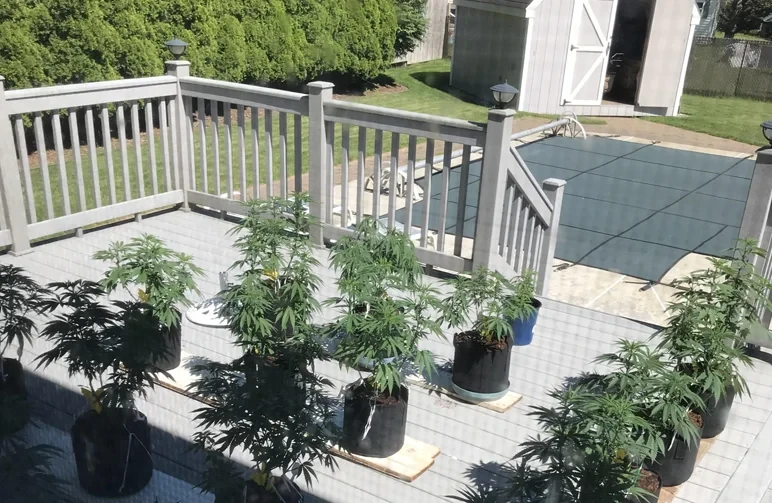
Scout your potential spots over several days at different times. Note where trees and buildings cast shadows. Look for heat pockets next to brick walls, low spots that trap cold air, and natural breezy corridors.
Microclimates win grows. Learn to use them.
Water Access: The Lifeblood of Your Plants
You'll water more than you think. Proximity saves your back, keeps your schedule tight, and prevents critical under-watering during heatwaves. Convenience = consistency.
The Convenience of a Nearby Water Source
Whether it's the reach of a hose, a collection of rain barrels, or a portable tote for guerrilla runs, make a realistic plan. If accessing your water source is a pain, you will skip days. Don't let that happen.
Water Quality and pH: What Your Cannabis Prefers
Target a pH between 6.0–7.0 (the sweet spot is 6.2–6.6). Hard water? Let it sit for 24 hours before use. If you're using water from a creek or pond, test its EC and pH and be mindful of contaminants.
Soil Quality: The Foundation of Healthy Roots
Your plant's roots are its factory floor. Start with quality media, and your plants will repay you with vigorous, resilient growth.
What is Loamy Soil and Why is it Ideal for Cannabis?
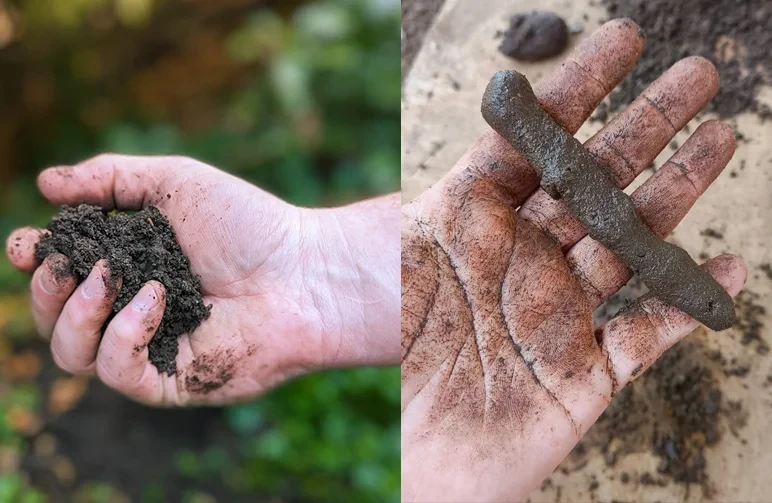
Loam is that perfect, airy-springy blend of sand, silt, and clay, rich with organic matter. It drains well but holds just enough moisture and oxygen, creating the perfect environment for explosive root growth.
The Critical Role of Good Drainage to Prevent Root Rot
Soggy holes kill plants. Period. If water pools in your spot after it rains, either move or build a raised bed. Amend your soil heavily with perlite, pumice, compost, and other coarse organic material. Elevated mounds are clutch in wet climates.
Testing and Amending Your Soil for Optimal pH (6.0-7.0)
Use a simple soil test kit from any garden store. Amend acidic (low pH) soils with dolomite lime; amend alkaline (high pH) soils with sulfur or peat moss. Always mix in high-quality compost or super soil to stabilize the pH and boost soil biology.
Privacy and Security: Keeping Your Crop Safe
Stealth isn't paranoia: it's policy. The fewer eyes on your crop, the fewer problems you'll have.
The Importance of Discretion from Neighbors and Passersby
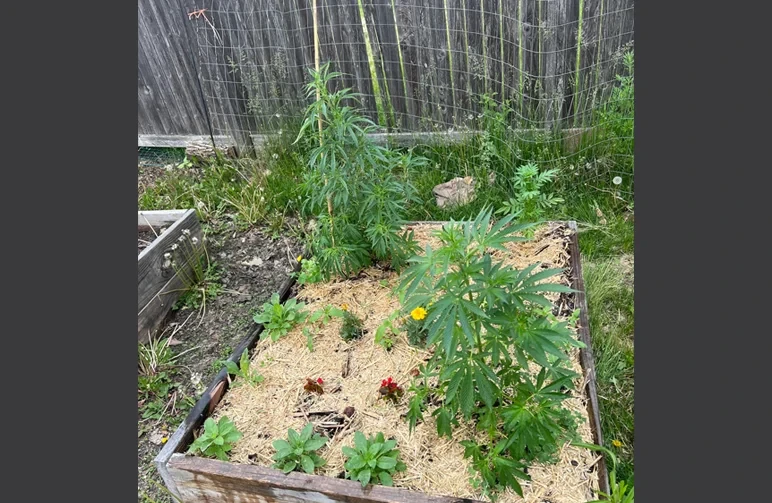
Site your plants behind existing fences, shrubs, or a trellis of companion plants like tomatoes or sunflowers. Check for sight-lines from second-story windows and public sidewalks. Motion-activated lights or cameras are cheap insurance.
Considering Odor Control in Your Location Choice
Those funky, loud terpenes can travel. If possible, position your garden downwind of your neighbors' properties. During late flower, you can place odor-absorbing gels nearby or plant aromatic companion plants like lavender or mint to help mask the smell.
Understanding and Adhering to Local Laws and Regulations
Before you plant a single seed, check your local rules on plant limits, setback requirements from property lines, and visibility restrictions. Compliance beats confiscation, always. If growing is not legal where you live, don't risk it.
Protection from the Elements: Wind and Weather
You need good airflow to prevent mould, but you don't want your plants thrashed by the wind. Finding that balance is key.
Finding a Balance: The Benefits of Good Airflow
A light, continuous breeze is your best friend. It strengthens stems and keeps leaf surfaces dry—mildew hates it. Stagnant, humid air pockets are an open invitation for pests and botrytis (bud rot). Keep the air moving.
Using Natural Windbreaks to Prevent Damage
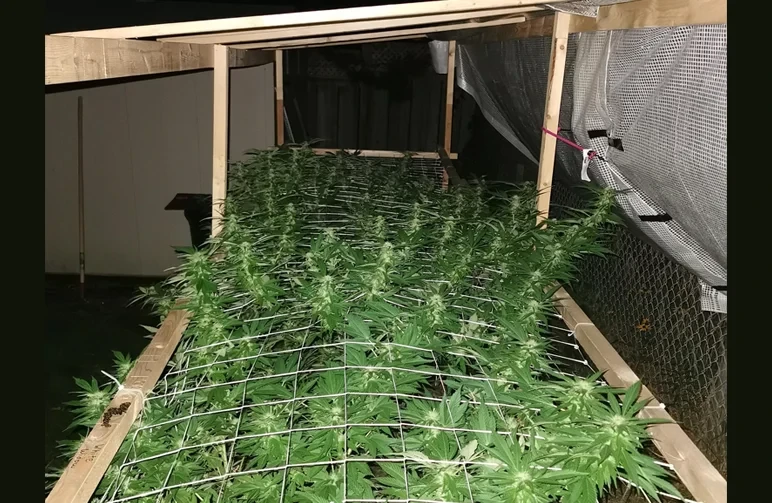
Hedges, fences, and existing shrubs can break harsh gusts without stopping airflow completely. If you're on open land, use a south-facing wall for protection or install permeable netting.
Solid walls can create nasty turbulence, so avoid them if you can.
Grower's Toolkit: Site Selection Checklist
Before you commit, make sure you have the right tools for the job. A little prep now saves major headaches later.
- Soil pH Test Kit: The single most important tool for assessing your ground plot.
- Quality Compost/Worm Castings: To amend and supercharge your native soil.
- Perlite or Pumice: For ensuring your soil has that critical aeration and drainage.
- Reliable Water Source: A hose that reaches, a large rain barrel, or a portable water tank.
- Natural Camouflage: Companion plants like sunflowers, corn, or tomatoes.
- Plant Stakes & Ties: To provide support against unexpected wind gusts.
Advanced Site Selection: Fine-Tuning Your Grow Spot
Guerrilla Growing: Tips for Growing Off the Beaten Path
We've done our share of deep-woods runs. Rule one: stay discreet and leave no trace. Rule two: plan your water and access route before you pop a single seed.
Choosing Remote Locations for Ultimate Secrecy
Seek out spots far from casual hiking trails, hidden by natural cover like brambles, deadfall, or tall brush. Use camouflage-patterned strains and stagger your planting to reduce the chance of detection.
Assessing Accessibility for Maintenance and Watering
If getting to your spot requires a mini-expedition, you won't visit it enough for proper care. Cache water nearby, use a thick layer of mulch to stretch watering intervals, and schedule your trips for dawn or dusk.
Backyard and Garden Growing: Convenience and Control
Your home turf wins on oversight. You can train your plants daily, feed them precisely, and react instantly to weather swings or pest pressure.
In-Ground vs. Container Growing: Pros and Cons
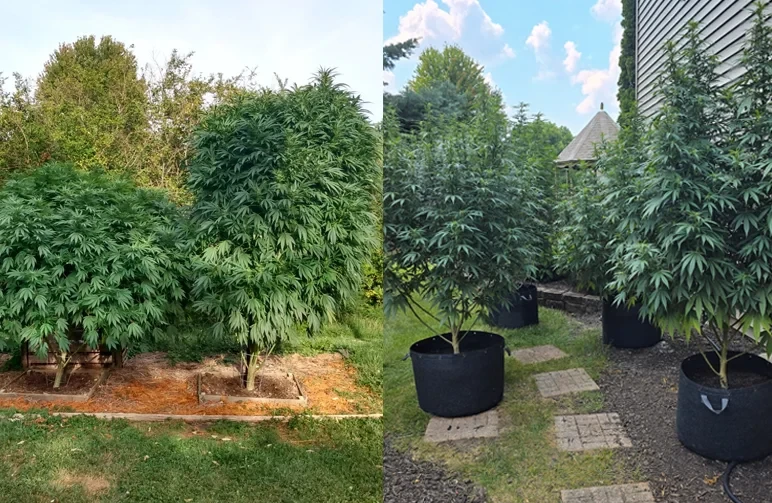
In-ground or raised beds can produce absolute monsters if your soil is right, allowing for massive root volume. Pots offer mobility, perfect drainage control, and a cleaner harvest, but they require more frequent watering.
Maximizing Space and Sunlight on Your Property
Use the sunniest corridor of your yard. Rotate your pots weekly for even growth. Consider training techniques like a ScrOG along a fence, and use bright white walls to bounce extra light onto your plants.
Protecting Your Plants from Pests and Wildlife
The outdoors is nature's arena. You need to stack the odds in your favor. For a deeper dive, read our Complete Guide to Outdoor Cannabis Pests.
Identifying and Mitigating Common Outdoor Threats
Keep a close eye out for aphids, spider mites, caterpillars, deer, and rabbits. Use preventative sprays like neem oil early in the season, set up sticky traps, and use low fencing or collars around the base of your plants.
Inspect the undersides of leaves often.
Companion Planting for Natural Pest Deterrence
Marigolds, basil, mint, dill, and nasturtiums can confuse pests with their strong smells and attract beneficial predatory insects. Planting a clover cover crop feeds your soil and helps prevent pathogens from splashing up from the dirt during rain.
Common Mistakes to Avoid When Choosing Your Outdoor Grow Location
- Underestimating the Sun's Path: That perfect sunny patch in May might be a shaded corner by August. Track the sun's path over several days before you dig.
- Ignoring Soil Drainage: Sinking a plant into a clay "bathtub" is a slow-motion tragedy. If water lingers after a downpour, you must elevate, amend, or relocate. Roots need oxygen.
- Overlooking Security: A gorgeous, visible plant is an invitation for theft or legal issues. Plan your sightlines, use locks, and know your local rules cold.
- Choosing a Spot That is Difficult to Access: If it's a hassle to get to, you'll miss waterings, pest checks, and pre-storm tie-downs. Consistency grows quality.
Frequently Asked Questions (FAQ)
How much direct sunlight is the absolute minimum for outdoor cannabis?
Six hours of direct sun is the absolute floor; eight-plus hours is where you'll see explosive growth. If you're stuck in the 5-6 hour range, choose vigorous, mould-resistant genetics and prioritize airflow.
Can I grow cannabis on my balcony?
Yes, provided you get 6+ hours of direct sun, have adequate privacy, and respect your building's rules. South-facing balconies are best. Use fabric pots for breathability, light soil mixes, and wind screens that don't block the light.
What are the best natural ways to improve my soil?
The best amendments are compost, quality worm castings, and aeration (perlite/pumice). You can also top-dress with kelp meal, neem cake, and biochar.
A thick layer of straw mulch will help regulate moisture and feed microbes all season long.
How can I protect my plants from strong winds without blocking sunlight?
Use permeable barriers like shade cloth, lattice, or existing hedges placed upwind.
Anchor your pots so they don't tip, stake the main stems securely, and consider low-stress training to create a lower, bushier profile that is less susceptible to wind.
Is it better to plant in the ground or in large pots?
If your native soil is loamy and drains well, in-ground or raised beds will deliver the biggest plants.
If you have poor soil, are growing on a patio, or want the ability to move your plants, large fabric pots (15–50+ gallons) give you ultimate control.
From a Perfect Spot to the Perfect Plant
While choosing the right location is the most critical first step, it's just one piece of the puzzle.
To see how this decision fits into the complete cultivation timeline, from germination to a proper cure, explore our definitive guide on how to grow weed outdoors.
The success of your outdoor grow ultimately comes down to pairing a great spot with great genetics.
The best environment in the world can't fix a plant that's prone to mould or isn't suited for your climate.
Now that you know how to find your A+ spot, match it with A+ seeds.
- For those prime locations with long seasons and sun for days, explore our high-yield feminised seeds.
- If your sunlight is limited or your season is short and damp, our resilient autoflower seeds are bred to finish fast and fight off mould.
Grow smart, stay safe, and keep it stealthy.