

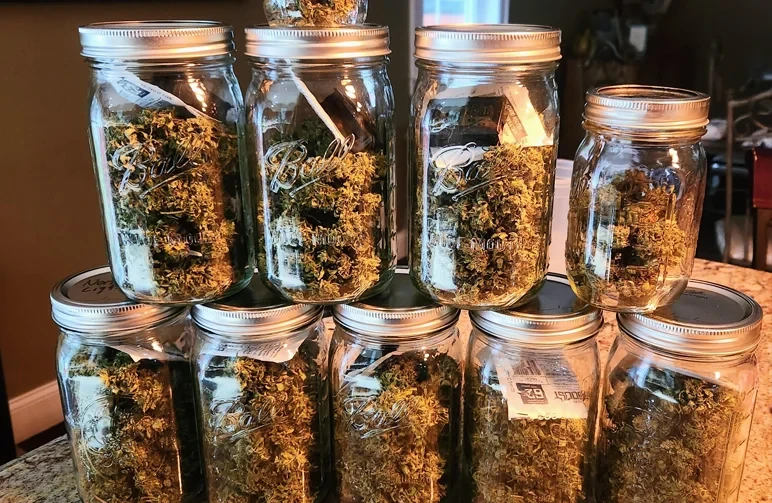
We've all opened an old jar and thought, "Where'd the nose go?" After spending weeks harvesting, trimming, drying, and curing cannabis, proper storage is the bridge between a successful cure and a great smoke months down the road.
Done right, your buds stay sticky, flavourful, and potent. Done wrong, you get hay, harshness, and a sleepy, degraded CBN profile.
In our stash jars, we protect trichomes like treasure by maintaining cool temperatures, stable humidity, and avoiding light exposure entirely.
This guide breaks down the science, the gear, and the exact steps to ensure your cured cannabis holds its edge for the long haul. Let's keep those jars singing.
Key Takeaways
- Preserve Potency and Terpenes: Proper storage protects fragile trichomes from heat, light, oxygen, and humidity fluctuations.
- The Ideal Environment: Store cured cannabis in airtight glass jars at 58–63% Relative Humidity (RH) and temperatures between 15 °C–21 °C.
- Avoid Plastic and Wood: Plastic bags build static that strips trichomes, while wood humidors absorb essential terpenes and risk over-humidifying your flower.
- Distinguish Curing from Storage: Curing is the active, early phase of moisture release; long-term storage is a passive, sealed phase designed for preservation.
- Skip the Fridge and Freezer: Cold storage causes condensation, temperature swings, and brittle trichomes, which ultimately lowers overall quality.
Why Proper Storage Matters for Cured Buds
The Science of Cannabinoid and Terpene Degradation
THC is highly sensitive to heat, light, and oxygen. When exposed to these elements over time, THC undergoes oxidation and degrades into Cannabinol (CBN).
While CBN has mild properties of its own, it lacks the psychoactive vibrancy of THC and is known primarily for causing a heavy, sleepy sedative effect. Under poor storage conditions, studies show up to a 16% loss in THC over a single year.
Terpenes—the aromatic compounds responsible for a strain's unique smell and therapeutic effects—are even more fragile.
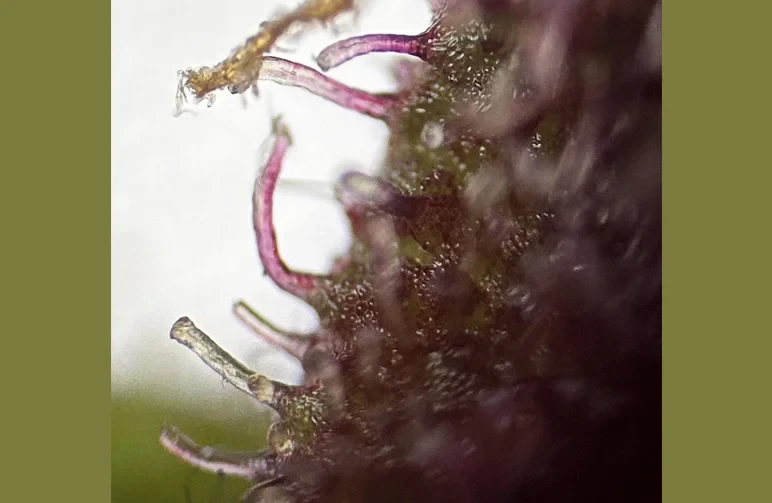
Because they are volatile organic compounds, they evaporate at room temperature if exposed to open air, leaving you with dry, scentless flower that burns hot and harsh.
Curing vs. Long-Term Storage: What’s the Difference?
It is common to confuse curing with long-term storage, but they require different approaches:
Curing (Active Phase): This is the initial 2-to-8-week process immediately after drying and trimming your cannabis. It requires actively "burping" the jars (opening them daily) to release trapped moisture and gases as the chlorophyll breaks down.
Long-Term Storage (Passive Phase): Once the buds are fully cured, the goal shifts to preservation. Burping stops. The jars should remain sealed, dark, and undisturbed to minimize oxygen exposure and maintain a stable microclimate.
How Long Can Cured Cannabis Safely Last?
Under stable, airtight conditions—specifically glass, darkness, 15 °C–21 °C, and 58–63% RH—you can reliably keep buds fresh for 6 to 12 months. Beyond one year, the terpene profile will begin to taper down.
At the 1-to-2-year mark, you will notice a milder aroma, but the flower remains perfectly usable. Beyond two years, both potency and flavour experience a steady decline.
The 4 Environmental Factors That Affect Your Buds
1. Temperature (Keep It Cool)
Aim to keep your storage area between 15 °C–21 °C, and always below 25 °C. Excess heat accelerates the conversion of THC to CBN and coaxes terpenes into evaporating.
Avoid storing your stash in attics, garages, grow rooms, or near radiators where temperature swings are common. A cool, dark interior closet or a low cabinet shelf offers the steady environment your buds need.
2. Humidity (The Sweet Spot for Moisture)
Inside your storage container, aim for 58% to 63% Relative Humidity (RH).
If the RH drops below 55%: The buds dry out, the trichomes become brittle, terpenes evaporate, and the smoke becomes hot and harsh.
If the RH rises above 65%: You enter the danger zone for mould and mildew, which can ruin an entire batch overnight.
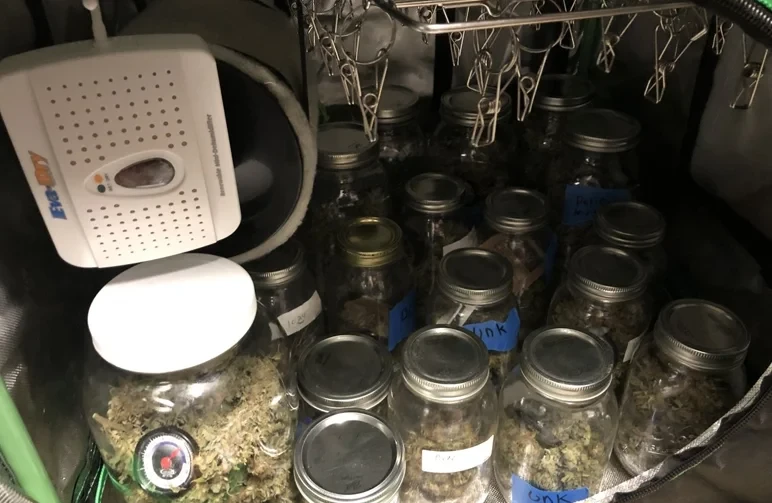
Two-way humidity packs matched to your container size help maintain this balance automatically.
As a rule of thumb, use 58% packs for sativa-leaning strains to keep them a bit crisper, and 62% packs for chunkier indica-leaning flowers to retain a slightly stickier texture.
3. Light (The Impact of UV Rays)
Ultraviolet (UV) radiation is the single greatest enemy of trichome preservation. Even indirect sunlight degrades cannabinoids and terpenes over time. To combat this, store your flower in total darkness.
If you prefer to display your jars, use amber-tinted or UV-blocking glass, but still keep them away from windows and direct sunlight.
4. Oxygen (Balancing Air Exposure)
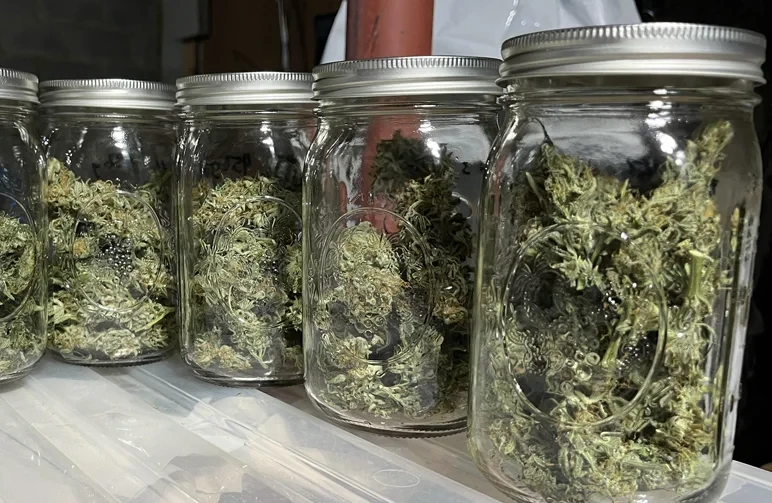
Oxygen drives the chemical oxidation process. Your goal is to minimize the amount of fresh air surrounding your buds without suffocating them. Fill your jars about 70% to 80% full to limit excess "headspace" (the empty air at the top of the jar).
If you plan to dip into a specific strain frequently, divide your stash: keep a large "vault" jar sealed for the long term, and keep a smaller "daily driver" jar for regular use to avoid exposing your main reserve to fresh oxygen every day.
Choosing the Right Storage Containers
Glass Mason Jars: The Reliable Standard
Glass is non-reactive, completely airtight, inexpensive, and readily available, making wide-mouth mason jars the industry standard.
While clear glass works exceptionally well if kept in a dark cupboard, amber-tinted glass offers an extra layer of protection against accidental light exposure.
Be sure to inspect the rubber gaskets on your lids annually; dry, cracked gaskets will slowly leak air.
Metal and Ceramic Air-Tight Containers: Best for Light Blockage
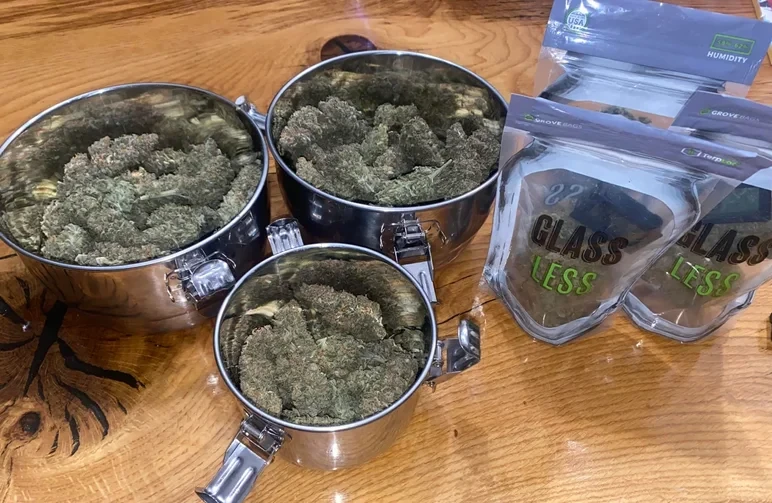
Food-grade stainless steel canisters or glazed ceramic jars with latch lids offer excellent durability and complete protection from light. The crucial element here is the seal—ensure the container features a high-quality silicone gasket.
Avoid using decorative metal tins or containers that previously held aromatic items like coffee, as the porous surfaces can transfer residual flavours to your buds.
Vacuum Sealing: Best for Bulk, Long-Term Storage
For large yields, vacuum sealing is an effective way to eliminate oxygen and halt oxidation. However, standard vacuum sealers can easily crush fragile flowers.
To prevent this, use a low-draw setting, manual pulse control, or use vacuum sealer attachments designed to draw air directly out of wide-mouth glass mason jars. Once sealed, store the jars in a cool, dark location.
Containers You Should Avoid for Long-Term Storage
The Limitations of Plastic Sandwich Bags
Standard plastic baggies are semi-permeable, meaning they slowly leak air and allow moisture to escape over time. Furthermore, plastic holds a static charge.
Because trichomes carry a natural electrical charge, this static physically pulls the fragile, resin-filled heads right off your flower, leaving them stuck to the sides of the bag.
Plastic baggies are fine for short-term transport, but they will degrade your terpenes over several weeks.
Why Cigar Humidors Are Unsuitable for Cannabis
Traditional tobacco humidors are designed to maintain a high humidity level of 65% to 72% RH, which is too damp for cannabis and invites mould growth.
Additionally, most humidors are lined with cedar wood. Cedar is highly aromatic and contains oils that will absorb your flower's natural terpenes and permanently alter its flavour profile.
Step-by-Step: How to Prepare and Store Your Buds
Step 1: Verify the Quality of Your Cure
Before sealing your buds for several months, ensure the cure is truly complete. The stems should snap cleanly when bent, rather than folding or tearing.
The exterior of the buds should feel dry to the touch, but the centers should not be brittle or crumbly.
If the jar smells faintly of fresh-cut grass or ammonia, or if the buds feel spongy, they still contain too much moisture. Dry them for another day or two before sealing them long-term.
Step 2: Sanitize Your Storage Containers
Clean your jars, lids, and gaskets thoroughly. Wipe the interiors with isopropyl alcohol (90% or higher), rinse them with clean water, and allow them to air-dry completely.
This ensures there are no lingering odors, dust, or mould spores that could contaminate your harvest.
Step 3: Maintain Proper Humidity with Two-Way Packs
Place a cannabis-specific, two-way humidity pack (such as Boveda or Integra Boost) inside the container.
Boveda packs utilize a salt-and-water solution to quickly adjust humidity levels.
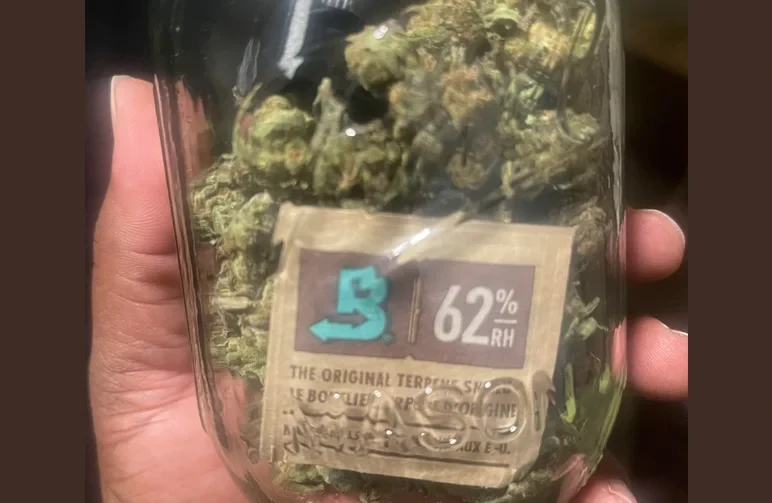
Integra Boost packs use a plant-based, glycerin-and-water mixture to release or absorb moisture.
Ensure you match the pack size (typically measured in grams) to the volume of your container. Replace the packs once they become stiff or dry.
Step 4: Choose a Dark, Climate-Controlled Location
Label your jars with the strain name, harvest date, and the RH percentage of the humidity pack used.
Place the jars in a cool, dark, and temprature-stable spot, such as a closet, drawer, or cabinet. Keep them away from appliances that generate heat, humid bathrooms, or drafty windows.
Common Pitfalls in Long-Term Cannabis Storage
Storing Buds in the Refrigerator or Freezer
Refrigerators experience constant temperature and humidity fluctuations every time the door opens, which leads to internal condensation and a high risk of mould.
Freezers present a different issue: the sub-zero temperatures freeze the moisture inside the trichomes, making them incredibly brittle. Any movement or handling of frozen buds will cause these frozen resin glands to snap off like tiny icicles.
Keep your flower at stable room temperature; cold storage is best reserved for specialized extraction workflows.
Over-Handling or Shaking the Containers
Every time you shake or roughly handle your storage jars, you break off fragile trichomes. Treat your jars gently, open them only when necessary, and avoid constantly showing off the buds to friends if it involves shaking the container.
Keeping a dedicated, smaller jar for daily consumption protects your bulk supply from unnecessary physical wear and tear.
Packing Containers Too Tightly or Too Loosely
Aim for a balanced fill of roughly 70% to 80% capacity. Packing buds too tightly compresses the flowers, traps pockets of localized moisture, and can bruise the delicate plant material.
Conversely, filling a jar only 20% full leaves a massive reservoir of oxygen inside, which accelerates the breakdown of cannabinoids and terpenes.
If your supply dwindles, transfer the remaining buds to a smaller jar to maintain the proper ratio.
Frequently Asked Questions
Can you freeze cured buds to keep them fresh?
For smokable flower, freezing is not recommended. Freezing makes the trichomes highly brittle and prone to breaking off.
Additionally, the thawing process introduces moisture condensation, which degrades potency and increases the risk of mould.
Freezing is best reserved for fresh-frozen harvests intended for immediate solventless extraction (like live rosin).
How do you know if your stored buds have mould?
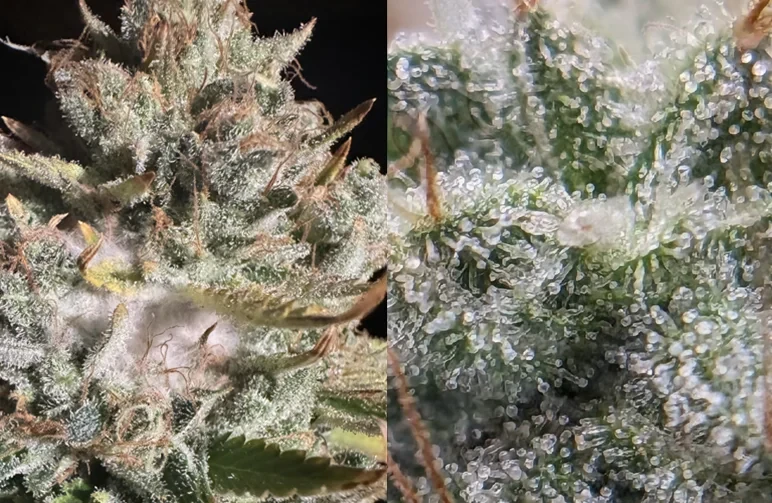
Inspect your flower closely under a bright light or magnifying loupe. mould typically presents as grayish-white fuzz, webby filaments resembling spiderwebs, or powdery white patches deep within the bud crevices.
The aroma will also shift from sweet or gassy to musty, damp basement, or ammonia. If you suspect mould, do not consume the flower; discard the affected buds and thoroughly sanitize the container.
Do humidity packs alter the taste or aroma of cannabis?
Quality, two-way humidity packs designed specifically for herbal storage are chemically neutral and do not alter the flavour profile.
However, if a pack is undersized for the jar, it may work too hard and dry out, leading to a temporary loss of aroma. Always match the correct pack size to your jar volume to keep your terpenes intact.
Does old cannabis lose its potency?
Yes, over time, THC naturally oxidizes into CBN, and volatile terpenes evaporate. This transition shifts the overall effect of the flower from a vibrant, clean experience to a much heavier, physical, and sedative one.
Proper storage slows this process down significantly, but rotating your stock and consuming your flower within 12 months remains the best practice. If your stash does pass its prime, don't throw it out.
Just as there are easy ways to use sugar leaves and stems left over from harvest, older buds are great for edibles. You can easily extract their remaining cannabinoids by learning how to make cannabutter instead.