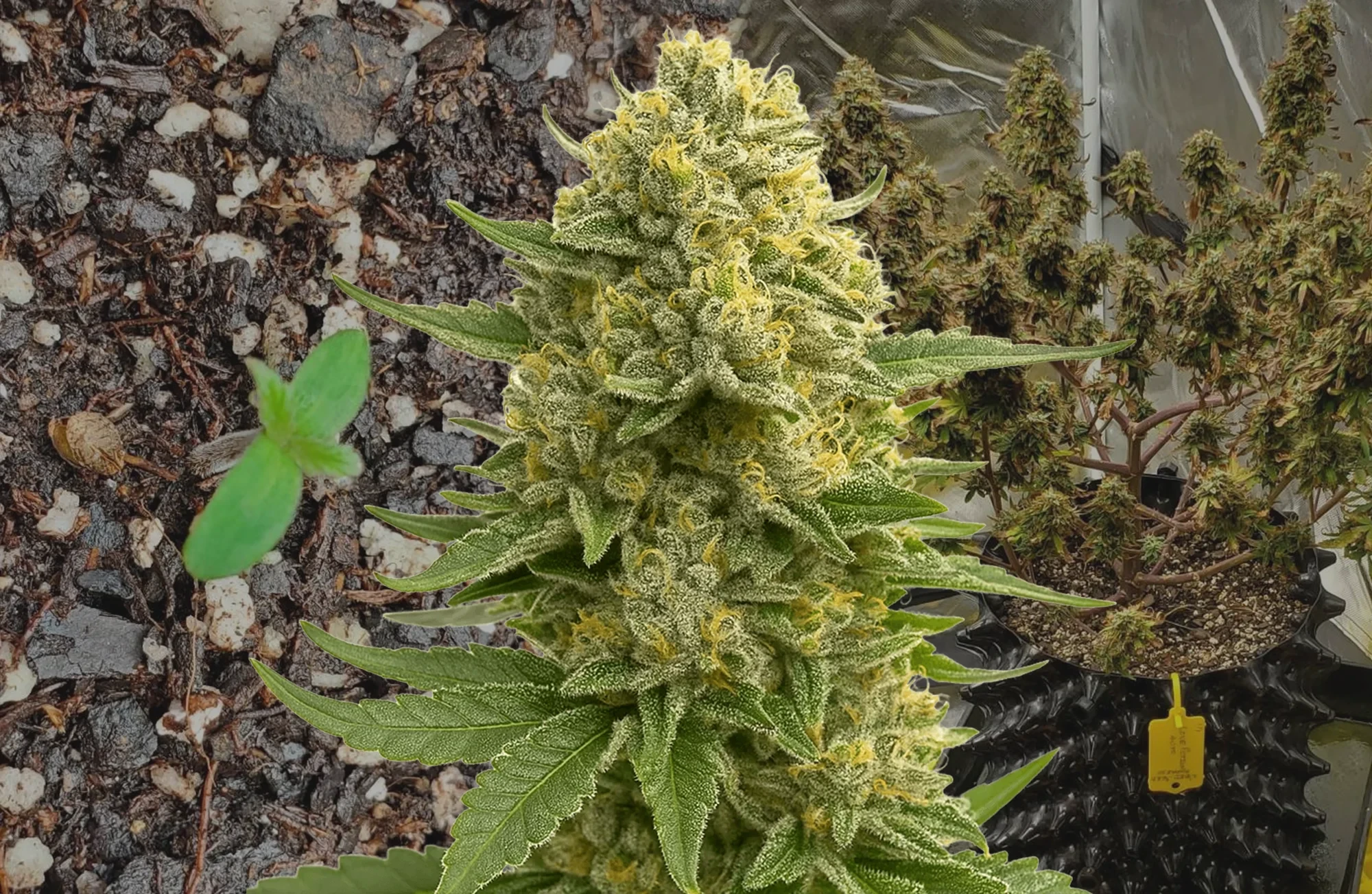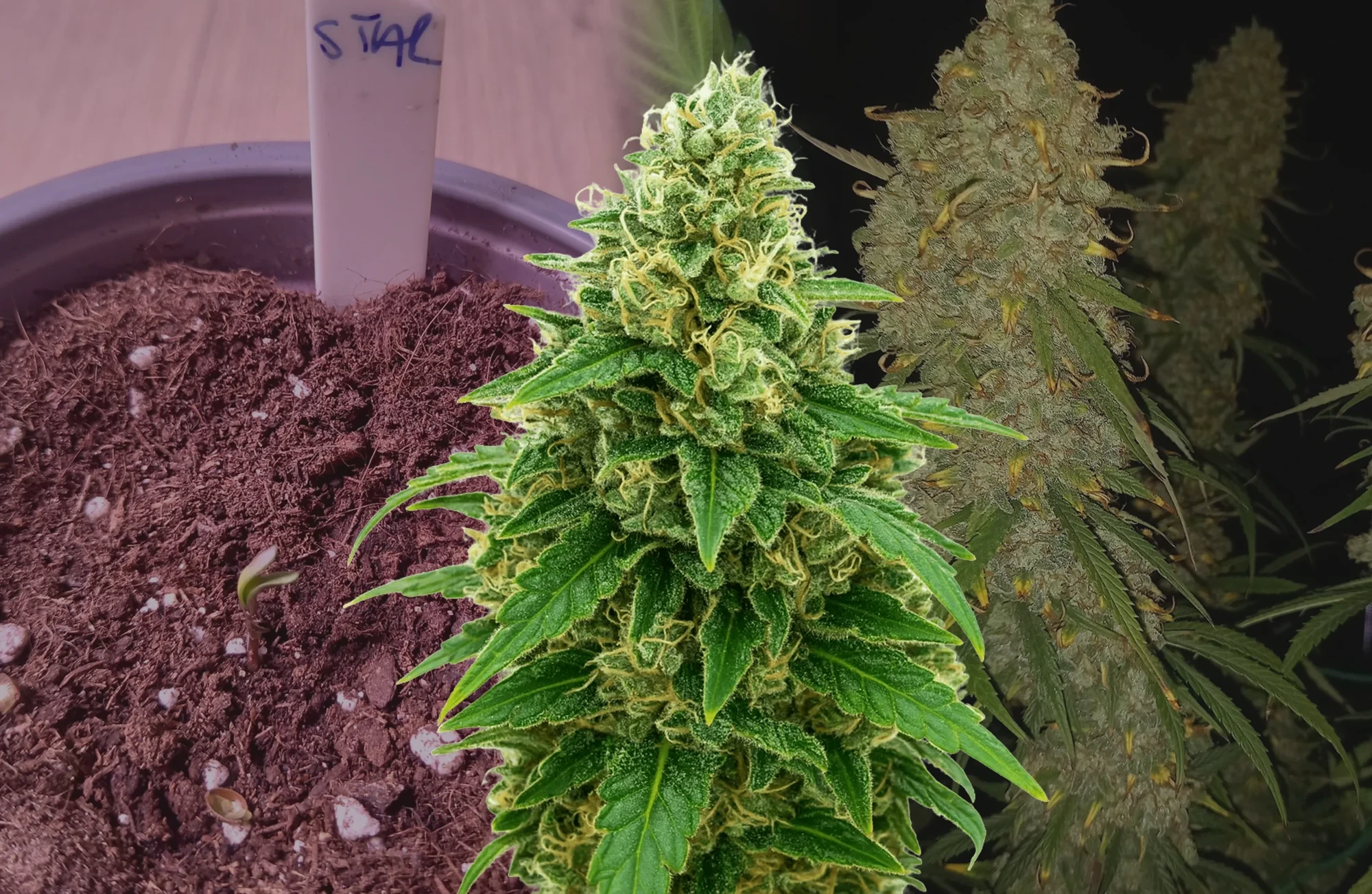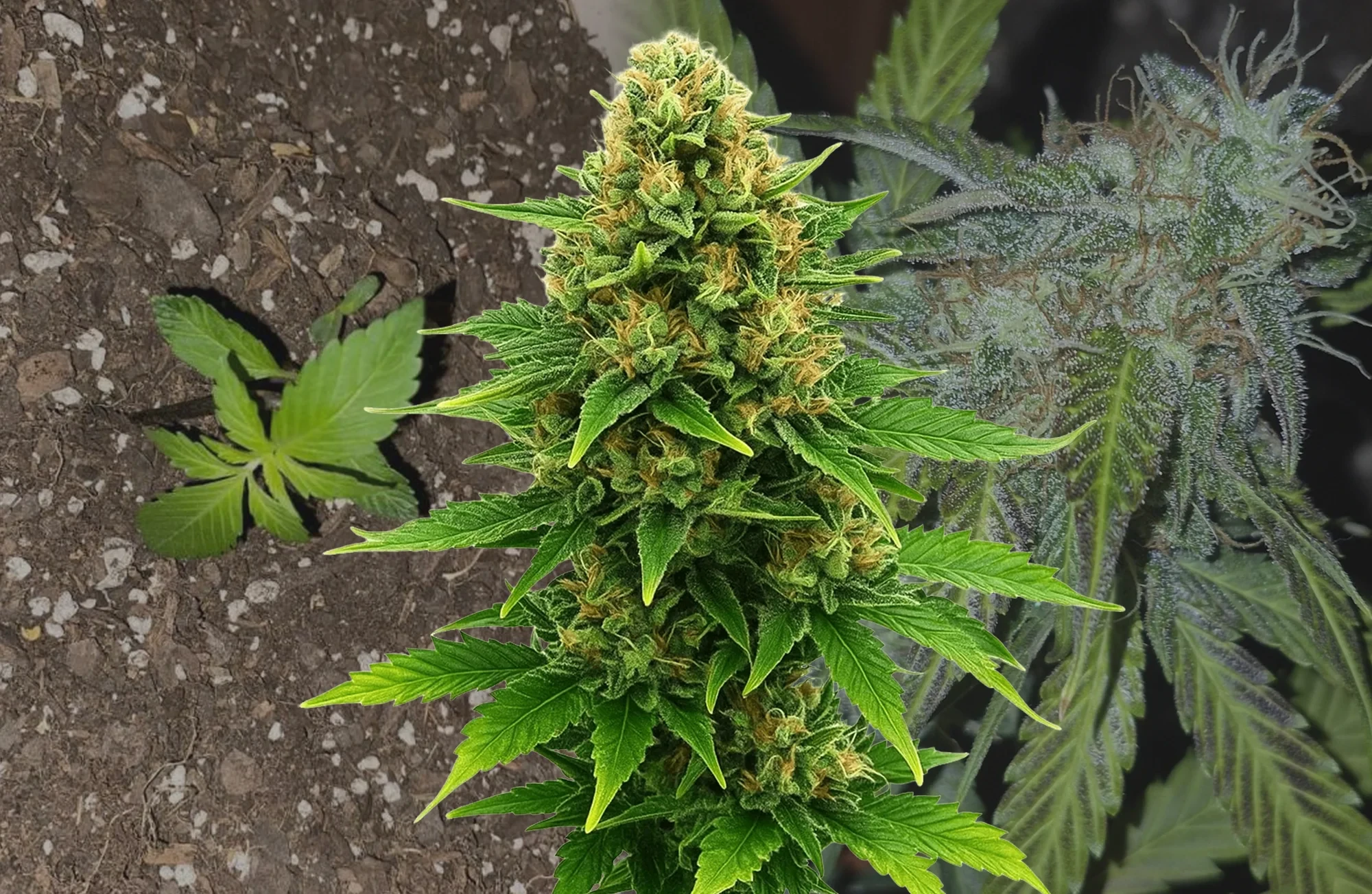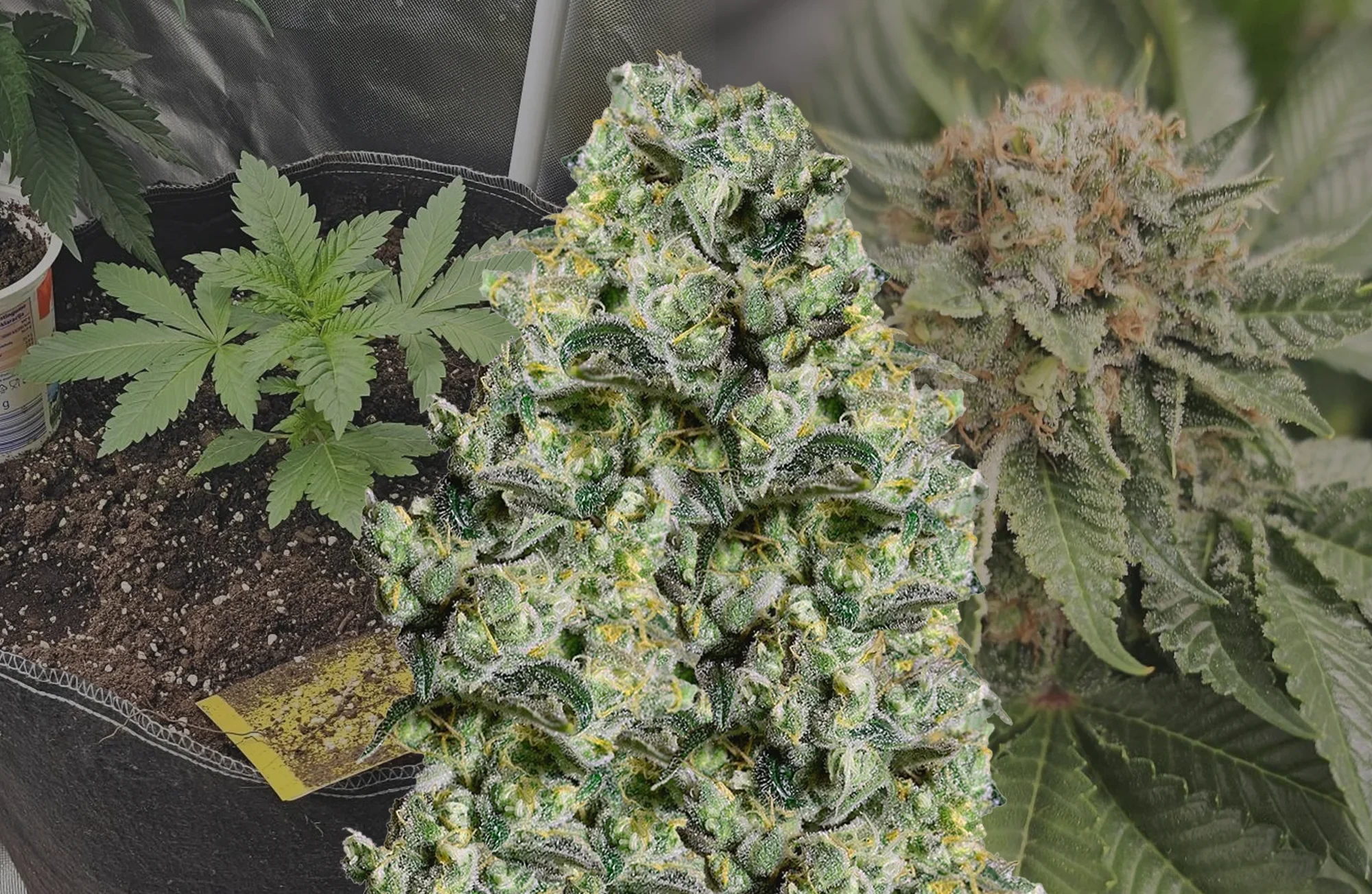


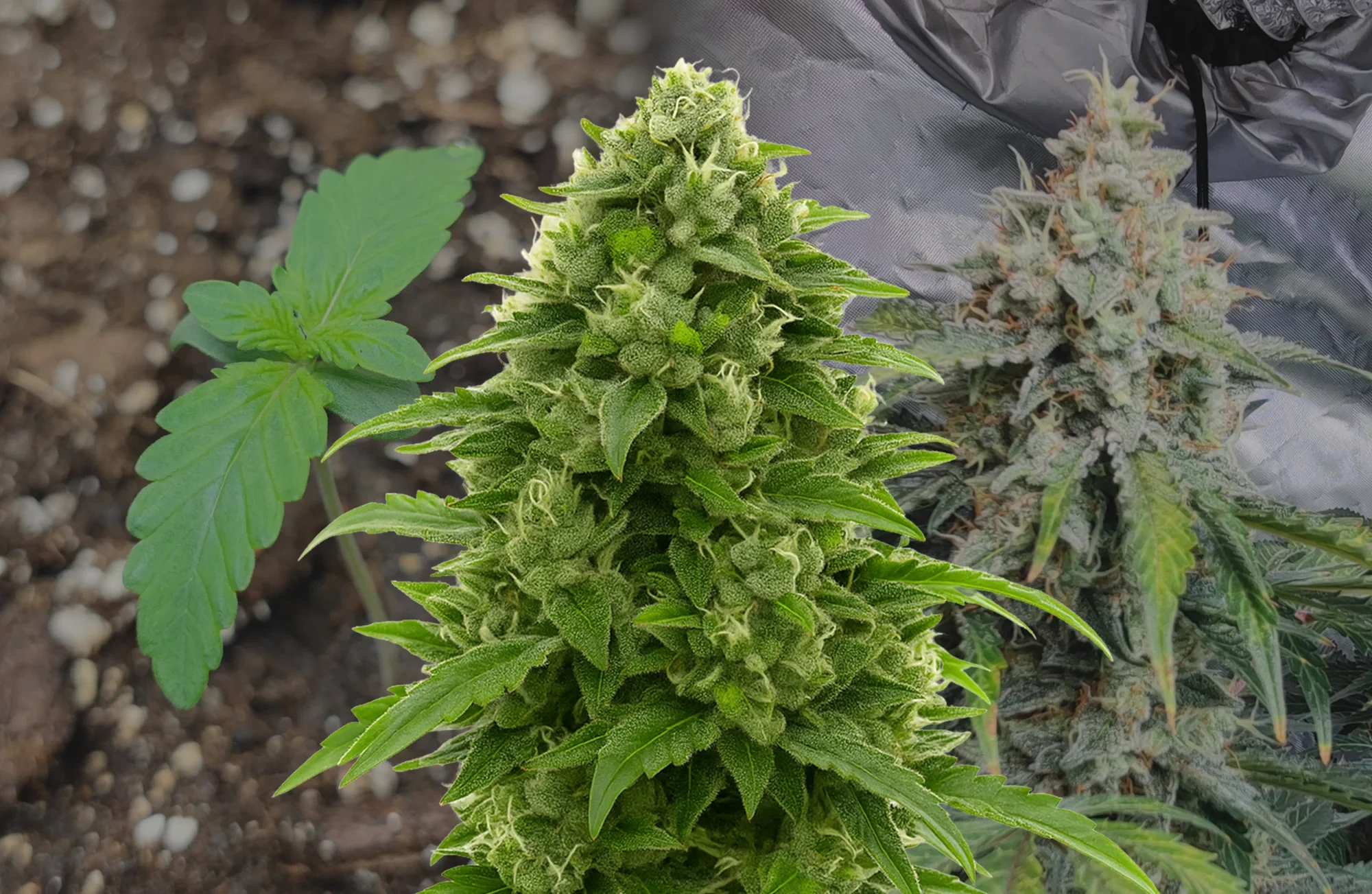
Some autoflowers tiptoe through their cycle. These two Bruce Banner Autos walked in like they owned the tent. The plan was simple: run two autos under a modest 140 watt LED and keep it tidy.
What happened was something much bigger. Between the oversized pots, the living soil, and a bit of bold grower instinct, these plants kept rising to every challenge and ended up producing close to 500 gram of dry flower.
This run reminded me how much autos can surprise you when you treat them like they are capable of more.
Ready to grow this strain? Buy Bruce Banner Autoflower seeds here at WeedSeedsExpress.
Grow Setup
| Parameter | Details |
|---|---|
| Strain | Bruce Banner Auto Seeds by WeedSeedsExpress |
| Plants | 2 |
| Grow Space | Mars Hydro 120×60×180 tent |
| Lighting | Mars Hydro SP150, 140W LED |
| Medium | Soil mixed with worm castings |
| Inoculants | Great White, Biosys |
| Nutrients | Biobizz line |
| Pot Size | Started in roughly 30 L of soil, finished in 10 gallon pots |
| Training | LST, HST, defoliation, and a late transplant |
| Climate | About 24 °C to 25 °C, 70 to 80 percent humidity in early growth |
| Duration | Around 100 days |
| Final Yield | 256 gram and 242 gram, for a total of roughly 498 gram |
Grow Diary
Week 1 and 2: Vegetation
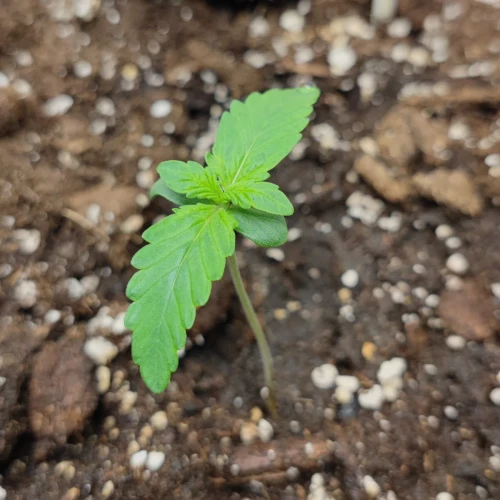
Both seeds cracked around day five and settled into the soil without hesitation. The SP150 kept them compact and firm, which is exactly what you want early on.
With humidity high and watering kept light, the roots grabbed hold quickly. By the end of the second week they were still tiny, only about 5 cm to 10 cm tall, but they already looked confident.
Thick stems, dark leaves, zero stretch. A slow start on top usually means the roots are busy underneath, and that is exactly the feeling these two gave off.
Week 3 and 4: Vegetation
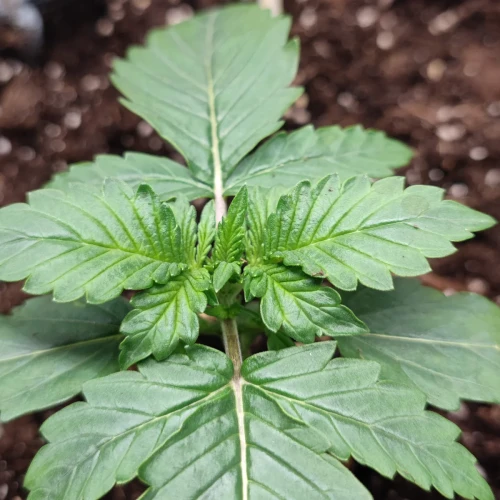
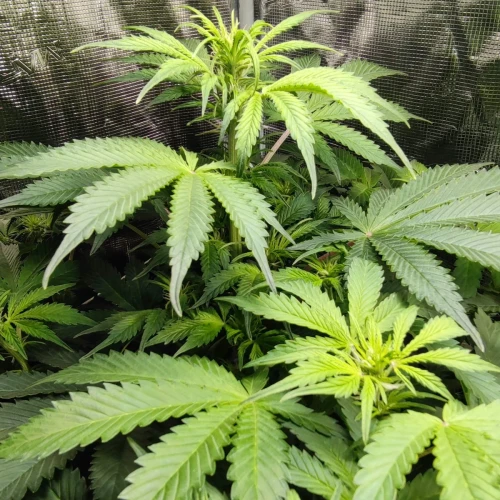
Weeks 3 and 4 were all about filling out. The plants stayed short at first, about 10 cm, but the leaves got broader and the stems began to thicken.
Once the biology in the soil kicked in from the lighter Biobizz feedings, everything picked up speed. By week 4 they reached around 30 cm and started to show that classic hybrid shape.
This is when the first round of LST went in. With just a few bends, the tops opened nicely and the tent suddenly felt bigger.
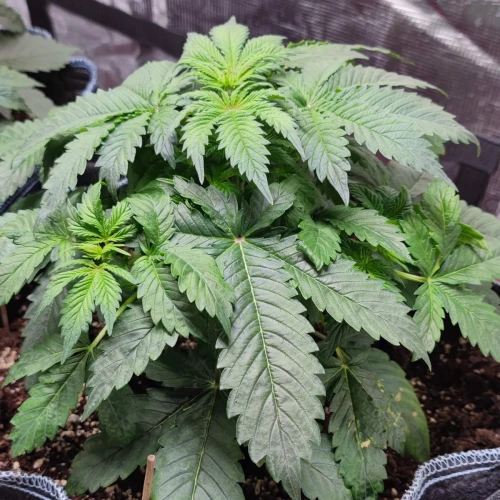
Week 5 and 6: Vegetation Into Early Flower
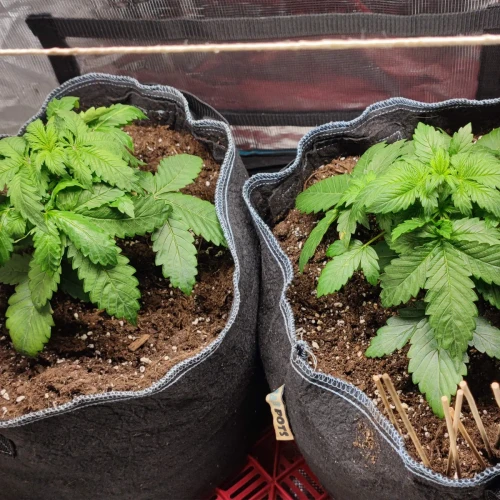
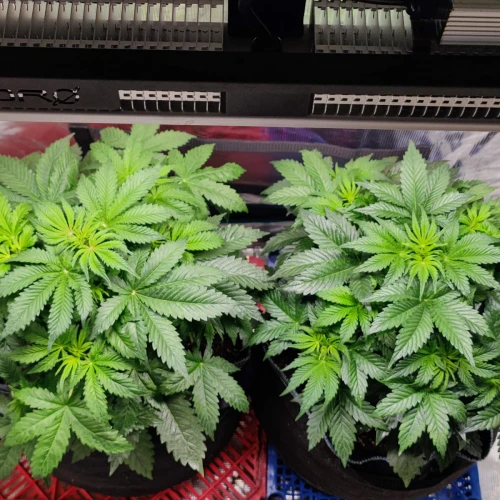
This is when the switch flipped. Both plants began stretching upward and outward, reaching close to 50 cm.
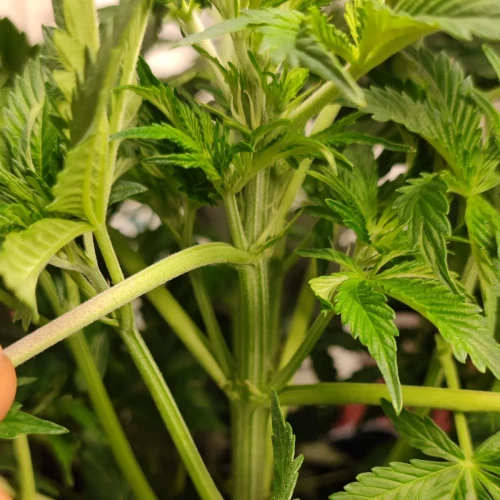
New branches appeared from everywhere and the canopy thickened enough that daily adjustments became normal. Pistils showed up by the end of week 6 and the whole space started to smell like something was waking up.
The plants handled the stronger feedings easily, and nothing about their posture suggested stress. It was a smooth lift off.
Week 7 and 8: Early Flower
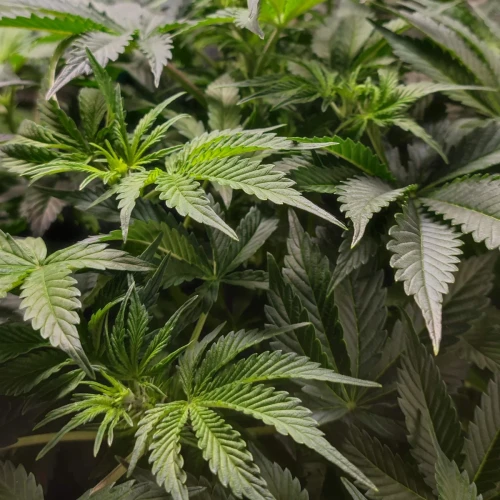
The stretch slowed around week 7 and the first real budlets came in. Everything looked even across the tent, which is always a good sign that the early LST worked.
Resin started showing on the sugar leaves and the smell shifted from a mild green scent to something fresher and slightly fruity. Week 8 locked in the flower structure.
Nothing dramatic happened, but everything thickened and the growth became more focused.
Week 9 and 10: Mid Flower and Transplant
This part of the grow felt risky but ended up being the highlight. The main tent was being used for drying another harvest, so the Bruce Banners had to wait in a smaller space for a few days.
Once the bigger tent freed up, both autos were moved into fresh 10 gallon pots. Transplanting an autoflower mid flower is the kind of thing most growers avoid, but these two shrugged it off.
In fact, they exploded with new growth once the fresh soil was added. A cleanup trim followed to make sure nothing was shading the new flower sites.
Week 10 rewarded that decision with faster stacking and noticeably heavier buds.
Week 11 and 12: Bud Stacking and Resin Surge
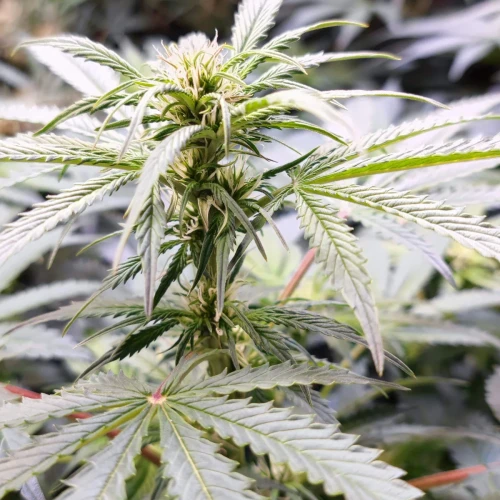
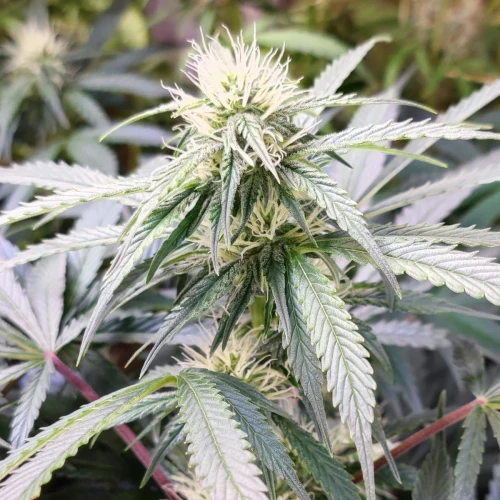
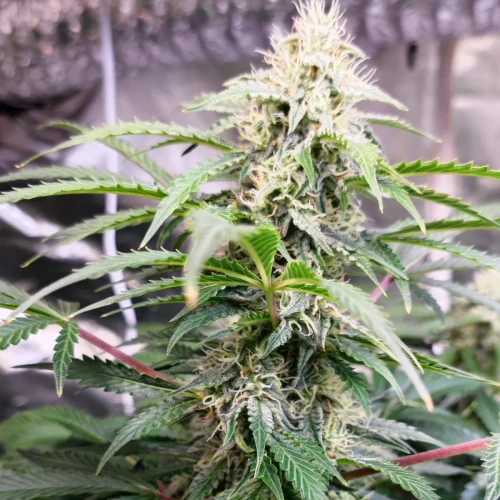
The plants approached 80 cm to 100 cm by now and looked fully settled into their final shape. Colas were thick, and the lower branches kept up surprisingly well.
Trichomes multiplied each day and the aroma deepened into a mix of citrus, soil, and a light fuel edge. Watering amounts increased and the root zones took it in without hesitation.
These two weeks were steady and productive, the kind of mid flower phase growers dream about.
Week 13 and 14: Ripening
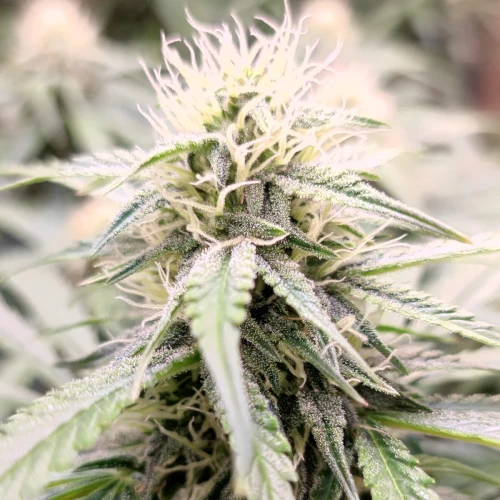
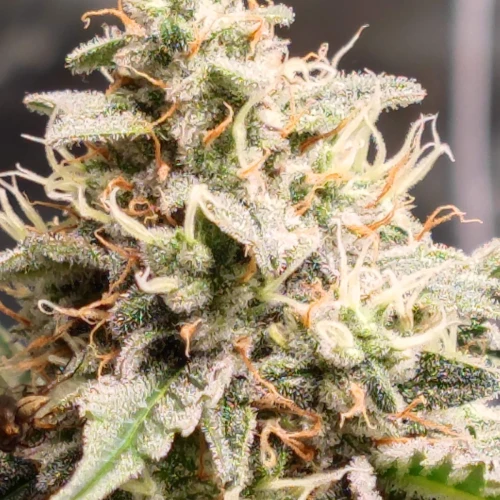
Ripening started quickly. Calyxes swelled, pistils turned colour, and the trichomes shifted from clear to cloudy. A final defoliation opened everything up and you could see the buds harden almost day by day.
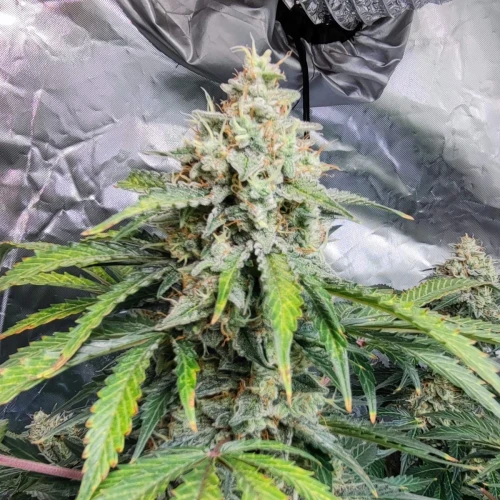
Both plants had that strong late flower look: heavy tops, thick side branches, and sugar leaves coated in frost. Even though the aroma was strong at this point, it never became overwhelming. It stayed clean and bright.
Week 15 and 16: Harvest and Drying
Harvest happened around day 106. The trichomes showed the right mix of cloudy and amber and the plants were ready. Both were cut, trimmed, and moved into the drying tent. After a patient dry, the scales told the story.
One plant finished at 256 gram dry and the other at 242 gram. The first smoke had a lemon earth profile with a gentle sweetness. The effect was classic Bruce Banner, a hard hit that settled into a calm and balanced finish.
Detailed Observations and Grower Reflections
Looking back, this run worked because the root zone was strong from day one. Great White, Biosys, and the worm castings gave the plants the foundation to handle all the training that happened later.
The SP150 did more than expected. Once the canopy was shaped correctly, that single LED lit every top evenly.
The mid flower transplant, which could have gone wrong in many ways, ended up being the move that unlocked the biggest jump in growth. The grower’s own comments said it best.
These were the healthiest autos he had grown indoors up to that point, and they looked the part from start to finish.
Challenges and Solutions
This grow had moments that could have created real problems. Tent space had to be juggled, which forced the plants into smaller quarters for a short time.
The late transplant created another layer of stress, and the humidity stayed higher than ideal during some parts of flower. Each challenge was met with calm decision making.
Defoliation and airflow prevented moisture issues. The living soil helped the plants recover faster than expected after training and transplanting. Instead of slowing down, the Bruce Banners used every change in environment to push harder.
Bruce Banner Auto: Final Result and Strain Review
The harvest itself felt like the payoff for every gamble taken along the way. The flowers dried evenly without collapsing in density, which shows how well the root zone supported the plants through late flower.
After curing, the terpenes settled into a cleaner balance and the effect became more rounded, with a clear headed start that slowly melted into a relaxed and satisfied finish.
The quality made it very tempting to run this strain again with even more confidence.
| Parameter | Result |
|---|---|
| Dry Yield | 256 gram plus 242 gram, approximately 498 gram total |
| Wet Weight | About 500 gram per plant |
| Aroma | Earthy citrus with a light diesel touch |
| Smoke | Smooth after curing with a strong hybrid effect |
| Difficulty | Easy to grow but training requires some experience |
| Duration | About 100 days, or 114 including drying and trimming |
Ready to get these results? Buy Bruce Banner Auto Seeds Here.