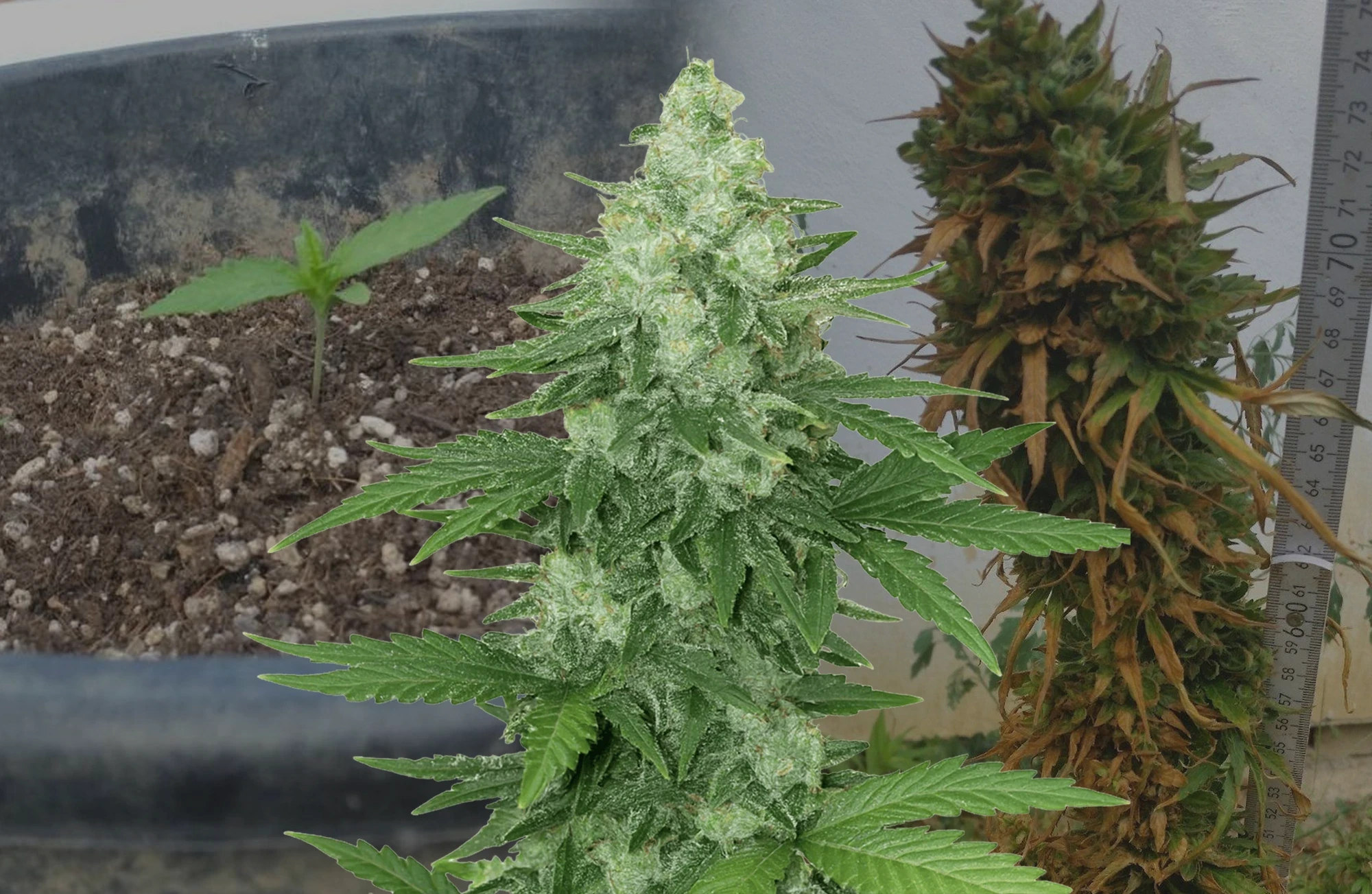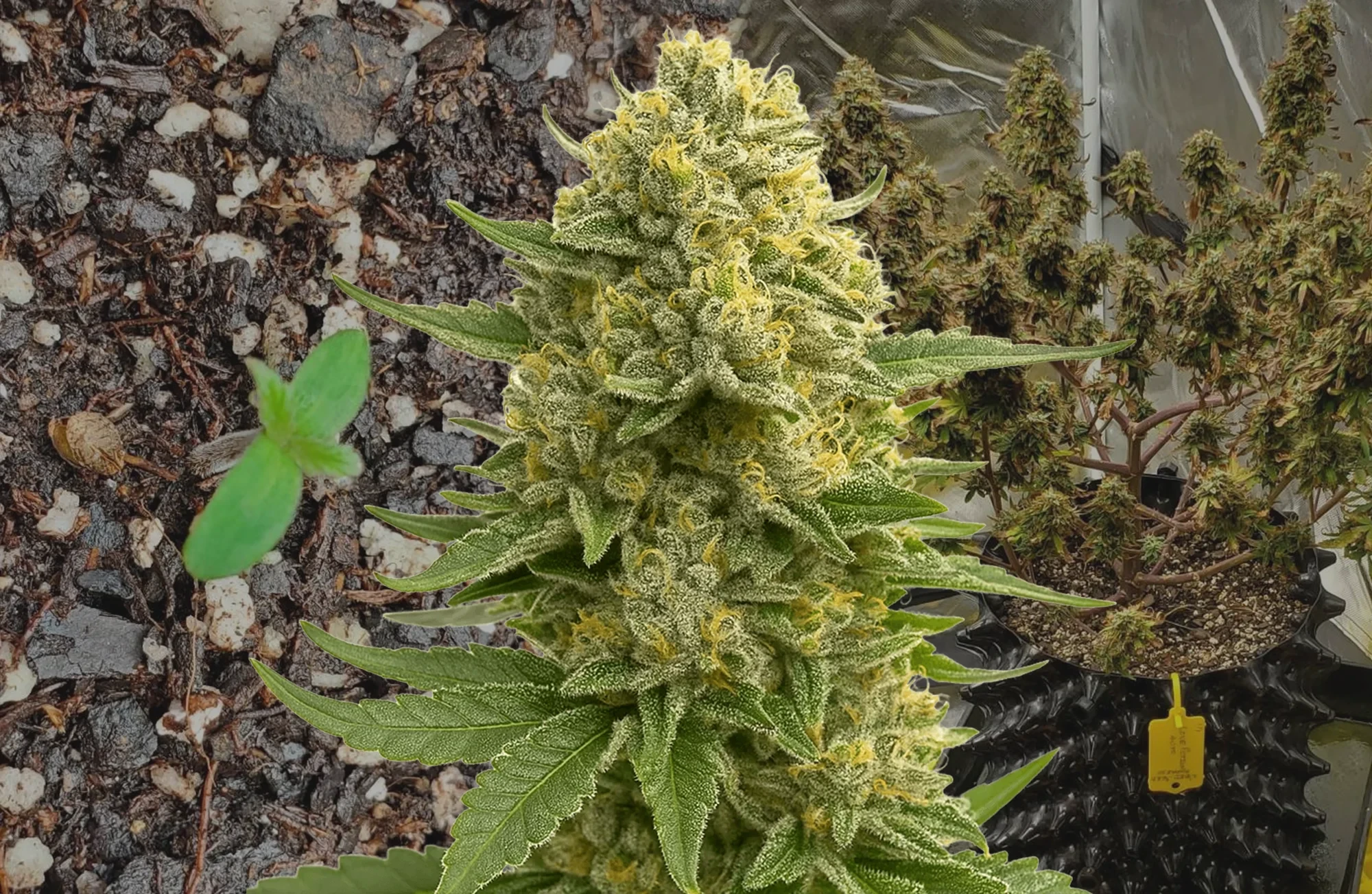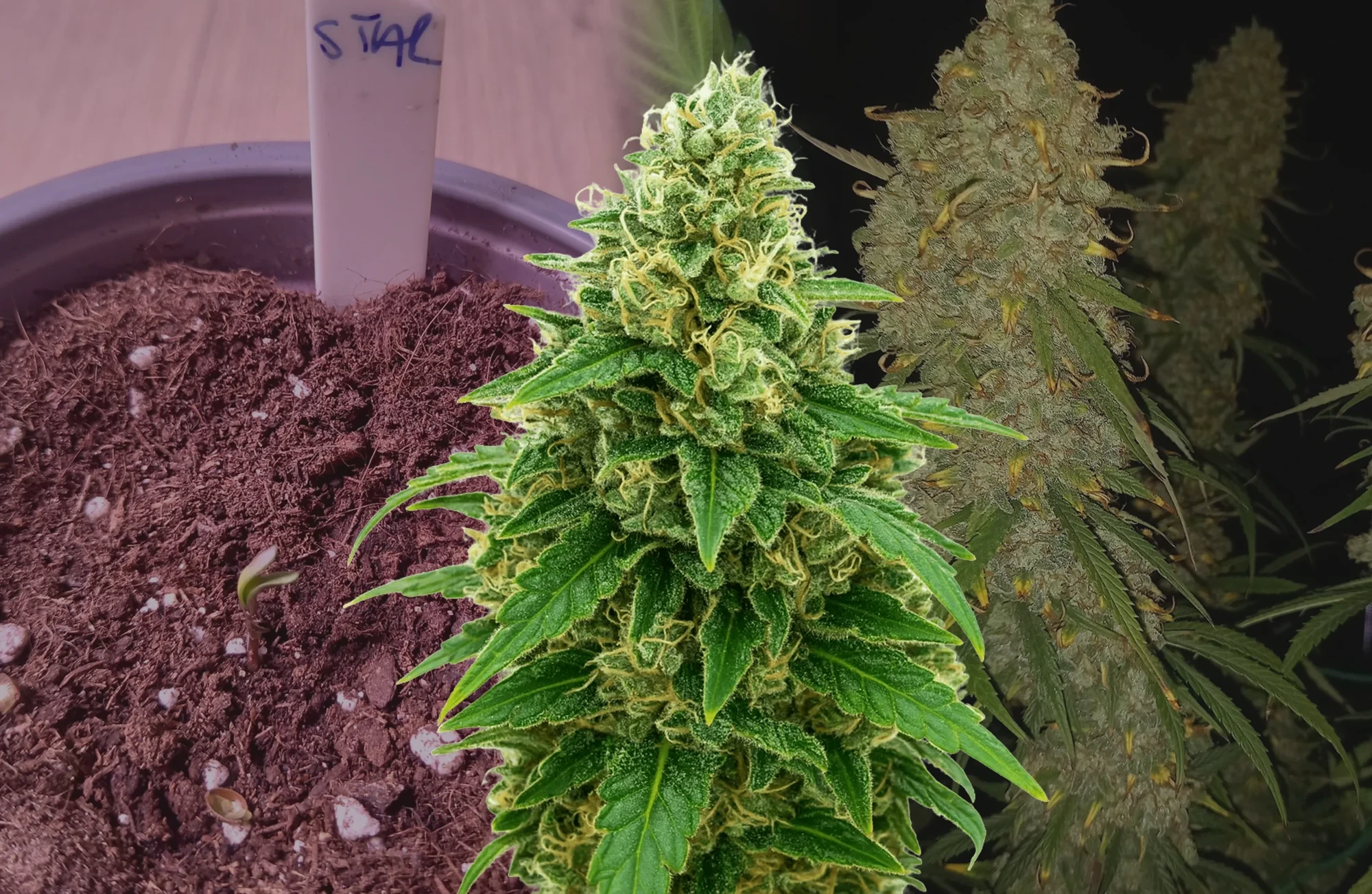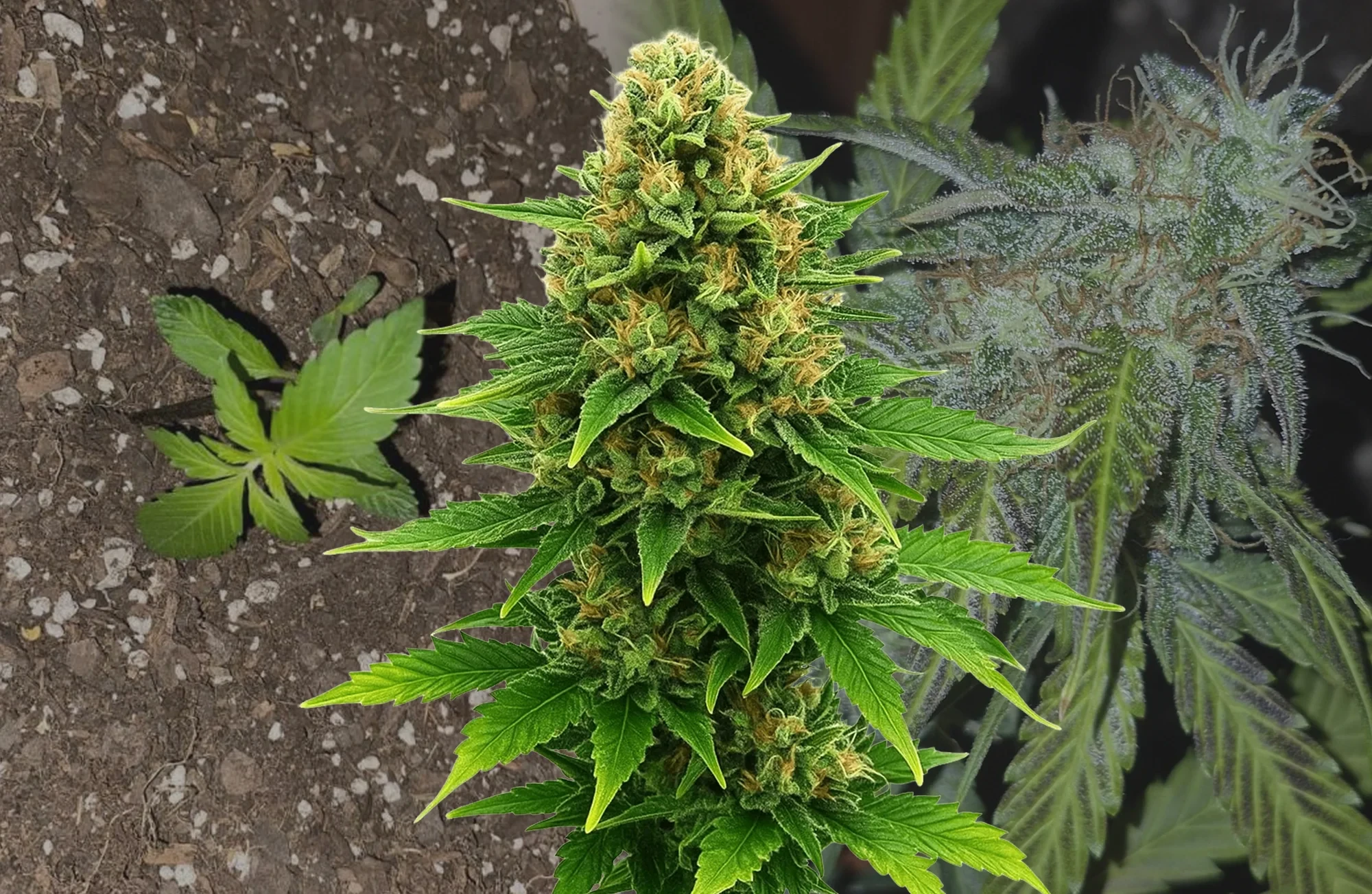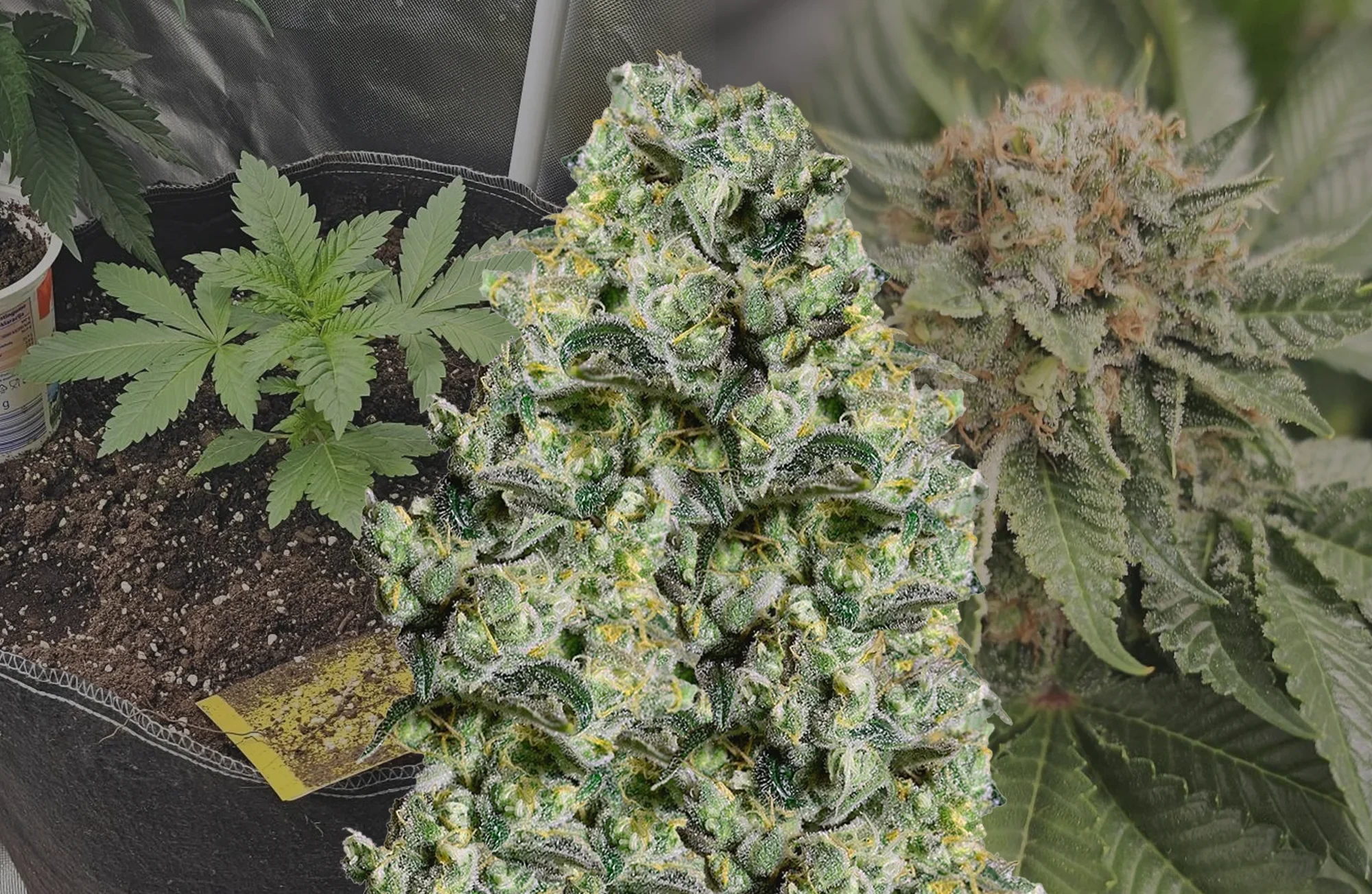


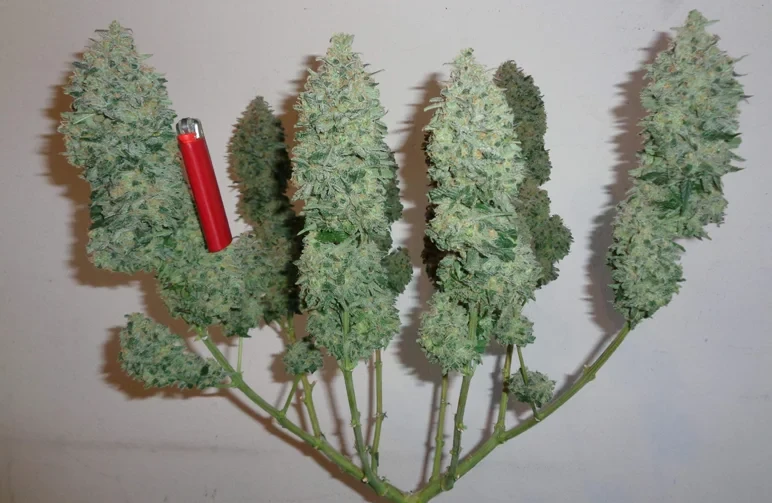
Picture this. You unzip your grow tent and look inside. Instead of a messy bush of leaves, you see a plant that looks like a perfectly balanced candelabra. Every single branch is the exact same height.
Every single bud is a massive, dense cola. There is no fluffy larf hiding at the bottom.
That is the magic of mainlining.
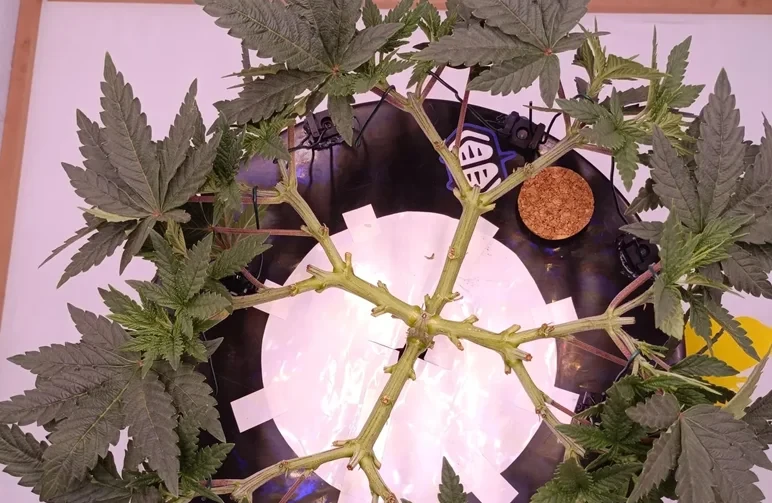
Photo credit: u/Empty-Influence-6254 via Reddit
Mainlining (also called manifolding) is an advanced plant training technique. Instead of letting your weed plant grow one tall main stem, you force it to build a central hub.
This hub acts like an engine manifold. It splits the water and nutrients perfectly evenly to every single side branch.
The first time I tried this technique, I was sweating bullets. You literally have to chop a healthy, growing plant down to a bare stump. It feels completely wrong.
But I trusted the process, and the results blew my mind. I ended up with eight perfectly identical colas and the easiest harvest day of my life.
Ready to build the ultimate symmetrical weed plant? Let's break down exactly how to do it step-by-step.
Key Takeaways
- Perfect symmetry: Mainlining creates a perfectly balanced plant. Every single branch gets the exact same amount of nutrients and light.
- Zero popcorn buds: The plant focuses all its energy on the main colas. You will never waste time trimming tiny, fluffy bottom buds again.
- Photoperiods only: This technique requires a long vegetative stage. Do not try this on autoflowering strains.
- Patience pays off: Mainlining adds a few weeks to your grow cycle. But the massive, even harvest is totally worth the wait.
What Exactly is Mainlining (Manifolding)?
Mainlining sounds super technical, but it is actually just a mix of two things you might already know. It combines heavy topping with tying branches down, which are basic techniques we cover in our ultimate guide to cannabis plant training.
The goal here is to create a "manifold." Think of a car engine. A manifold takes one source of fuel and splits it equally to all the cylinders. We are doing the exact same thing with your weed plant.
By cutting the main stem and tying the new branches down flat, we create a central hub at the base of the plant.
Because this hub is perfectly centered, the plant sends the exact same amount of water and nutrients to every single branch. No branch gets left behind.
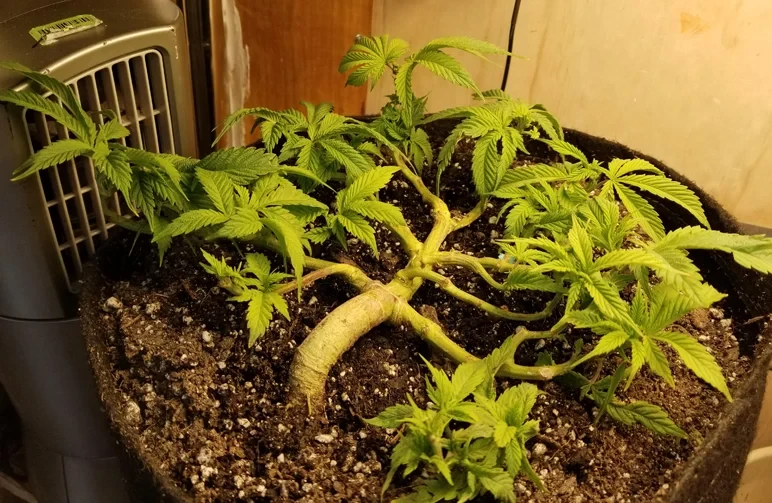
Photo credit: u/hellahyphy707 via Reddit
I have to give a quick shoutout to the legendary grower known as "Nugbuckets." He is the guy who made this technique famous in the cannabis community. He figured out how to turn a wild weed plant into a perfectly tuned machine.
Why Should You Mainline Your Weed Plants?
So, why go through all this trouble? Why chop up your plant when you could just let it grow?
First, it creates a perfectly even canopy. When all your branches are the exact same height, you can lower your grow light without burning the top buds. Every single flower gets the maximum amount of light possible.
Second, it completely eliminates popcorn buds. Because we strip away all the lower growth, the plant stops wasting energy on tiny, shaded flowers. It pushes 100 percent of its power into the main colas.
Finally, it makes harvest day an absolute breeze. Trimming a mainlined plant is a dream. You do not have to spend hours snipping tiny leaves off larfy buds. You just chop down eight massive, dense colas and hang them up to dry.
What You Need Before You Start
Before we start cutting, you need to get your tools ready. Keep it simple. You do not need expensive gear for this.
You will need:
- A pair of sharp, sterile pruning snips.
- Soft rubber plant ties or thick garden twine.
- A sturdy plastic or fabric pot to anchor your ties.
Now, I need to give you a massive warning. You can only mainline photoperiod seeds.
Do not try this on an autoflowering strain. Autoflowers have a built-in genetic timer. They will start blooming no matter what you do. Mainlining puts a plant under a lot of stress, and the plant needs a few weeks to heal and grow back.
An autoflower simply does not have enough time to recover before it starts making buds. If you mainline an auto, you will ruin your harvest. Stick to stable photoperiod strains.
Step-by-Step Guide to Mainlining Cannabis
Since this is a visual guide, I am going to walk you through every single cut and bend. Follow along with the photos, take your time, and do not panic.
Step 1: Wait for the Sixth Node
Patience is key here. Do not start cutting the second you see a few leaves. You need to wait until your plant grows five or six nodes. A node is just the spot where the side branches meet the main stem.
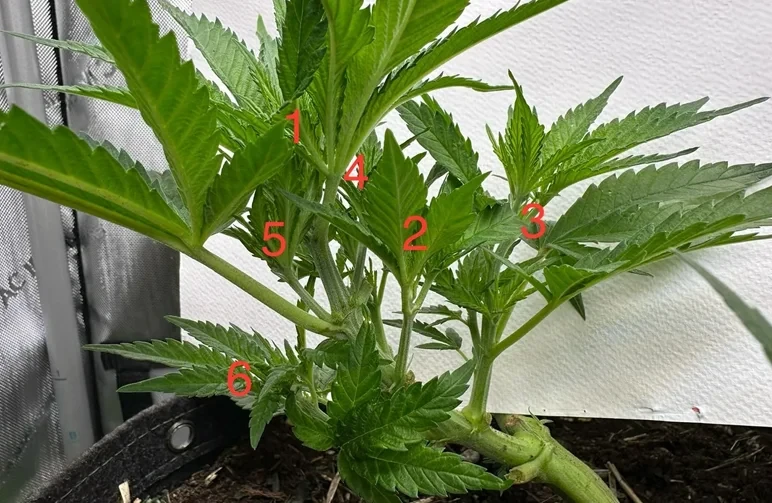
Photo credit: u/Totally-Nebular via Reddit
Why wait? The plant needs time to build a strong, healthy root system. If you chop a tiny seedling, the roots cannot handle the shock. The plant might just give up and die. Let her get strong first.
Step 2: The First Big Cut
This is the scary part. Take a deep breath. Count up from the bottom of the soil to the third node. Grab your sterile snips and cut the main stem completely off, right above that third node.
Good lord, it feels so wrong to chop half your plant away. But trust me, you are doing the right thing.
Step 3: Clean Up the Bottom (Lollipopping)
Now we need to clean up the leftovers. Look at the stem below your fresh cut. You want to strip away every single leaf and tiny branch below that third node.
This heavy pruning technique is known as lollipopping cannabis, and you just pluck that lower growth right off.
When you finish, you should have a bare stem. The only things left on the plant will be the two side branches and two fan leaves at that third node. Your plant will look a bit like a bare Y-shape.
Step 4: Tie Down the Two Branches
This is where we actually build the manifold. Grab your soft plant ties. Gently bend those two remaining branches down until they are perfectly flat and horizontal. Tie them securely to the edge of your pot.
Be very gentle here. You want to bend them, not snap them off the main stem. Once they are tied down, your plant should look like a perfect T-shape. You just built your central hub.
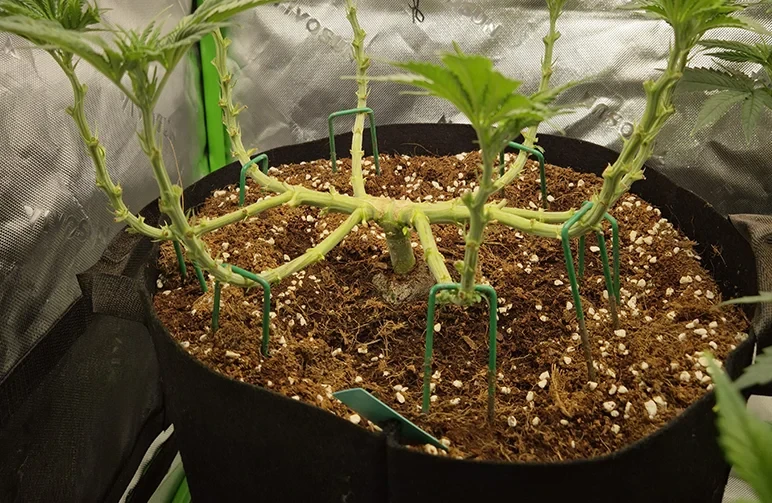
Photo credit: u/[Insert Reddit Username] via Reddit
Step 5: Top Again for More Colas
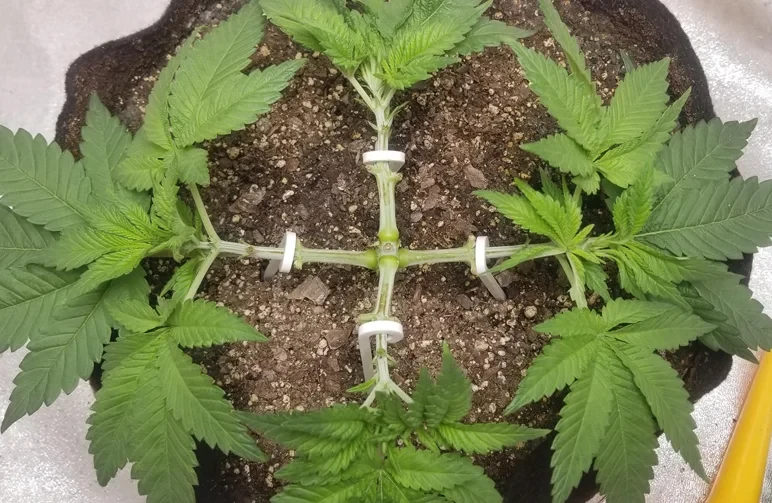
Photo credit: u/NattyStateGrower via Reddit
Now, put your scissors away and let the plant rest. Give her about a week to heal. Those two branches will start growing upward toward the light.
Once they grow a few nodes of their own, it is time to top them again. Snip the tips off both of those branches. If you are still nervous about making these cuts, read my breakdown on super cropping vs. topping to see exactly how the plant reacts.
Otherwise, just make the cut, and the plant will react by splitting those two branches into four.
Want eight massive colas? Just wait another week or two for the plant to grow, and top all four of those new branches. Boom. You just built a perfect eight-cola manifold.
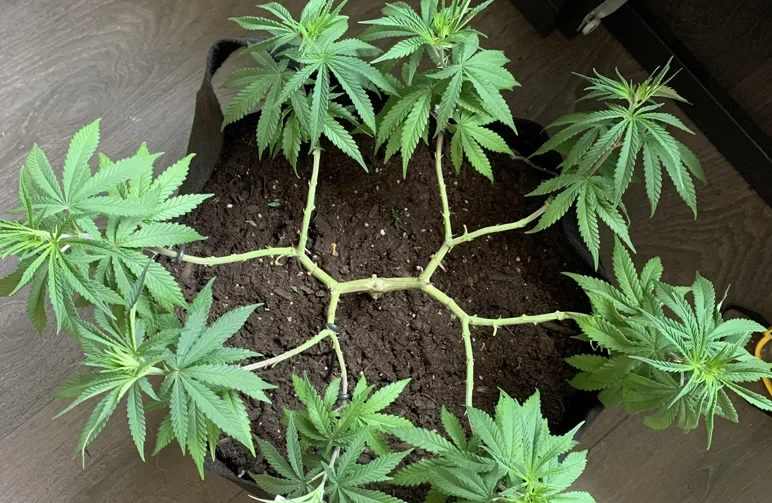
Photo credit: u/GoatMeatnOlives via Reddit
The Pros and Cons of Mainlining
Google loves it when we keep things honest, so let's play fair. Mainlining is an amazing technique, but it is not perfect for every single grower. Let's look at the good and the bad.
The Pros:
- Incredible Yields: Because every branch gets equal light and food, your overall harvest weight goes way up.
- Easy Trimming: You can say goodbye to trimming tiny, annoying larf. You only have to trim massive, dense colas.
- No Popcorn Buds: The plant stops wasting energy on the bottom branches.
- Amazing Bag Appeal: The final dried buds look absolutely incredible. They are huge, chunky, and look like they belong on the top shelf of a dispensary.
The Cons:
- It Takes Longer: Every time you cut the plant, it needs a week to heal. Mainlining will add at least two to three weeks to your vegetative stage.
- High Stress: You are putting the plant through a lot of trauma. You have to keep your grow tent temperatures and humidity dialed in perfectly so the plant can recover without getting sick.
Frequently Asked Questions
Even with a step-by-step guide, mainlining can feel a little confusing the first time you try it. Here are the most common questions I get from new growers.
Can I mainline a clone?
Yes, but I really do not recommend it. When you grow a weed plant from a seed, the side branches grow perfectly across from each other. They are symmetrical.
But when you take a clone, the branches start to grow staggered. One branch will be higher than the other.
Because mainlining relies on perfect symmetry to split the nutrients evenly, a staggered clone makes the process much harder. Stick to starting from seeds, unless you are trying to save a flowering plant using an advanced trick like monster cropping.
But even then, seeds are always best for building a perfect manifold.
How many colas should I aim for?
For indoor growers, eight colas is the absolute sweet spot.
You can technically keep topping the plant to get 16 or even 32 colas. But every time you top, you add another week or two to your grow cycle. If you try to build a 32-cola manifold indoors, your plant will be in the vegetative stage for months.
Eight colas gives you a massive yield without wasting too much time.
Do I need a ScrOG net for a mainlined plant?
You do not strictly need one. The thick manifold base does a great job of holding the plant up. However, a net can be very helpful late in the flowering stage.
If you are curious about how nets compare to other canopy styles, check out my guide on ScrOG vs. SOG to see how they stack up.
Because mainlined colas get so incredibly heavy, they can sometimes start to lean or flop over right before harvest.
Tossing a simple trellis net over the top of the canopy gives those heavy buds something to lean on.
The Wrap Up
So, there you have it. That is the secret to growing a perfectly symmetrical weed plant.
I know it looks absolutely terrifying to chop a healthy plant down to a bare stump. It goes against everything you think you know about gardening. But if you follow these steps and trust the process, the results are legendary.
You will never have to deal with a messy canopy or fluffy popcorn buds ever again.
Mainlining takes a little bit of patience, but that heavy harvest makes it all worth it. Just remember that you need strong, stable genetics to handle this kind of high-stress training.
Head over to the WeedSeedsExpress shop and pick out some of our best photoperiod seeds. Grab your snips, tie down those branches, and get ready for the easiest harvest day of your life.