

More weed plants are killed by bad watering than by bugs, mold, and bad genetics combined.
If you only change one habit this run, make it this. Master the wet/dry cycle and keep your pH tight. That combination is exactly how we have turned sad, lanky plants into stupidly healthy, heavy yielders in our Amsterdam lab.
Watering your plants sounds like the easiest part of growing. You just pour water on the dirt, right? Wrong. If you treat your weed plants like a house fern, you will drown the roots and ruin your harvest.
In this guide, I am going to show you exactly how we water cannabis. We will cover when to water, how much to pour, and why the pH of that water is the secret to massive growth.
Key Takeaways
- The golden rule: Master the wet/dry cycle. You must soak the pot completely, and then let it dry out so the roots can breathe.
- The lift test: Never water on a schedule. Always lift the pot. If it feels heavy, do not water. If it feels light as a feather, it is time to drink.
- Dial in your pH: If your water pH is wrong, your plant will starve to death. Soil needs a pH of 6.0 to 6.5. Coco needs 5.5 to 6.0.
- Overwatered vs. Underwatered: Overwatered leaves look fat, puffy, and droop hard. Underwatered leaves look thin, crispy, and lifeless.
The Golden Rule: The Wet/Dry Cycle
Watering is not just about giving the plant a drink. It is actually about air management.
Plant roots need oxygen just as much as they need water. When you pour water into the dirt, it fills all the tiny gaps and pushes the oxygen out. If the dirt stays wet forever, the roots suffocate, turn brown, and rot.
This is exactly why we use the wet/dry cycle. The rule is simple. You soak the pot completely until water runs out the bottom. Then, you step back and wait. You let the dirt dry out.
As the water evaporates, fresh oxygen gets sucked back down into the root zone. This dry period also forces the roots to stretch out and search for moisture. Bigger roots equal bigger buds. You have to respect the dry back.
How to Tell When Your Plant is Thirsty
A lot of beginners ask me what day of the week they should water. Throw your calendar in the trash. You water by reading the signals, not by looking at a clock.
Here are the three foolproof ways to know exactly when your plant is ready for a drink.
Method 1: The Lift Test
This is the absolute best method. Pick up your pot right after you water it. Memorize how heavy that wet dirt feels. Check it again a few days later. When the pot feels light as a feather, it is time to water. Fabric pots with handles make this incredibly easy. The weight of the pot never lies.
Method 2: The Knuckle Test
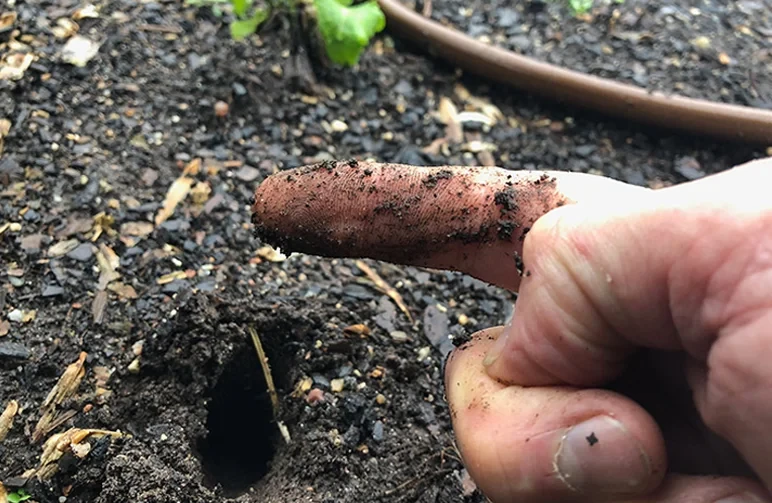
Slide a clean finger about two inches deep into the dirt. If it feels damp or cool, stop. Put the watering can down. If your finger comes out completely clean and the dirt feels like dry dust, it is time to water.
Method 3: Reading the Leaves
Your plant will physically tell you how it feels. But you have to know what to look for. Underwatered leaves look limp, thin, and lifeless like tired dog ears. Overwatered leaves also droop, but they look fat, puffy, and swollen with water.
Context is king here. Never guess based on the leaves alone. Always lift the pot to confirm the weight before you pour any water.
The Science of pH (Kept Super Simple)
I know pH sounds like boring high school chemistry. But it is the ultimate gatekeeper for your grow. If you get this wrong, you will chase phantom problems all the way to a ruined harvest.
Here is the simple truth. Your plant roots can only eat their food if the water is at the exact right pH level.
If the pH drops too low or spikes too high, the roots lock up. We call this nutrient lockout.
Your dirt could be packed with expensive plant food, but your plant will still starve to death because it physically cannot absorb the meals you are giving it.
You must buy a digital pH pen. It is non-negotiable. Always measure your water after you mix in your nutrients. Nutrients will change the pH of the water, so you always test last.
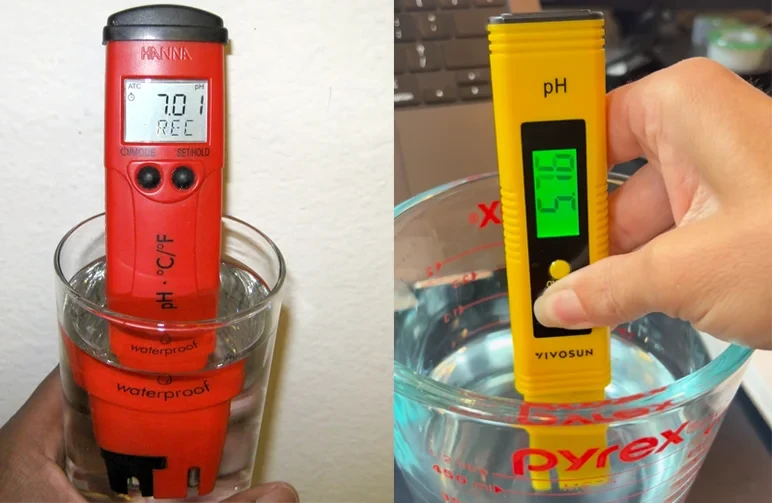
Here are the exact sweet spots you need to hit:
- Soil: Aim for a pH between 6.2 and 6.8. The absolute sweet spot is 6.5.
- Coco Coir: Aim for a tighter range between 5.7 and 6.0.
- Hydroponics: Keep it between 5.5 and 6.0.
How to Actually Water Your Plants (Step-by-Step)
Now that your water is perfectly balanced, it is time to pour. You cannot just dump a bucket of water on the dirt and walk away. You have to be intentional.
Step 1: The Ring Method
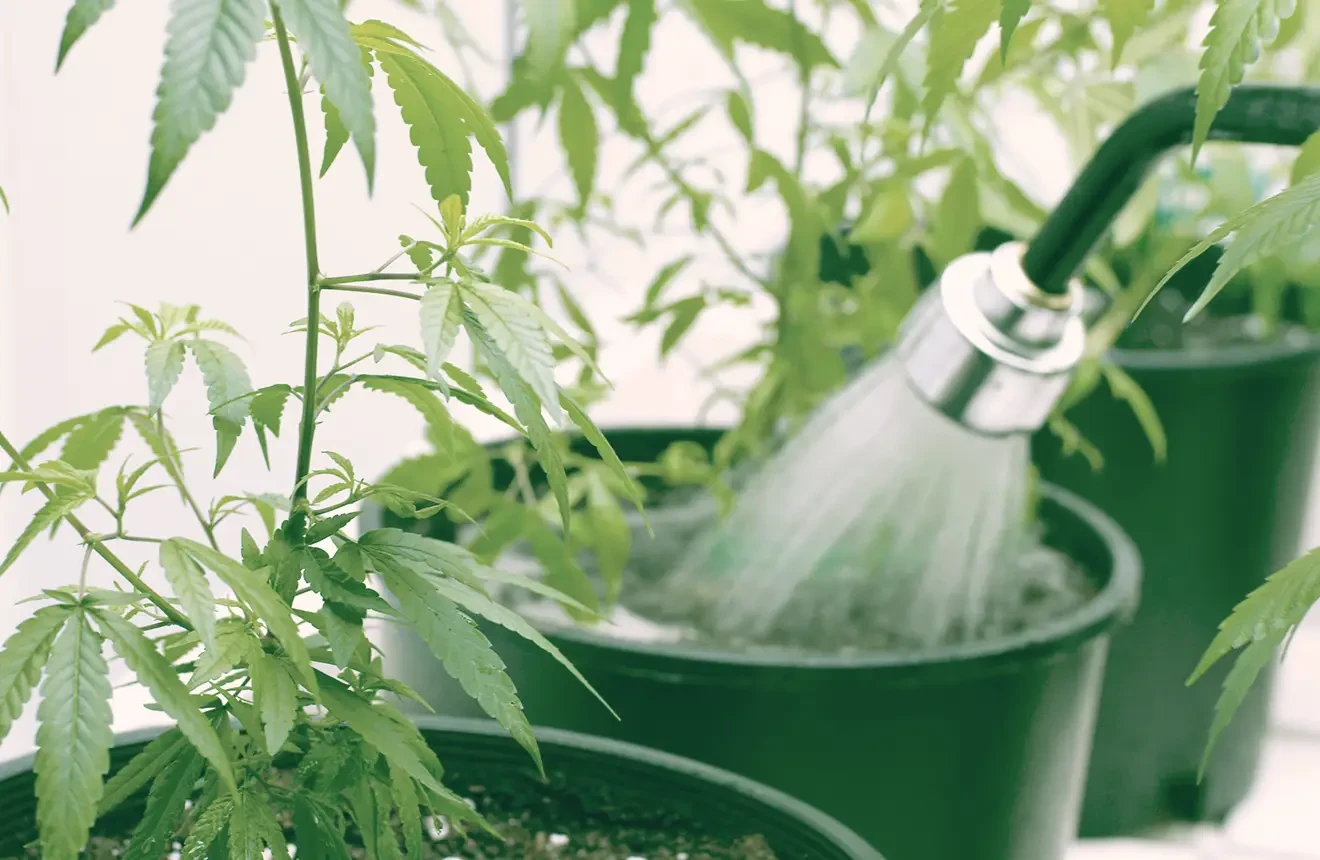
Never pour water directly on the main stem. This invites stem rot. Instead, pour the water in a slow circle a few inches away from the plant. This teases the roots and forces them to stretch outward in search of moisture.
A wider root system builds a much stronger plant.
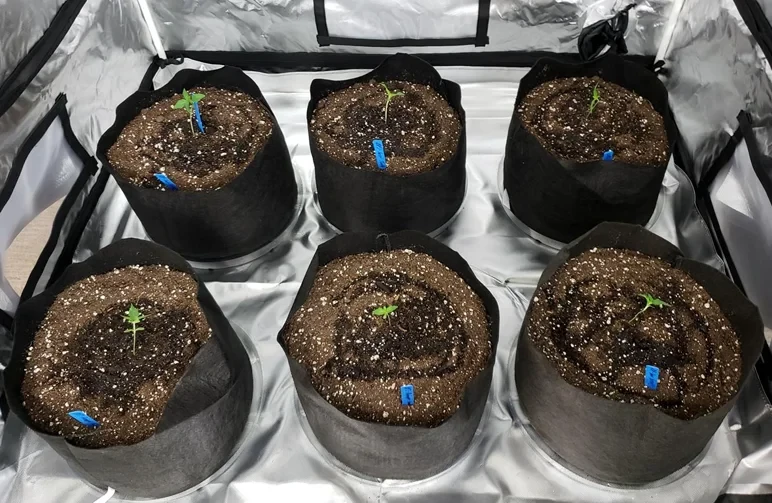
Step 2: Pour Slowly
If you pour too fast, the water will just run down the inside edges of the pot and out the bottom. The middle of the root ball will stay bone dry. Pour a little bit of water.
Wait a few minutes for the soil to absorb it like a sponge. Then pour a little more.
Step 3: Aim for Runoff
You want to keep watering until you see water dripping out of the bottom of the pot. We aim for 10 to 20 percent runoff. If you pour in one gallon of water, you want about a fifth of a gallon to drain out the bottom.
This washes out old, stale nutrient salts so they do not build up and burn your roots.
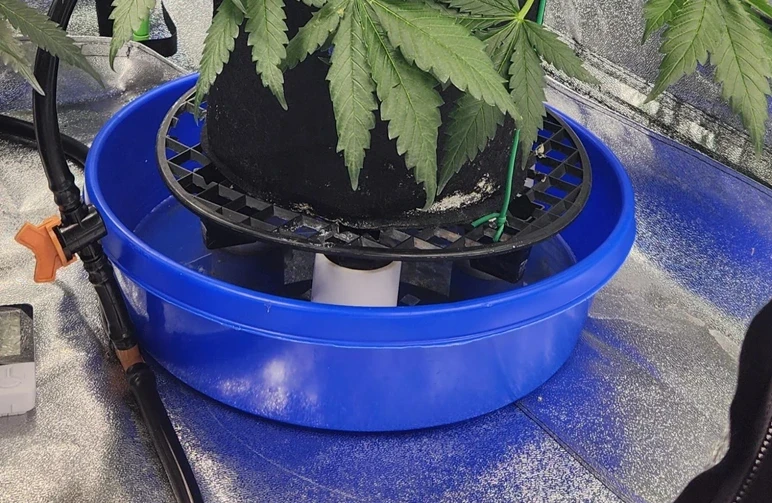
Step 4: Empty the Trays
Never let your plant sit in a puddle of its own runoff. Standing water is an open invitation for root rot and bugs. Use a wet vacuum to suck up the extra water, or tilt the drain saucers and dump them out.
Seedlings vs. Adult Plants
Babies drink differently than adults. If you treat a two-week-old seedling like a massive plant in full flower, you will drown it instantly.
Seedlings (Weeks 0 to 3)
Seedlings do not chug water. They take tiny sips. You should be measuring their water in tablespoons, not gallons. Use a spray bottle to lightly mist the dirt in a circle around the plant.
Keep the top layer barely moist and leave the rest of the pot airy. The goal is to tease the tiny roots to search outward for water without drowning them.
Vegetative Stage (Weeks 3 and Up)
This is when the roots explode. Your plant is officially an adult. Now you can move to the deep, heavy drenches we talked about earlier. You want to fully saturate the pot until you get that 10 to 20 percent runoff.
You will usually do this every two to three days.
Flowering Stage
Plants get incredibly thirsty when they are building heavy buds. Keep your watering rhythm steady. They love a consistent routine during this stage. Just remember to support your branches.
A plant carrying fat buds can easily snap in half right after a heavy watering because of the extra water weight.
What Kind of Water is Best?
You cannot just hook up a garden hose and blast your plants. The type of water you use matters just as much as how you pour it.
Water Temperature
Always use room temperature water. Aim for around 65 to 72 degrees Fahrenheit. Ice cold water will shock the roots and stunt your plant.
Hot water will literally cook the healthy microbes living in your dirt. Hard pass on both.
Tap Water
Tap water is perfectly fine for most growers. But there is a catch. City tap water is full of chlorine. Chlorine is designed to kill bacteria, which means it will kill the good microbes in your soil.
Before you water your plants, fill your buckets and let them sit open in your grow room for 24 hours. The chlorine will evaporate right out of the water.
RO (Reverse Osmosis) or Filtered Water
This water is completely clean. It has zero minerals in it. If you use RO or distilled water, you have a blank canvas.
Just remember that you must add a Cal-Mag (Calcium and Magnesium) supplement back into the water before you feed your plants. If you do not, your plants will show serious deficiency signs within a week.
Troubleshooting: Overwatering vs. Underwatering
This is the biggest point of confusion for new growers. Both problems make your plant droop, but they require completely different fixes.
Here is how to spot the difference.
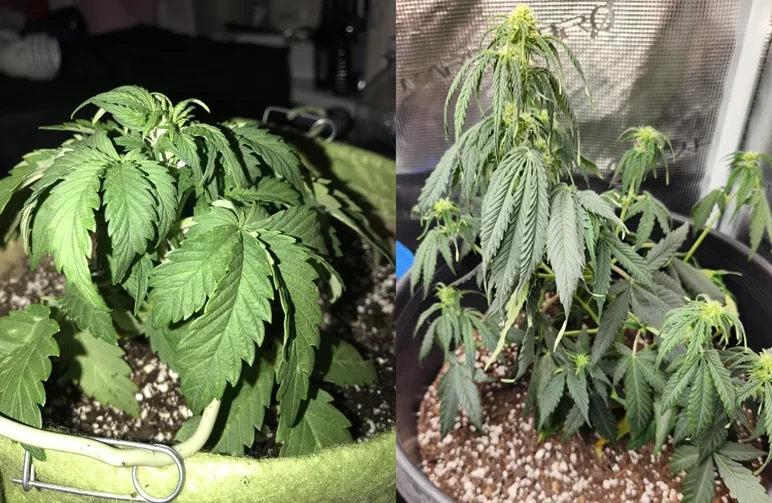
Signs of Overwatering (The Number One Rookie Mistake)
If your plant is overwatered, the pot will feel incredibly heavy. The dirt never seems to dry out. The leaves will droop, but they will look fat, swollen, and glossy. The tips of the leaves will curl downward like a claw.
How to fix it: Put the watering can down. Extend your dry period. Wait until the top two inches of dirt are completely dry and the pot feels light. You can point a small fan near the base of the pot to help dry the dirt out faster.
Signs of Underwatering
If your plant is underwatered, the pot will feel as light as a feather. The leaves will droop, but they will look thin, papery, and lifeless. The edges might even feel crispy.
How to fix it: Give the plant a deep, slow drench. Make sure you water the entire root zone until you get a good runoff out of the bottom. A thirsty plant will usually perk right back up in just a few hours.
Frequently Asked Questions
How often should I water my weed plants?
Throw away your calendar. You should never water on a set schedule. You water based on the lift test and the finger test. Depending on your pot size and room temperature, it usually takes two to three days for a pot to dry out.
But always let the plant tell you when it is thirsty.
Should I water when the grow lights are on or off?
Always water early in your light cycle. Plants drink the most water when the lights are on and they are actively growing. If you water right before the lights go out, the roots will sit in cold, wet dirt all night long.
That is an open invitation for root rot.
My soil is so dry the water just runs down the sides. What do I do?
If you let your dirt get too dry, it becomes hydrophobic. It acts like a raincoat and repels the water. To fix this, pour a tiny splash of water on the topsoil. Walk away and wait fifteen minutes.
This primes the dirt and softens it up. Then, go back and finish your slow watering.
The Wrap Up
Water like a grower, not a clock. If you master the wet/dry cycle and keep your pH in the correct lane, you will unlock the true potential of your plants.
Saturate the dirt evenly, let it dry appropriately, and watch your canopy explode.
Once you lock in this watering rhythm, the rest of the grow becomes incredibly easy.
If you are setting up your tent for the very first time, make sure to check out our complete guide on how to grow weed indoors to map out your next steps.
At Weedseedsexpress, we hand pick and test every single strain we sell. When you are ready for genetics that are actually worth your effort, grab some premium seeds from our lineup and grow along with us.
Keep your pH tight, and happy growing!