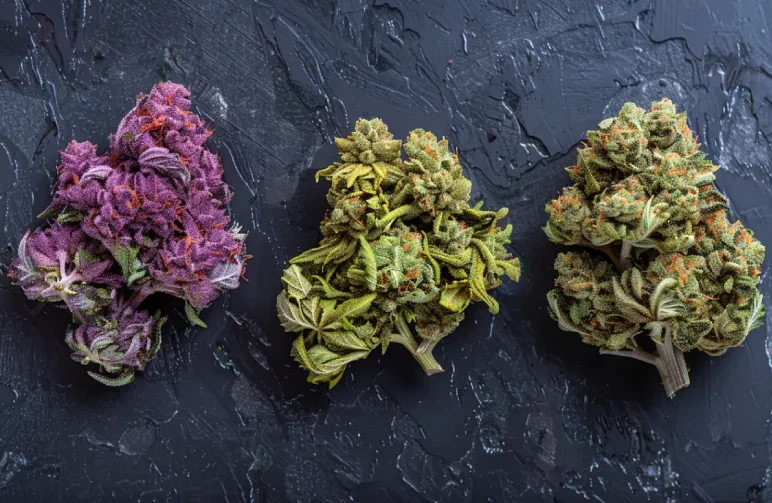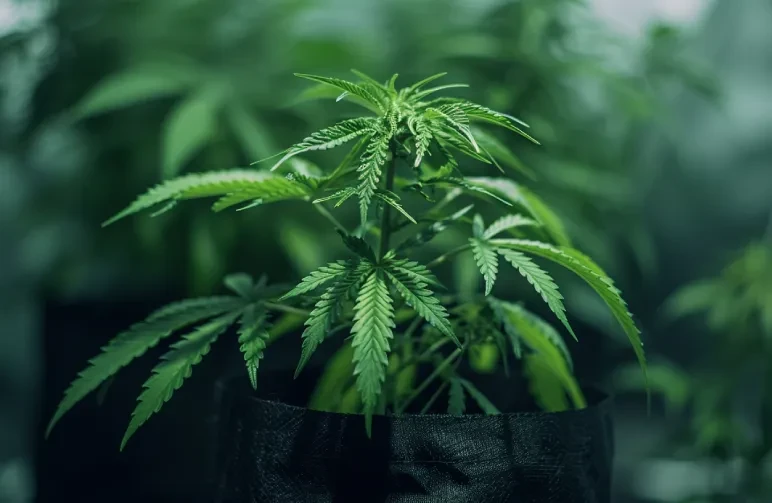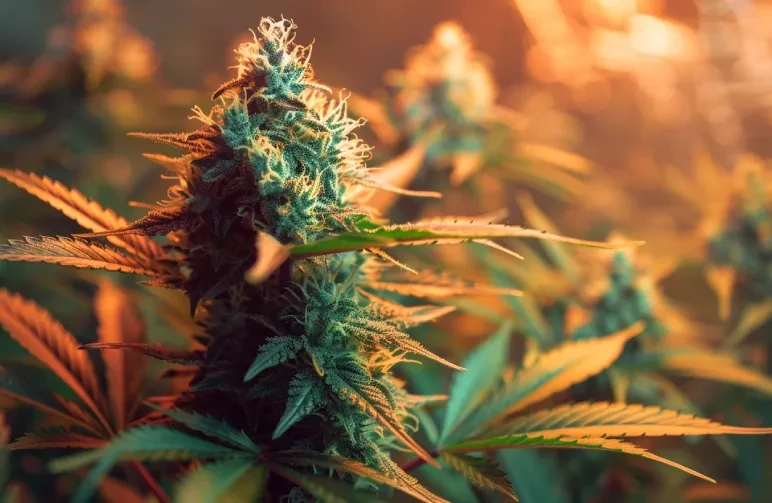


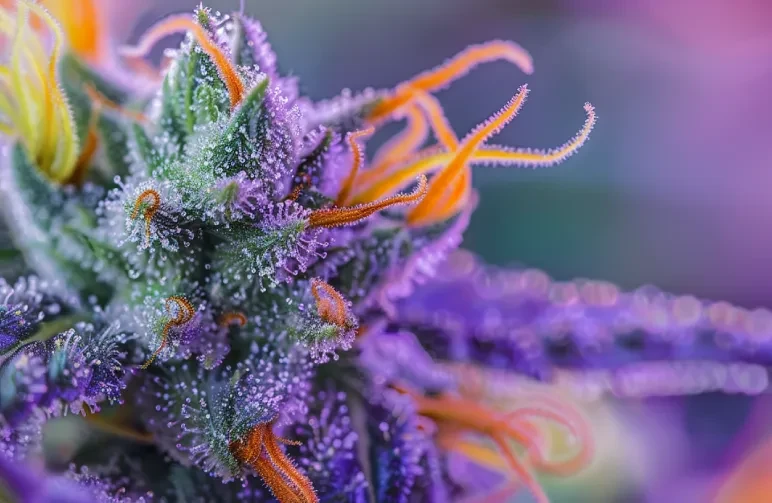
I’ve seen it happen countless times: a grower pours months of work into their autoflowers, only to end up with buds that look great but lack that frosty, sticky coating everyone hopes for.
It’s a bit like growing a tomato that looks ripe but tastes like cardboard. Something went wrong in the process.
Resin is where the magic lives. Those glistening trichomes don’t just make buds look beautiful. They are the plant's defense system, packed with cannabinoids, terpenes, and flavor compounds.
Boosting resin is not about shortcuts or miracle additives. It is about creating the right environment for the plant to express its full potential.
Here are five proven, experience-backed ways to push your autoflowers toward maximum resin production naturally, efficiently, and without stressing them to the breaking point.
1. Dial In Your Light Intensity and Spectrum
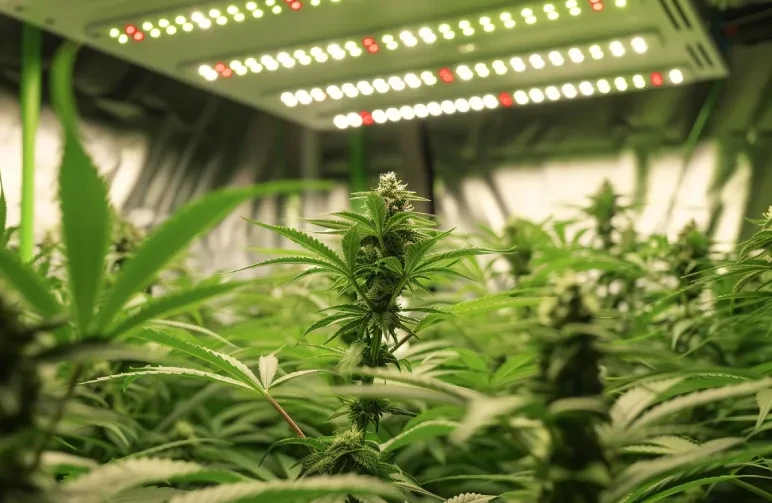
Light is fuel, but the right kind of fuel matters. Autoflowers evolved under intense, full-spectrum light in northern latitudes, so they respond beautifully to strong, balanced illumination.
The trick is giving them enough light using the best light schedule for autoflowers to push resin production without causing stress bleaching or foxtailing.
From my own grow logs, I’ve seen the biggest difference when running full-spectrum LEDs with UV-A and far-red diodes during bloom.
That UV exposure, even for an hour or two a day, tells the plant to produce more trichomes as a natural sunscreen against ultraviolet light.
If you’re using LEDs, aim for:
- PPFD of 600 to 900 µmol/m²/s during flowering (depending on strain and distance)
- Daily Light Integral (DLI) around 35 to 45 for optimal energy balance
- Light spectrum that includes blue, red, and trace UV for terpene depth
If you’re outdoors, your best resin days are those late-summer afternoons when the light is sharp but the air is still cool. Autoflowers finishing in that window often develop thicker, shinier coats of resin.
2. Feed for Quality, Not Quantity
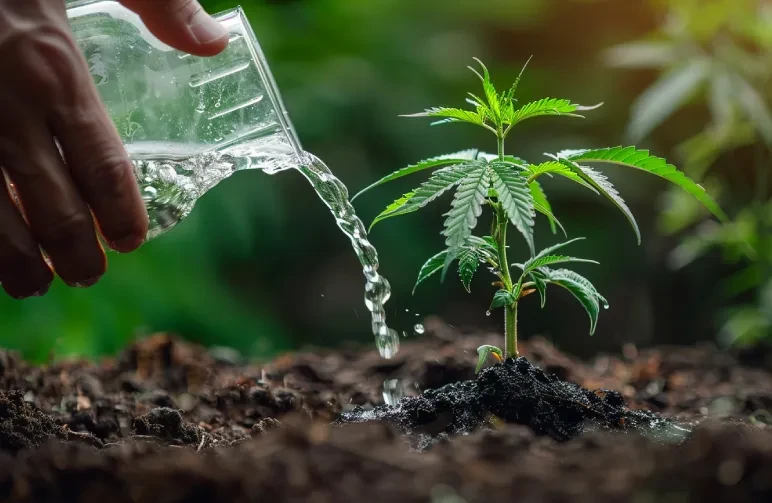
There is a temptation to overfeed during flower with more bloom booster, more phosphorus, more of everything.
But with autoflowers, less is often more. These plants are efficient and do not respond well to heavy nutrient loads, so understanding how they process and use nutrients is essential.
Our Guide to Autoflower Nutrients explains this balance in more detail, showing how small adjustments can make a big difference in both yield and resin quality.
In the last three weeks of bloom, your feeding should shift from bulk production to resin refinement. Here’s the nutrient rhythm I follow for resin-rich autos:
- Early flower (weeks 4 to 6): balanced bloom nutrients with moderate phosphorus and potassium (PK 4 to 5 range)
- Mid flower (weeks 6 to 8): increase potassium slightly but keep nitrogen low to prevent leafy buds
- Late flower (weeks 8 and up): taper nutrients and flush lightly with clean, pH-balanced water to encourage natural terpene ripening
Adding sulfur and magnesium in small doses during bloom helps synthesize terpenes and essential oils. Think of it as seasoning your crop before harvest.
I like to add a bit of Epsom salt (magnesium sulfate) to my water every other feed during the late stage.
3. Manage Stress Without Causing It
A little stress builds resilience; too much ruins the show. Autoflowers are particularly sensitive to stress during their short life cycle because once they start flowering, there is no time to recover from major errors.
Controlled environmental stress can actually increase resin as part of the plant’s defense response. The key is to use micro-stress techniques:
- Temperature differentials: Let nights drop about 5 °C to 7 °C below daytime temperatures in late flower. This encourages color and resin production.
- Moderate drought stress: Allow a light dry-back near harvest (never wilting) to trigger secondary metabolite production.
- Airflow: Keep a gentle breeze across buds. Constant micro-movement strengthens trichome stalks and prevents mold.
Avoid topping or heavy pruning once autos start blooming.
I once stunted an entire batch of Gorilla Glue Autos trying to open up the canopy halfway through flower and ended up with pretty leaves and minimal frost. Lesson learned.
4. Master the Environment: Temperature and Humidity
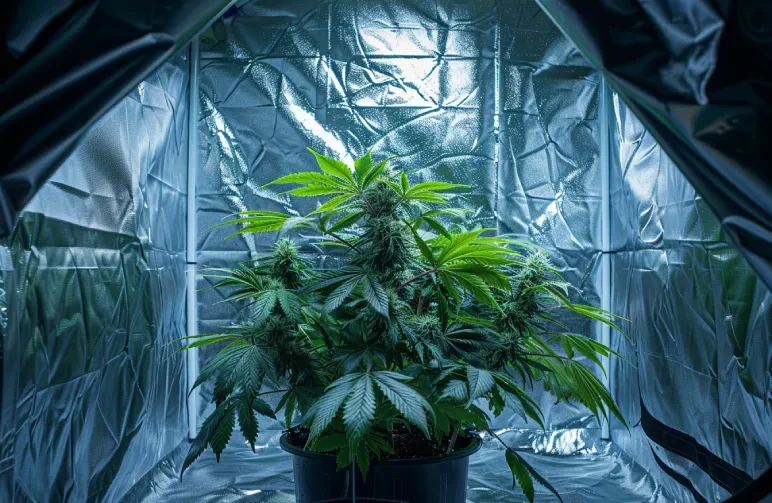
If there is one thing that can make or break resin formation, it is your environment. I like to think of trichomes as tiny factories. If the air is too hot or too humid, the workers go on strike.
During vegetative growth, keep conditions comfortable and slightly humid to promote lush foliage:
- Temperature around 22 °C to 26 °C
- Humidity between 55 and 65%
As the plant transitions into early flowering, start easing humidity down:
- Temperature between 22 °C to 25 °C
- Humidity around 45 to 55%
This shift signals the plant to protect itself, which is one of the reasons trichomes begin to appear in greater numbers.
In late flowering, resin really stacks when the air gets a bit drier and cooler:
- Daytime temperatures of 20 °C to 23 °C
- Humidity between 40 and 45%
That drop in moisture helps drive oils and terpenes to the surface of the buds while reducing the risk of mold. Good airflow is key here. Oscillating fans should keep the air moving gently but never whip the leaves around.
If you’re growing indoors, consider adding:
- A dehumidifier to keep humidity low during final bloom
- A small exhaust fan to refresh CO₂ levels and move out stagnant air
- Clean intake filters to prevent dust and spores from sticking to resin heads
Outdoors, the same rules apply. Resin swells in cool, dry mornings and tightens up in hot, sticky weather. That is why growers in Mediterranean or continental climates often see the stickiest resin in autumn.
The plants respond to mild, dry stress by thickening their trichome layer.
5. Time the Harvest and Handle With Care
This might be the most underrated resin factor of all. Harvesting too early means the trichomes have not fully ripened. Too late, and the cannabinoids start degrading.
Here’s what I look for under a jeweler’s loupe:
- Clear trichomes: immature and still developing cannabinoids
- Cloudy or milky: peak THC and terpene production
- Amber: cannabinoids begin to degrade, producing a more sedative effect
For most autoflowers, 10 to 20% amber trichomes is the sweet spot. I like to harvest early in the day before lights turn on because resin is less volatile when cool.
And after harvest, treat those buds like ripe peaches:
- Trim gently with clean scissors
- Avoid squeezing or overhandling
- Dry slowly at 18 °C to 20 °C and 50 to 55% humidity
- Cure in glass jars for at least two weeks, burping daily
A slow cure lets terpenes stabilize and brings out that signature stickiness. Rush it, and you will lose half your potential flavor and potency.
A Grower’s Reflection
When I first started with autoflowers, I was convinced resin production was purely genetic. That you either had a frosty strain or you did not. But after dozens of grows, I learned it is just like with tomatoes or roses.
Genetics set the ceiling, but your care determines how close you get to it.
If you give your autos balanced light, a clean environment, and a calm life with the right amount of challenge, they will respond by coating themselves in the good stuff. Every trichome is a story of light, nutrition, temperature, and patience.
And that is the thing about resin. You cannot fake it. You have to grow it right.