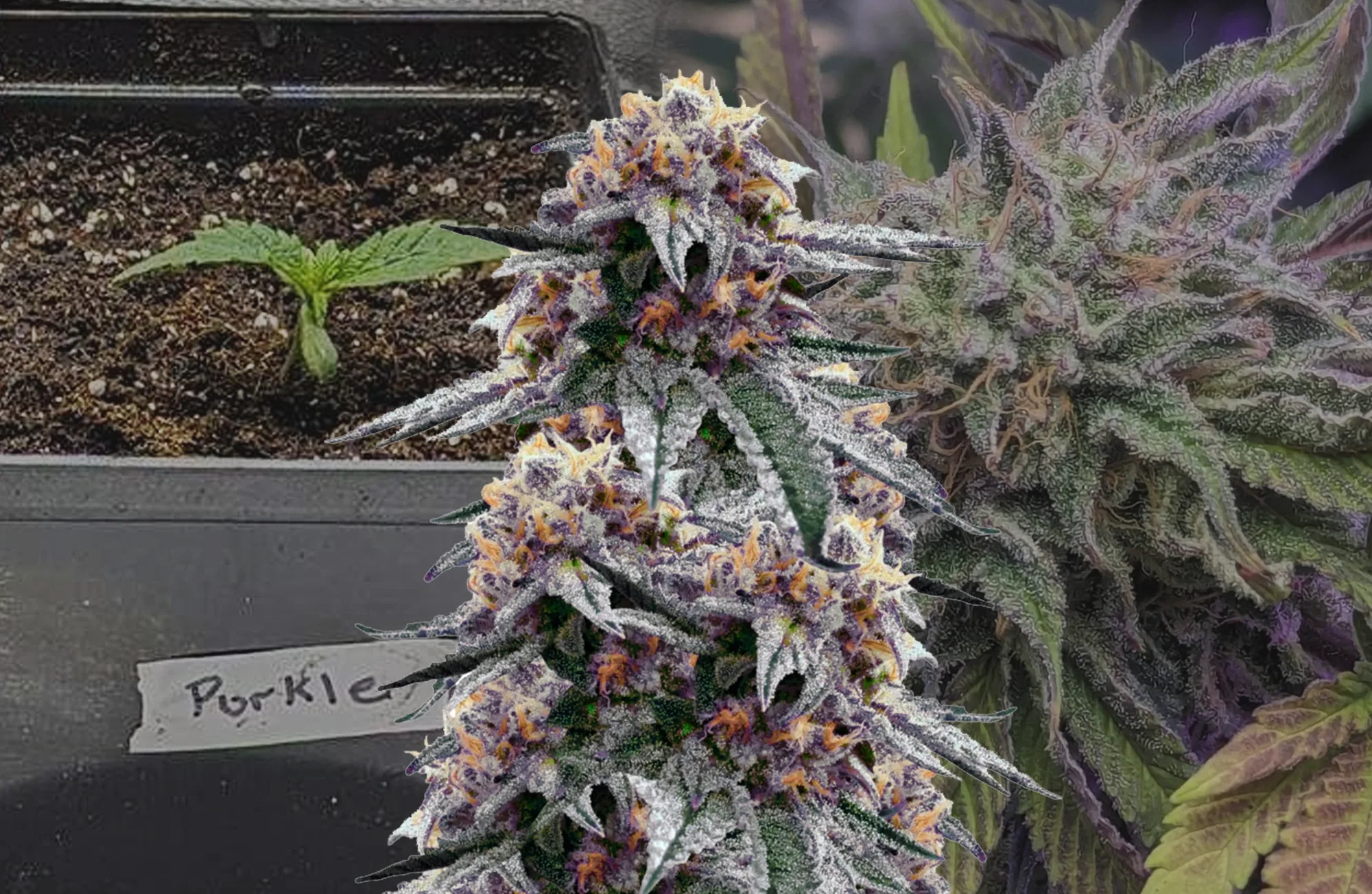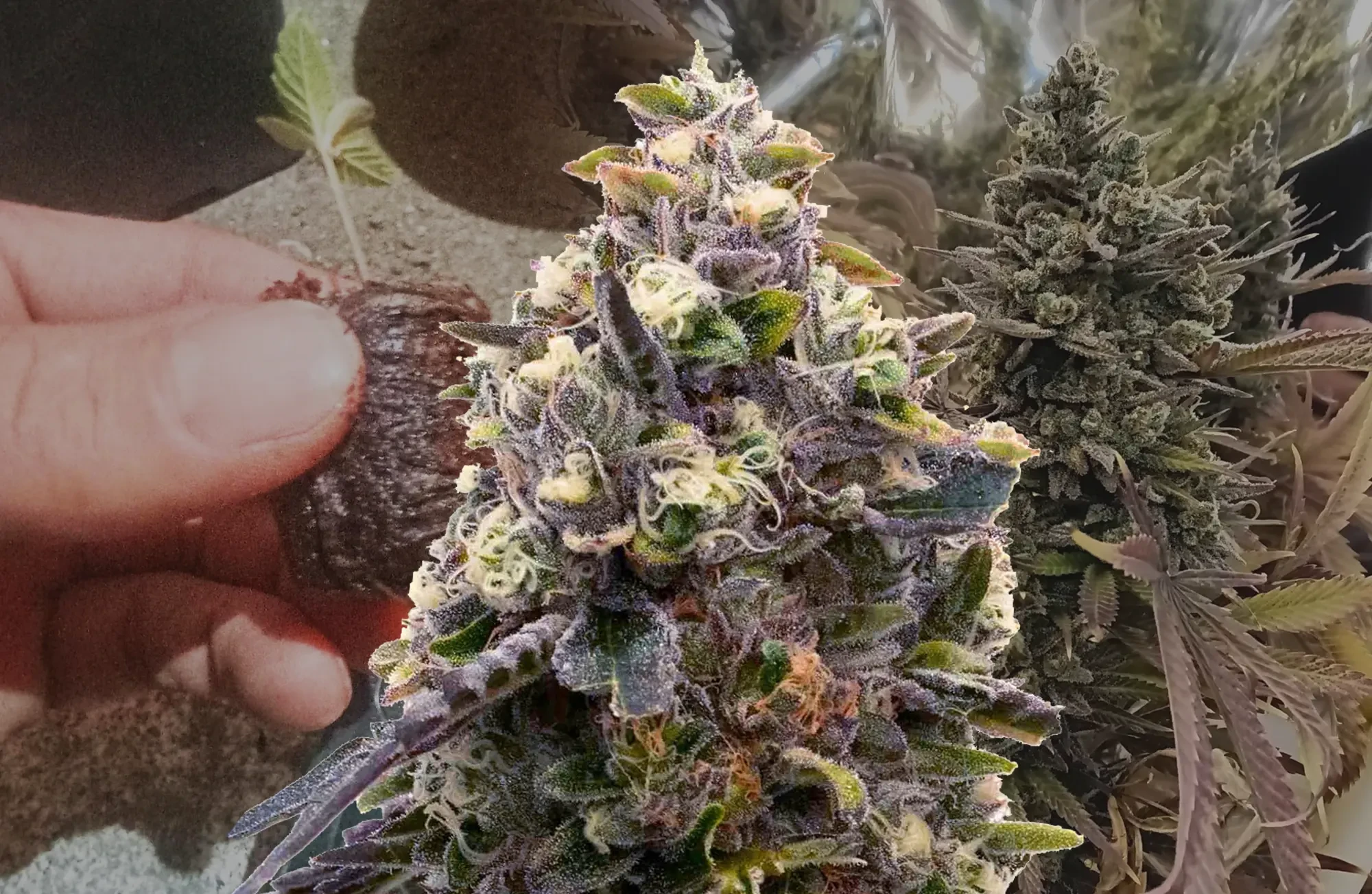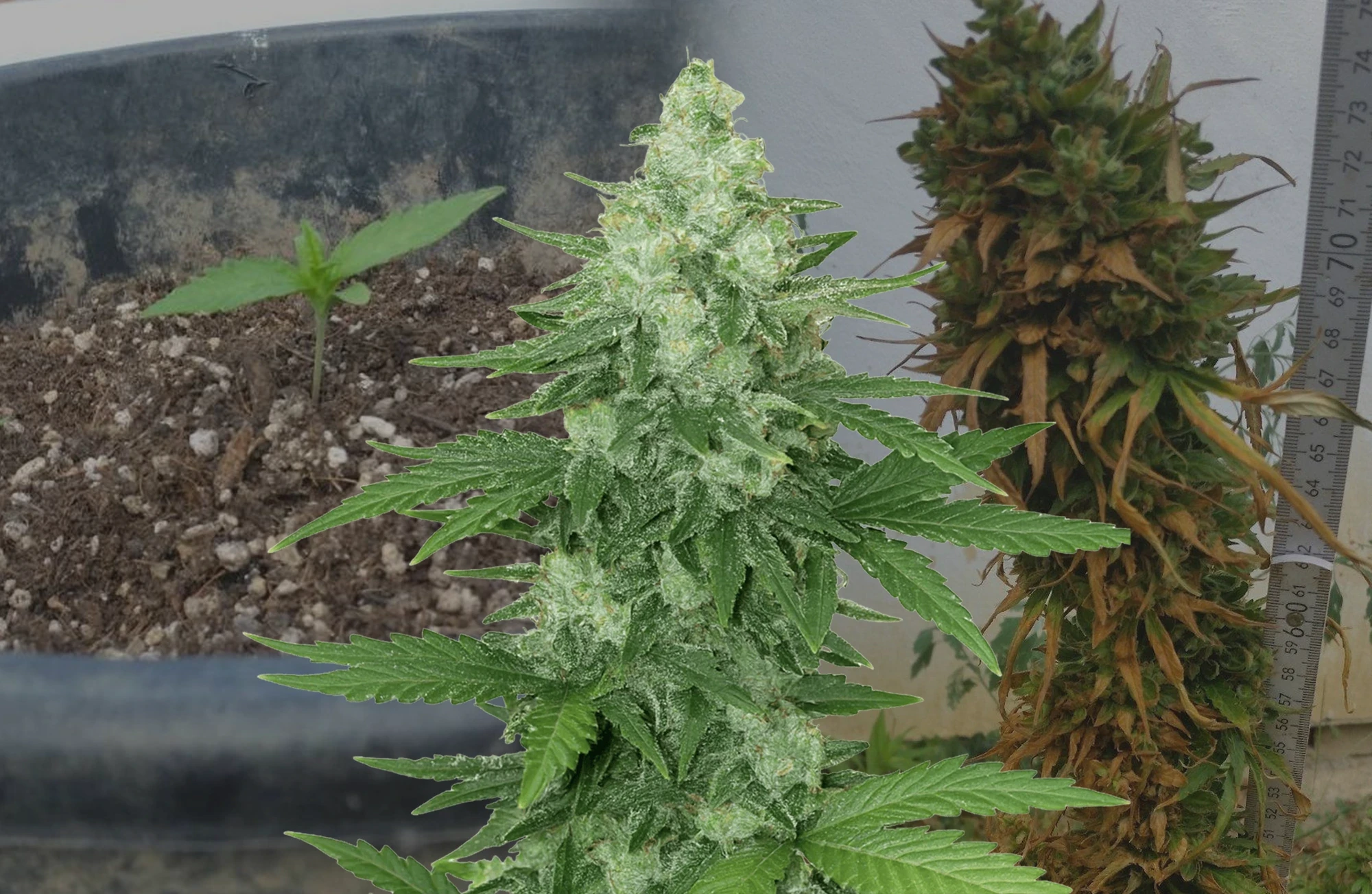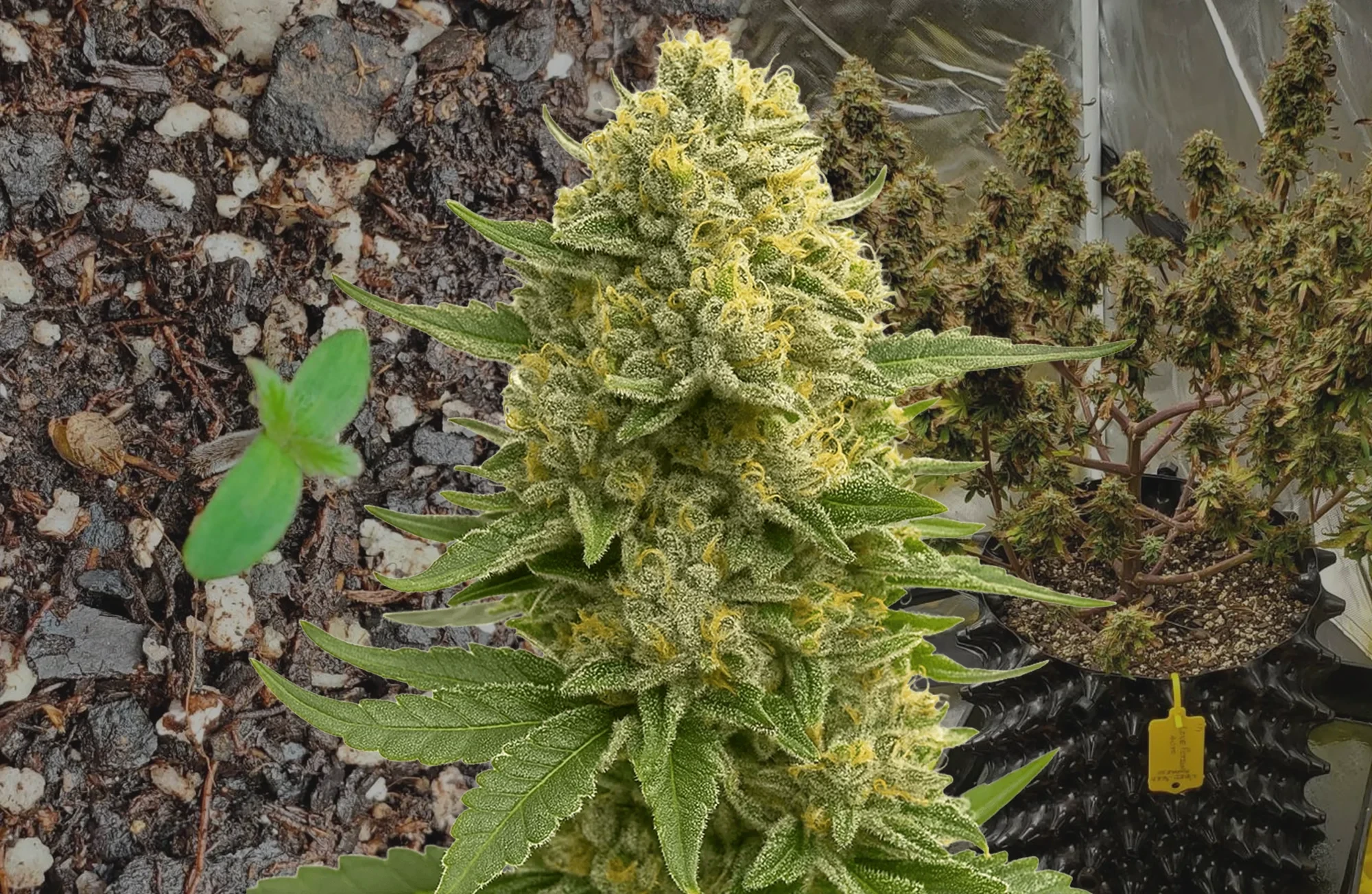

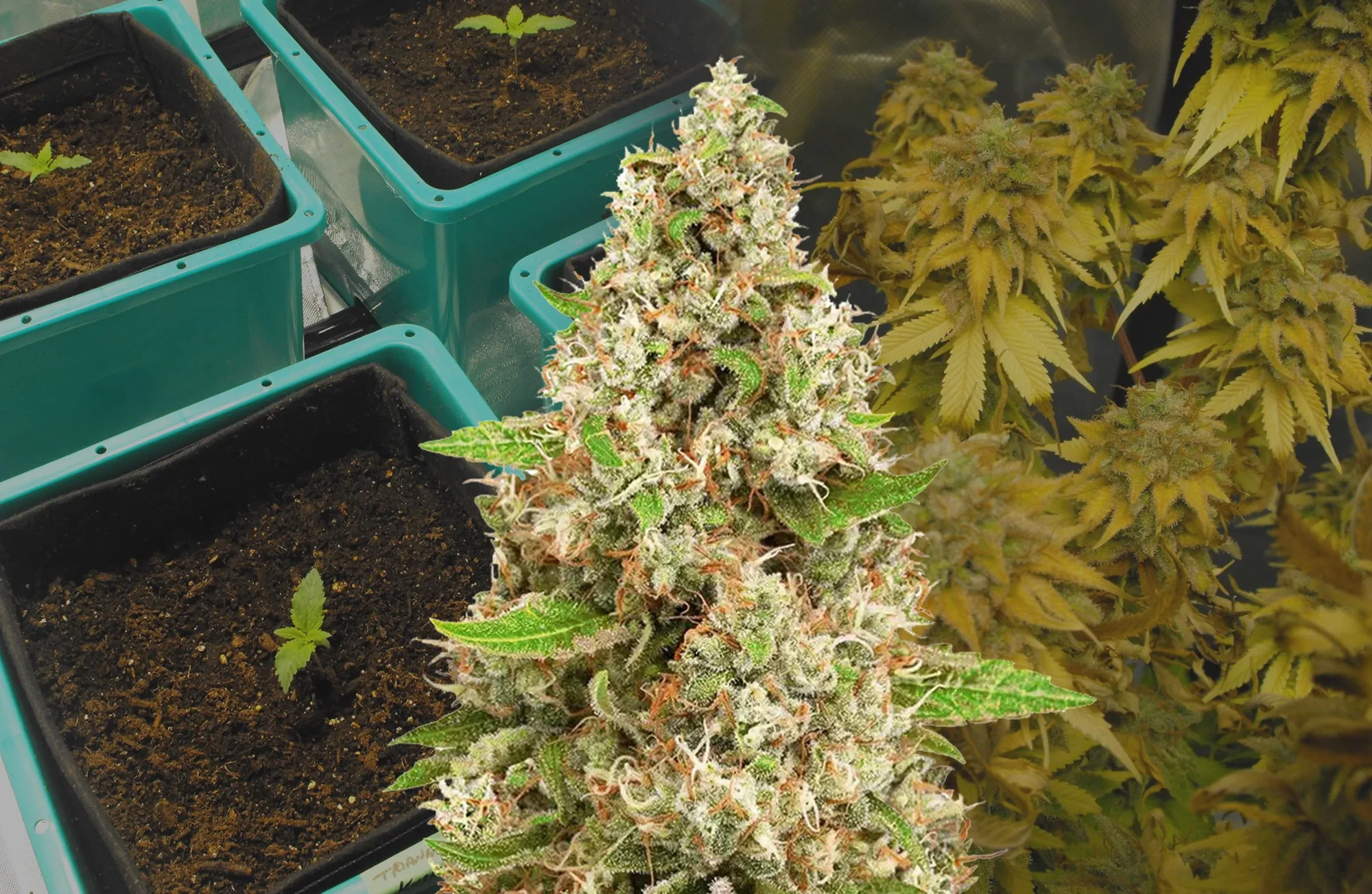
Repeated heavy defoliation didn't spoil spyder's Triangle Kush run. In the final review, the grower described an easy grow that produced very hard, dense, crystal-coated buds, earning the strain a 10/10 rating.
This indoor diary followed four plants grown in soil with a Grow Ace Air Cube watering system.
The setup was a central part of the story, but the finish had its own appeal: citrus and earthy flavours, a smooth smoke and relaxing effects, according to spyder.
Ready to grow this strain? Buy Triangle Kush seeds here at WeedSeedsExpress.
Grow Setup
| Parameter | Details |
|---|---|
| Strain | Triangle Kush seeds by WeedSeedsExpress |
| Grower | spyder |
| Environment | Indoor tent |
| Medium | Soil |
| Plant count | 4 |
| Lighting | ViparSpectra P2500 LED, listed at 250W for vegetation and flowering |
| Watering system | Grow Ace Air Cube, manually operated for this soil grow |
| Day and night temperatures | 27 °C during the day; 21 °C at night |
| Relative humidity | 55% |
| pH | 6.2 |
Grow Diary
Week 0 – Germination
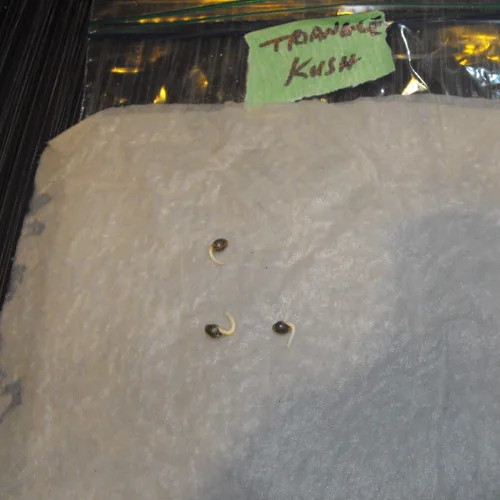
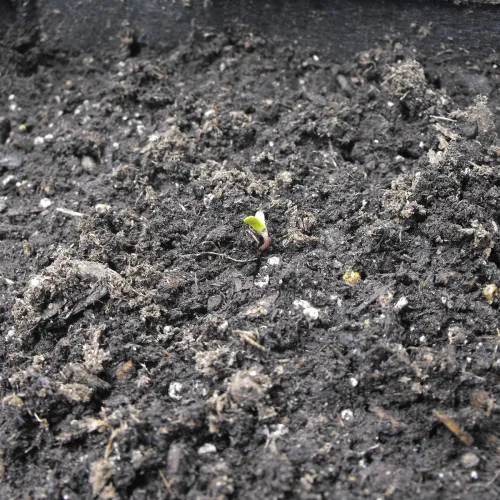
Spyder started the seeds in a glass of water for 24 hours, followed by another 24 hours in a paper towel before planting them in their pots. A subsequent update confirmed that all had emerged from the soil.
For this first soil run with the Air Cube system, the grower chose to switch watering on and off manually. The system watered from the bottom, then drained back down.
Week 1–2 – Vegetative Establishment
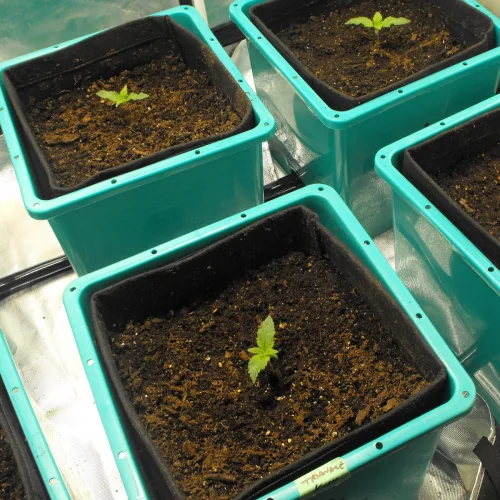
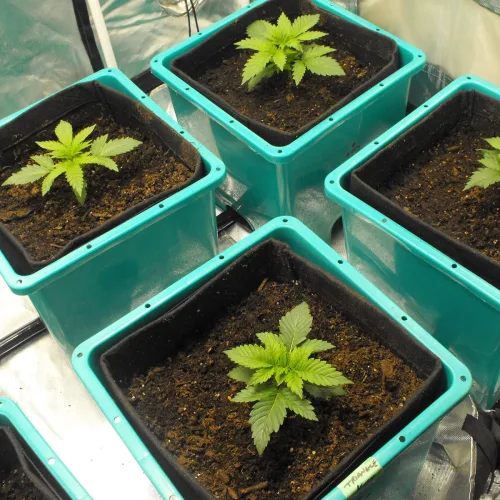
The young plants needed watering only every few days in week 1. Spyder planned to increase the frequency as they matured and described them as beginning to establish themselves.
By week 2, the grower was pleased with how the system worked with soil. The plants continued developing, and the update remained positive about the setup.
Week 3–4 – Vegetation and Heavy Defoliation
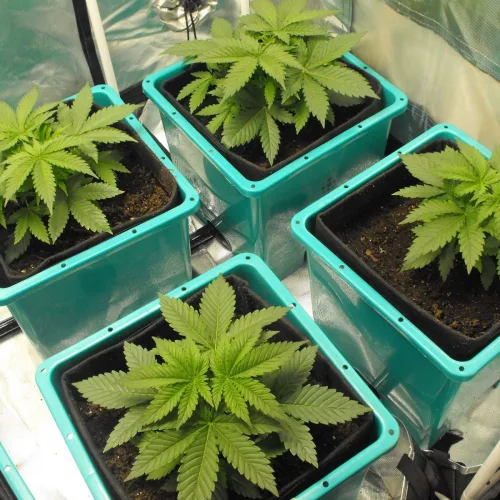
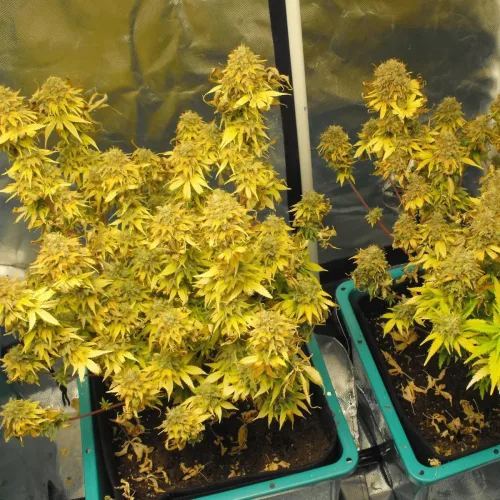
Week 3 brought the first recorded substantial defoliation. Spyder thought the plants were doing well, though the immediate update expressed some concern about possible stress after removing the foliage.
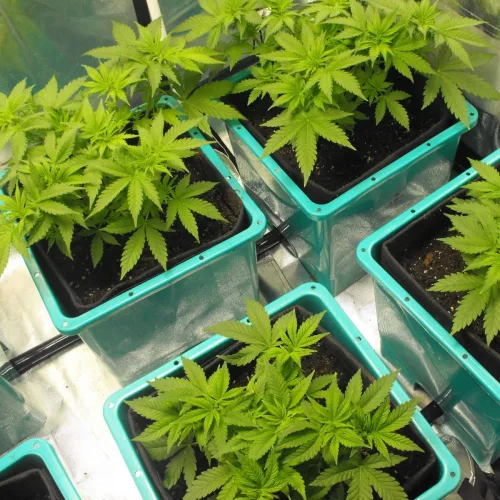
Another heavy defoliation followed in week 4. This time, the grower explicitly reported that the plants had taken it well.
Week 5–6 – Flowering Transition
In week 5, spyder reported that the plants were still filling out after two heavy defoliations in close succession. The grower also recorded initiating the flowering transition the previous day.
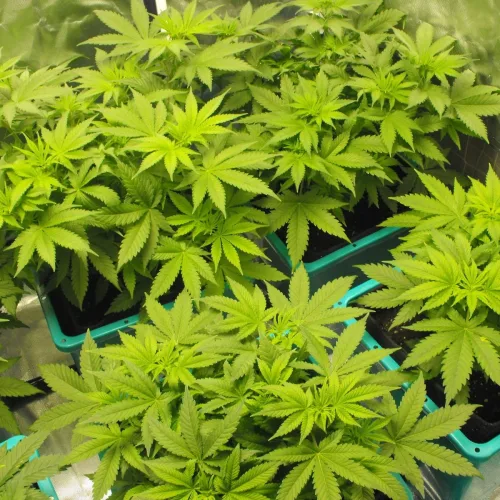
Week 6 remained labeled as vegetation. At that point, spyder hadn't yet seen signs of flowers.
Week 7–9 – Flowering Begins
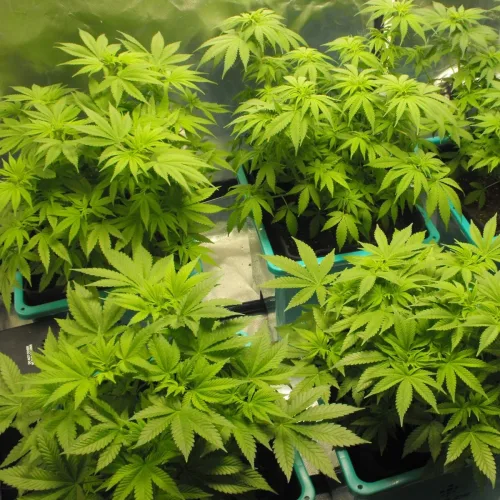
Flowering became visible in week 7, when spyder carried out another heavy defoliation. By week 8, the grower confirmed that the plants had moved into flower.
The week 9 update described continued progress and anticipation of testing the finished crop. Spyder also continued to find the Air Cube system easy to manage.
Week 10 – Flowering and Watering Intervals
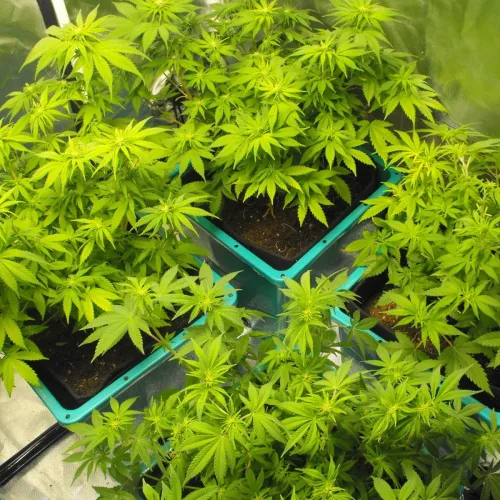
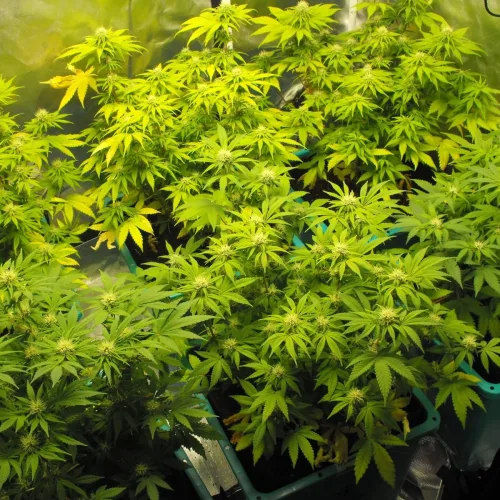
By week 10, spyder had a clearer view of how the watering system behaved with soil. The medium became thoroughly saturated and took time to dry, allowing longer intervals between watering sessions.
The grower considered this a practical benefit of the setup.
Week 11–13 – Buds Thicken and Firm Up
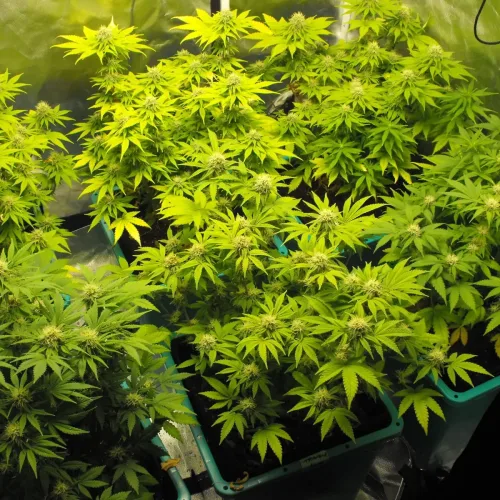
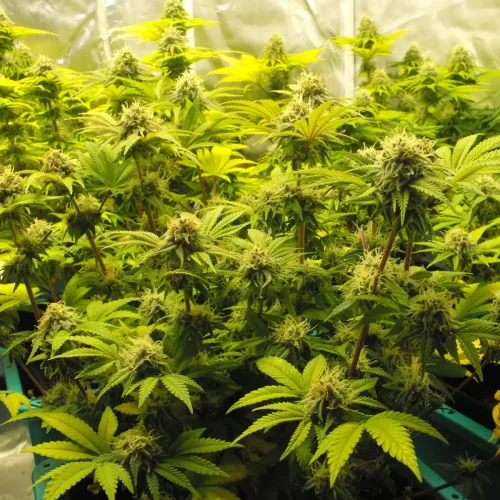
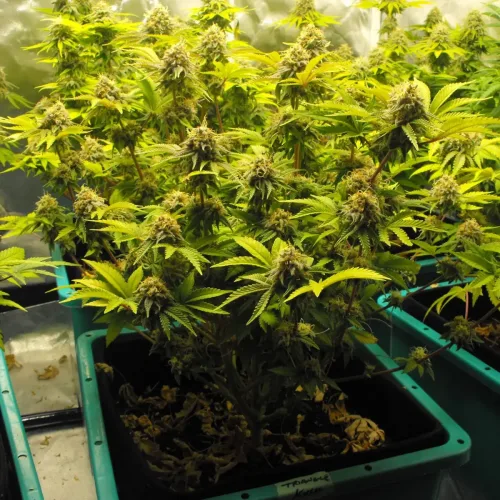
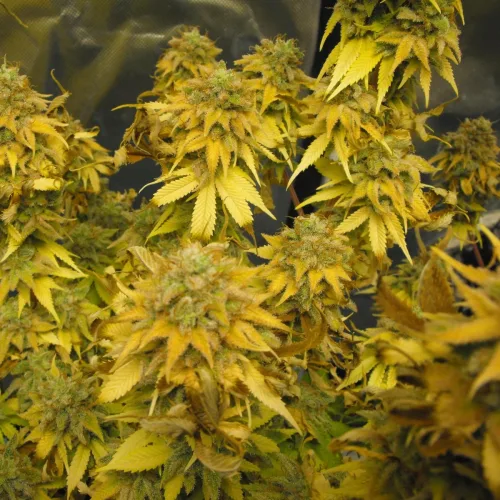
In week 11, spyder reported thickening buds and increasing stickiness. The following week's description was more specific: the flowers were filling in and becoming tight, hard and sticky.
Those qualities remained the focus in week 13. The grower again described hard, sticky buds and began looking ahead to harvest.
Week 14–16 – Approaching Harvest
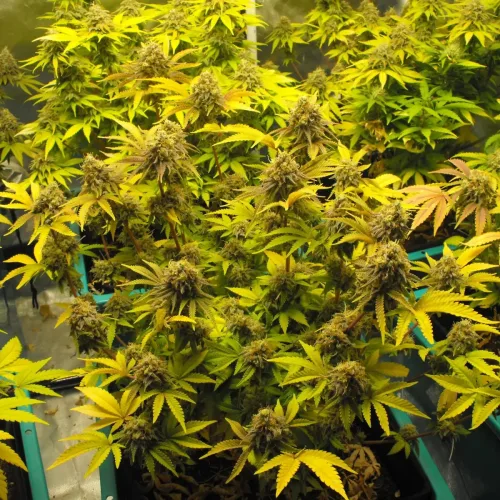
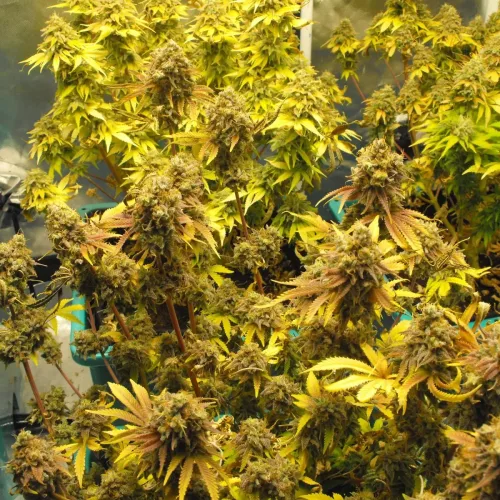
Spyder expected harvest to be close in week 14 and repeated that expectation in week 15. In week 16, the grower judged the buds ready and planned to take the plants down within the next few days.
Week 17 – Harvest Begins
The first plant came down in week 17. Spyder said the remaining plants would follow, with weights to be updated once the work was finished.
Week 18 – Harvest Report
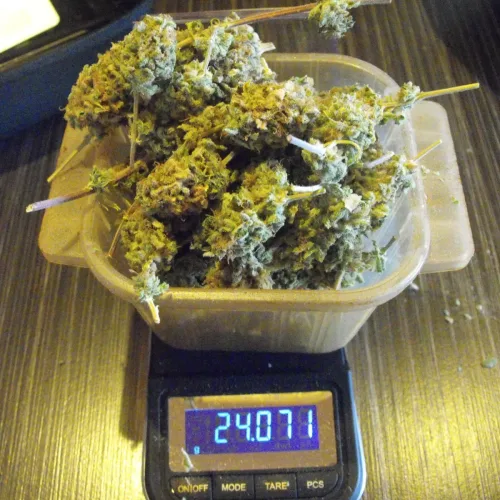
The completed harvest entry recorded four plants and a duration of 121 days. It listed wet bud weight at 249.5 g per plant and dry bud weight at 60.63 g per plant.
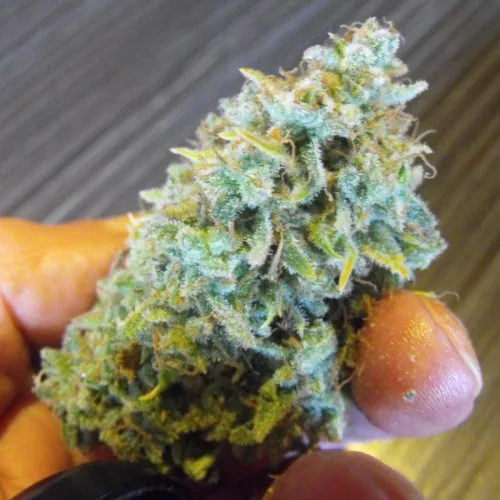
Spyder's final assessment emphasized dense, crystal-coated flowers and the plants' tolerance of repeated defoliation. The strain received a 10/10 rating.
Challenges & Solutions
The clearest concern in the diary was how the plants would respond to heavy foliage removal. Spyder initially hoped the week 3 defoliation wouldn't cause stress, then reported a good response to the next session.
By the final review, the grower described the plants as having tolerated substantial defoliation without stress.
Watering was another point of attention. Early on, the small plants needed water only every few days.
Later, spyder observed that the thoroughly wetted soil dried slowly, making longer gaps between watering sessions workable in this particular setup.
Final Result and Strain Review
Spyder finished with a strongly positive view of Triangle Kush. The grower called it an easy grow and highlighted the very hard, dense buds and their crystal coating.
The recorded weights distinguish wet flower from dried flower and are both expressed per plant.
| Metric | Result |
|---|---|
| Plants harvested | 4 |
| Wet bud weight per plant | 249.5 g |
| Dry bud weight per plant | 60.63 g |
| Recorded duration | 121 days |
| Strain rating | 10/10 |
| Grow difficulty rating | Normal |
| Lighting rating | ViparSpectra P2500: 10/10 |
The tasting report listed citrus and earthy flavours. Spyder described the smoke as smooth and relaxing, with giggly and relaxed effects, and preferred it for late-day or nighttime use.
Interested in the strain from Spyder's run? Try Triangle Kush seeds from WeedSeedsExpress.