

We've all been there, staring at a leaf, wondering if it's hungry, mad at the pH, or straight-up burned. Cannabis Nutrient Deficiencies and Toxicities can tank potency, slow growth, and cut yield right when it matters.
The good news? With a few core principles and a sharp eye, you can diagnose fast and correct even faster.
In this guide, we'll break down lockout vs. true deficiency, mobile vs. immobile nutrients, the telltale symptoms you'll actually see in the tent, and how to prevent drama entirely.
Whether you're popping your first beans or running a dialed multi-tent setup, this is the playbook we use in-house, and it works.
Key Takeaways
- Diagnose by Location: Older, lower leaves indicate mobile nutrient issues, while new, upper growth points to immobile ones. This guides you to the right fix, first.
- Fix pH Before Anything Else: Most "deficiencies" are actually nutrient lockout. Correct your pH, then gently flush and resume a balanced feed.
- Correct Lightly: Avoid stacking boosters. Track recovery in new growth because damaged leaves won’t heal.
- Catch Toxicities Early: Crispy tips, dark clawed leaves, and high EC are warning signs. Reset by flushing salts, recalibrating pH, and reducing feed strength.
- Prevention is Key: Stable pH/EC, a complete base nutrient line, disciplined watering, and a dialed-in environment are your best defenses.
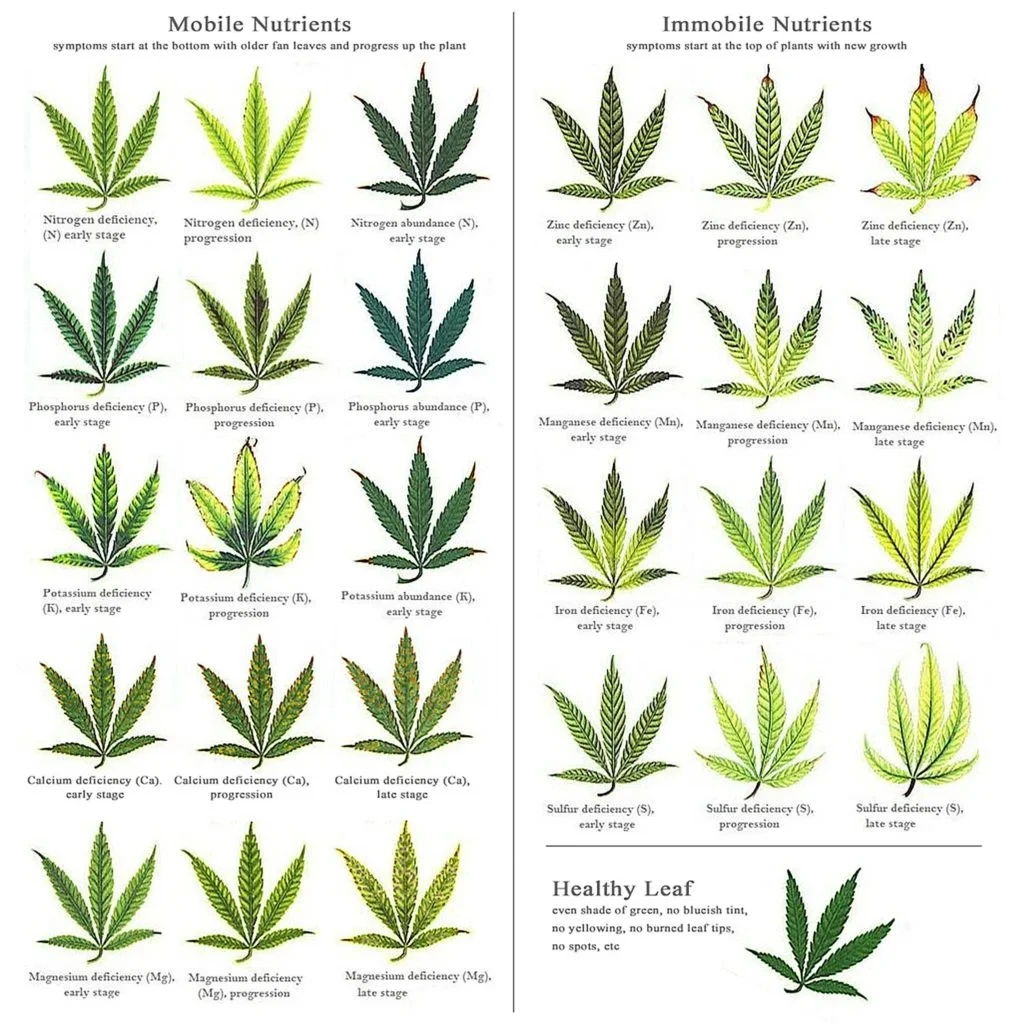
Credit: Illustrated by u/thisfool86 via Reddit.
Introduction: Why Healthy Plants Start with the Right Nutrients
Healthy cannabis starts with balanced macronutrients (N, P, K) and a supporting cast of micronutrients (Ca, Mg, S, Fe, Zn, Mn, B, Cu).
These aren't optional extras: they power chlorophyll production, root growth, bud formation, resin output—the whole show.
When one piece of the puzzle goes missing (or goes way too heavy), we see slower veg, weaker stems, faded terps, and disappointing harvests.
For a complete overview of the entire cultivation process, check out our guide on how to grow weed indoors.
Here's the kicker: most "deficiencies" we get DMs about aren't actually about missing nutrients in the bottle. They're about availability, especially pH. We'll hit that first.
Then we'll show you how to read the plant by where symptoms show up (older vs. newer leaves), so you can make the right move on the first try.
Side note: starting from legit genetics matters more than people admit. Weak stock masks and mimics issues. If you need stable, tested seeds with real support, we've got you.
Weedseedsexpress (WSE) ships globally with a germination guarantee.
The #1 Cause of Deficiencies: Understanding pH and Nutrient Lockout
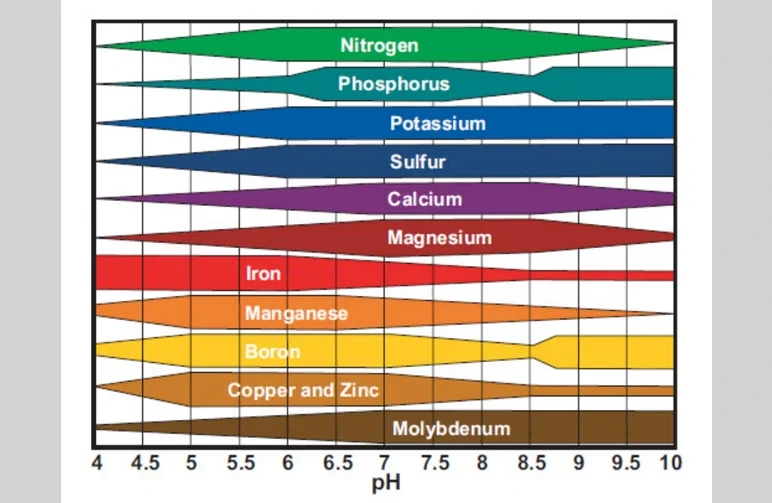
If your pH is off, nutrients can be sitting right there in the medium and your plant still can't eat them. That’s classic nutrient lockout. It looks just like a deficiency, but adding more feed only makes it worse by building up more salts.
That's why pH is the first thing we check, every time.
Targets we use:
Soil/soilless: 5.8–6.5 (we cruise around 6.2–6.4 most of bloom)
Hydro/coco: 5.5–6.0 (we drift 5.6–5.9 to keep micros available)
Common lockout stories we see:
Low pH in coco/hydro (5.1-ish) → Ca/Mg uptake tanks → "Random spots" on new leaves, brittle growth.
High pH in soil (7+ from hard water) → Fe/Zn/Mn availability drops → Neon-yellow new growth with green veins.
Fixes:
- Verify with a calibrated meter. Seriously, calibrate it.
- Adjust your input (nutrient solution) pH into the target range.
- If lockout is suspected, perform a gentle flush: 1–2x container volume with pH-correct water, then resume a balanced feed at 50–75% strength. Let the medium breathe—don't drown the roots.
Rule We Live By: Fix pH first. Only then should you look at tweaking nutrients.
Mobile vs. Immobile Nutrients: The Key to Faster Diagnosis
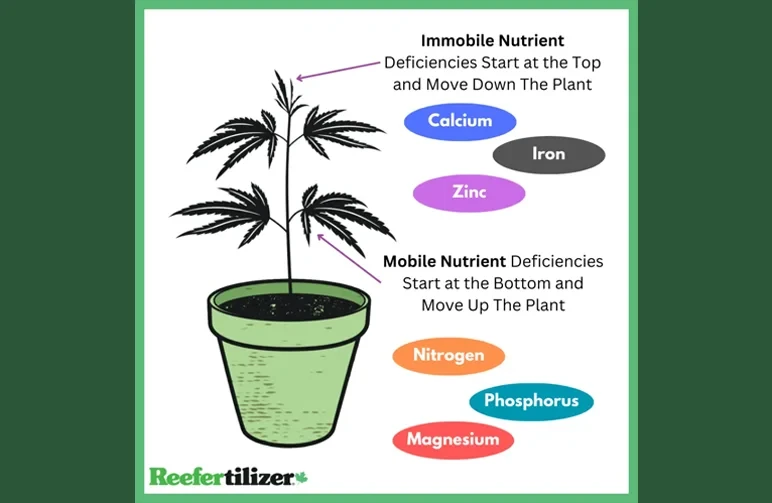
Plants are clever. When something's missing, they rob Peter (older leaves) to pay Paul (new growth), but only for nutrients that can move.
- Mobile nutrients: N, P, K, Mg. Deficiency symptoms show up on older/lower leaves first because the plant relocates these to support new growth.
- Immobile nutrients: Ca, S, Fe, Zn, Mn, B, Cu. Symptoms hit new/upper leaves because these elements don't move well; issues appear right where the fresh tissue is forming.
So before you panic, ask: where are the symptoms? That one question gets you 80% of the way to a correct diagnosis.
Quick Diagnostic Table
| Symptom | Location on Plant | Likely Deficiency |
|---|---|---|
| Uniform Yellowing | Lower, Older Leaves | Nitrogen (N) |
| Burnt Edges, Crispy Margins | Lower, Older Leaves | Potassium (K) |
| Yellowing Between Veins | Lower, Older Leaves | Magnesium (Mg) |
| Yellowing Between Veins | New, Upper Growth | Iron (Fe) or Manganese (Mn) |
| Twisted, Stunted New Growth | New, Upper Growth | Calcium (Ca) or Boron (B) |
| Crispy, Burnt Tips | Any, often newer leaves | Toxicity (Nutrient Burn) |
Hold Up: Rule Out Pests First
Before you go down the nutrient rabbit hole, do a quick check under the leaves with a loupe or your phone's camera zoomed in.
Symptoms like stippling, spotting, or yellowing can sometimes be caused by pests like spider mites or thrips, not deficiencies. A clean plant is the first step to a correct diagnosis.
Part 1: Common Mobile Nutrient Deficiencies (Symptoms on Older, Lower Leaves)
1. Nitrogen (N) Deficiency
What you'll see: A gentle, uniform pale-yellow that starts at the base and creeps upward. Leaves thin out, may curl slightly, and eventually drop. Plants might flower faster, but yields take a massive hit.
Why it happens: Underfeeding, aggressive leaching/flush, or heavy bloom formulas too early. Auto strains under too-cool temps can also slow N uptake.
Fix it fast:
- Bump N lightly (use your grow formula or a Cal-Mag that carries some Nitrogen).
- Check pH; N uptake gets weird if you're out of range.
- Don't overcorrect. Aim for steady green, not dark, clawed leaves (that's N toxicity).
2. Phosphorus (P) Deficiency
What you'll see: Dull blue-green leaves, dark blotches or brown spots, rigid curl, and sometimes purple/red petioles (this can also be genetic). Stems can stunt; plants look "stuck."
Why it happens: Cold root zones (<18 °C), low pH in hydro, or too much K/Zn/Ca competing.
Fix it fast:
- Warm the root zone and hit the correct pH. This is often the real fix.
- Use a balanced bloom feed with available P.
- Don't chase purple stems; some cultivars just run anthocyanin. Judge by leaf health.
3. Potassium (K) Deficiency
What you'll see: Yellowing and browning at the leaf edges (margins) while the veins stay greener. Looks like a halo of death on the leaf rim. Stretchy plants, weak stems.
Why it happens: Heavy P boosters crowding out the K balance, or a salt buildup in coco locking K out.
Fix it fast:
- Flush if your EC is high, then resume with a balanced feed.
- Add a K-forward supplement if your base is light. Kelp meal is a great organic option.
- Keep pH in range; watch for improvement in new growth within 3–7 days.
4. Magnesium (Mg) Deficiency
What you'll see: Interveinal chlorosis on lower leaves—the veins stay green while the spaces between turn yellow. Rusty freckles can develop. It creeps upward if ignored.
Why it happens: Soft/RO water with no Mg supplement, high K/Ca levels outcompeting Mg, or pH drift.
Fix it fast:
- Add a Cal-Mag (check the label; balance counts) or Epsom salts at 0.5–1 g/L as a short-term fix.
- For a rapid pick-me-up, use a foliar spray at lights-off (0.5 g/L Epsom). Avoid letting beads of water sit on buds.
- Confirm your pH before adding more stuff.
Part 2: Common Immobile Nutrient Deficiencies (Symptoms on New, Upper Leaves)
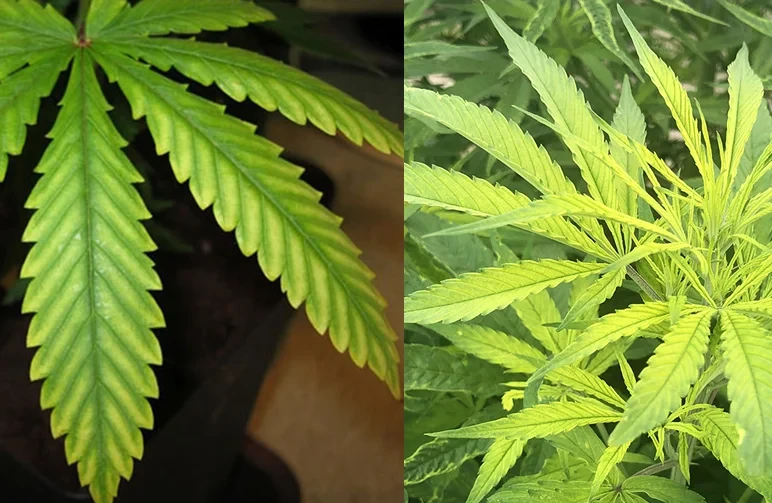
Caption
5. Calcium (Ca) Deficiency
What you'll see: New leaves twist or hook, with small yellow/brown spots that expand. Weak stems, brittle growth, and root tip dieback show up in bad cases.
Why it happens: Low Ca in soft/RO water, low pH in coco/hydro, or too much K/Mg competing.
Fix it fast:
- Add Cal-Mag or a Ca-rich supplement. This is non-negotiable for RO water users.
- In coco/hydro, lock in 5.6–5.9 pH and ensure adequate runoff (10-20%).
- Improve airflow and VPD (Vapor Pressure Deficit); healthy transpiration pulls Ca up the plant.
6. Sulfur (S) Deficiency
What you'll see: Young leaves turn lime-green to pale yellow, sometimes with purple petioles and woody stems. It looks like N deficiency but starts at the top.
Why it happens: Very rare with modern nutrients. Often pH-related or from using ultra-purified water without any micro-package.
Fix it fast:
- Ensure a complete micronutrient package (most quality base nutrients cover S).
- Correct pH. A small dose of Epsom salts (MgSO4) can also contribute sulfur.
7. Iron (Fe) Deficiency
What you'll see: New growth shows sharp interveinal chlorosis. The veins stay dark green while everything between goes bright yellow. Classic top-down presentation.
Why it happens: High pH in soil (>6.8–7), excess P, or cold, waterlogged media.
Fix it fast:
- Bring your pH down into range and improve drainage/let the pot dry out.
- Chelated iron (EDDHA/EDTA) can snap it back fast, but use it lightly.
8. Zinc (Zn) & Manganese (Mn) Deficiencies
What you'll see: Both cause yellowing between the veins on new leaves. Zinc (Zn) often comes with shortened internodes and small, distorted tips.
Manganese (Mn) can look very similar to an Iron deficiency, but the key difference is often the tiny brown or necrotic specks that appear between the veins.
Why it happens: High pH, heavy P, or cold, saturated media are the usual suspects for both.
Fix it fast:
- Correct your pH first. This solves it 9 times out of 10.
- Use a complete micro supplement and watch for greener new tips within a week.
9. Boron (B) & Copper (Cu) Deficiencies (Less Common)
What you'll see: These are rare. Boron (B) shows as twisted, misshapen new growth with brown patches and brittle tips. Copper (Cu) can cause pale new growth with a washed-out bluish hue that won't green up.
Why it happens: Usually a severe pH/EC imbalance or extremely soft/RO water without a proper micro package.
Fix it fast:
- Reboot with correct pH and a full-spectrum nutrient line at modest strength.
- Avoid "one-element hero" dosing unless you've ruled everything else out.
Is It a Deficiency or Nutrient Burn? Recognizing an Excess of Nutrients
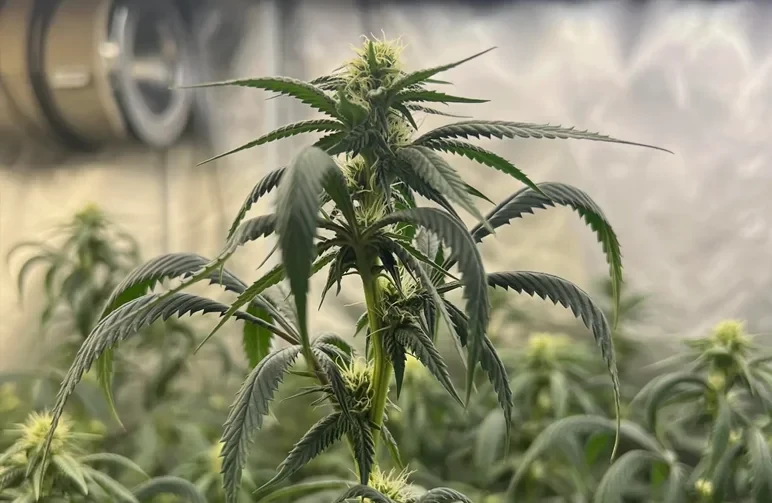
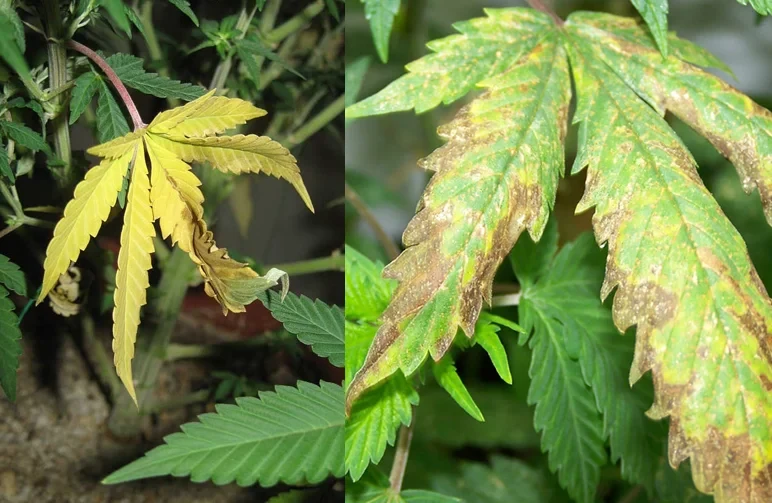
Credit: u/TheStummyBoy via Reddit.
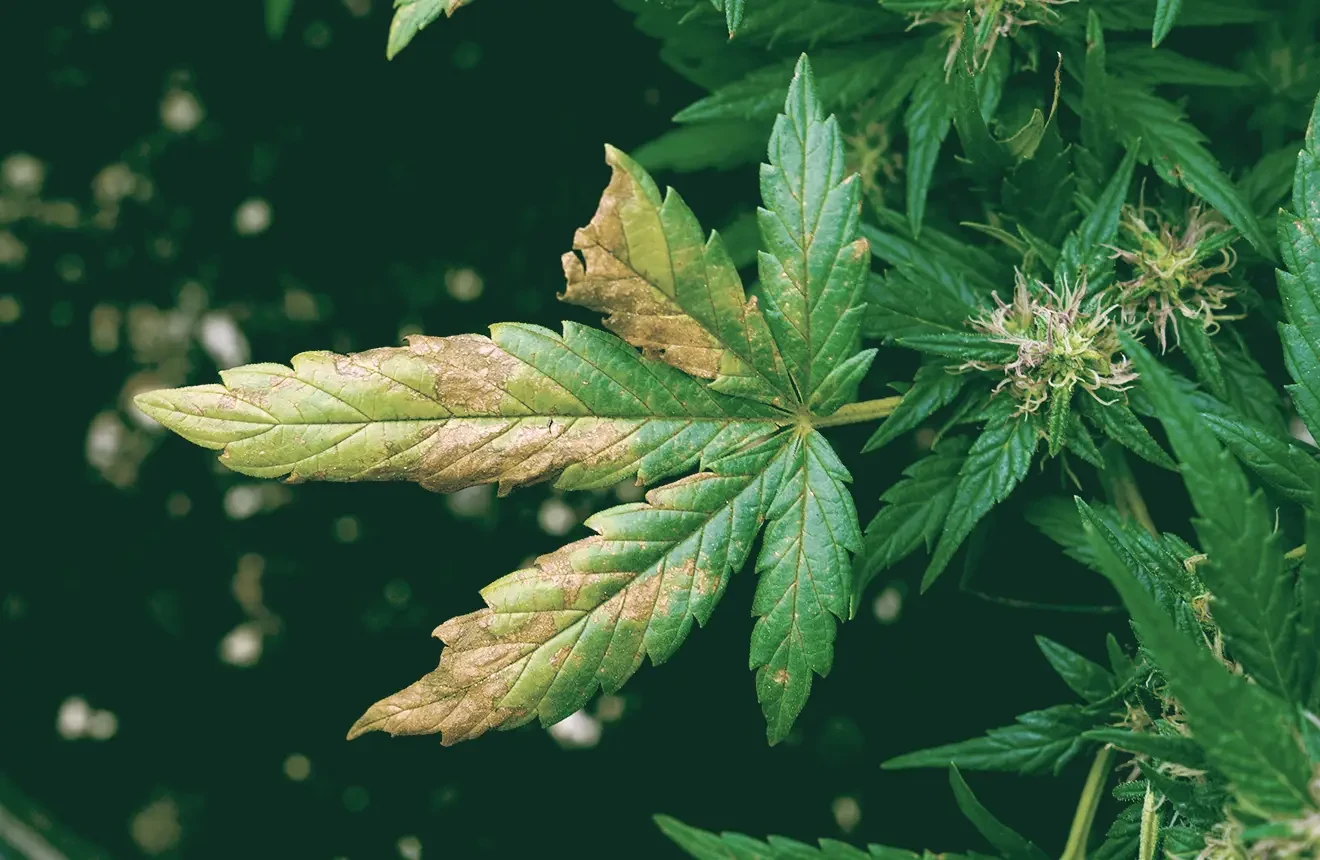
Deficiencies aren't the only leaf killers. Overfeeding causes "nutrient burn," which shows up as crispy brown tips and margins that progress inward, especially on newer growth.
The plant can also look dark, shiny, or "clawed" if nitrogen is in excess.
Watch-outs:
- Excess N: Very dark green, waxy leaves; "claw" curling; slowed bud formation; harsh smoke later.
- Excess P or K: Indirectly creates deficiencies by locking out Ca, Mg, Fe, and friends. You'll chase symptoms unless you reset.
What we do:
- If tips are frying and EC/PPM is high, we flush with pH'd water or run a heavy runoff (20-30%) to clear salts, then resume at 50–70% feed strength.
- Recalibrate pH. Always. Excess and lockout love bad pH.
- Back off the boosters. Most modern base nutrients are balanced; stacking extras is where people get burned, literally.
How to Prevent Nutrient Deficiencies Before They Start
Prevention beats diagnosis every single time. Here's our reality-tested checklist:
- Nail pH and EC: Keep input pH 5.8–6.5 (soil) or 5.5–6.0 (hydro/coco). Track EC so you feed the plant, not your anxiety.
- Use a Complete, Balanced Base: Most quality lines cover macro + micros. Start modest (50–70% of label), observe, then adjust. Less is often more.
- Know Your Water Source: Tap water often has baseline Ca/Mg. Reverse Osmosis (RO) or distilled water is a blank slate. If you use RO water, a Cal-Mag supplement is not optional—it's essential.
- Watering Discipline: Use wet/dry cycles in soil; consistent, oxygen-rich irrigation in coco/hydro. Overwatering mimics multiple deficiencies by suffocating roots.
- Environmental Support: Keep temps/RH in range. Cold roots and high VPD disrupt uptake. Aim for 22 °C–26 °C and RH 45–60% in bloom.
- Early Detection: Scout leaves by position—old vs. new. Take notes with dates. Photos don't lie, and trends beat guesses.
Frequently Asked Questions
What is nutrient lockout in cannabis and how do I fix it fast?
Nutrient lockout happens when your pH drifts out of range, so roots can’t absorb available elements—mimicking a deficiency. To fix it, first verify your pH with a calibrated meter.
Adjust input pH to the correct range: soil/soilless 5.8–6.5, coco/hydro 5.5–6.0. If EC is high or symptoms persist, do a gentle flush (1–2× pot volume) and resume balanced feed at 50–75% strength.
How do mobile vs. immobile nutrients help diagnose cannabis problems?
Mobile nutrients (N, P, K, Mg) can be moved by the plant from old growth to new growth, so deficiencies show up on lower, older leaves first.
Immobile nutrients (Ca, S, Fe, Zn, etc.) cannot be relocated, so symptoms appear on new, upper leaves. Identifying where the issues start is the fastest way to target the right element.
Is it a deficiency or toxicity? How can I tell?
Deficiencies usually present as pale or patterned yellowing (chlorosis), with the location (top vs. bottom of the plant) telling you which nutrient is lacking.
Toxicities (nutrient burn) typically show up as dark, crispy brown tips and edges on the leaves, often accompanied by dark, shiny, or clawed foliage. If your EC/PPM is high and the tips are frying, it's likely a toxicity.
How can I prevent nutrient deficiencies across soil, coco, and hydro?
Prevention is all about stability. Keep your pH in the correct range for your medium. Use a complete base nutrient line and start at 50–70% of the recommended strength.
Master your watering routine to avoid over or underwatering. Maintain a stable environment (temperature and humidity). And finally, know your water source—if you use RO water, add Cal-Mag from the start.
How long does recovery take after fixing a nutrient issue?
You should see visible improvement in new growth within 3–10 days. Damaged leaves will not heal or turn green again. Judge your success by the health and colour of the new foliage emerging from the top of the plant or bud sites.
If symptoms worsen after a few days, recheck your pH and EC before adding more nutrients.
Conclusion: Key Takeaways for Healthy, Thriving Plants
Correct gently, then watch new growth. Don't expect damaged leaves to heal—look forward to the healthy new growth as your sign of recovery.
- Diagnose by location first: older leaves (mobile) vs. new leaves (immobile). That single lens speeds up everything.
- Fix pH before chasing bottles. 80% of "deficiencies" are availability issues, not missing ingredients.
- Keep feeds balanced and avoid stacking boosters that invite lockout.
- Lock in your environment. Healthy roots and steady transpiration make nutrients move.
Do that, and your plants will pay you back with sticky, loud, heavy harvests. If you're just getting started or leveling up, grab stable genetics and real support at Weedseedsexpress.
We're growers first, seed sellers second, and we're here when you need a second set of eyes.