

Timing outdoor cannabis is half the grow. Nail it, and you're cruising toward fat colas and sticky scissors. Miss it, and frost, heat spikes, or early flowering will smoke your yield.
This guide comes from years of field wisdom and lab notes from our team at Weedseedsexpress. We grow, we test, and we ship seeds worldwide from Amsterdam.
In this guide, we break down when to plant cannabis outside by region (with state callouts), how photoperiod and frost dates interact, and a tight step-by-step so you can move with confidence.
Key Takeaways
- Timing outdoor cannabis planting with local last frost dates and soil temperatures above 50°F is critical for maximizing yield and avoiding plant stress.
- Understanding the cannabis life cycle and photoperiod triggers helps growers decide when to transplant and expect flowering outdoors.
- Each US region has an ideal planting window, such as late May to early June in the Northeast and mid-April to June on the West Coast, adjusted for microclimates and elevation.
- Starting seeds indoors 4–6 weeks before outdoor transplanting and hardening off seedlings ensures healthy plants ready for outdoor conditions.
- Choosing climate-appropriate cannabis strains, like autoflowers for short seasons or mold-resistant sativas for humid areas, improves plant survival and harvest quality.
- Always check state and local cannabis cultivation laws to stay compliant and protect your outdoor grow operation.
Why Timing Your Outdoor Cannabis Plant Is Everything
Outdoor runs live and die by three clocks: frost, soil temperature, and daylight. Plant too early and cold nights stunt or flip plants; too late and fall rains or early frosts end the party.
We wait for soil 50–60°F+, nights consistently above 50°F, and 14+ hours of light for steady veg. With photoperiods, watch the sky; long days build frames, and shortening days trigger bloom.
Autos ignore daylight but still hate frost.
The Fundamentals: What to Know Before You Plant
Get these right before you head outside, and you'll save yourself weeks of headaches.
Understanding the Cannabis Life Cycle: From Seed to Harvest
Seedling (1–3 weeks), vegetative (as long as days stay long), then flowering once daylength dips below ~14 hours. Photoperiods depend on light cues; autos flower by age (usually 70–95 days seed to chop).
Veg builds biomass; bloom stacks buds.
The Most Important Date: Finding Your Last Spring Frost
Use your local last frost date from a trusted source like the Farmer's Almanac frost date calculator. We transplant 1–2 weeks after the average last frost, once nights hold 50°F+ and soil is warm.
Early frosts mean stunting, reveg weirdness, or straight-up plant death.
USDA Plant Hardiness Zones Explained
Zones (1–13) map average coldest temps and are a great tool for risk framing. You can find your specific zone on the official USDA Plant Hardiness Zone Map. However, they're not perfect for cannabis timing.
Cross-check with last frost, microclimates (urban heat islands, valleys), and elevation. Zone twins can have wildly different spring thaws.
The Role of Daylight Hours (Photoperiod Explained)
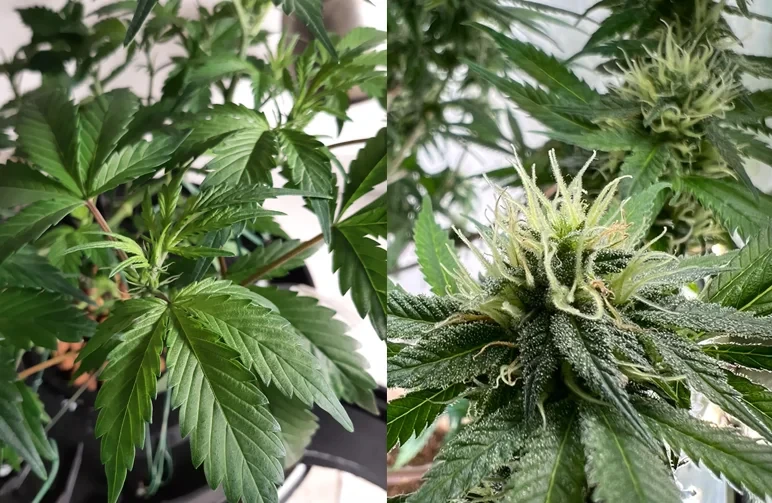
Photoperiod strains stay in veg above ~14 hours of light, then set flower as days shorten after the June solstice. If you plant too early, cold and short days can trigger preflower.
Autos don't care about day length, which is handy in short summers.
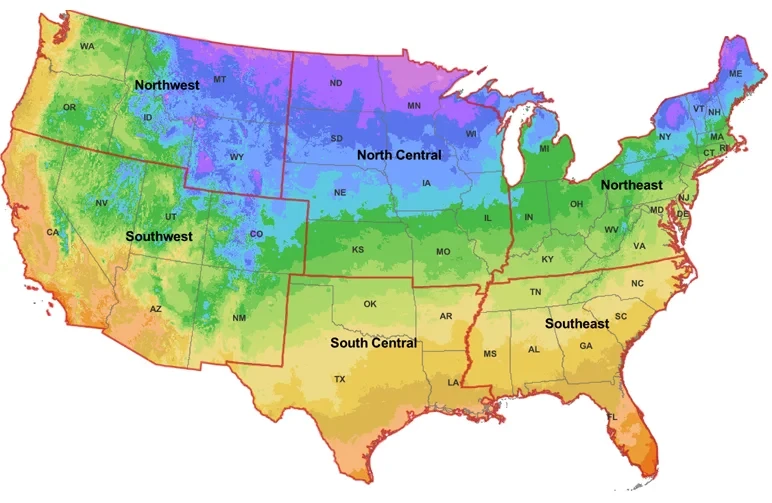
Quick-Reference: Outdoor Planting Windows by Region
| Region | Planting Window | Key Considerations & Strain Types |
|---|---|---|
| Northeast | Late May – Early June | Lingering frost, humidity. (Autos, Fast Versions) |
| Midwest | Mid-May – Mid-June | High winds, humidity. (Mold-Resistant, Autos) |
| West Coast | Late April – Early June | Microclimates, long veg. (Large Photoperiods) |
| Southwest | Early April – Late May | Intense heat, dry winds. (Drought-Resistant, Indicas) |
| Southeast | Mid-April – Late April | High humidity, heavy rain. (Mold-Resistant Sativas) |
The Best Time to Plant Weed Outside: A Climate Zone & Regional Guide
These windows are proven starting points. Always adjust for your microclimate, elevation, and this year's weather weirdness.
Northeast (e.g., New York, Maine, Vermont)
Target late May to early June. Frost can linger to Memorial Day, especially inland and at elevation. Wait for steady 50°F+ nights and soil temps of 55–65°F.
Consider autos or fast strains north of I-90. Watch June gloom; airflow prevents botrytis.
Midwest (e.g., Michigan, Illinois, Ohio)
Mid–late May through mid-June works. The Upper Midwest (MN, WI, MI U.P.) is safest in early June. Windbreaks help in the Plains. Choose mold-resistant genetics for lake-effect humidity.
Short seasons? Autos crank harvests before fall chills.
West Coast (e.g., California, Oregon, Washington)
Late April to early June. Coastal OR/WA: cool, wet springs, don't rush muddy soils. NorCal valleys can go by May; high Sierra foothills may need mid-June.
Trellis early: these girls get BIG with long veg. Botrytis insurance: spacing + defoliation.
Southwest (e.g., Arizona, Colorado, Nevada)
Early to mid-April at lower elevations; late April–May in cooler zones or higher altitudes (CO Front Range). Mulch hard, irrigate smart—hot, dry winds suck moisture fast.
In desert heat, plant earlier or use shade cloth to dodge the June scorch.
Southeast (e.g., Florida, Georgia, North Carolina)
Mid–late April is prime. Coastal humidity begs for airy, mold-resistant sativas. Florida can run staggered schedules, with spring and late summer autos.
Watch torrential rains: elevate containers and amend for drainage. Caterpillars? Scout daily.
How to Plant Cannabis Outside: A Step-by-Step Guide
Our Proven Method: Start Indoors, Harden Off, Transplant Strong
Perfecting your timing is a crucial skill, but it's only one stage of the season-long journey. For a complete A-to-Z roadmap covering everything from soil prep to the final cure, our ultimate guide on how to grow weed outdoors has you covered.
We start indoors 4–6 weeks, harden off, then transplant after frost risk passes. From there it's airflow, trellis, IPM, and light-touch feeding. Watch the plants, not the calendar. Precision beats bravado outdoors.
Step 1: Start Your Seeds Indoors (4-6 Weeks Before Transplanting)
Give them 18–24 hours of light, 70–85°F temps, and a gentle breeze in airy media. We love solo cups with holes or 0.5–1 gal pots. Keep pH at 5.8–6.3 (soilless) or 6.2–6.8 (soil). Don't overwater; light pots are happy pots.
Step 2: Choosing the Perfect Outdoor Location
Your checklist for a perfect spot:
- Full sun (6–8+ direct hours), southern exposure is best.
- Stealth and privacy, if needed.
- Good airflow to reduce mold.
- Easy access to water to save your back.
- Avoid frost pockets and reflective walls that can cook leaves. Think: morning sun, afternoon mercy.
Step 3: Prepare Your Soil and Containers
Amend with compost, aeration (perlite/pumice), and balanced organic ferts. Target a soil pH of 6.2–6.8. In-ground beds offer thermal stability; fabric pots (15–50 gal) give you control and mobility.
Mulch 2–3 inches to lock in moisture and buffer temps.
Step 4: 'Hardening Off': Acclimating Your Seedlings to the Outdoors
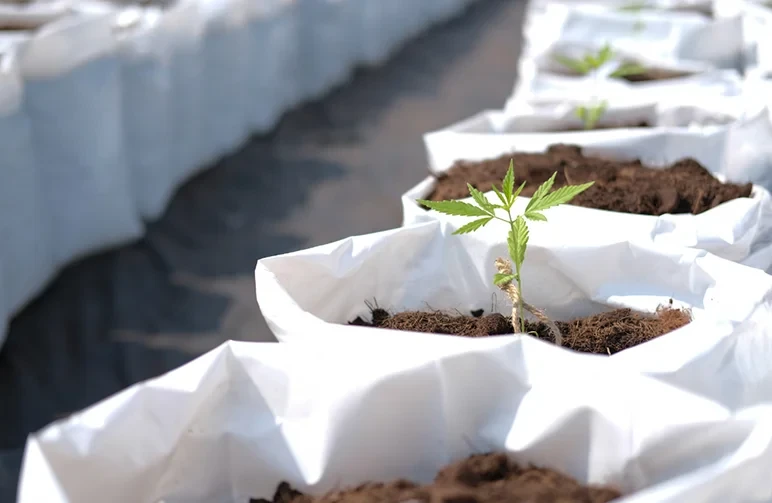
Take 7–10 days for this. Start with 1–2 hours in the shade, then move to partial sun, and finally to full sun. Protect from strong wind. If leaves taco or bleach, slow down.
This single step prevents shock, stalled growth, and weird early flowering.
Step 5: Transplanting into Your Garden or Final Pot
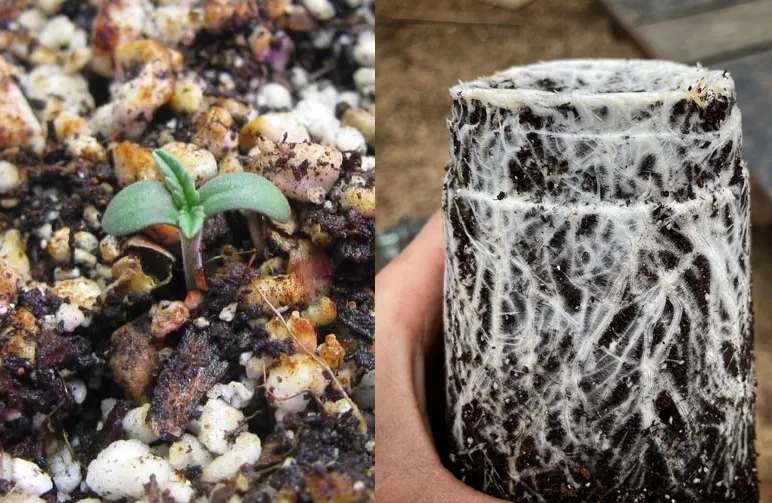
Pick an overcast morning. Dust the planting holes with mycorrhizae, water in with mild veg nutrients (EC 0.8–1.2), and bury up to the first true leaves for stability. Stake or trellis immediately.
Choosing the Best Strains for Your Climate
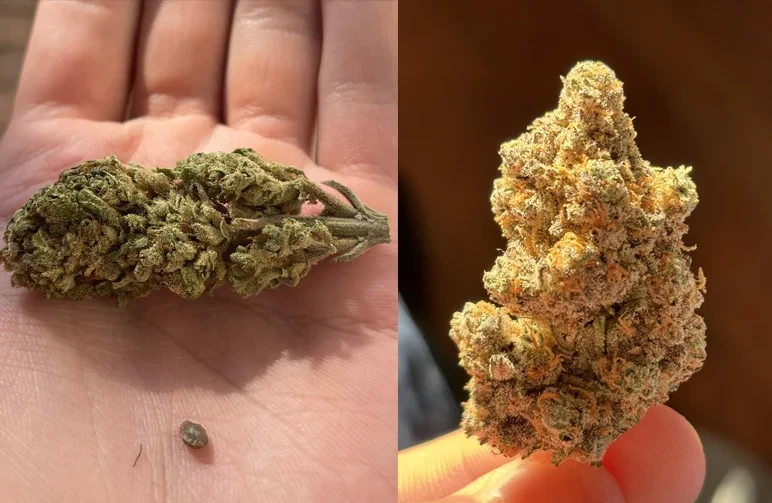
Genetics decide how forgiving your season will be. Choose for finish time, mold resistance, and heat/cold tolerance. When in doubt, we choose faster, sturdier lines outdoors. It's not a contest—survival is yield.
For Colder Climates & Short Summers: Autoflowering and Fast-Flowering Strains
Autoflowers (70–95 days) finish before fall issues and ignore daylength—clutch in ME, VT, MI U.P., and the CO high country. Also look for "fast version" photoperiods (6–7 week bloom).
Grab sturdy options from our autoflower seeds lineup.
For Hot & Dry Climates: Drought-Resistant Strains
Deep-rooted, resinous hybrids with Afghani/OG lineage handle heat and sparse water. Choose thicker leaves, tighter internodes, and robust terps. Mulch and silica help. Explore hardy picks in our feminized seeds catalog.
For Hot & Humid Climates: Mold-Resistant Sativa Strains
Airy, speary Sativa buds with limonene-heavy profiles resist botrytis better than dense colas. Think haze-leaning or tropical lines. Space plants, defoliate lightly, and harvest on time. Our mold-resistant strains filter is your friend.
Know Before You Grow: Legal Considerations
We love outdoor runs, but we love staying legal more. Laws vary by state, county, and city, and they change often.
A Note on State and Local Cultivation Laws
Before you germ, confirm possession limits, plant counts, outdoor visibility rules, and fencing/lock requirements. Some places ban outdoor grows outright.
Keep plants out of public view and odor-managed. Nothing here is legal advice—always double-check your local regulations.
Frequently Asked Questions
When is the best time to plant cannabis outdoors in the Northeast US?
In the Northeast (e.g., New York, Maine, Vermont), plant cannabis outdoors from late May to early June. Wait until nights consistently stay above 50°F and soil temperature reaches 55–65°F to avoid frost damage.
How do photoperiods affect outdoor cannabis planting and flowering?
Photoperiod cannabis plants remain in vegetative growth with over 14 hours of daylight and start flowering as daylength dips below that threshold after the June solstice.
Planting too early can cause premature flowering triggered by short days.
What soil and temperature conditions should I look for before planting cannabis outdoors?
Wait until soil temperatures reach 50–60°F or higher and nighttime temperatures hold above 50°F. Soil pH should be between 6.2 and 6.8 for optimal cannabis growth outdoors.
Can I plant cannabis seeds directly outside or should I start them indoors?
While direct seeding is possible in reliably warm regions after the last frost, it carries higher risks like pests and cold snaps.
We always recommend starting seeds indoors 4–6 weeks before transplanting for better protection and a head start.
Which cannabis strains are best suited for colder climates with shorter seasons?
Autoflowering strains that mature in 70–95 days or fast-flowering photoperiod varieties are ideal for colder regions and short summers, as they flower based on age and finish before the fall frost.
How many hours of direct sunlight do outdoor cannabis plants need to thrive?
Aim for 6–8+ hours of direct sun. For vegetative growth, 14+ hours of total daylight keeps photoperiods from flowering prematurely. Morning sun is gold: it dries dew and jumpstarts photosynthesis.
What are the signs my plant is ready for harvest?
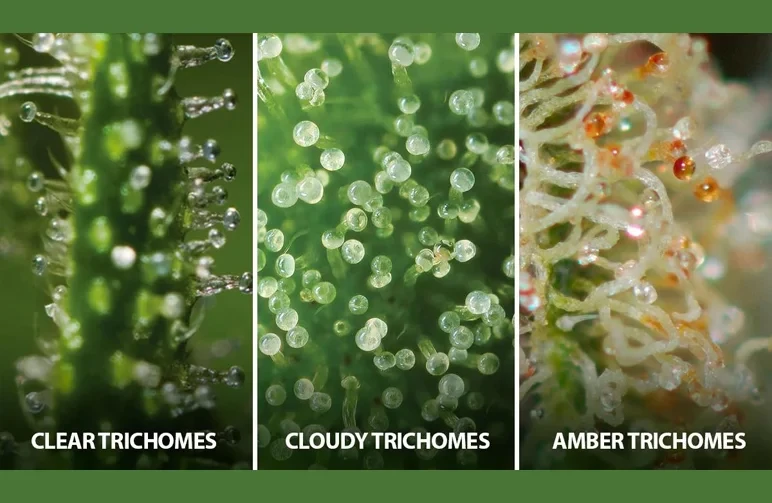
Look for milky trichomes with 5–20% amber, receded pistils, and cultivar-appropriate fade. Don't trust calendars—use a loupe. Harvest before prolonged rain or a hard frost.
How do I protect my outdoor plants from pests?
Use Integrated Pest Management (IPM): sticky traps, weekly inspections, beneficial insects (ladybugs), and gentle preventatives (neem, BT, spinosad—follow labels and avoid in late flower).
Keep the area tidy and trellis for airflow. Healthy plants resist pests best.


