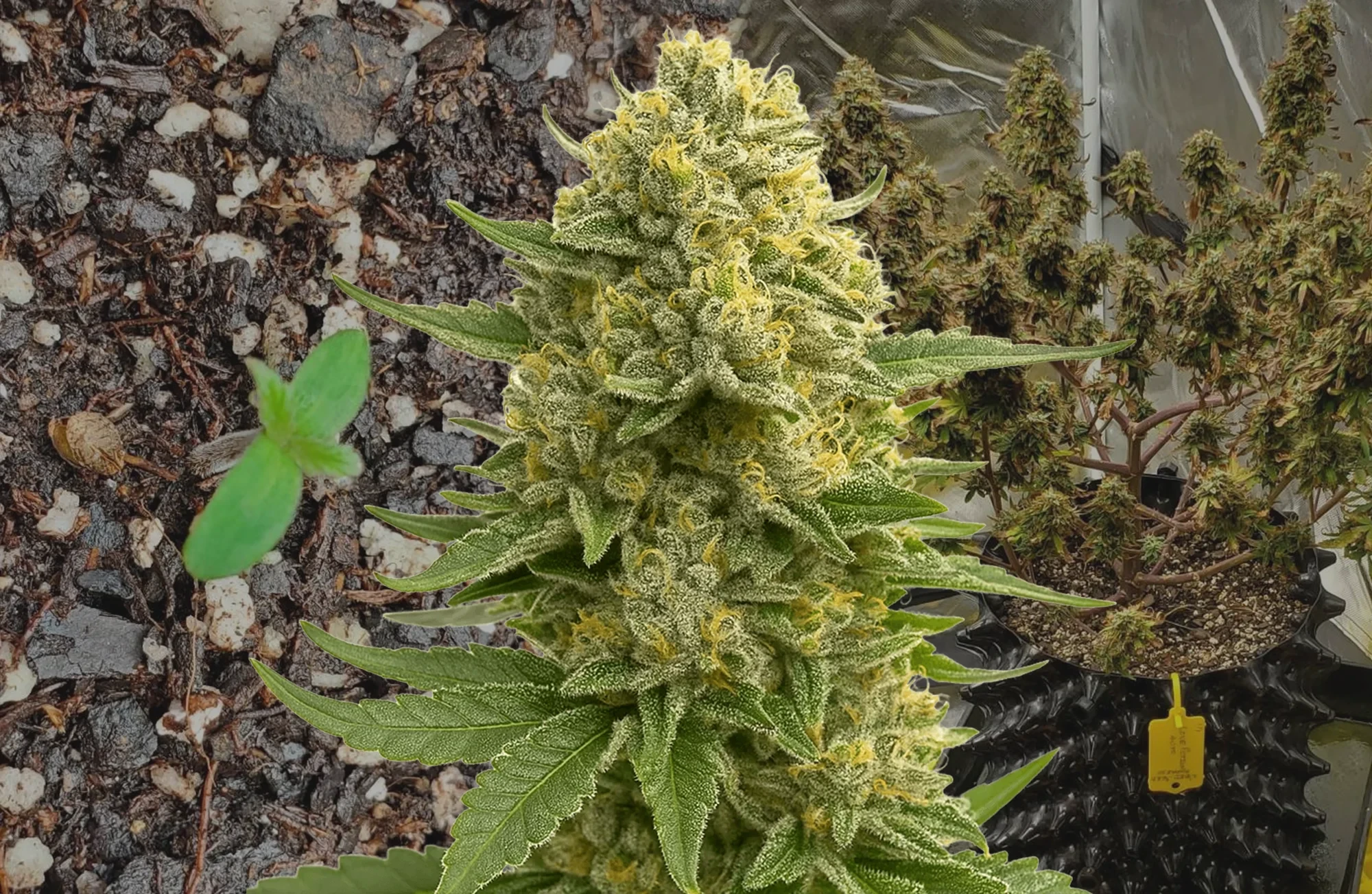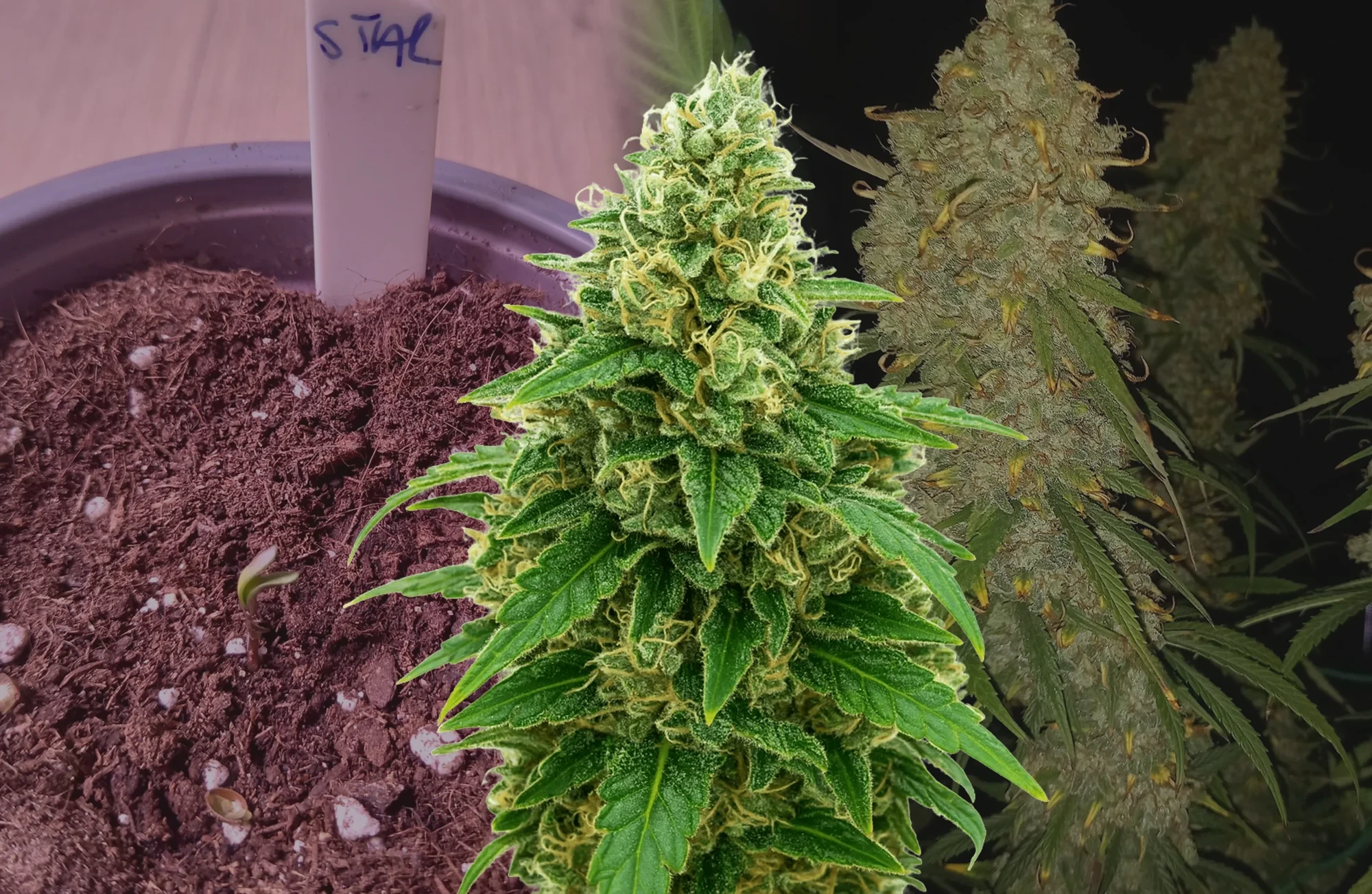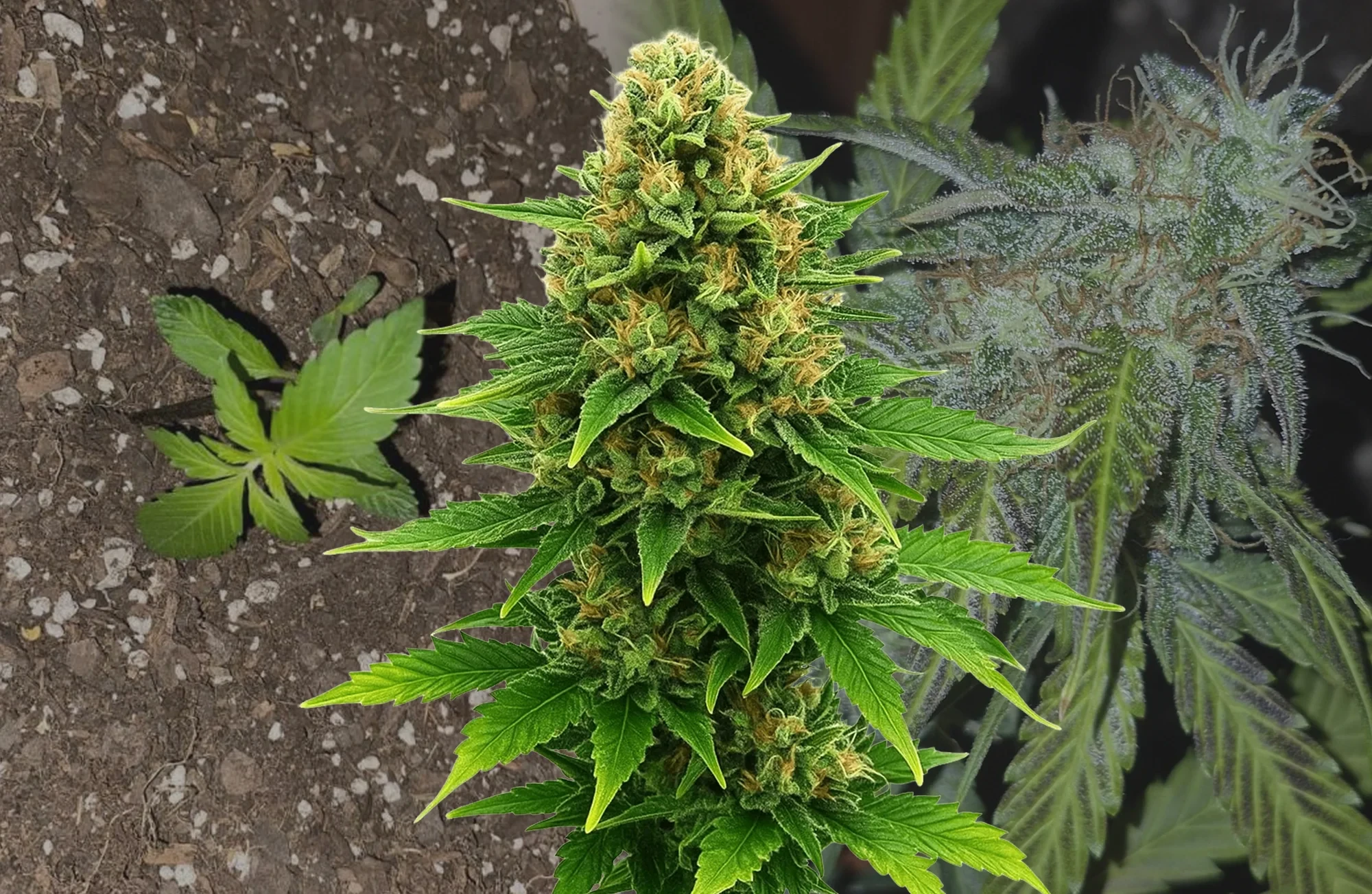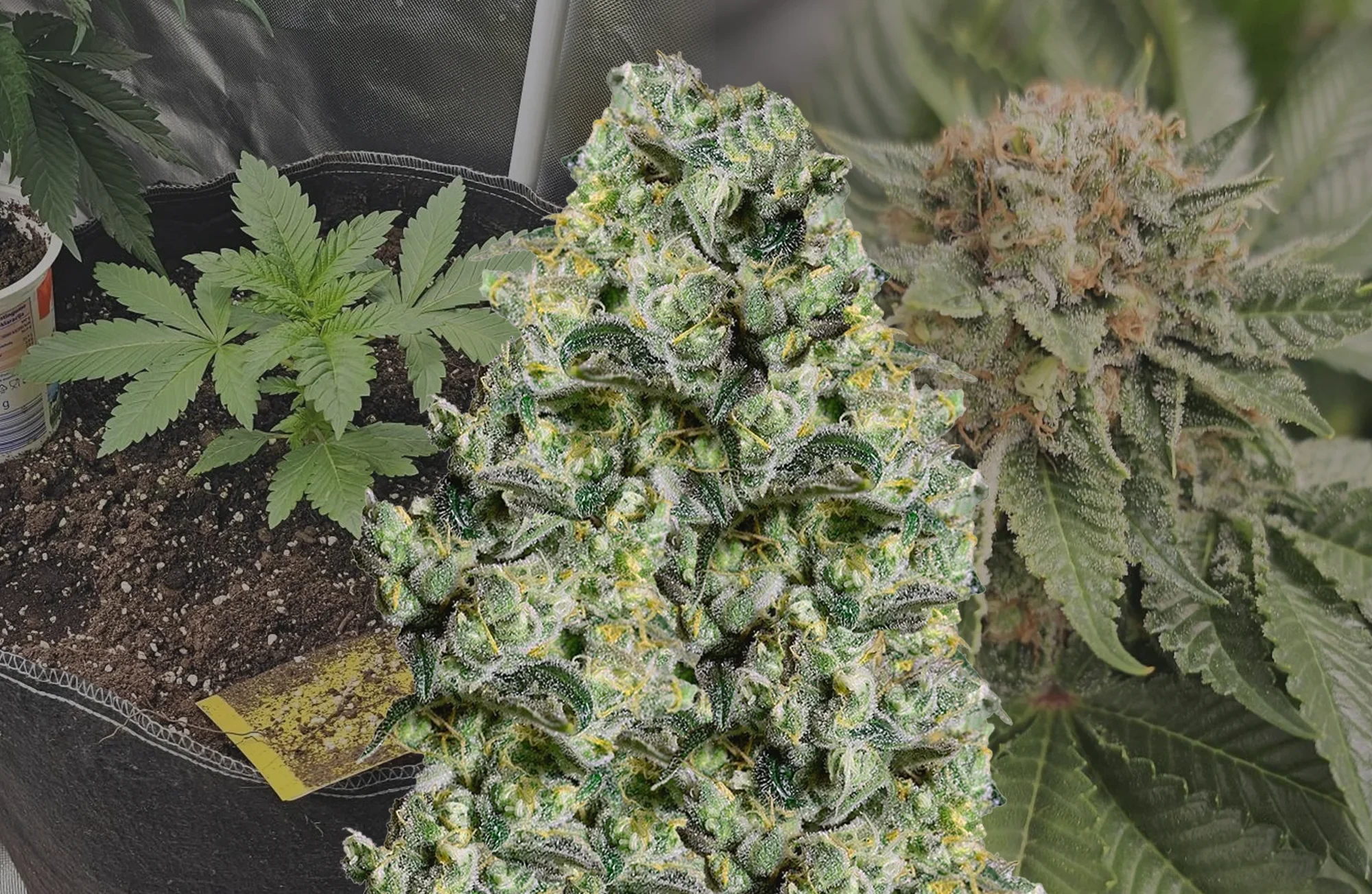


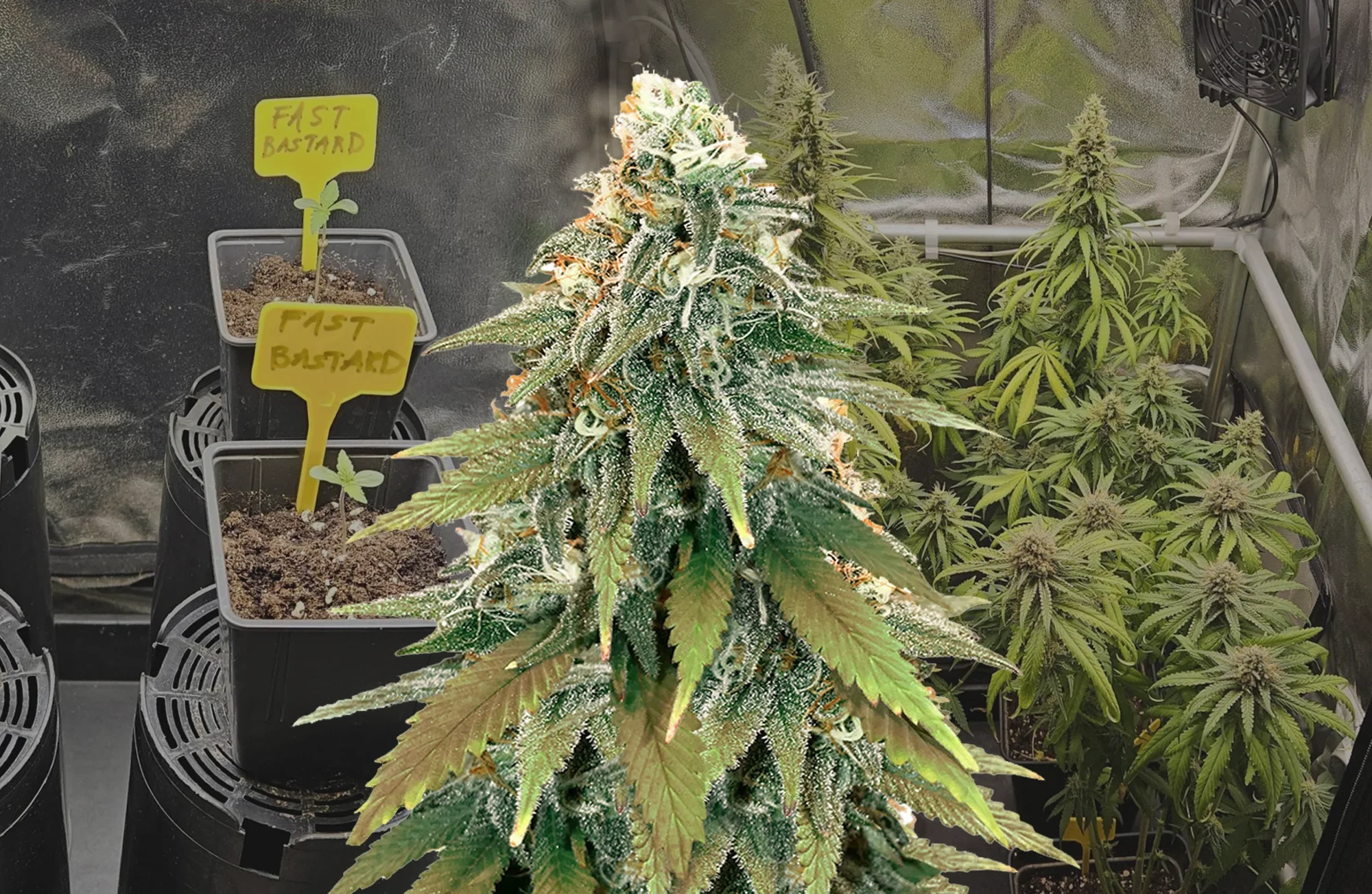
Fat Bastard comes with a name that promises plenty. OrionSparkles did not try to get there by hammering the plants with light, nutrients, and endless adjustments.
Two plants went into a compact indoor setup, sharing a 1.6 m² room under a 150W quantum-board LED. They started in small pots, moved into 6-liter containers, and were given a fair bit of hands-on training once growth picked up.
There was FIMing, defoliation, lower pruning, and super cropping along the way. But this was never a case of cutting first and asking questions later. The grower paid attention to how the room was moving and changed course when needed.
That is what makes this diary worth following. The equipment was simple. The decisions mattered.
Ready to grow this strain? Buy Fat Bastard seeds here at WeedSeedsExpress.
Grow Setup
| Parameter Details | |
|---|---|
| Strain | Fat Bastard Seeds by WeedSeedsExpress |
| Number of Plants | 2 |
| Environment | Indoor |
| Shared Grow Room | 1.6 m² |
| Medium | Light-Mix soil |
| Lighting | 150W quantum-board LED |
| Light Schedule | 18 hours during vegetation, 12 hours during flowering |
| Starter Pots | 0.4 liters |
| Final Pots | 6 liters |
| Vegetative Stage | Weeks 1 to 5 |
| Flowering Stage | Weeks 6 to 12 |
| Total Time | 87 days |
| Nutrients | Silicium Flash, BioEnhancer, Delta 9, palm tree ashes, Bud Candy, Overdrive |
| Training | FIMing, defoliation, lower pruning, super cropping |
Grow Diary
Weeks 1 & 2 - A Quiet Start
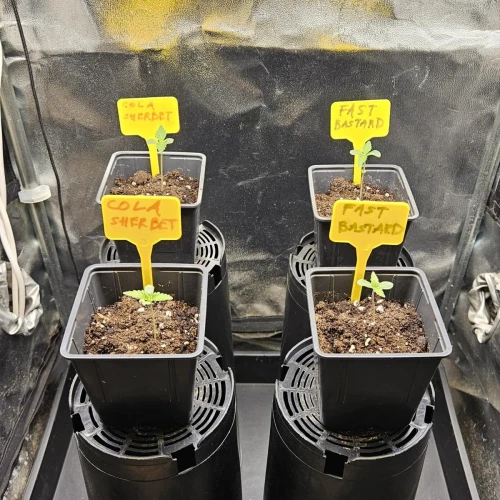
The seeds went into paper towels first. Two days later, the grower reported that every seed in the room had germinated and moved them into 0.4-liter starter pots.
Once the seedlings appeared, the quantum board was set to just 15% power. Plenty for plants that young. There is no prize for cooking a seedling during its first few days above soil.
The room stayed on 18 hours of light. During Week 1, the logged pH was 5.2, the watering volume was 0.4 liters, and the lamp sat 9 inch above the plants. Week 2 was much the same, apart from the pH moving to 5.4 and the light being raised to 10 inch.
No nutrients were listed yet. There was not much else to report either, which is exactly what you want at this stage. Seeds cracked, seedlings emerged, and the grow was underway.
Weeks 3 & 4 - Into the Final Pots
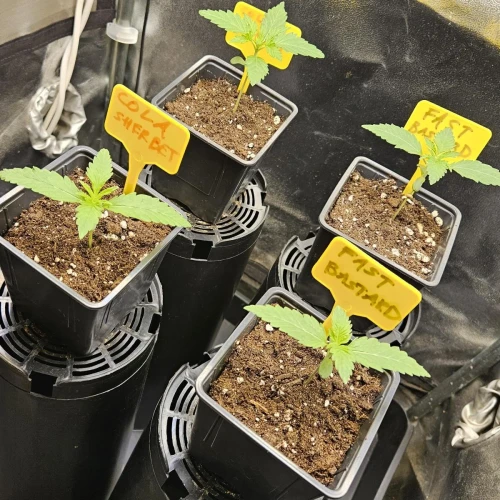
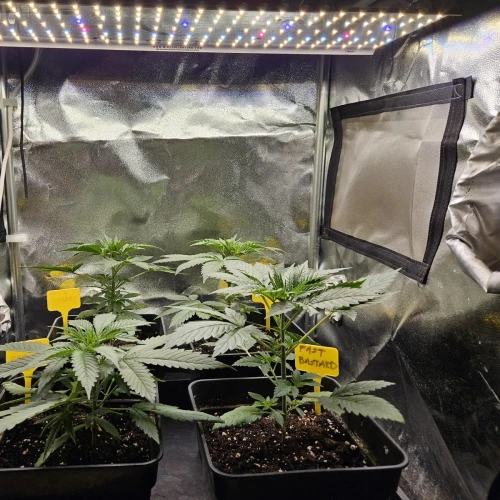
Week 3 brought the first proper change. The plants were transplanted into their final 6-liter containers.
The grower mixed approximately 1.4 oz of Silicium Flash into the substrate, then watered with BioEnhancer at 1.5 grams per 2 liters of water. The logged pH was 5.6, watering increased to 0.5 liters, and the lamp remained at 10 inch.
By Week 4, the light had been raised to 18 inch and the pH had reached 6.0. The grower described the plants as progressing perfectly and started planning some pruning and defoliation for the middle of the week.
Nothing heavy-handed yet. The transplant came first, then the scissors.
That order makes sense. Give the plant some room below the soil before asking it to deal with work above it.
Weeks 5 & 6 - FIMing, the Flip, and Super Cropping
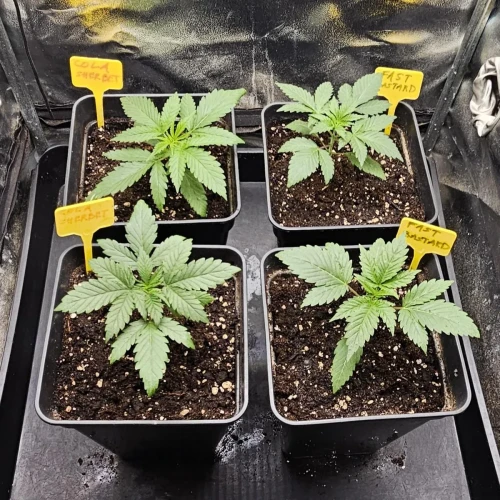
The quiet part of the grow ended in Week 5.
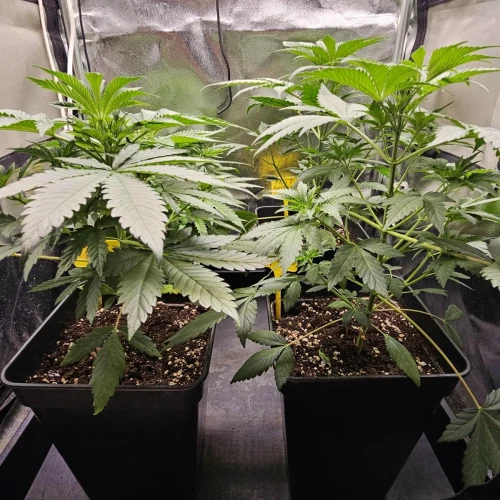
The plants received a FIM cut along with a light removal of selected leaves. The grower also laid out the next steps: switch the room to the flowering schedule, carry out a more extensive defoliation, and start using the pre-flowering stimulant.
By the Week 6 update, the room had been under 12 hours of light for approximately six or seven days. Another light defoliation had taken place around the lower growth, but the plants were still getting larger.
The flowering stimulant had already been applied as a foliar spray before the switch. Another two or three applications were planned through irrigation.
Then came the super cropping.
The grower added that three days after the main update, the branches had been worked over using the technique. Any final defoliation or lower pruning would depend on how the plants developed from there.
That is quite a bit to fit into a short window. FIMing, the flowering switch, leaf removal, foliar feeding, and super cropping all arrived close together. Still, the diary does not record a recovery problem. The plants carried on growing.
Weeks 7 & 8 - Flowers Begin to Show
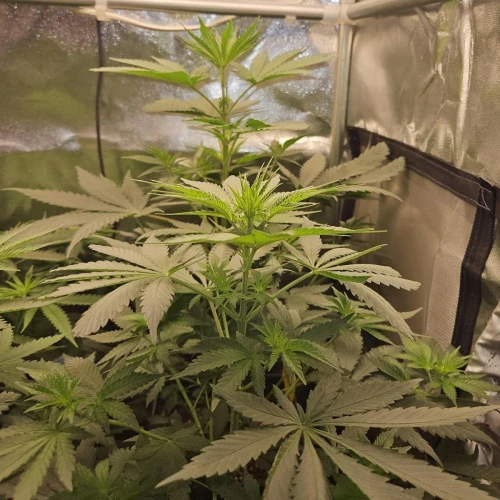
By Week 7, flowering had started.
The lower growth was pruned, while another defoliation was kept in reserve for later. The room was sitting at a logged pH of 6.5, the lamp remained 18 inch above the crop, and the smell was still marked as weak.
Week 8 was even calmer. The pH moved to 6.6, the smell stayed weak, and Bud Candy appeared in the feeding schedule.
The grower’s update was basically that everything was going well and there was nothing new to report. The final defoliation could wait.
Honestly, that is a perfectly useful grow note.
Not every week needs a new technique, a fresh bottle, or a minor crisis to solve. The room was moving in the right direction, so it was left to get on with it.
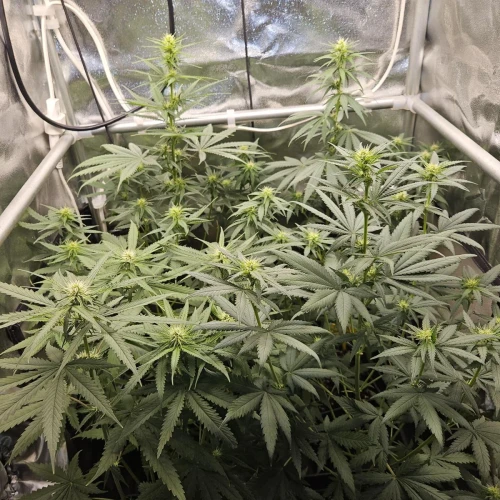
Weeks 9 & 10 - Knowing When to Stop Feeding
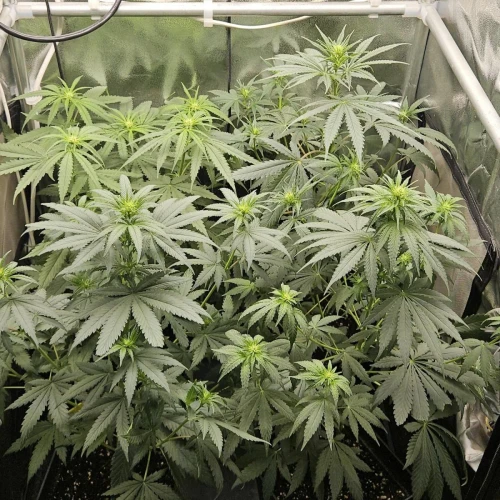
The recorded smell moved from weak to normal in Week 9, with the pH holding at 6.6.
Maturity was not completely even across the shared room. Some plants were further along than others, and the grower decided to stop fertilizing for a few waterings to avoid potential nutrient lockout.
Potential is the important word there. This was not presented as a confirmed diagnosis. It was something the grower wanted to get ahead of.
The plan was to pause, watch the plants, then restart with low doses of carbohydrates and a bloom booster. A much better response than tipping more feed into the pots and hoping for the best.
By Week 10, the grower reported that the crop had matured without incident and that everything looked very well. Bud Candy and Overdrive were both listed in the late-flower feeding schedule.
For me, the pause was one of the better calls in the diary. Sometimes the smartest feed is the one you do not mix.
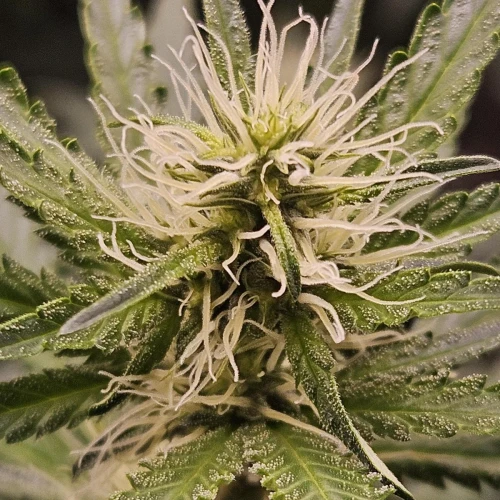
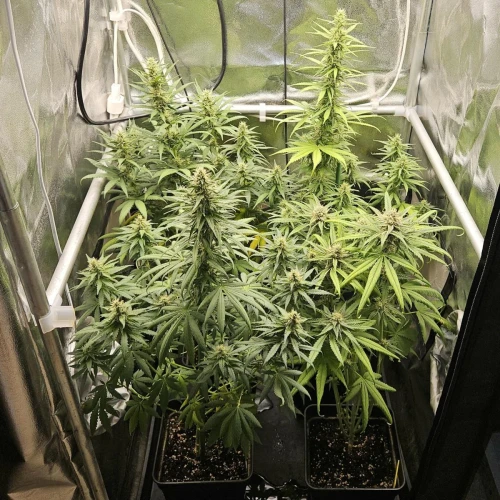
Weeks 11 & 12 - The Countdown Begins
Week 11 had that unmistakable end-of-run feel.
Some plants were more mature than others, but the grower was happy with the room overall. The logged pH had reached 6.7, the smell remained normal, and only a few more bloom-booster applications were planned.
After that, it would be plain water through to harvest.
By Week 12, the pH had dropped back to 6.5. The grower expected harvest in approximately seven to ten days and confirmed that the bloom booster had been stopped.
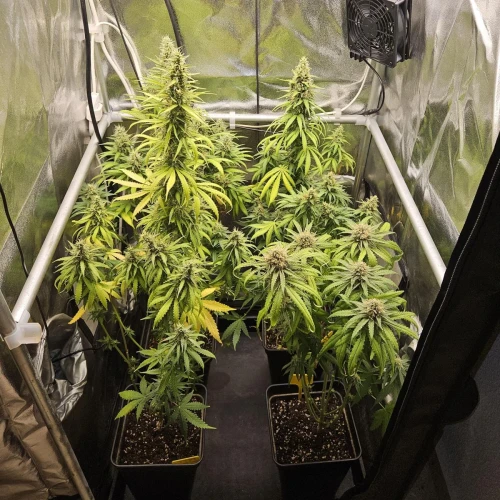
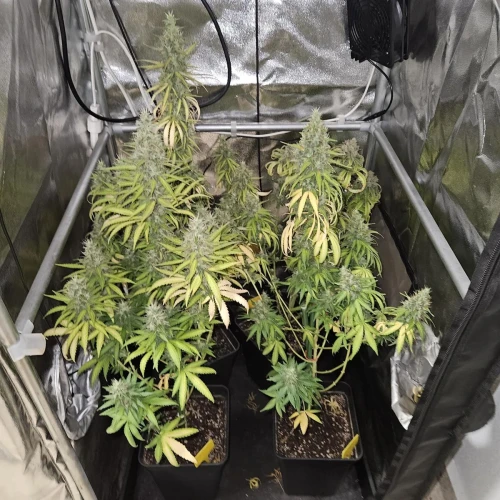
This was also when one of the two Fat Bastard plants started foxtailing.
The grower was clearly a little concerned about how the final quality would turn out, but did not claim to know what had caused it. Neither should we.
With the finish line already close, the plan stayed simple. Plain water, no more bloom booster, and enough time for the plant to finish what it had started.
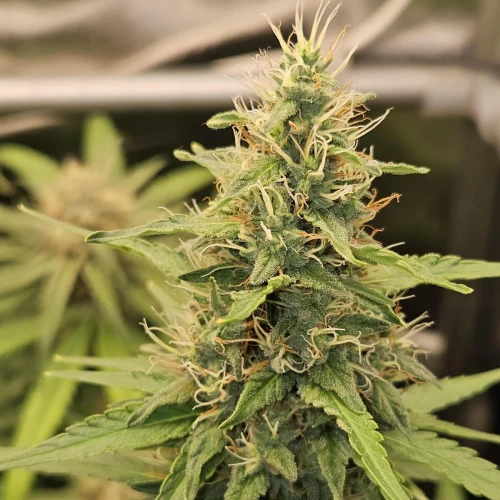
Week 13 - Harvest and Drying
The grower had predicted another seven to ten days before harvest. In the final entry, they reported cutting the plants exactly 11 days later.
Drying followed the same method used in previous runs. The leaves received an initial trim, and the harvest went onto 28 inch x 28 inch mesh racks.
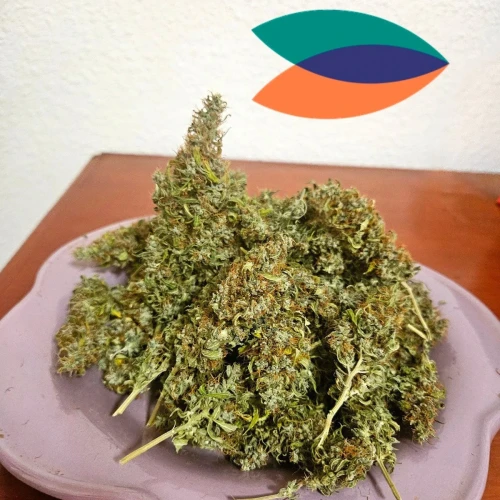
Seven days later, the grower reported that everything had dried and been moved into curing and storage jars. From germination to harvest, the full run was logged at 87 days.
There is no final weight in the diary. No wet total, no dry total, and no per-plant figure.
So that is where the numbers stop. A photograph can show you the shape of a harvest, but it cannot replace a set of scales.
Detailed Observations & Grower Reflections
What stands out here is how the training was spread across the grow. Transplanting came in Week 3, FIMing in Week 5, and super cropping after the flowering switch. Even the final defoliation was pushed back when the grower felt it could wait.
The same restraint showed up with feeding. When nutrient lockout became a possibility, fertilizer was paused for a few waterings. Later, when one Fat Bastard plant foxtailed, the bloom booster was dropped and plain water took over.
The diary does not include temperature, humidity, individual plant height, or harvest weight. What it does show is a complete 87-day run, several rounds of training without a reported recovery problem, and one clear difference between the two Fat Bastard plants late in flower.
Fat Bastard: Final Result and Strain Review
Fat Bastard received a 10/10 rating, with the difficulty marked as normal.
The final taste was tagged as pine, earthy, and sour. The reported positive effect was happy, while stress was selected as the medical-effect tag.
One plant foxtailed near the end, but that did not drag down the grower’s final score. The harvest completed after 87 days, spent seven days drying, and then went into jars.
There is no detailed smoke report or final weight to pull apart here. The review is lean, but the verdict is not.
The grower liked Fat Bastard enough to give it full marks.
| Final Result | |
|---|---|
| Total Grow Time | 87 days |
| Yield | Not reported |
| Drying Time | 7 days |
| Taste | Pine, earthy, sour |
| Effect | Happy |
| Medical Effect | Stress |
| Difficulty | Normal |
| Grower Rating | 10/10 |
Ready to get these results? Buy Fat Bastard Seeds Here.