

Alaska is a grower's paradox: ridiculous summer light, breathtaking landscapes, and a brutally short outdoor window.
To crush a harvest in the 49th state, you need more than just "good seeds." You need genetics that can handle 20-hour days, shrug off an August frost, and finish before the first snow hits the Chugach.
While the legend of Matanuska Thunder Fuck (MTF) still haunts the valleys, modern genetics allow for even bigger, frostier hauls if you know what to plant.
Below, we break down the legality, the climate "cheat codes," and our top picks for Alaskan outdoor and indoor grows.
Key Takeaways
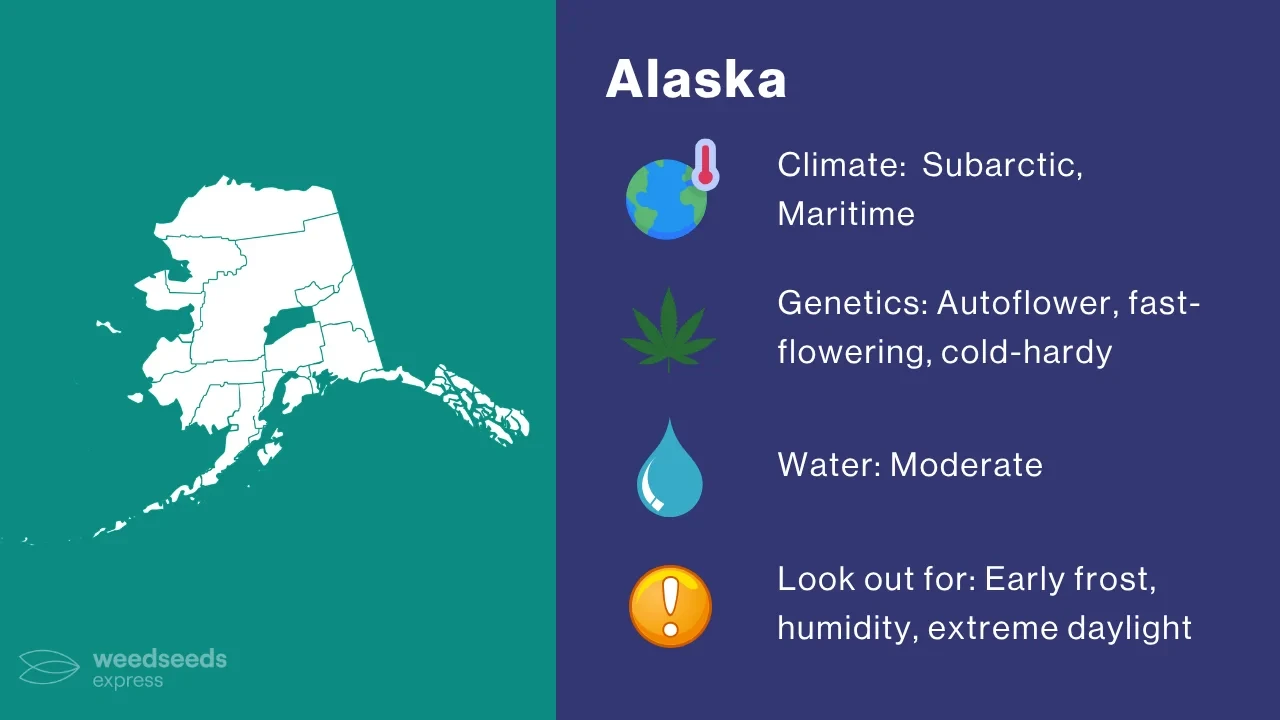
- The "Midnight Sun" Trap: Most photoperiod plants won't flower outdoors in AK because the sun never sets. Autoflowers are the Alaskan outdoor gold standard.
- Speed is Life: Target strains with a 7–9 week flowering window or a 75-day auto-cycle to beat the early September freeze
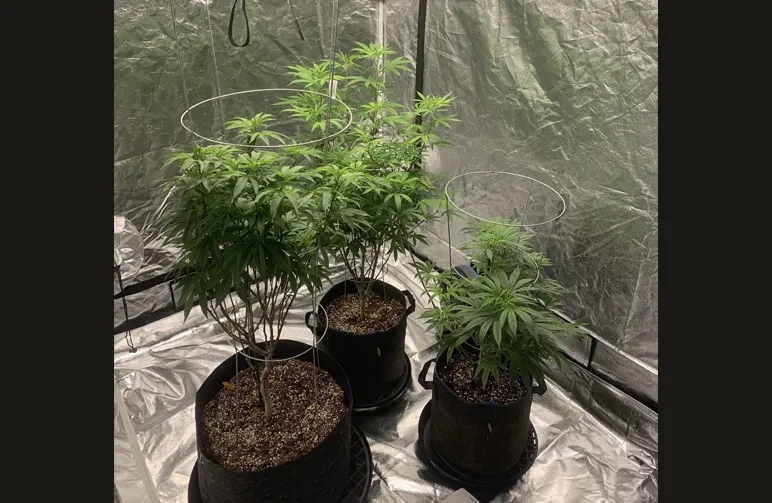
- Indoor Resilience: Alaska’s winter air is incredibly dry. Focus on hardy Indicas that can handle the humidity swings and temperature shifts of a basement or garage grow.
- Legality: Adults 21+ can grow up to 6 plants (3 mature) per household. Keep them secured and out of public view.
Yes, but keep it tight. As of 2026, Alaska law allows adults 21+ to grow up to 6 plants per person, with a limit of 3 mature (flowering) plants at any one time. If multiple adults live in the household, the cap is 12 plants total (6 mature).
The Guardrails:
- Stay Hidden: Your grow must be in a "secured area" not visible to the public. This includes neighbors, hikers, and floatplane docks.
- No Sales: Homegrow is for personal use only. Giving a bud to a friend is fine; selling it is a felony.
- Local Rules: Some municipalities have specific odor-mitigation rules. Always check your local borough ordinances before you pop beans.
Decoding the Alaska Climate: The Land of the Midnight Sun
Alaska spans several zones, but whether you're in the rainy panhandle or the dry interior, two factors rule everything:
1. The Light Cycle Problem
In June and July, the sun barely dips below the horizon. A standard photoperiod plant needs 12 hours of uninterrupted darkness to flower. In an Alaskan summer, that doesn't happen naturally until it's too late.
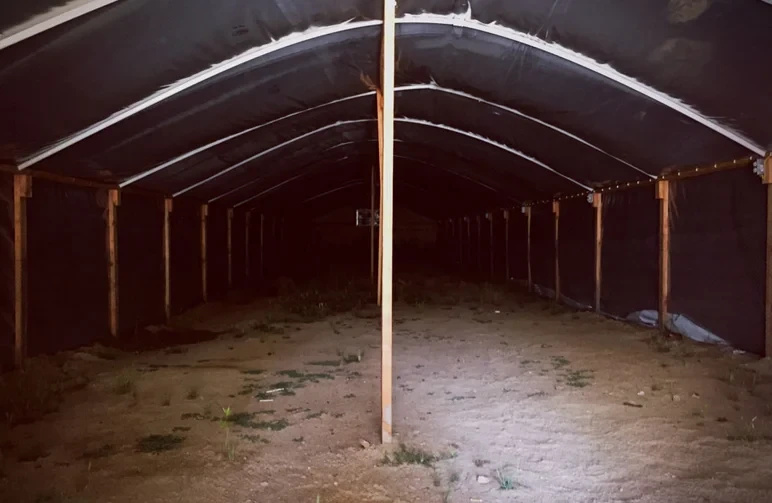
Unless you are using Light Deprivation (Light Dep) tarps to manually black out your greenhouse at 8:00 PM, your plants will just keep vegging until the snow kills them.
This is why we recommend Autoflowers for 90% of outdoor Alaskan grows.
2. The Permafrost Factor
Even in July, the ground in Alaska stays cold. Planting directly into the dirt can shock roots and stunt growth. Pro-Tip: Use black fabric pots (Smart Pots) or raised beds.
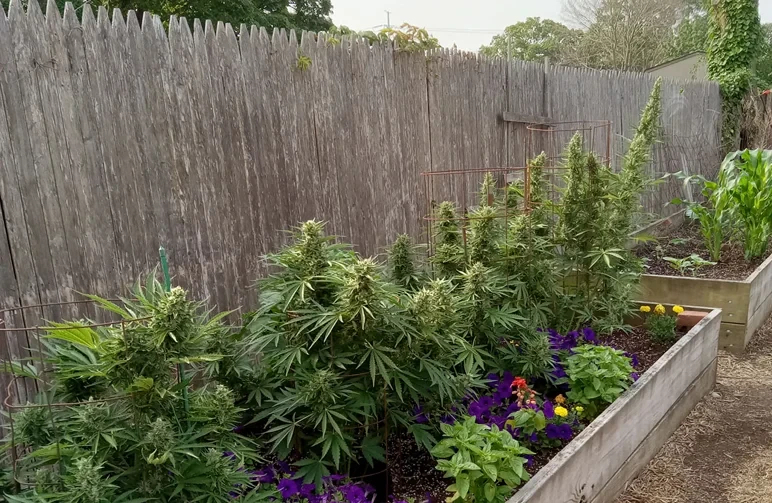
The Alaskan Blueprint: A backyard setup featuring autoflowers in a raised bed. Using raised beds keeps the root zone warmer than the frozen ground, while a high fence ensures you stay compliant with Alaska’s "out of public view" laws. (Image credit: Nebula Haze / GrowWeedEasy.com)
Black fabric absorbs solar heat, warming the root zone and giving your plants the "tropical" feel they need to thrive in the North.
To ensure your harvest is a success in the Last Frontier, you need to match your genetics to your specific Alaskan environment.
Whether you are battling the dampness of the Southeast Panhandle or the endless light of the Interior, here is how to use your chosen strains for the best results.
| Region | Primary Challenge | Recommended Strain | Why? |
| Southeast / Coastal (Wet) | High Rain / Bud Rot | Sirius Black | Exceptional mold resistance; handles the late-summer dampness without rotting. |
| Interior (Midnight Sun) | Endless Light / Short Window | Magnum Auto | Explodes under 24-hour sun; rapid 8-week lifecycle finishes before the frost hits. |
| Southcentral (Anchorage) | "Termination Dust" (Early Frost) | Blueberry Auto | Famous for cold tolerance; the Alaskan chill brings out its signature purple/blue hues. |
| Greenhouse / Protected Grow | Maximizing Quality / Bag Appeal | Wedding Cake | The greenhouse provides the protection needed for this "Queen" to stack dense, frosty colas. |
| The "Midnight Sun" Cheat Code | The Photoperiod Paradox | Girl Scout Cookies Auto | Flowers based on age, not light; bypasses the problem of plants refusing to flower in 24hr sun. |
Top 5 Strains for a Successful Outdoor Grow in Alaska
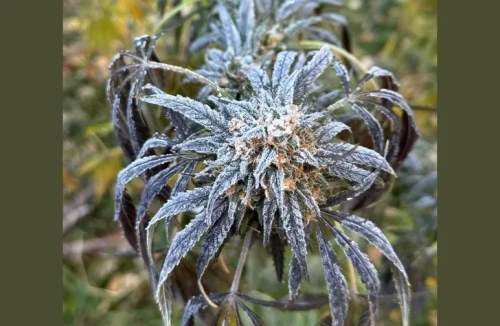
For the outdoors, we prioritize speed, mold resistance (for the coastal rain), and "Midnight Sun" compatibility.
| Outdoor Strain | Key Advantage for Alaska | Typical Harvest |
| Blueberry Auto | Cold-hardy, handles early frost | 8–9 weeks from seed |
| Girl Scout Cookies Auto | Compact habit, ignores 24hr light cycle | 10–12 weeks from seed |
| Wedding Cake | High-UV resistance (Boutique Greenhouse) | Late September |
| Sirius Black | Exceptional mold resistance | Mid-September |
| Magnum Auto | Rapid lifecycle, thrives in marginal soil | 8 weeks from seed |
1. Blueberry Auto
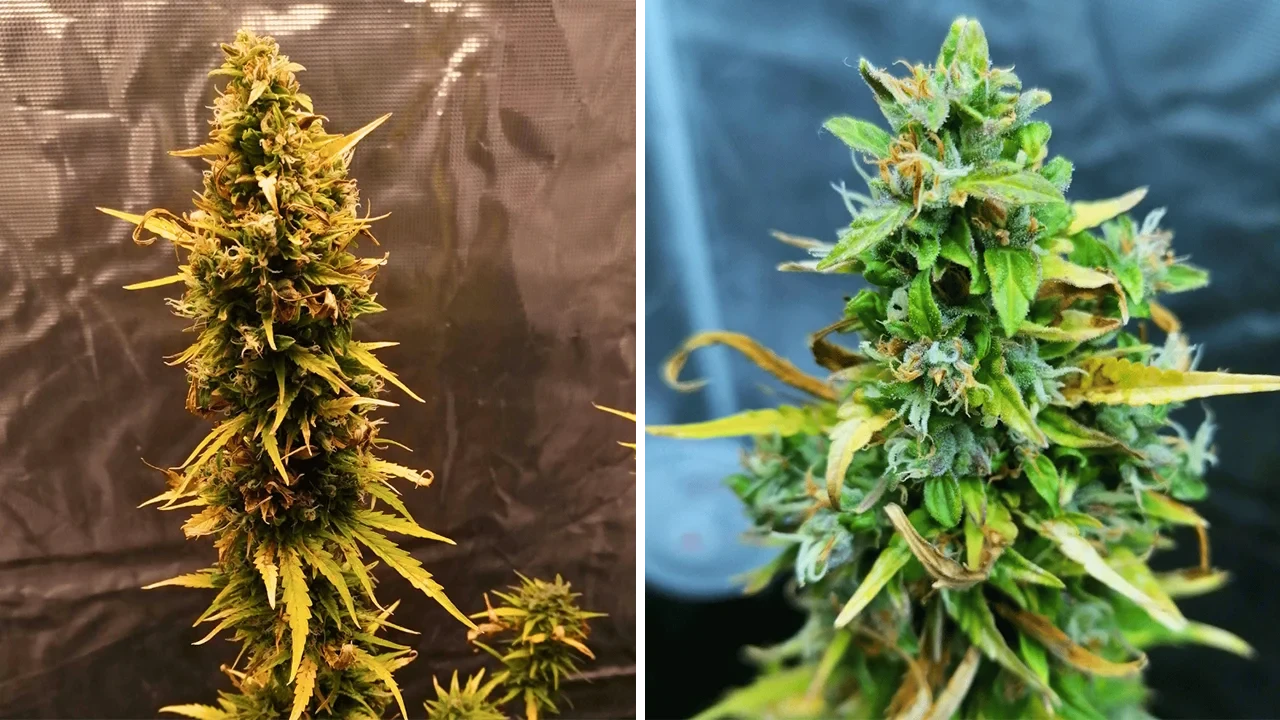
Why Alaska loves it: A cool-climate classic. Blueberry Auto thrives under long daylight, keeps its structure tight, and finishes fast with sweet, fruity terps. It’s a "set it and forget it" strain that shrugs off chilly nights that would rattle fussier hybrids.
It stays manageable and finishes fast, meaning you are usually drying your harvest by late August—well before the freezing rains of September can cause bud rot.
- Type: Autoflower (Feminized)
- Life Cycle: 8–9 Weeks from seed
- Alaska Harvest Window: Mid-to-late August
- Mold Resistance: High
- Grow Tip: Keep root temperatures stable by using insulated fabric pots or raising them off the cold ground.
- Best For: Beginners looking for a safe, berry-scented harvest before the first frost.
Looking to grow this strain? Buy Blueberry Auto Seeds from WeedSeedsExpress
2. Girl Scout Cookies Auto Seeds
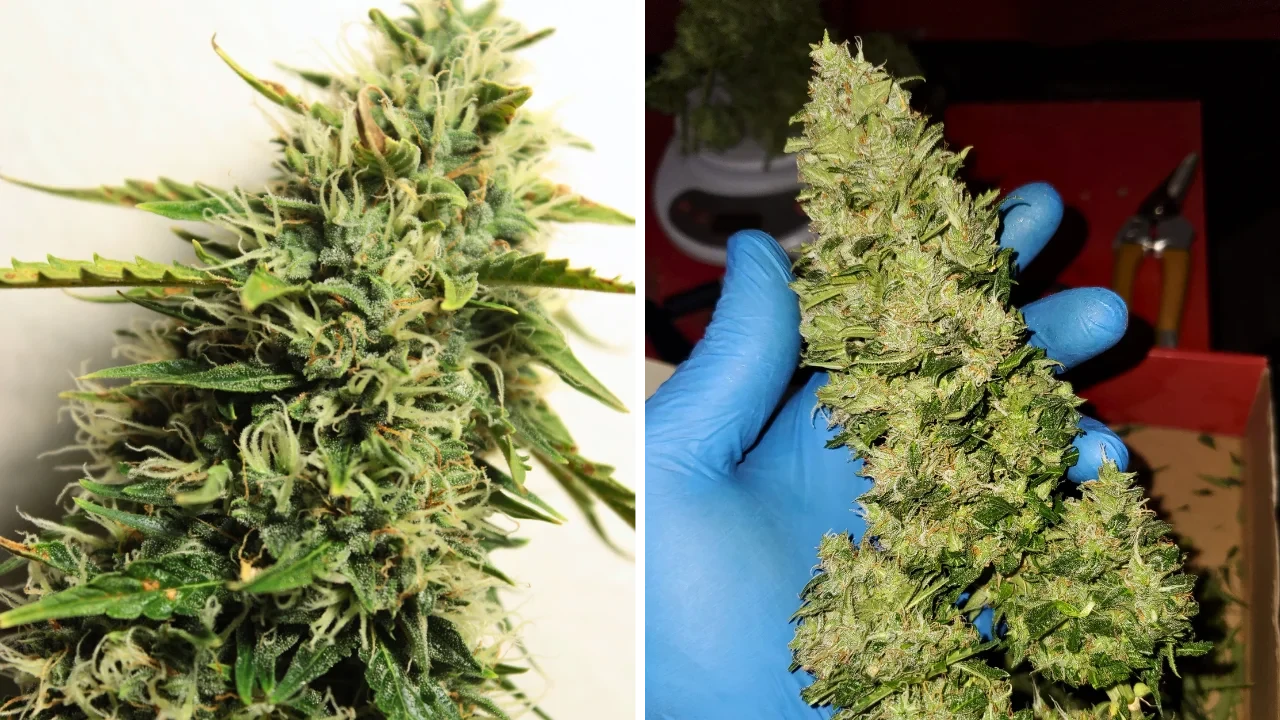
Why Alaska loves it: A true "Midnight Sun" companion. Girl Scout Cookies Auto is incredibly efficient because it completely bypasses the light-cycle trap that stalls photoperiod plants in the North.
Since it flowers based on age rather than darkness, it uses the 24-hour Alaskan sun to fuel massive resin production without ever skipping a beat.
It stays compact and stocky, which is exactly what you want when the mountain winds pick up in late July. Its sturdy structure handles the intense
Alaskan UV with ease, producing rock-hard nuggets that look like they’ve been rolled in sugar.
More importantly, its reliable seed-to-harvest clock means you’re usually trimming frosty, dessert-scented nuggets by late August—well before the freezing rains of September can threaten your hard work.
- Type: Autoflower (Feminized)
- Life Cycle: 10–12 Weeks from seed
- Alaska Harvest Window: Late August / Early September
- Mold Resistance: Moderate-High
- Grow Tip: Avoid transplanting; start your seeds in their final 5-gallon fabric pots to prevent root shock and maximize the short growing window.
- Best For: Growers wanting "dessert-tier" boutique buds without the stress of light deprivation.
Looking for this strain? Buy Girl Scout Cookies Auto Seeds from WeedSeedsExpress
3. Wedding Cake
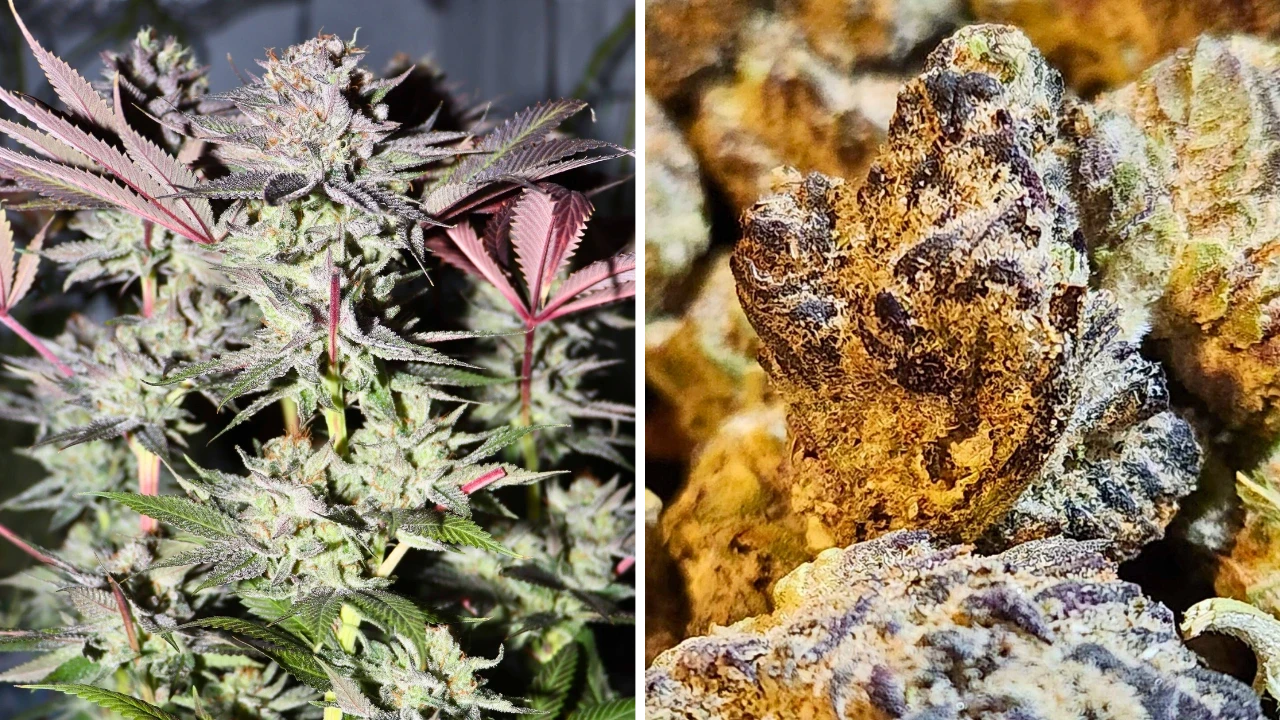
Why Alaska loves it: The "Greenhouse Queen" of the North. While it is a photoperiod, Wedding Cake is worth the effort for greenhouse growers who want "boutique" quality.
It is naturally resistant to high-UV levels and handles the intense light of an Alaskan summer without bleaching.
Under the protection of a hoop house or greenhouse, it stacks frosty, vanilla-scented buds that stay dense and highly photogenic even when the air outside gets crisp.
- Type: Feminized photoperiod
- Flowering Time: 8–9 Weeks
- Alaska Harvest Window: Late September (Greenhouse required)
- Mold Resistance: High
- Grow Tip: Use heat mats to keep the soil temperature at a steady 70°F to ensure steady nutrient uptake.
- Best For: Greenhouse growers looking for elite bag appeal and creamy terpenes.
Want to grow this strain? Buy Wedding Cake Seeds from WeedSeedsExpress
4. Sirius Black
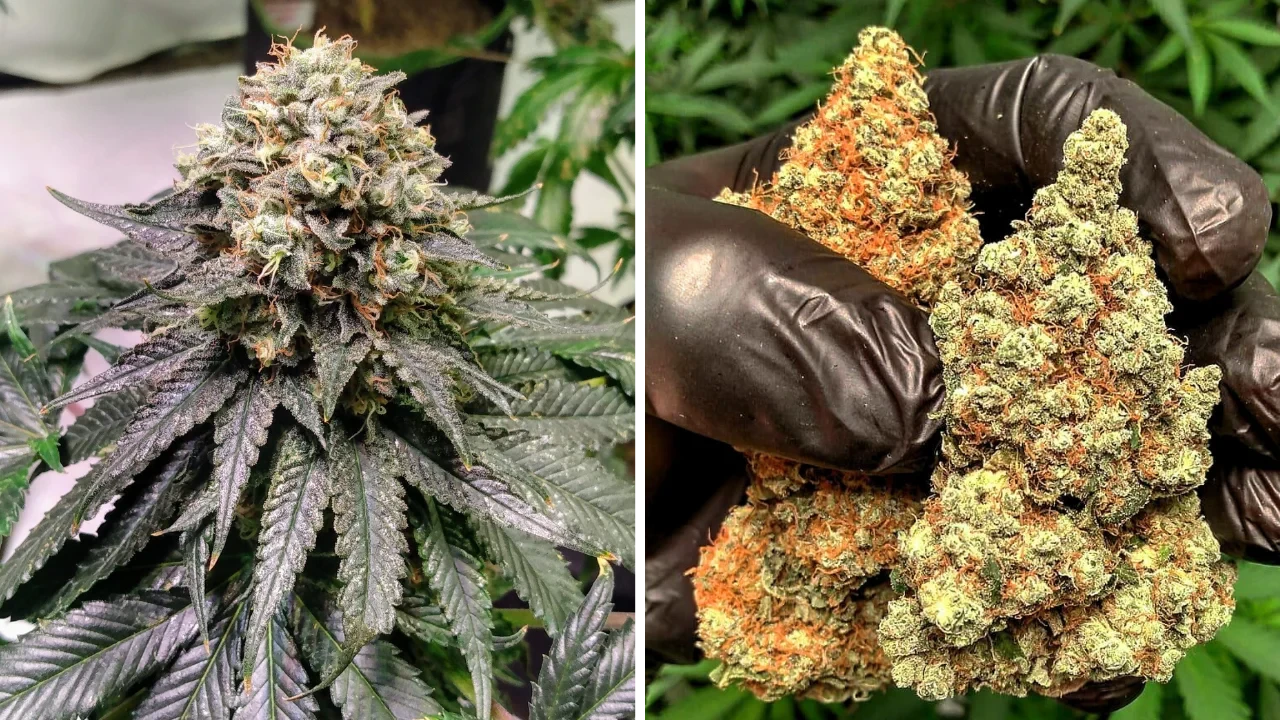
Why Alaska loves it: A true warrior for the damp coastal regions. Sirius Black was built for resistance, making it the perfect choice for Southeast Alaska where rain is a constant companion.
It stays mold-free when other strains struggle, finishing with dark, almost black foliage that looks stunning against the Alaskan landscape.
It's sturdy branching handles heavy rainfall without collapsing, and its earthy, diesel aroma is a favorite for old-school Indica lovers.
- Type: Feminized photoperiod
- Flowering Time: 8–10 Weeks
- Alaska Harvest Window: Mid-September
- Mold Resistance: Very High
- Grow Tip: Stake your branches early; these colas get heavy and can flop after a late-summer rainstorm.
- Best For: Coastal or wet microclimates where bud rot is the primary enemy.
Grow this strain! Buy Sirius Black Seeds from WeedSeedsExpress
5. Magnum Auto
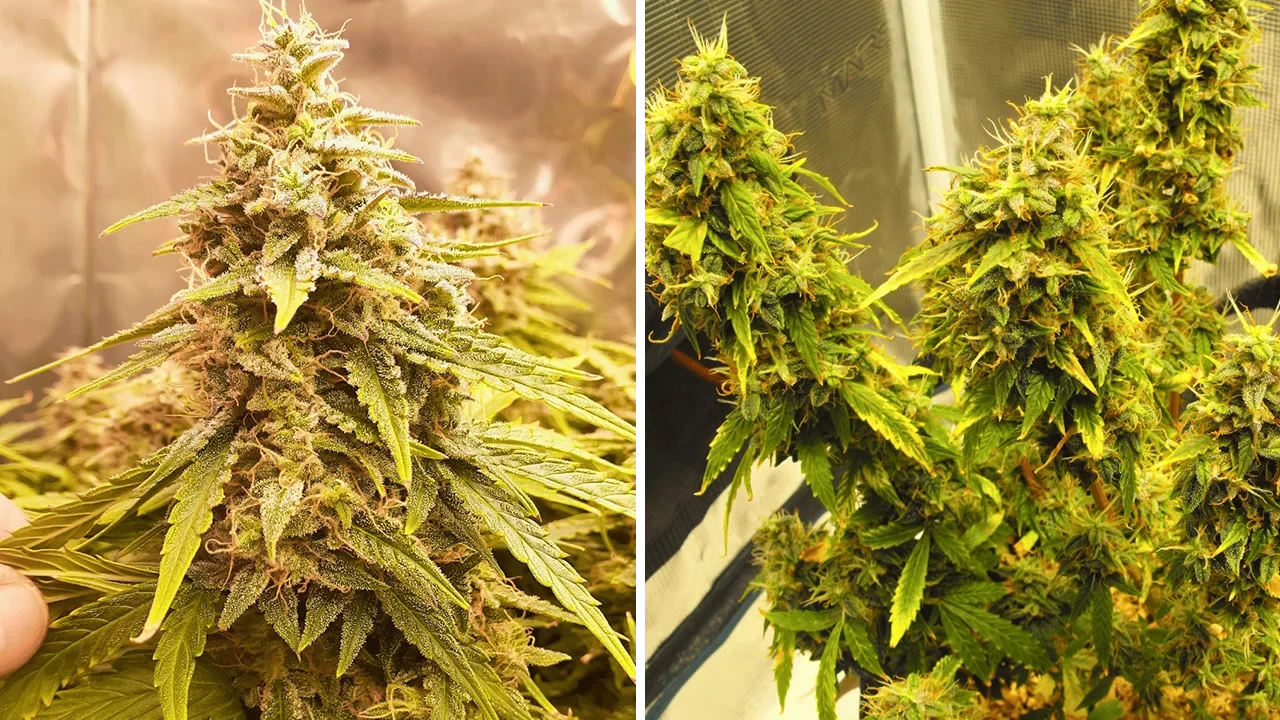
Why Alaska loves it: The workhorse of the Interior. Magnum Auto is famous for producing "monster" yields for an autoflower.
It thrives in the marginal soils often found in Alaska and finishes so fast that it completely dodges the end-of-season risk entirely.
It has incredible vigor and can reach impressive sizes under the 24-hour sun, delivering a heavy, sativa-leaning harvest in as little as 8 weeks.
- Type: Autoflower (Feminized)
- Life Cycle: 8 Weeks from seed
- Alaska Harvest Window: Late August
- Mold Resistance: High
- Grow Tip: Plant in the warmest micro-climate you have (against a south-facing wall) to maximize its explosive growth.
- Best For: Maximizing weight and yield in the shortest possible timeframe
Want to try this strain? Buy Magnum Auto Seeds from WeedSeedsExpress
Top 5 Strains for a High-Yield Indoor Grow in Alaska
1. Gorilla Glue 4 (GG4)
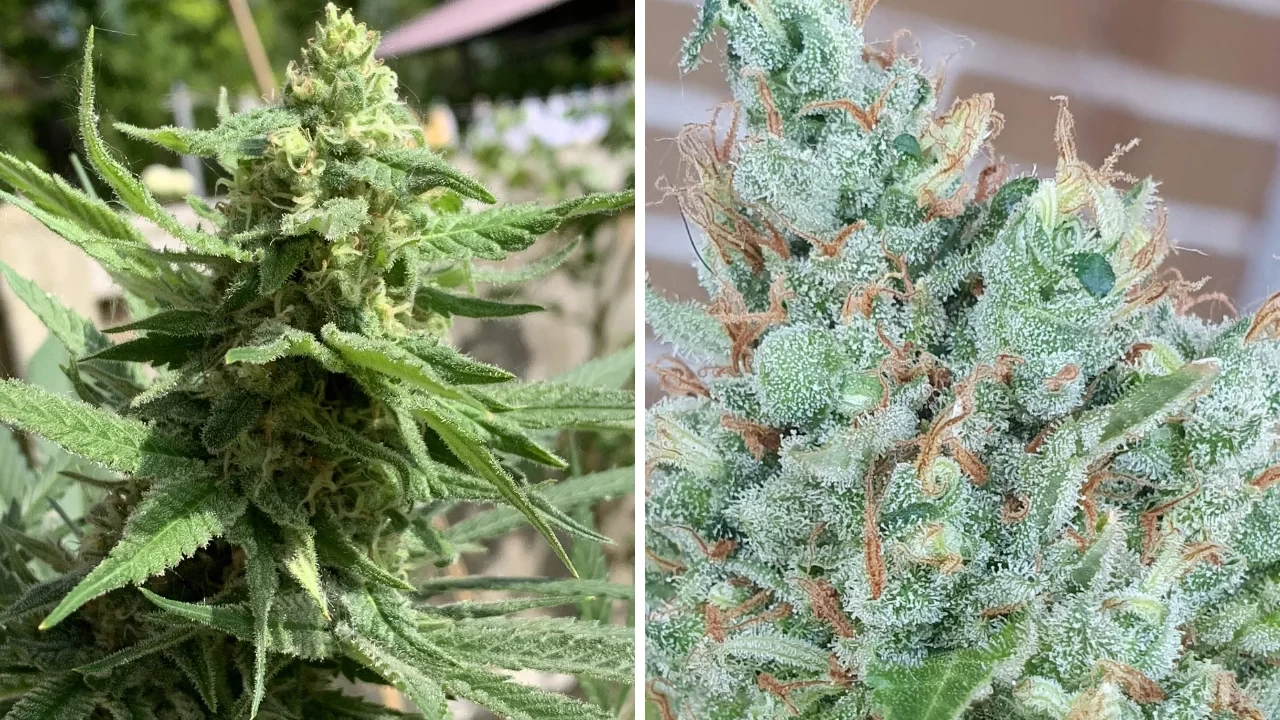
Why we love it: When it is -20°F outside, GG4 is the ultimate indoor companion. It produces outrageous trichome coverage and chunky, gassy colas that thrive in the dry air typical of Alaskan indoor setups.
It is a legendary yield monster that responds perfectly to SCROG training.
- Type: Feminized photoperiod
- Flowering Time: 8–9 Weeks
- Indoor Yield: Up to 2 oz/sq. ft
- Mold Resistance: Moderate
- Grow Tip: Ensure high air exchange; GG4 needs fresh air to prevent stale environments that breed late-flower mold.
Looking to grow this strain? Buy Gorilla Glue 4 Seeds from WeedSeedsExpress
2. Bruce Banner
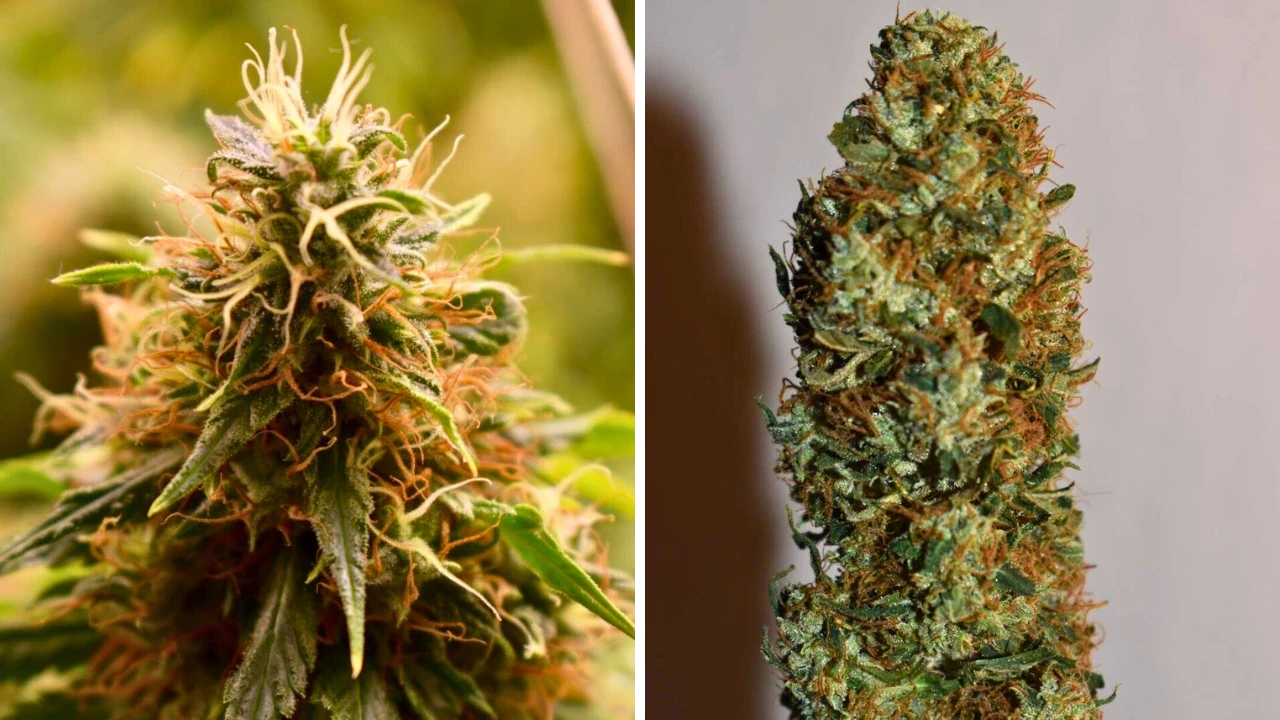
Why we love it: A "Green Monster" for the indoor tent. Bruce Banner converts high-wattage LEDs into pure potency. It is a vigorous grower that fills out a tent quickly, making it ideal for Alaskans looking to maximize their 3-mature-plant legal limit.
- Type: Feminized photoperiod
- Flowering Time: 8–10 Weeks
- THC Content: Up to 27%
- Mold Resistance: Moderate
- Grow Tip: Push veg hard with LST and topping, then ease back on nitrogen during the final three weeks.
Want a good strain? Buy Bruce Banner Seeds from WeedSeedsExpress
3. Granddaddy Purple (GDP)
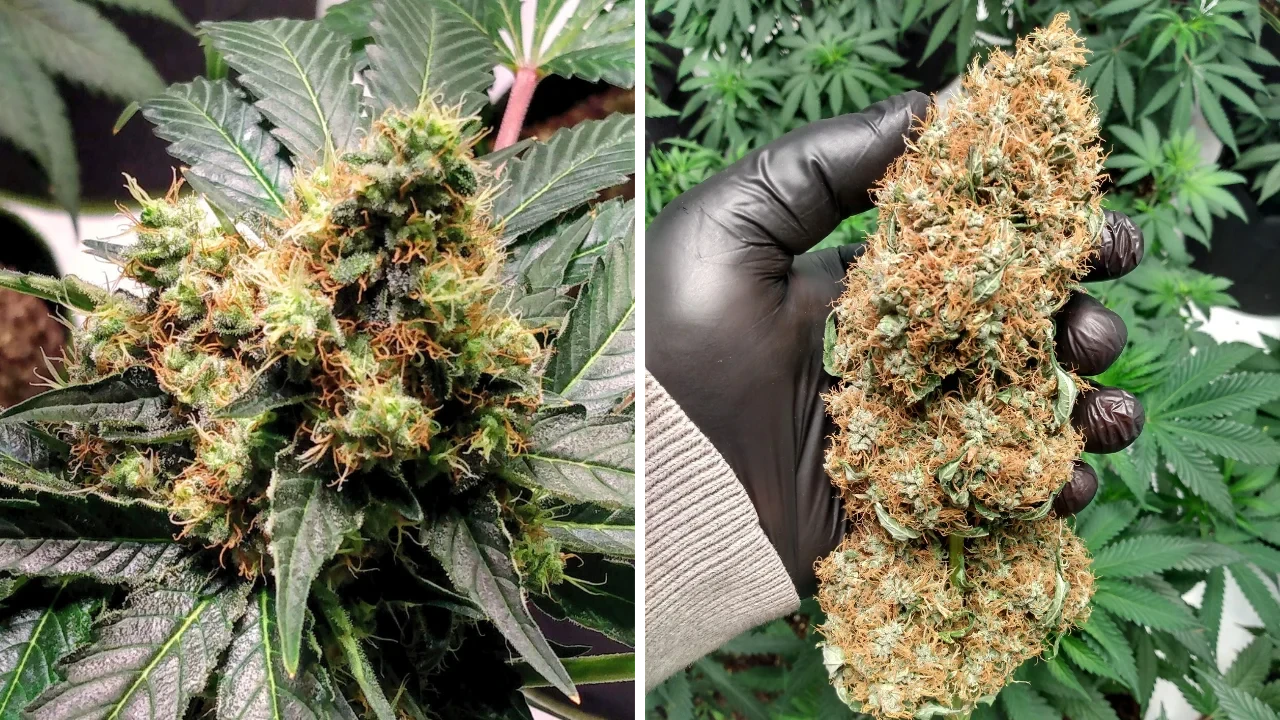
Why we love it: The compact king for cabin grows. If you are growing in a closet or a small, insulated space, GDP is your best friend.
It stays short, making it easy to manage, and the naturally cold tap water in Alaska helps coax out its stunning purple hues during the flush.
- Type: Feminized photoperiod
- Flowering Time: 9–10 Weeks
- Structure: Short and stocky
- Mold Resistance: Moderate
- Grow Tip: Drop your night temps by 10°F in the final two weeks to intensify the grape-purple coloration.
Try this strain! Buy Granddaddy Purple Seeds from WeedSeedsExpress
4. Hindu Kush
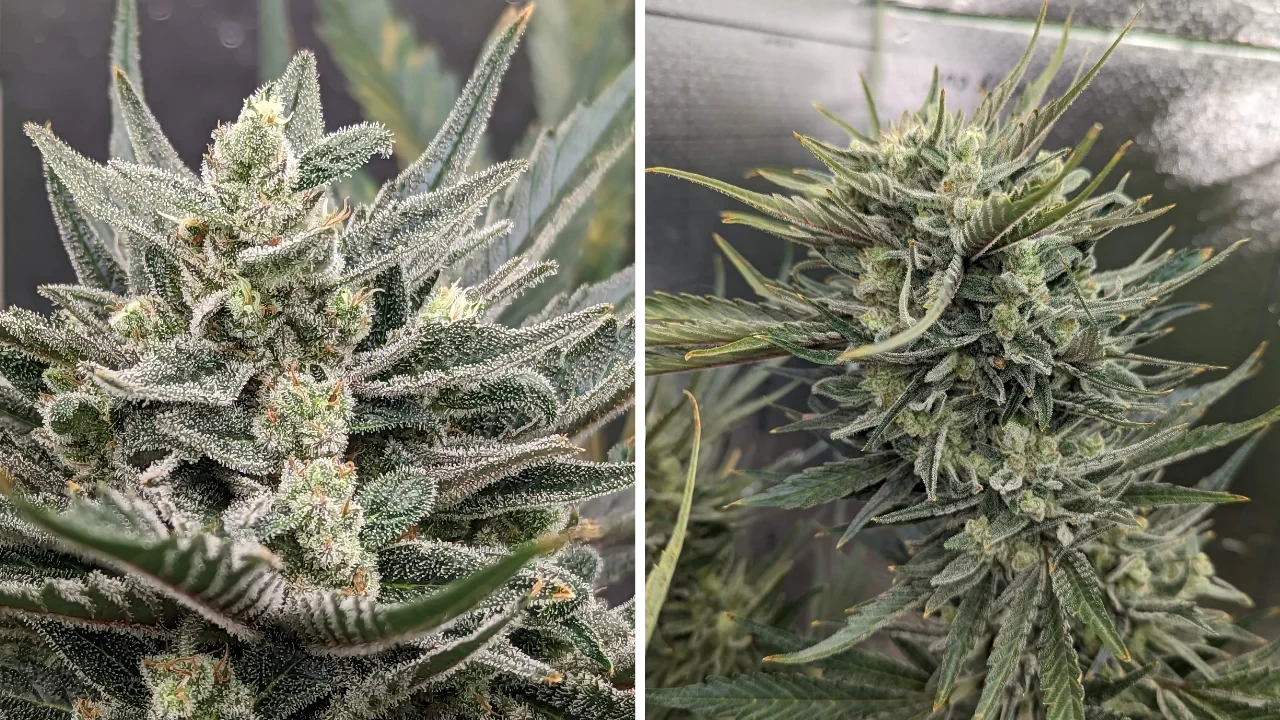
Why we love it: A rock-solid landrace Indica. Hindu Kush is incredibly stable and resilient to the environmental swings that can happen in drafty Alaskan homes.
It’s a low-maintenance producer with earthy, hashy notes that are perfect for making "mountain hash."
- Type: Feminized photoperiod
- Flowering Time: 8-10 Weeks
- Maintenance: Low
- Mold Resistance: High
- Grow Tip: Perfect for "Stealth" grows; it requires very little training to produce a uniform canopy.
Need an idea which strain to try? Buy Hindu Kush Seeds from WeedSeedsExpress
5. Master Kush
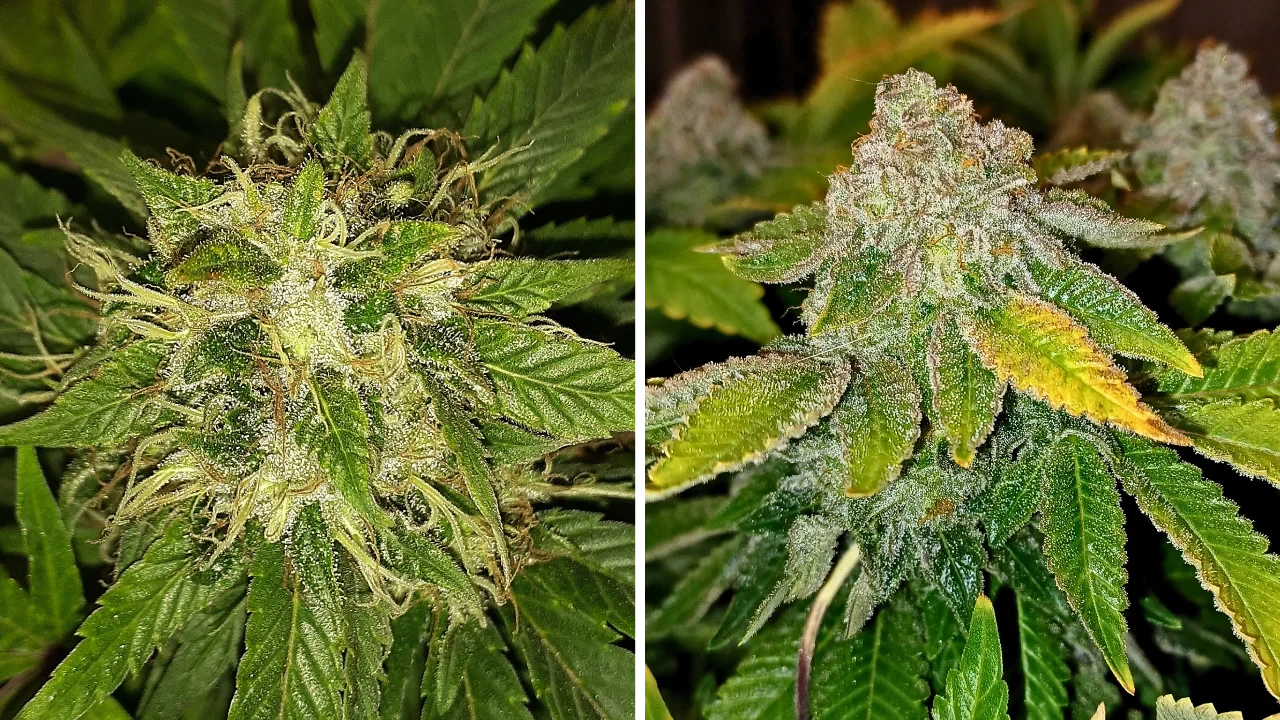
Why we love it: A predictable, heavy-duty producer. Master Kush stays stable when other hybrids might stress, stacking dense buds that are remarkably heat-tolerant.
It finishes uniformly, making it the perfect choice for growers managing an indoor room in a remote cabin.
- Type: Feminized photoperiod
- Flowering Time: 8-10 Weeks
- Structure: Dense and sturdy
- Mold Resistance: High
- Grow Tip: Use "Lollipop" pruning—strip the bottom 1/3 of the plant to push all energy into the top colas.
Not sure which strain to choose? Buy Master Kush Seeds from WeedSeedsExpress
Pro-Tips for Alaska Growers
For the Outdoor Grower: The "Moose" Factor
In the Lower 48, growers worry about deer. In Alaska, a single moose can decimate a flowering crop in ten minutes. If you are growing outdoors, your fence needs to be at least 8 feet tall or reinforced with heavy-duty wire.
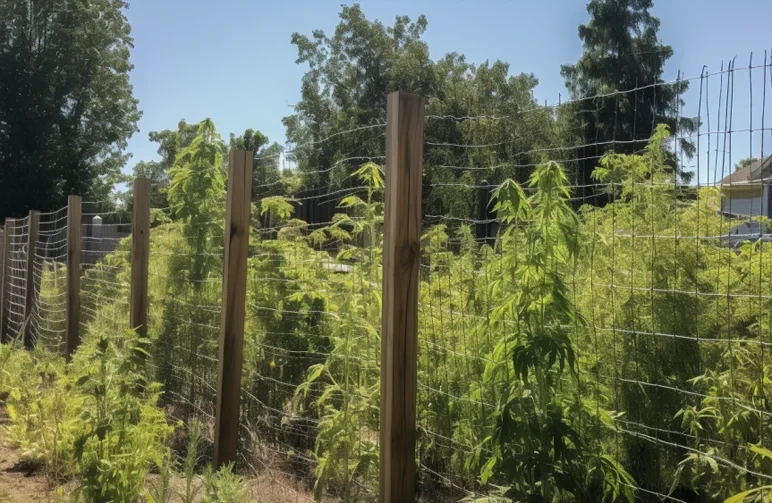
Do not use "invisible" bird netting; you don't want an angry 1,200lb animal tangled in your garden.
For the Indoor Grower: Managing Winter Air
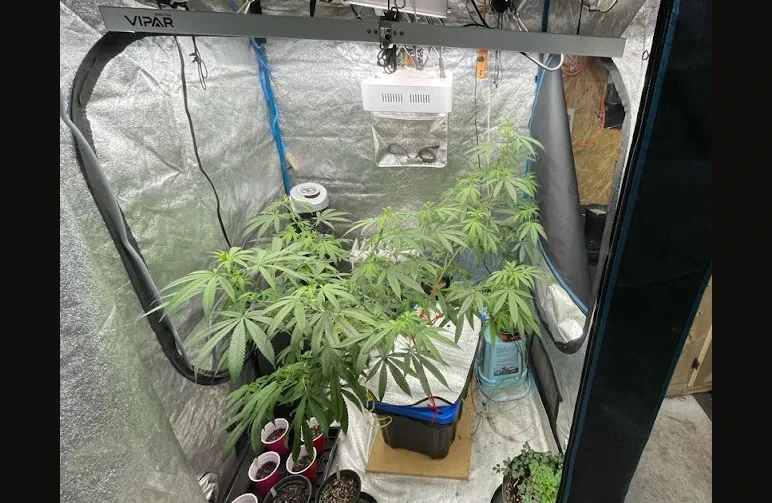
Alaskan winters are notoriously dry. When the outside air is -20°F and you bring it inside and heat it, the relative humidity drops to near zero. You must run a humidifier.
If your humidity drops below 30% in veg, your plants will stop growing. Target 50–60% for veg and 45% for flower.
Final Thoughts
Growing in the Last Frontier is a badge of honor. Success here means outsmarting the light and respecting the cold. If you’re a beginner, grab Blueberry Auto or Magnum Auto—they remove the stress of the midnight sun.
If you’re hunkering down for a long winter indoors, GG4 and Hindu Kush will keep your jars full until the thaw.
Ready to start your Alaskan run? Explore hand-selected, cold-hardy genetics at WeedSeedsExpress. We offer fast, discreet shipping from our US warehouse and a germination guarantee so you can grow with confidence.
Frequently Asked Questions
When should I start my seeds in Alaska?
Start indoors in mid-April. This gives your plants 4–6 weeks of "veg" time before they hit the outdoors after the last frost (usually late May/early June).
Can I grow Alaskan Thunder Fuck?
While original MTF seeds are hard to find, modern hybrids like GG4 or Hindu Kush offer the same "mountain-grown" resilience and heavy-hitting potency the region is known for.
Are greenhouses necessary in Alaska?
They aren't "mandatory" if you use Autoflowers, but a simple hoop house or greenhouse will increase your yield by 30% by keeping the root zone warm and the late-August rain off your buds.