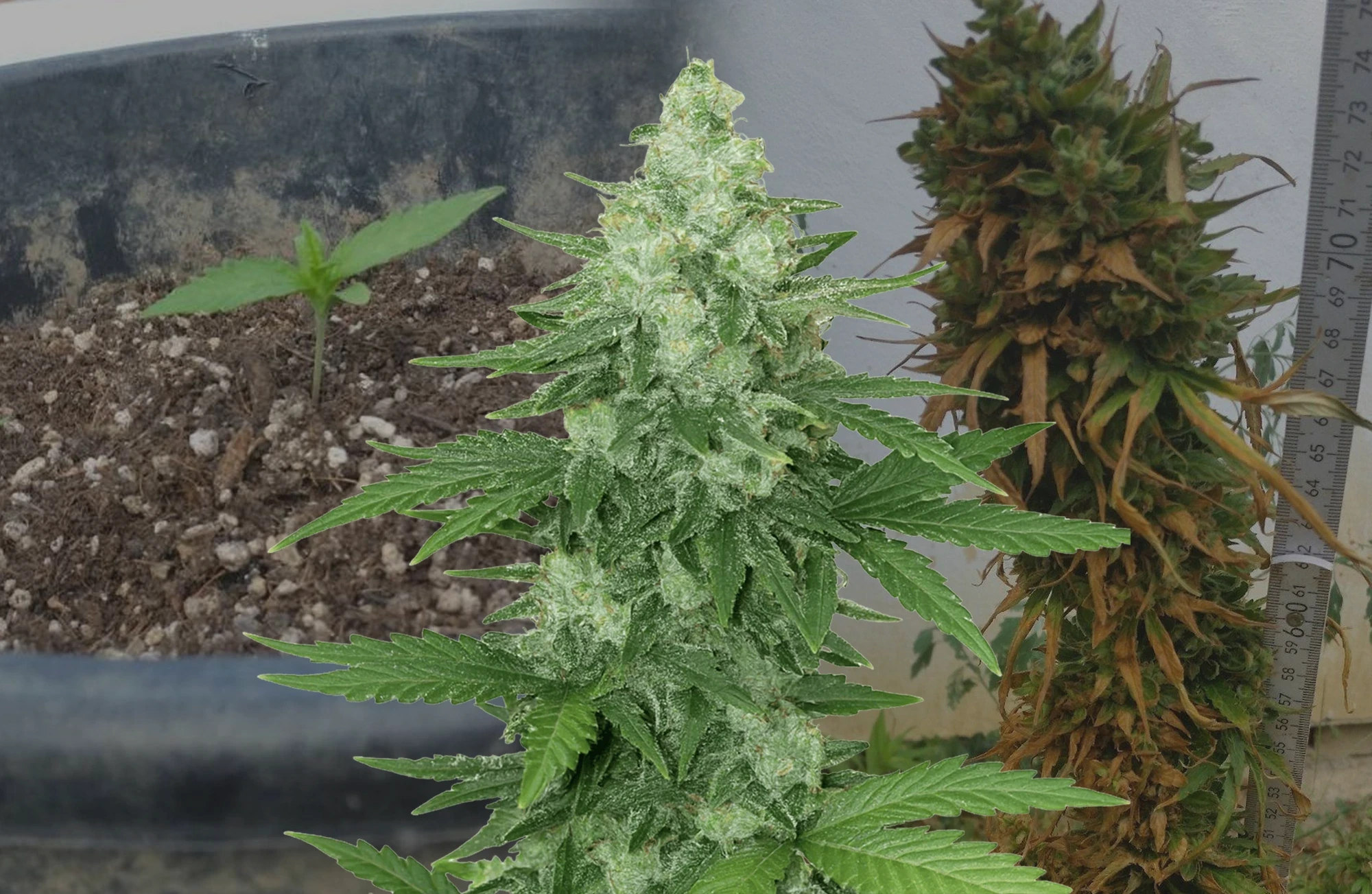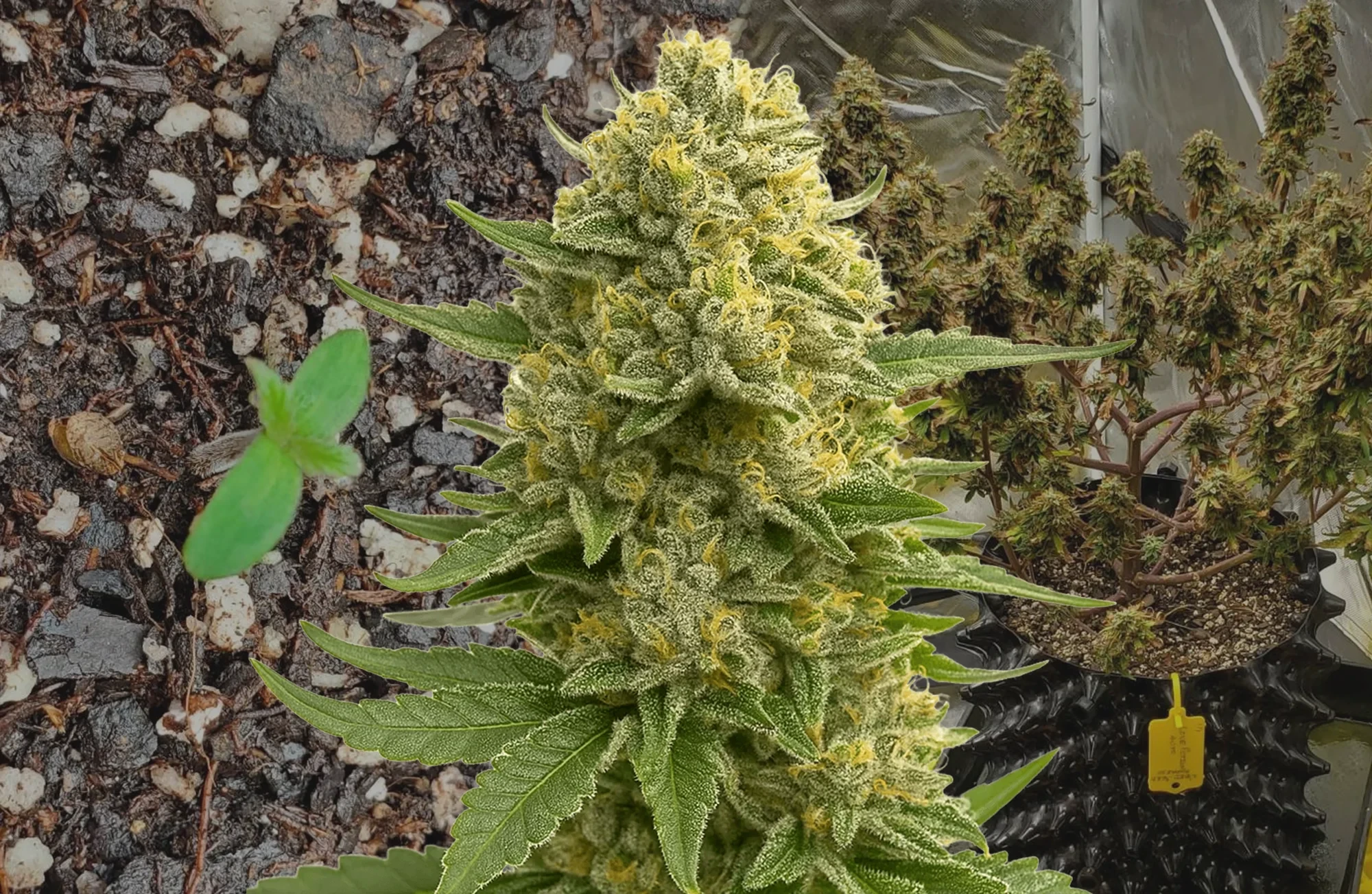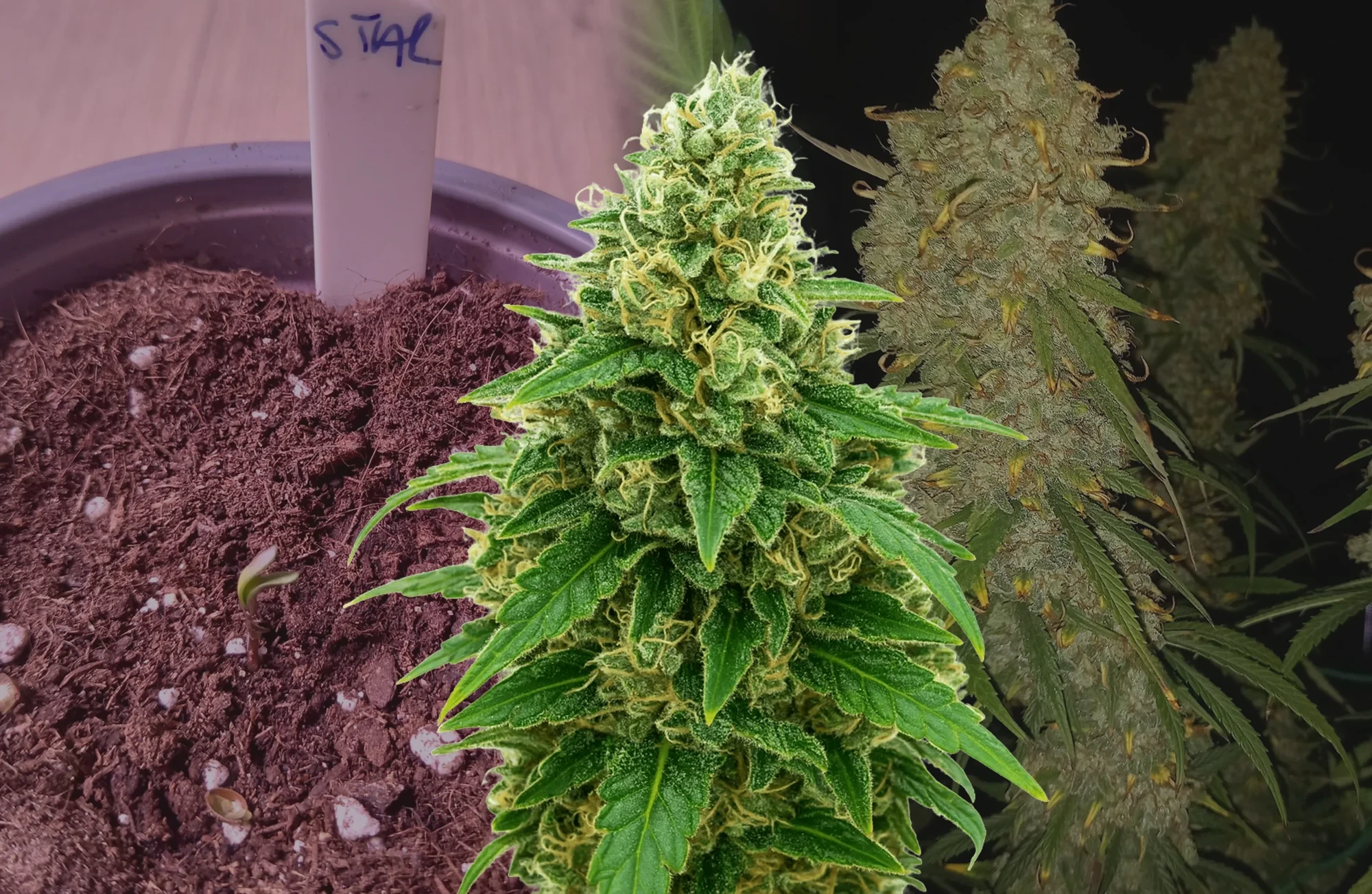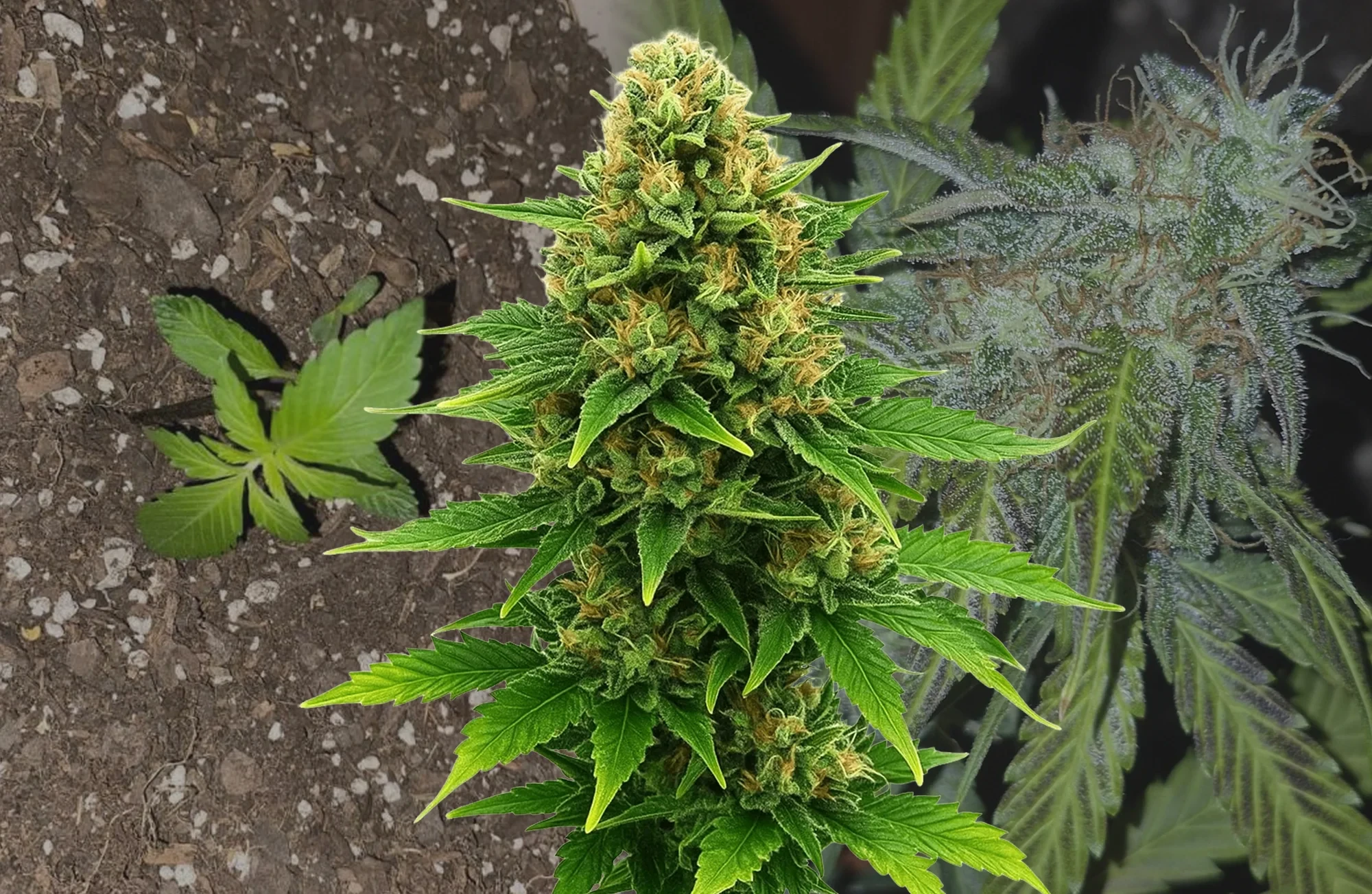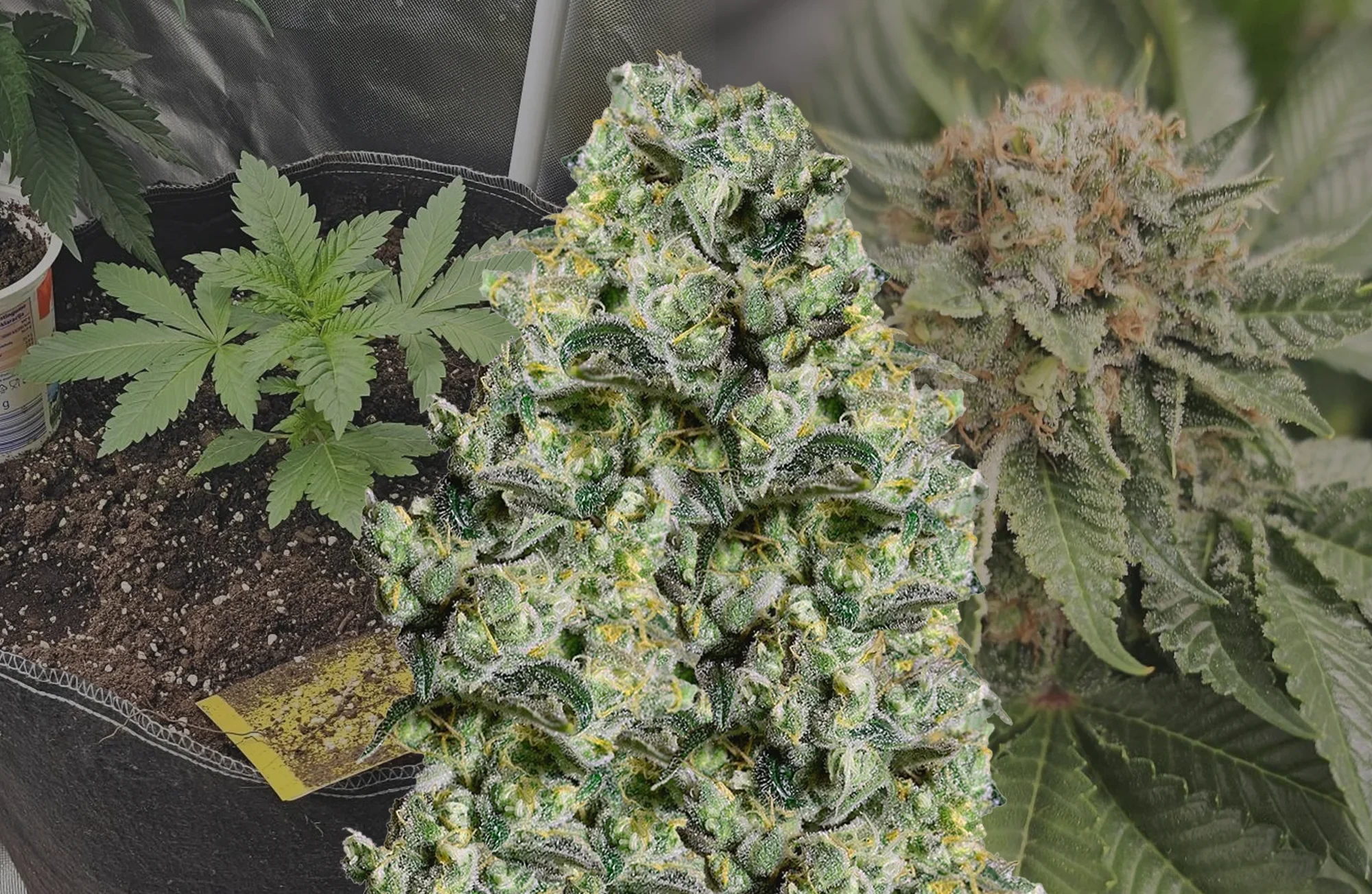


If you've ever wondered how to increase THC levels in weed without chasing gimmicks, we're right there with you. Potency isn't a single switch we can flip, it's a stack of decisions from genetics and environment to harvest timing and curing.
In this guide, we'll walk through what really moves the needle (and what doesn't), keeping it high-level, safe, and legal-minded.
The goal isn't just bigger numbers on a label, it's better, more consistent quality that respects the plant and the people who use it.
Key Takeaways
- To increase THC levels in weed, start with high-potential genetics from transparent breeders and lab-verified clones.
- Optimize environment—even, adequate light, stable temps and humidity, balanced nutrition, and clean IPM—so healthy plants channel energy into resin.
- Harvest in the trichomes’ sweet spot (mostly cloudy with minimal amber), then dry and cure gently to preserve THCA and terpenes.
- Use airtight, dark, cool storage to minimize light, heat, and oxygen exposure that degrade potency and flavor.
- Rely on accredited lab testing, representative sampling, and ethical, one-variable-at-a-time trials, while staying compliant and labeling potency clearly.
What THC Is And Why Potency Varies
THC (tetrahydrocannabinol) is the primary psychoactive compound in cannabis, formed from THCA (its acidic precursor) through heat or time. When we talk about "high-THC flower," we're usually referring to the total THCA/THC content measured by a lab at a given point in the product's life.
Why does potency vary? A few big reasons:
- Genetics: Some cultivars simply have a higher ceiling for cannabinoids.
- Environment: Light exposure, plant health, and nutrition influence how much resin the plant invests in.
- Harvest and post-harvest: Timing, drying, curing, and storage affect how much THCA remains intact and how aromatic compounds are preserved.
- Measurement: Different labs and methods can yield slightly different results.
The punchline: if we want to increase potency, we focus on controllables that actually affect resin production and preservation, starting with the cultivar.
Legal And Safety Considerations
Before we get into the fun stuff, we have to stay above board. Cannabis laws vary widely by country, state, and even city. We should only cultivate, process, and test where it's legal to do so and within license limits if required.
Also, avoid unsafe shortcuts, solvents, unapproved pesticides, or hacking electrical setups can be dangerous or illegal. When in doubt, we consult our local regulations, follow label directions, and prioritize health and compliance.
More THC isn't worth a legal or safety nightmare.
Genetics And Cultivar Selection
If we're serious about potency, we start with the seed (or clone).
Genetics set the ceiling. Even perfect environments can't force a low-THC cultivar to outpace its potential. It's like training, great coaching helps, but a sprinter's genetics matter.
When we review options, we look for breeders that publish honest data, and we cross-check with lab-verified results from real-world runs.
We also consider chemotype balance: some cultivars produce sky-high THC but lose nuance: others deliver a hearty THC percentage alongside robust terpene profiles that shape the experience.
Breeder Transparency And Lab-Verified Stats
- Look for breeders who share stability info, typical ranges (not just best-case claims), and consistent phenotypes.
- Seek third-party lab data from multiple batches or growers. One flashy test isn't proof of repeatability.
- Clones from trusted nurseries help reduce variability and can get us closer to the breeder's advertised potency.
THC Versus Other Cannabinoids And Terpenes
Chasing THC alone can flatten the experience. Cannabinoids like CBD, CBG, and minor compounds, plus terpenes (myrcene, limonene, pinene, etc.), modulate how potency feels.
Often, we're not just asking "How to increase THC levels in weed?" but "How do we grow resin that hits as intended?" Terpene-rich, well-balanced resin can feel stronger and more enjoyable at the same tested THC.
So we choose cultivars that combine high THC potential with terpene depth.
High-Level Environmental Factors That Affect Potency
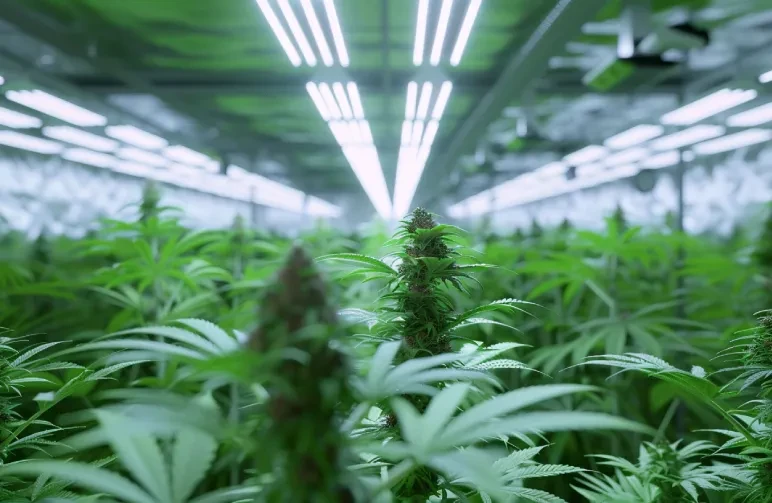
Think of the environment as our plant's job site. If conditions support efficient photosynthesis and stress is kept in check, the plant invests more in flowers and resin production.
Light Intensity And Spectrum (Concepts, Not Prescriptions)
Light drives energy and, eventually, resin. Within a healthy range, more usable light generally supports bigger, denser flowers with richer trichomes. Spectrum influences morphology and terpene expression.
Blue-heavy light can encourage sturdier structure: red-rich light supports flowering development. We don't need a specific wattage to understand the principle: give the canopy even, adequate light without roasting the tops.
Plant Health And Stress Management
A thriving plant makes better resin.
Moderate, controlled stress (like carefully managed environmental shifts) can sometimes nudge secondary metabolite production, but chronic stress, heat spikes, wild humidity swings, underwatering, or inconsistent care usually reduces potency.
Our job is to keep the plant comfortable: steady airflow, reasonable temperatures, stable humidity, and consistency day-to-day.
Balanced Nutrition And Growing Medium Basics
Nutrients are the ingredients, not the chefs. Overfeeding or chasing magic bottles doesn't create THC: it can actually cause lockouts and weak flavor.
We aim for balanced nutrition that supports vigorous growth early and steady flowering later, with a medium that drains well and provides consistent oxygen to the roots. Think harmony, not extremes.
Clean, Responsible Pest And Mold Prevention
Pests and pathogens sap energy that would otherwise go into resin. We lean on cleanliness: quarantine new plants, keep tools and surfaces tidy, and use preventative approaches approved for the crop and region.
Avoid unapproved chemicals, residues can harm consumers and fail tests. Healthy leaves and clean flowers mean more resources channeled into trichomes and terpenes.
Harvest Timing And Post-Harvest Handling Principles
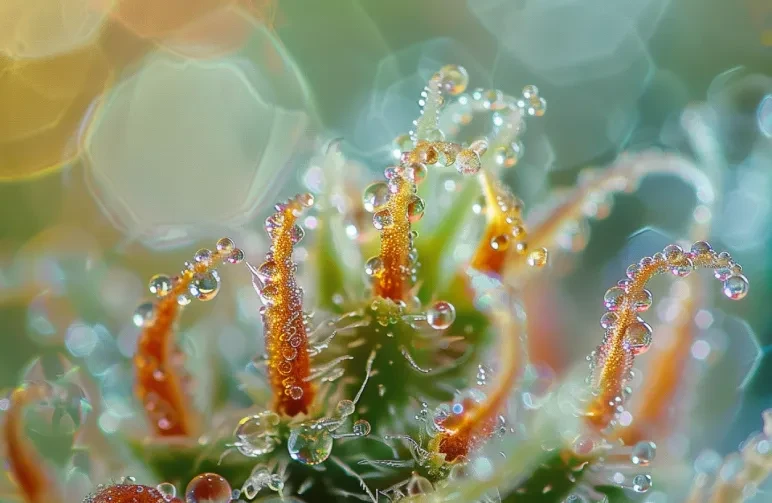
We can do everything right and still lose potency with a mistimed harvest or rough handling. THC starts as THCA in the trichomes, and those trichomes are fragile. Timing and gentleness preserve what we grew.
Recognizing Maturity Cues
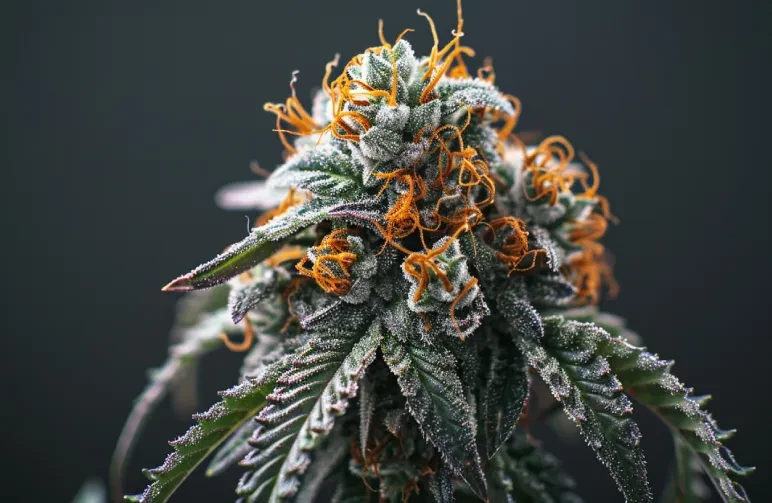
We pay attention to the whole plant: calyx swelling, pistil coloration, and especially trichome heads under magnification. Clear heads suggest immaturity: cloudiness indicates peak THCA: increasing amber often means degradation is beginning.
Each cultivar has a sweet spot. Harvesting in that window helps us capture the highest usable potency.
Gentle Drying And Curing Fundamentals
Fast, hot drying can burn off aromatics and nudge cannabinoids in the wrong direction. Slow, steady drying in a clean, dark space helps trichomes stay intact.
After the dry, curing allows moisture to equalize and the bouquet to round out. We handle buds minimally, avoid crushing, and let time smooth the edges. A good cure makes potency feel polished, not harsh.
Storage Basics To Preserve Cannabinoids And Terpenes
Light, heat, oxygen, and time degrade potency and flavor. We store in airtight containers, in the dark, at stable, cool-ish temperatures. No frequent opening and closing, no sunny windowsills.
Smart storage can make weeks-old product test like it was packed yesterday.
Testing, Data, And Quality Assurance
Without data, we're guessing. Testing doesn't just validate THC numbers: it shows us how changes in genetics, environment, and post-harvest affect outcomes. Consistency is the real flex.
Choosing Accredited Labs And Reliable Methods
We work with accredited labs that use validated methods and participate in proficiency testing. Transparent sample handling, chain-of-custody, and clear reporting matter.
If a lab seems to always deliver suspiciously high numbers, that's a red flag, not a victory.
Interpreting Potency Results And Variability
Potency naturally varies by plant, branch, and bud location. Representative sampling beats cherry-picking top colas. We compare like-for-like batches and track trends over time. One high test is nice: repeatability is proof.
Iterating Ethically Without Cutting Corners
We run small, controlled trials: tweak one variable at a time, document, and assess. No unapproved additives, no labeling games.
Ethical iteration earns trust and keeps us compliant while genuinely improving THC levels and overall quality.
Responsible Potency And Consumer Considerations
Potency is power, and with power comes, yeah, you know.
Dosing Awareness, Labeling, And Transparency
Clear labels with batch-specific test data help consumers make informed choices. We encourage gradual dosing, especially for new users.
If a cultivar routinely tests high, we communicate that plainly and avoid hype that could push people past comfortable limits.
Balancing Potency With Experience And Safety
Ultra-high THC isn't always the best experience. Many consumers prefer a richer terpene profile and balanced effects over raw strength.
We aim for potency that serves the experience, calm, creative, social, sleepy, whatever the intent. That approach builds loyalty and keeps everyone safer.
Conclusion
When we talk about how to increase THC levels in weed, we're really talking about aligning a chain of decisions: pick honest, high-potential genetics: give the plant a stable, supportive environment: harvest at peak: treat the flowers gently: and store them wisely.
Then we back it all up with credible testing and responsible communication. Do that, and the numbers tend to follow, along with something even better: consistent, memorable quality.
Frequently Asked Questions
What actually increases THC levels in weed?
Genetics set the ceiling, then environment, plant health, and timing do the rest.
To increase THC levels in weed, choose proven high-THC cultivars, provide even, adequate light, maintain stable temps and humidity, avoid chronic stress, harvest at peak trichome maturity, dry and cure gently, and store cool, dark, and airtight.
When should I harvest for maximum THC?
Watch trichomes under magnification. Clear heads indicate immaturity; mostly cloudy suggests peak THCA (and thus potential THC); increasing amber signals degradation.
Combine this with swollen calyxes and mature pistils. Harvesting in the “mostly cloudy” window helps increase THC levels in weed while preserving terpenes and overall resin quality.
Does light intensity and spectrum boost THC or just yield?
Within healthy limits, more usable light supports denser flowers and richer trichomes, which can correlate with higher potency. Spectrum influences morphology and terpene expression—blue for structure, red for flowering.
Avoid heat stress or bleaching; evenly lit canopies with proper environment often improve resin quality, not just biomass.
Do terpenes and other cannabinoids change how strong high-THC flower feels?
Yes. Terpenes (like myrcene, limonene, pinene) and minor cannabinoids modulate effects and perceived potency. A terpene-rich, well-balanced profile can feel stronger and more enjoyable at the same tested THC.
Selecting cultivars with both high THC potential and robust terpene expression often delivers the best overall experience.
Are CO2-enriched grows more potent?
CO2 enrichment primarily boosts photosynthesis and yield under strong lighting.
It can indirectly support better resin development, but potency gains are not guaranteed and depend on overall environment, cultivar, and dialing in light, nutrients, and temperature.
When legal, implement safely with monitoring; poor control can reduce quality.
What THC percentage is considered high, and does higher always mean better?
In legal markets, 20–25% THC is typically considered strong, and 26–30%+ is very high. However, higher THC doesn’t always feel better. Aroma, terpene profile, and cannabinoid balance shape the experience.
If your goal is how to increase THC levels in weed, prioritize quality, flavor, and consistency alongside numbers.