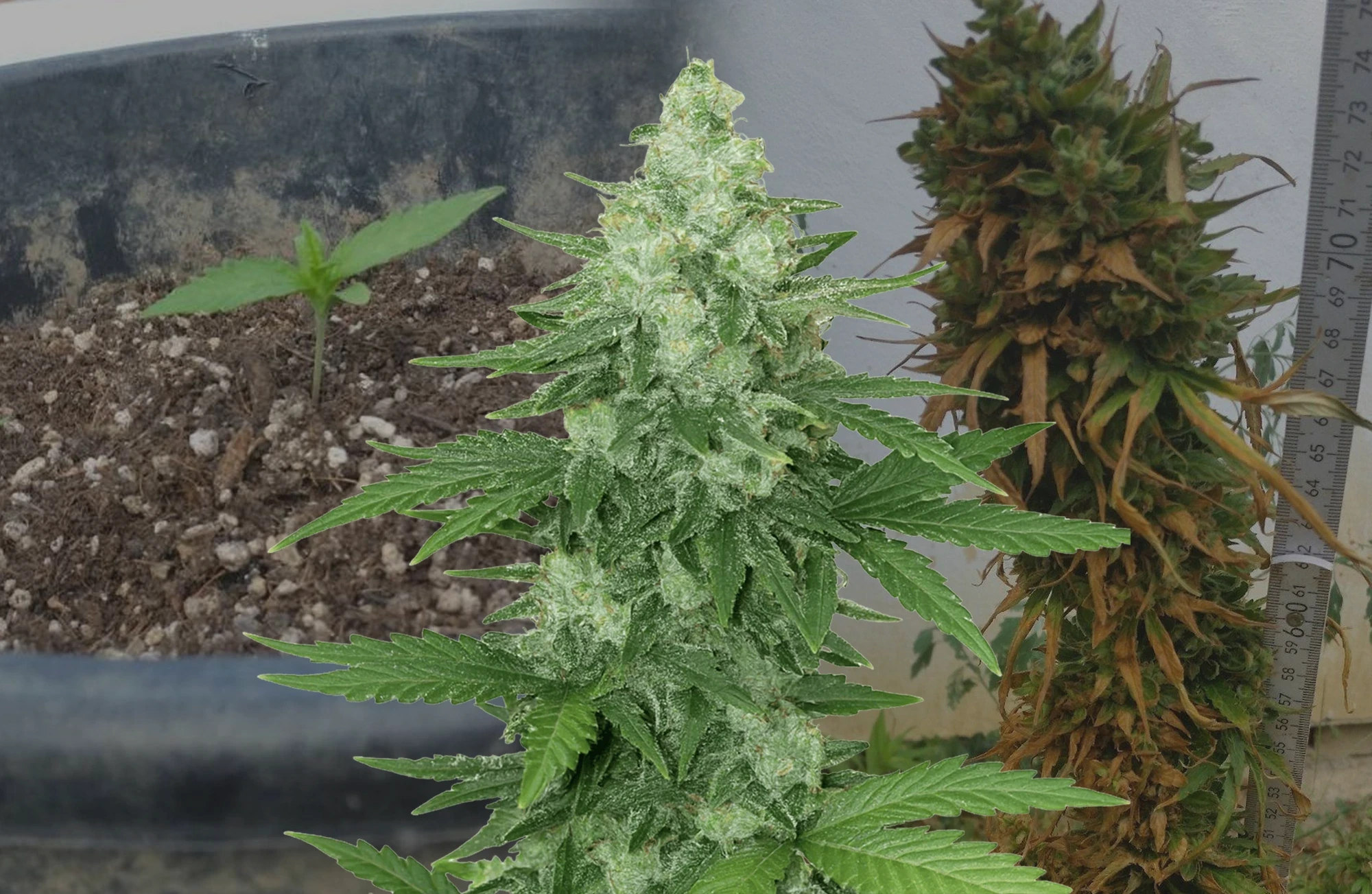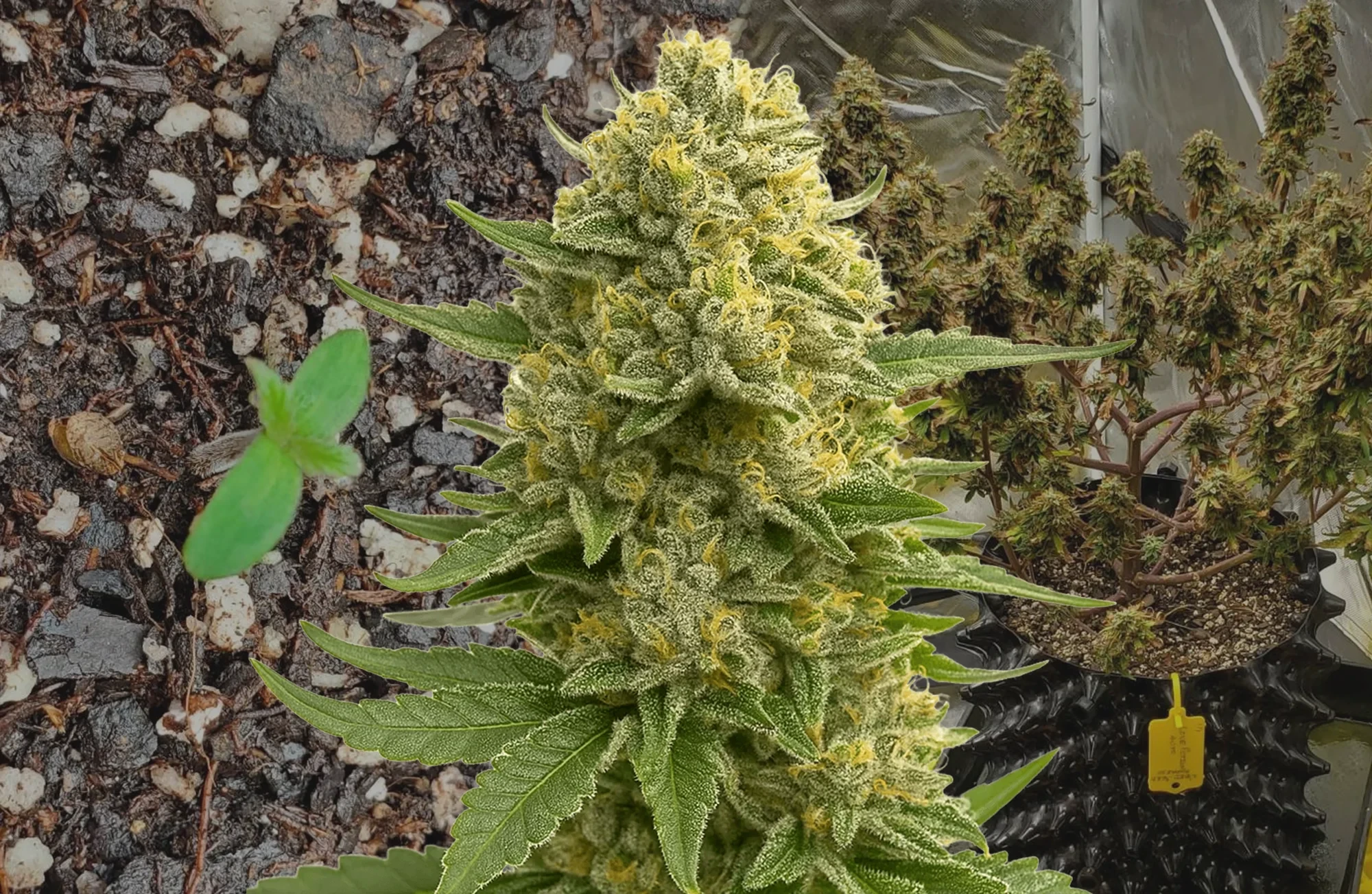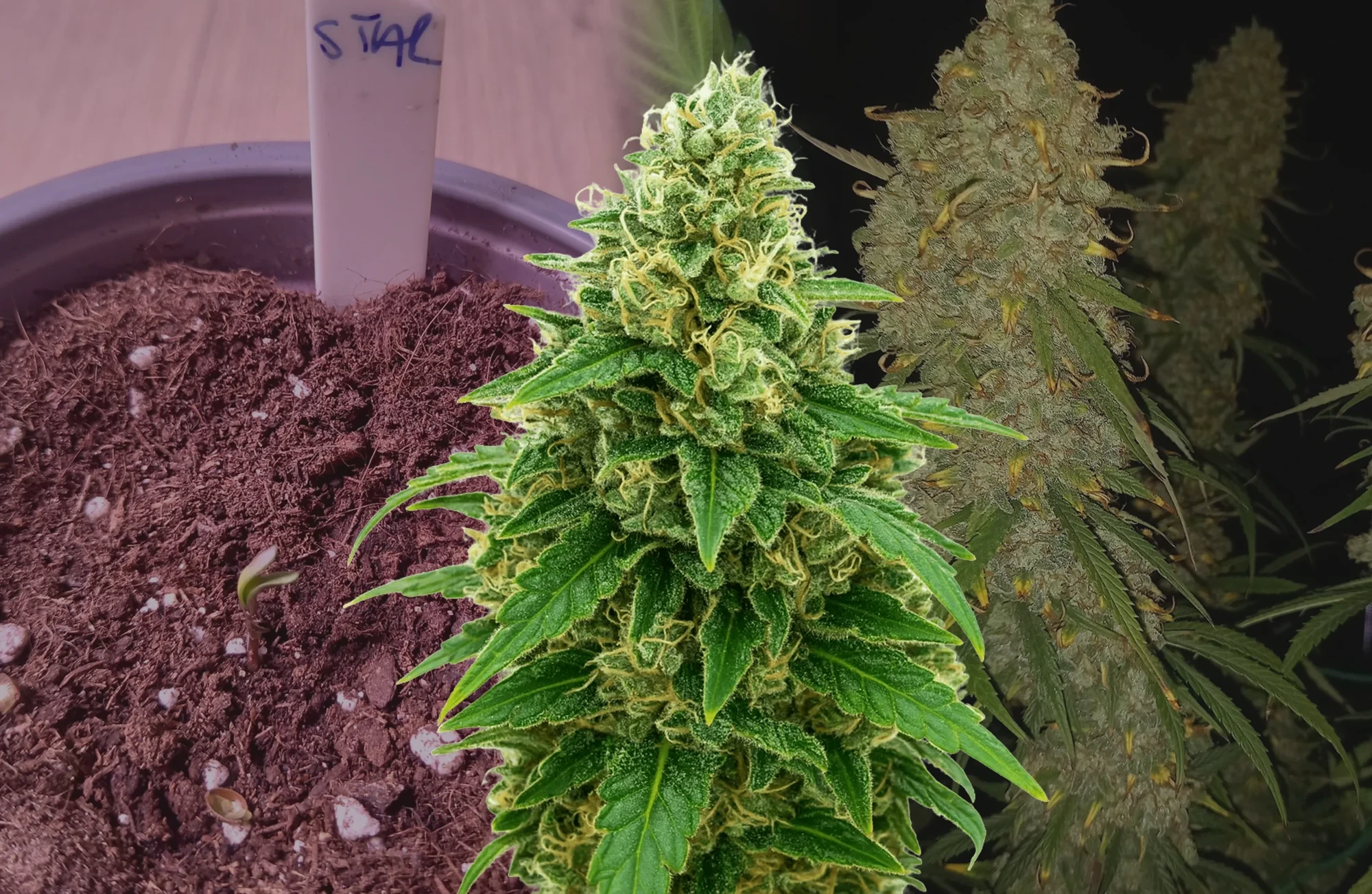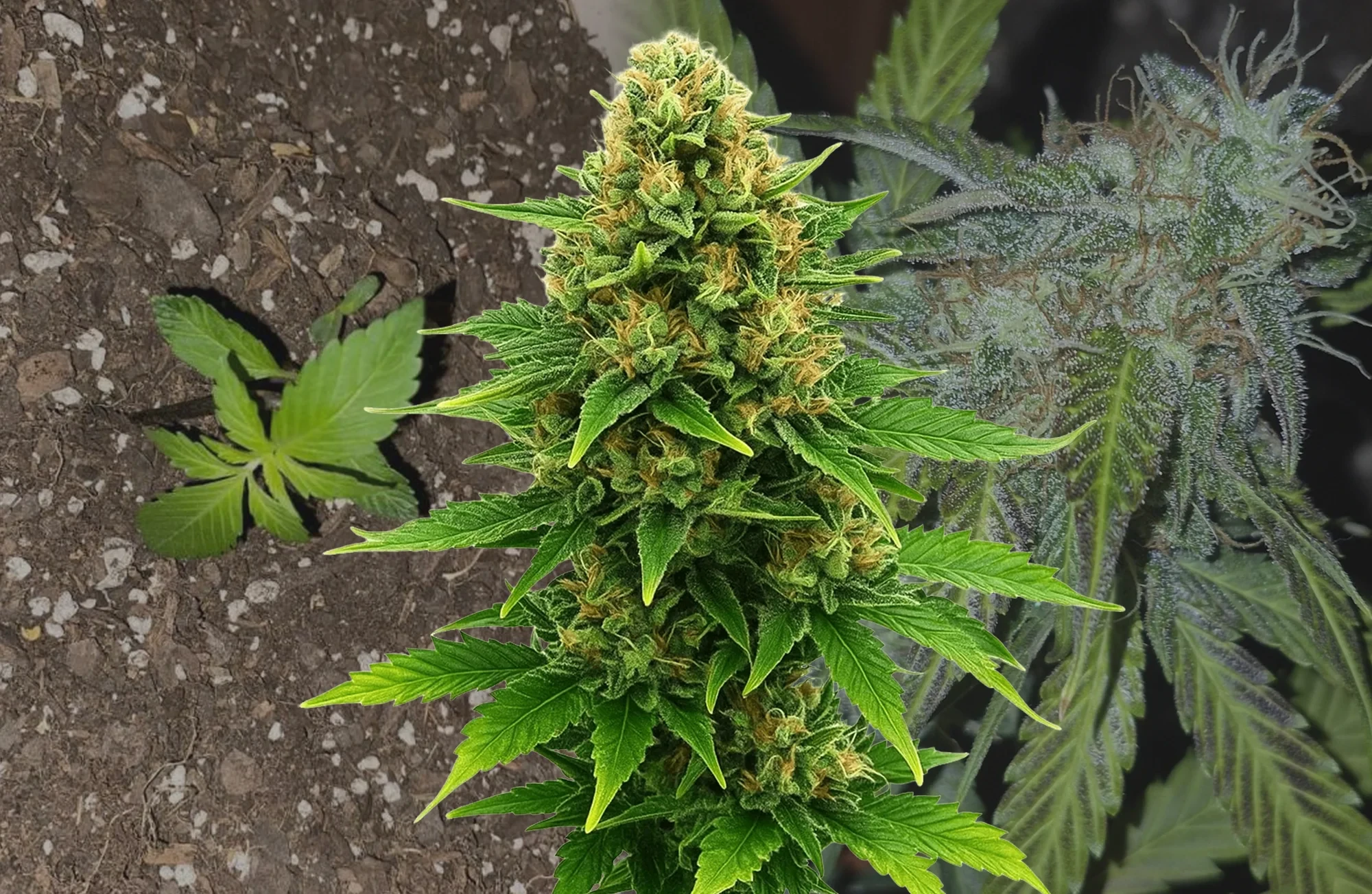


If you've ever stared at your buds and thought, "Is it time?", welcome to the club. Harvest timing is the moment where months of care turn into taste, potency, and pride.
In this visual guide, we'll show you exactly when to harvest using the same methods we use in our own test tents and fields.
We'll read trichomes, cross-check pistils, and factor in strain and environment, so you don't leave THC on the table or push your tops into sleepy-time CBN land. Watch the plant, not the calendar.
And let's get you to that sweet spot.
Key Takeaways
- Decide when to harvest by reading trichomes on the calyxes: aim for mostly milky with 20–30% amber for a balanced, high-THC finish, and adjust the ratio to match desired effects.
- Use a 30x–60x jeweler’s loupe or microscope and sample multiple buds across the plant; don’t judge by sugar leaves or a single cola.
- Pistils are a quick check—harvest nears when 50–70% have darkened and curled—but always confirm with trichomes for accuracy.
- Harvesting too early reduces potency and terpene expression, while going too late shifts THC to CBN and raises mould risk; choose timing based on your effect goals and local conditions.
- Strain genetics and environment shift the harvest window, so monitor trichomes daily and consider staggered cuts (tops first, lowers later).
- For maximum terpenes post-harvest, chop before lights on/sunrise, then slow-dry at about 60°F and 55–60% RH and cure for 3–4 weeks.
Why Harvest Timing is the Most Critical Decision You'll Make
The Cost of Harvesting Too Early: Low Potency and Weak flavour
Pull the trigger too soon and you'll get buds that look the part but hit like decaf.
When trichomes are mostly clear, cannabinoids and terpenes are still developing, which translates to thinner flavour, harsher smoke, and lightweight effects.
We've tested "impatient" cuts in-house; buds harvested when only 40–60% of pistils had darkened consistently came back with lower potency and flatter terpene expression.
Translation: you'll miss peak THC if you don't wait for that clear-to-cloudy shift.
The Risk of Harvesting Too Late: From Potent High to Potent Sedative
On the flip side, going long can fade your fireworks. As trichomes turn amber, THC oxidizes and converts to CBN. That's your heavy-eyed, couch-lock vibe.
If that's your goal, sure, but let it ride too far and you also risk bud rot, fox-tailing under heat stress, or weather damage outdoors.
We've watched beautiful late-October colas get ambushed by a damp week—heartbreaking stuff. Timing isn't just chemistry: it's risk management.
How to Harvest for Your Desired Effect: Targeting THC vs. CBN
Mostly milky/cloudy trichomes = peak THC, brighter/euphoric effects. Great for daytime, creative sessions, and "let's-clean-the-garage" motivation.
Milky with a slice of amber (think 20–30%) = balanced body-and-mind. Euphoric with a comfy landing.
Higher amber shares = heavier, sedative, medical-nighttime territory. Perfect for pain relief and deep chill.
Choose your lane, then harvest to match it. That's the pro move.
The Gold Standard: Reading Trichomes Like a Pro
If you only master one technique, make it this. Trichomes are your plant's dashboard—tiny resin glands that go from clear to milky to amber as cannabinoids mature.
Your Essential Tool: Using a Jeweler's Loupe or Microscope
You'll need a 30x–60x jeweler's loupe (budget-friendly and effective) or a USB/digital microscope (handier if you want photos/records). Get good lighting and steady hands. Check trichomes on top, mid, and inner buds; sugar leaves can read "older" than the calyxes, so prioritize trichomes on the actual bud surface.
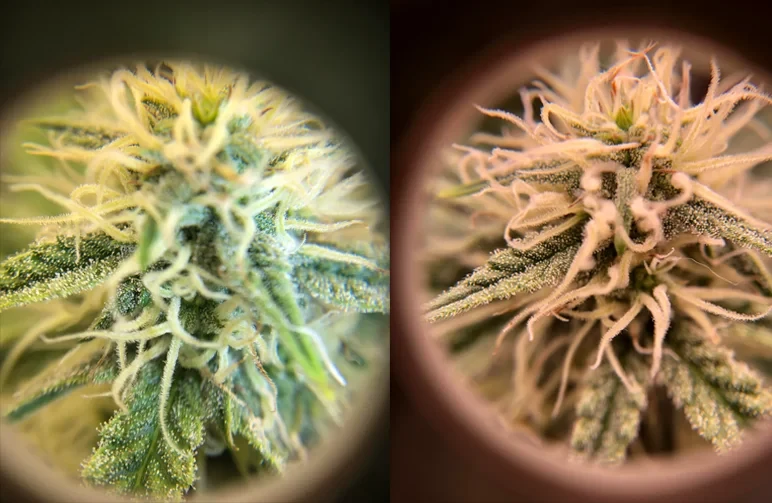
Pro Tip: Turn off the grow light and use a neutral flashlight. Pink/blurple LEDs can skew colour perception.
The 3 Stages of Trichome colour (With Pictures)
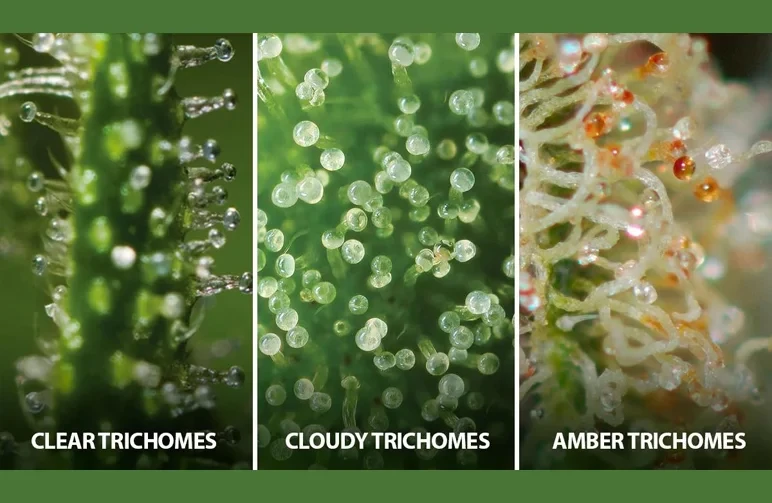
(Image Credit: u/DrewsPops via Reddit)
Stage 1: Clear Trichomes (Not Ready)
Glassy and see-through. Not ready. Cannabinoid production hasn't peaked.
Stage 2: Milky/Cloudy Trichomes (Peak THC - The Sweet Spot)
Opaque and frosted. This is peak THC territory, and the terpenes are singing.
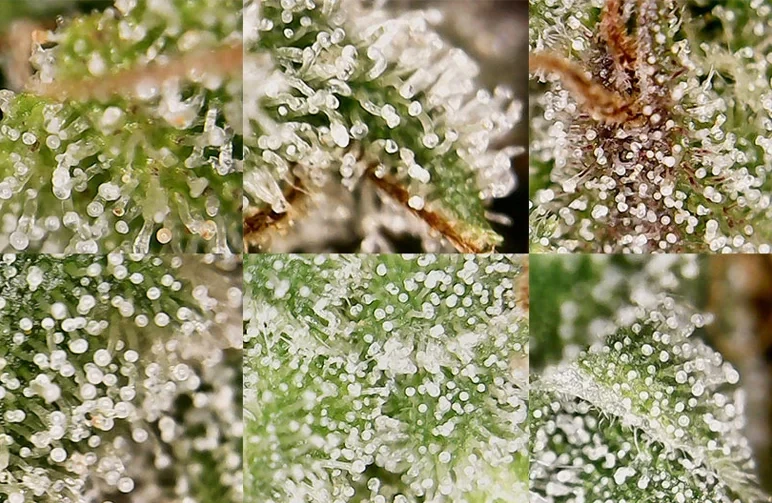
Stage 3: Amber Trichomes (THC Converting to CBN)
A honeyed tint. THC is converting to CBN, creating a more sedative, less "sparky" effect.
Finding Your Perfect Ratio for a Custom High
Our go-to for all-around fire is about 70–80% milky with 20–30% amber. We'll lean milkier for uplifting cultivars (zesty sativas, lime-forward hybrids) and allow a bit more amber for indica-leaning, sleepy couch-huggers.
Keep notes per strain: phenos vary. Once you find the ratio that matches your ideal effect, lock it in for future runs.
The Quick Check: Using the Pistil Method
When you're on the fly or don't have a loupe, pistils can still guide you.
What Are Pistils?
They're the tiny hairs shooting out of your buds, part of the flower's reproductive structure. Young pistils are bright white and stick straight out; with age, they darken and curl inward.
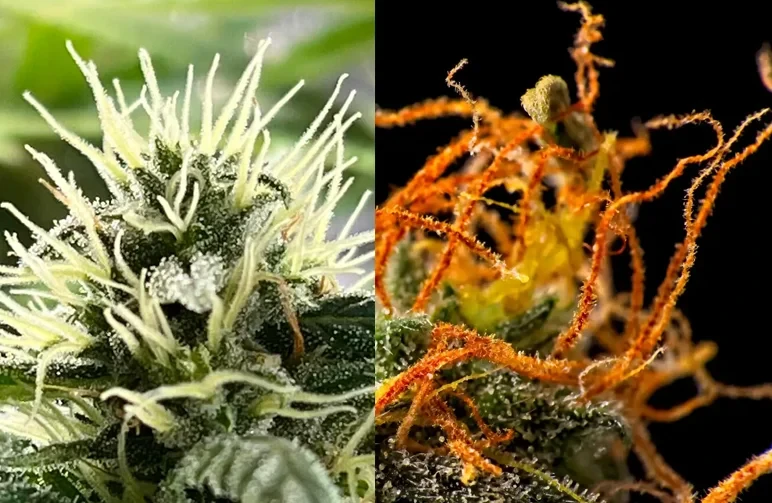
The 50-70% Rule: What Darkening Pistils Tell You
A loose but useful cue: when 50–70% of pistils have darkened, THC is typically around its high point. As the majority darken to orange/brown and curl in, you're getting close.
Why Trichomes Always Beat Pistils for Accuracy
Remember, pistils are a quick check, not gospel. They can be fooled by heat, wind, or pollination. We always confirm with the trichome method before we chop.
3 Supporting Clues Your Plant is Ready for Harvest
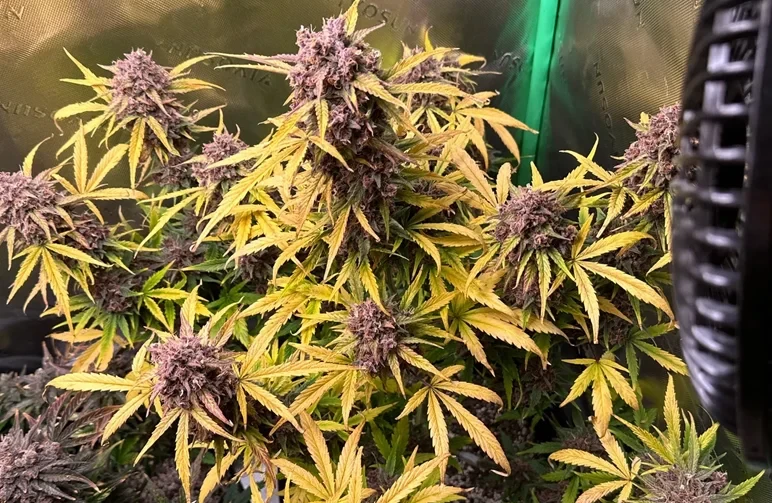
Leaf Discolouration: The "Fade" is a Good Sign
Late in flower, big fan leaves often yellow as the plant cannibalizes stored nutrients. That fade, especially on nitrogen, can be perfectly normal. Don't panic and overfeed this late: it's a sign she's wrapping up.
Leaf Curling & Water Intake
A gentle droop or canoeing at the very end can simply mean she's nearing the finish line. Rule out environmental stress (heat, wind, VPD issues) first.
If conditions are solid and trichomes read ready, the "end-of-life slump" is a green light.
Bud Density & Firmness Test
Ripe buds feel dense and springy—not airy popcorn, not rock-hard foxtails. Squeeze lightly between thumb and forefinger: it should push back a bit and hold shape.
Dense calyx stacking plus curled, dark pistils and milky trichomes? You're there.
How Your Strain and Environment Affect Harvest Time
Timelines by Strain: Indica, Sativa, and Autoflower
- Indica-dominant: commonly finish ~8 weeks after flower initiation.
- Sativa-leaning: 10+ weeks is normal, sometimes more for classic haze lines.
- Autoflowers: typically 8–12 weeks from seed to harvest. Watch trichomes, not the seed pack promise; some phenos run long, others sprint.
Indoor vs. Outdoor Harvest Schedules
Indoor: Learning how to grow weed indoors provides a stable environment. Temps (20 °C–25 °C) and dialed RH (45–55% late flower) help buds ripen evenly. Less weather drama = tighter harvest windows.
Outdoor: Sun angle, latitude, and weather swings matter. A rainy, cool week can force an earlier chop to dodge mould; heat waves can accelerate ripening or trigger foxtails. Have your loupe ready and a plan B for storms.
Your Step-by-Step Harvest Day Plan for Maximum Quality
The Best Time of Day to Chop for Peak Terpenes
Chop before the lights come on (indoors) or right before sunrise (outdoors). Overnight, plants accumulate aromatics; daytime metabolism burns some off. Early harvest captures louder terps and cleaner flavour post-cure.
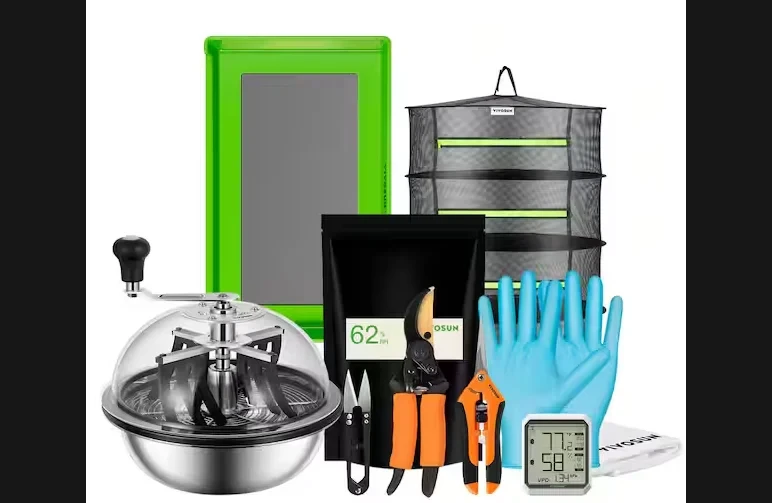
Your Harvesting Toolkit (Checklist)
tion
| Tool | Purpose |
|---|---|
| Jeweler's Loupe (30x–60x) | For the final, definitive trichome inspection. |
| Clean Pruning Shears | Two pairs: one for thick stems, one for fine trim work. |
| Isopropyl Alcohol & Wipes | To keep tools clean from sticky resin. |
| Nitrile Gloves | Keeps your hands clean and protects trichomes. |
| Drying Racks or Lines | To hang branches in a controlled environment. |
| Labels & Markers | To track strain, phenotype, and harvest date. |
| Hygrometer | Crucial for monitoring your drying space (aim for 60°F & 60% RH). |
The 3-Step Harvest Technique: Cut, Hang, and Trim
Prep and Pre-Check: Confirm your target trichome ratio on multiple buds. Kill the lights, set up your trim zone, and sanitize your tools.
Cut and Hang: Remove large fan leaves to improve airflow. Cut branches instead of individual buds—it slows the drying process and protects trichomes. Hang in a dark space at 60°F and 55–60% RH with gentle air exchange.
Trim and Cure: After 7–14 days (stems should snap, not bend), dry trim for precision. Jar your buds at ~62% RH, burping daily for the first week. Cure for a minimum of 3–4 weeks. Terps blossom and harshness fades. Don't rush the finish line.
Conclusion: Patience and Observation Lead to Perfection
Perfect harvest timing isn't mystical, it's observable. Read your trichomes, sanity-check with pistils, and weigh secondary signs. Slide your trichome ratio to match the effect you actually want, and be mindful of genetics and environment.
Do that, and your jars will tell the story: louder aroma, cleaner burn, and stronger, more dialed-in effects.
Frequently Asked Questions (FAQ)
What do trichomes look like when ready to harvest?
Milky/cloudy with a sprinkle of amber is the classic "ready" signal. Aim for mostly milky for energetic effects; invite 20–30% amber if you like a heavier, body-forward finish.
Is it better to harvest cannabis too early or too late?
Neither, but if forced, slightly late tends to be more usable than too early. Early cuts are weak and harsh; late cuts lean sedative but are still potent. The best answer: hit your target ratio and skip the compromise.
Can you harvest the top buds of a plant first?
Yes, and we often do. Tops ripen under stronger light, while lower branches can trail by a week or two. Take the mature colas, then let the lowers finish. Keep monitoring trichomes on each zone.
How long does the ideal harvest window last?
Generally 3–10 days, depending on phenotype and environment. Warmer rooms can compress that window; cooler, stable conditions can stretch it. Check daily—trichomes don't send calendar invites.