

We've run outdoor grows in deer alleys, gnat havens, and wind tunnels, and kept flowers pristine without nuking the ecosystem.
This guide to organic pest and animal control for outdoor cannabis is our distilled playbook: preventative moves, fast ID, and clean remedies that actually work. No silver bullets.
Just IPM discipline, smart habitat design, and a few sharp tools you can trust. Let's armor up your garden so you can stay focused on resin, not rescue missions.
Key Takeaways
- Organic pest & animal control for outdoor cannabis relies primarily on Prevention through healthy soil, resilient genetics, and strategic garden design.
- Proper plant spacing, good airflow, and correct watering are your first defense against common infestations like mites, aphids, and fungus gnats.
- Identify pests early—such as spider mites, caterpillars, and root aphids—to apply targeted organic remedies before populations explode.
- Utilize physical barriers and natural deterrents like fencing, motion sprinklers, and scent repellents to protect plants from deer, rabbits, and rodents.
- Employ beneficial insects and companion planting to create a balanced, self-regulating ecosystem that suppresses pests naturally.
- Implement Integrated Pest Management (IPM) by monitoring regularly, acting decisively but minimally, and protecting beneficial species for long-term garden health.
The Foundation: Why Prevention is 90% of the Battle
Start with Bulletproof Genetics and Living Soil
Strong plants don't just survive; they resist. The foundation is living soil, rich with compost, worm castings, and quality aeration to support a thriving root system. Aim to keep your soil pH in the sweet spot, around 6.3–6.8.
Just as crucial are your genetics. Choose resilient strains known for vigor and mould resistance. Look for genetics from proven breeders with a reputation for stable, pest-resistant stock.
Reputable seedbanks often provide detailed lineage and grower feedback that can help you select a strain well-suited to your climate's challenges.
Harnessing Sun, Wind, and Space for Plant Defense
Pick sun, not swamp. Your plants need full-day light with a steady breeze to dry leaves fast, discouraging mould, mites, and whiteflies.
These foundational choices are part of a successful cultivation strategy, which is why our main guide on how to grow weed outdoors emphasizes proper site selection and plant spacing from day one.
Give each plant its own territory by spacing them 3–5 feet apart.
Prune the lower branches and dense inner growth to create an open structure and avoid any dead-air corners. Good airflow is a free, constant pest deterrent.
Smart Watering and Feeding: Don't Invite Pests to Dinner
Overwatering is a welcome mat for fungus gnats, root aphids, and rot. Water deeply and thoroughly, then wait until the top inch or two of soil is completely dry before watering again.
Don't overfeed, either; excess nitrogen creates soft, weak growth that acts as a magnet for aphids. Apply a layer of mulch to stabilize soil moisture and brew mild compost teas to boost the beneficial microbes that protect your roots.
Know Your Enemy: A Visual Guide to Common Cannabis Pests
Common Pests at a Glance
| Pest | Telltale Signs | Quick Organic Solution |
|---|---|---|
| Spider Mites | Fine webbing, tiny white/yellow dots under leaves | Neem oil spray, release predatory mites |
| Aphids | Clusters on new growth, sticky "honeydew" | Insecticidal soap, release ladybugs |
| Caterpillars | Holes in buds, dark frass (poop) | Weekly spray of Bt (Bacillus thuringiensis) |
| Fungus Gnats | Small, black flies hovering over soil | Let soil dry out, apply beneficial nematodes |
| Deer | Clean, torn bites on upper growth; tracks | 8 ft. fencing, motion-activated sprinklers |
Sap-Sucking Insects: The Tiny Terrors
They tap your plant's plumbing, leaving stippling, curled leaves, and sticky honeydew. Look under the leaves with a jeweler's loupe for the best view. Early action is easy; late action is messy.
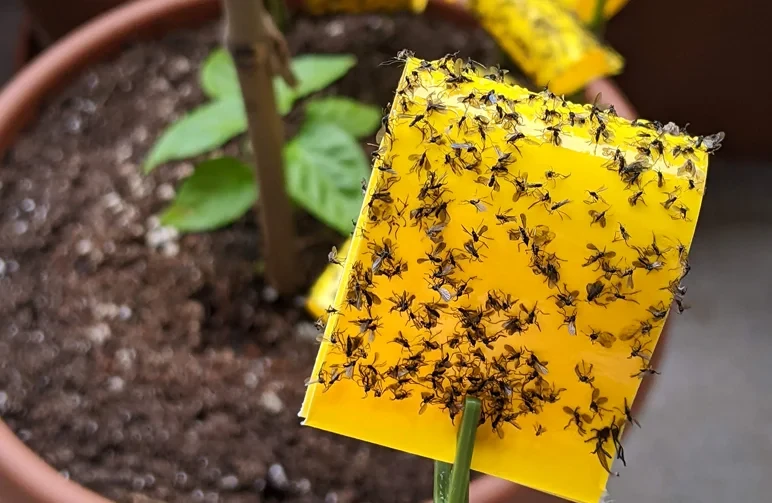
Yellow sticky cards will help you monitor and confirm flighty species.
Spider Mites: Recognizing the Telltale Webbing
You'll see speckled leaves and fine, silky webbing between veins, especially in hot, dry conditions. Shake a suspect leaf over a piece of white paper—if you see tiny dots moving, you have mites.
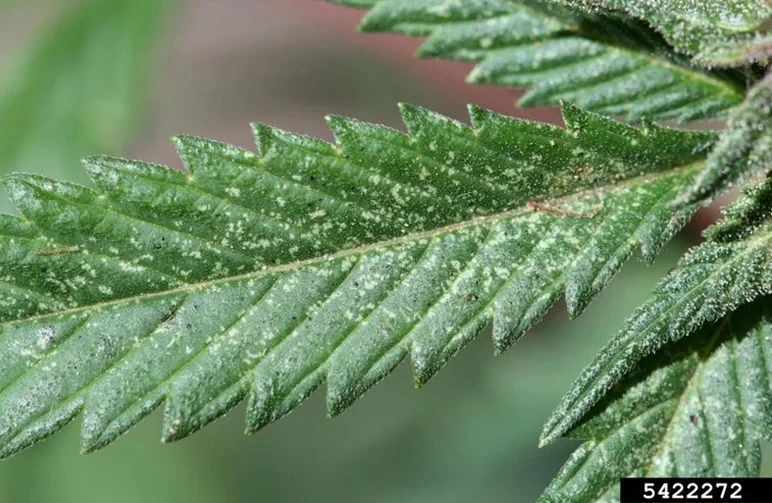
Act fast: their populations explode in temperatures above 85°F with low humidity.
Aphids: Colonies on Your Stems and Leaves
These are soft-bodied insects that form clusters on new growth and stems. They leave behind a shiny, sticky waste called honeydew, which is often farmed by ants.
Smash them on sight, rinse the plant with a sharp jet of water, then deploy ladybugs or lacewings and follow up with insecticidal soap.
Whiteflies: Tiny Moths That Swarm When Disturbed
Brush a branch and a cloud of tiny white insects lifts off. Check the undersides of leaves for their almost-invisible nymph scales. Yellow sticky cards are your best early alarm system.
Soaps and oils can handle light populations effectively.
Leaf-Chewing Pests: The Voracious Vandals
These culprits leave obvious clues: bites, ragged edges, and frass (poop). A night check with a flashlight will often catch them in the act. Handpicking them off is surprisingly effective and satisfying.
Caterpillars & Inchworms: The Bud Destroyers
Public enemy No. 1 for outdoor growers. They bore directly into your best colas and cause them to rot from within.
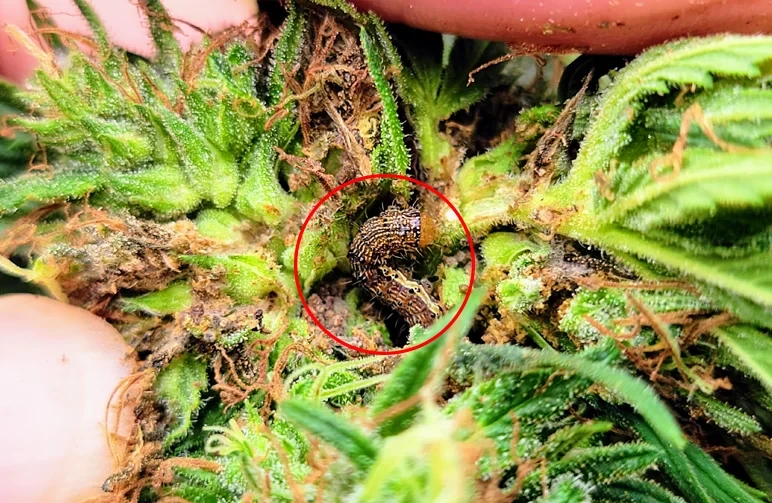
Your best defense is a weekly preventative spray of Bt (Bacillus thuringiensis kurstaki) during vegetative and early flowering stages. Inspect buds often and mercilessly.
Grasshoppers: Large Bites and Ragged Edges
They leave random, shotgun-like damage on leaves, especially in dry, hot climates. Protect young plants with row covers, use neem oil on foliage as a deterrent, and keep the surrounding grass mowed to reduce their habitat.
Slugs & Snails: Slime Trails and Munched Leaves
The classic silver slime trail is a dead giveaway. Trap them with shallow dishes of beer, use iron phosphate bait (safe for wildlife), and ring plant stems with copper tape.
Water in the morning so the soil surface is dry by nightfall, which discourages their nightly parties.
Root Zone Intruders: Trouble Below the Surface
You'll notice top growth stalling or yellowing while your water usage seems off. Check for larvae in the top inch of soil. Healthy, airy soil with excellent drainage is your first and best shield.
Fungus Gnats: Small Flies and Unhealthy Roots
Adults are small flies that hover at the soil line, but it's their larvae that do the damage, chewing on delicate root hairs.
Let your soil dry out thoroughly between waterings, top-dress with a half-inch of sand or diatomaceous earth, set out yellow sticky cards, and drench the soil with beneficial nematodes.
Root Aphids: The Unseen Threat
Symptoms include stunted plants, yellowing (chlorosis), and a sticky root zone. You may see winged adults near the base of the plant. Confirm the infestation by inspecting the roots for tiny aphids.
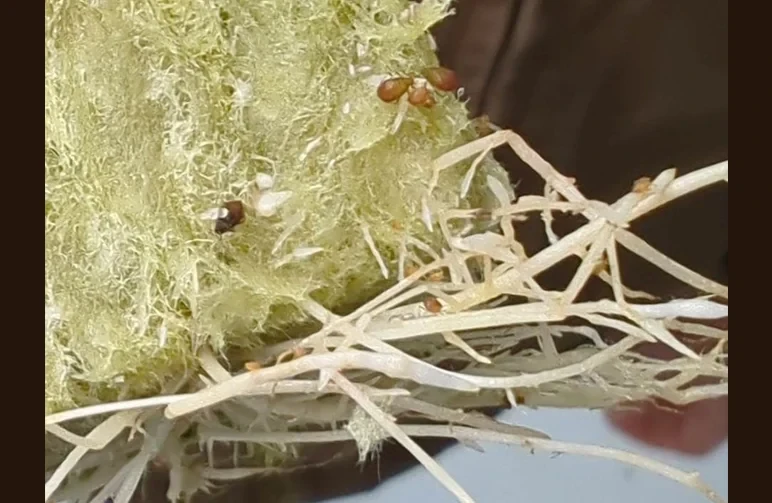
Beneficial nematodes and specific botanical soil drenches are the answer here; in severe cases, you may need to re-pot into fresh soil.
Keeping Four-Legged Foes at Bay: Natural Animal Deterrents
Deer: The Most Common Large Pest
They'll treat your plants like a personal salad bar, neatly topping them overnight. The only surefire solution is a physical barrier: use 8 ft tall fencing.
Less permanent options include a perimeter of fishing line at multiple heights or motion-activated sprinklers. Strong scents also deter them: hang sachets of garlic, rosemary, or even human hair around your garden.
Rabbits, Gophers, and Groundhogs: The Burrowers and Nibblers
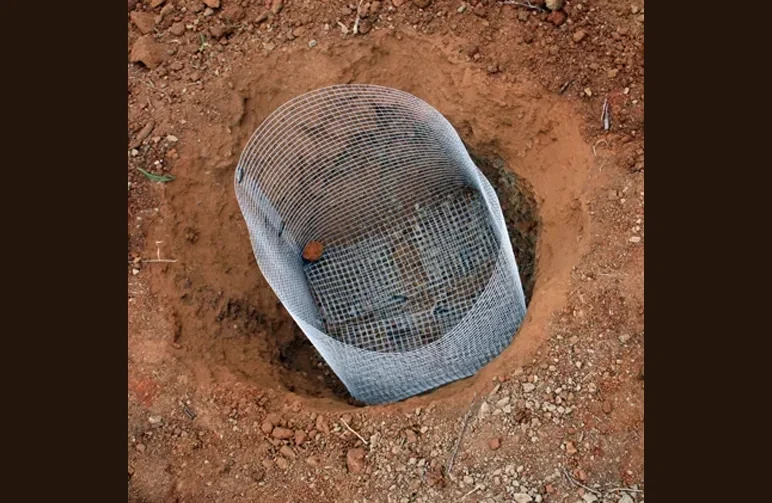
Hardware cloth baskets (gopher baskets) are a root-saver. Bury them 18–24 inches deep and flare the top edge outward. For raised beds, lining the bottom with 1/2-inch mesh will stop any tunnelers cold.
Squirrels, Rats, and Mice: The Gnawing Nuisances
Don't create a welcoming habitat. Secure compost piles and bird feeders, and remove cozy shelters like woodpiles near your grow.
Use chew-proof trunk guards on young plants, set snap traps outside your immediate grow zone, and deploy sachets soaked in peppermint oil.
Protecting Your Plants from Birds
Birds are mostly allies, eating caterpillars and other pests, but they can peck at seedlings. Protect young plants by draping lightweight bird netting over simple hoops.
Strips of reflective tape that flash in the sun can also keep them at a distance. Never use sticky traps where birds are active.
Your Organic Arsenal: Proactive and Reactive Natural Solutions
Beneficial Insects: Nature's Pest Control Squad
Release these allies only when pests are present and conditions are right.
Water your garden beforehand, release them near dusk to encourage them to stay, and avoid spraying any oils or soaps for a few days before and after release.
Ladybugs: The Aphid Annihilators
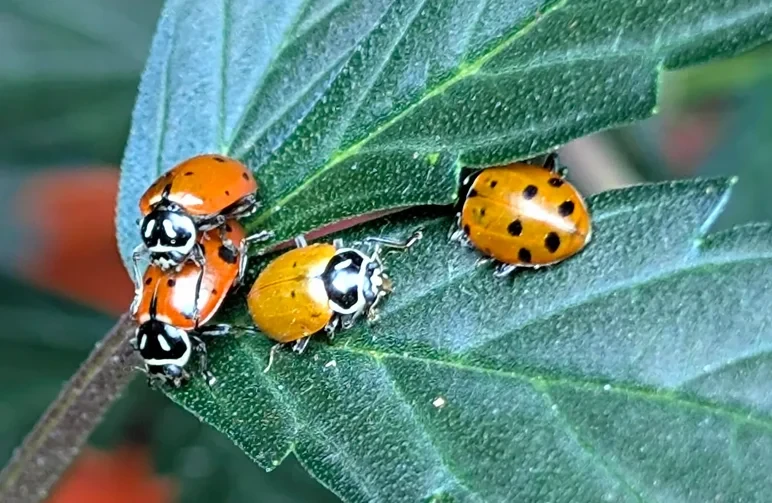
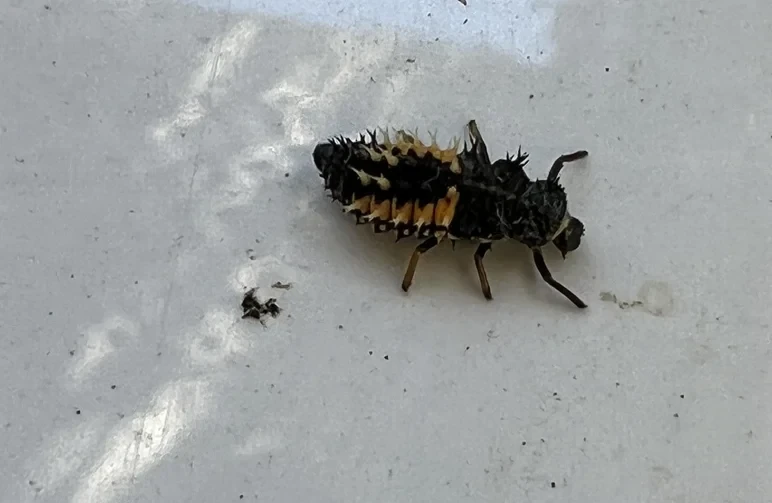
The adults are good snackers, but the alligator-like larvae are voracious predators. They are great for knocking down a hotspot of aphids.
Praying Mantises: General Predators for Your Garden
These are cool, all-purpose hunters, but they are indiscriminate, eating both pests and beneficials. Think of them as garden security guards who maintain general balance, not a targeted solution for a specific mite infestation.
Green Lacewings: Voracious Larvae for Small Pests
The larvae (often called "aphid lions") are one of your best weapons, crushing aphids, whiteflies, and mite eggs. Their eggs ship well and they work alongside other beneficials without drama.
For targeted control, lacewings are often a better investment than ladybugs. [Link to a university extension page on lacewings for more information].
Companion Planting: The Power of Plant Partnerships
Use a "push-pull" strategy: repel pests near your cannabis while attracting predators and pollinators a few feet away. Stagger plantings so you have something blooming throughout the entire season.
Marigolds: Repelling Nematodes and Other Pests
French Marigolds planted as a border can deter root-knot nematodes in the soil below and can also distract pests like aphids.
Basil: A Natural Deterrent for Flies and Thrips
Its strong, pleasant aroma confuses many pests. Interplant basil among your cannabis pots and pinch it often to keep the aromatic oils pumping. Plus, you can use the harvest in your kitchen.
Garlic: A Pungent Protector Against Numerous Pests
Plant garlic cloves around the edges of your beds or pots. Its pungent smell repels deer, aphids, and more. You can also brew it into a foliar spray for an extra layer of protection.
DIY Natural Pesticide Sprays: Safe and Effective Recipes
Pro-Tip: Always Spray at Dusk.
Spraying in the evening or on an overcast day prevents leaf burn and protects beneficial pollinators like bees, which are inactive at night.Always spot-test a small area on one leaf and wait 24 hours before treating the entire plant.
Neem Oil: The All-in-One Fungicide and Insecticide
Emulsify 1–2 tsp of cold-pressed, 100% pure neem oil with a few drops of a true liquid soap (like Dr. Bronner's) into a quart of warm water. It disrupts the lifecycle of mites, aphids, and whiteflies.
Avoid using it within the last 3-4 weeks of flower to protect the final taste of your buds.
Garlic and Pepper Spray: A Potent Repellent
Blend 1 full head of garlic and 1 tsp of cayenne pepper powder in a quart of water. Let it steep for 24 hours, strain it well through cheesecloth, then add a drop of soap to help it stick.
This repels deer, beetles, and many soft-bodied pests.
Insecticidal Soap: A Simple Solution for Soft-Bodied Insects
Use a commercial, OMRI-listed product or make your own (1-2 tsp of true soap per quart of water). You must coat the pests thoroughly, especially on the undersides of leaves, as it only works on direct contact.
Repeat every 3–4 days until the population crashes.
Integrated Pest Management (IPM): A Holistic Approach
The Core Principles of IPM
Prevent first, monitor always, and act minimally but decisively. Favor biological and cultural controls over sprays. Escalate your response only as needed, and always act to protect the beneficial insects in your garden.
Document everything—your logbook is your superpower for tracking trends year after year.
Creating a Weekly Inspection Routine
Set a time each week, plus a quick midweek glance. Get up close with a loupe and inspect leaves (tops and undersides), stems, the soil surface, and all new growth.
Beat-test branches over white paper to reveal tiny pests, swap out your sticky cards, and make a note of any hotspots.
Knowing When and How to Intervene
Thresholds matter. See one mite? You can simply rinse it off and release some predators. See webbing starting to form? It's time for a rotation of soap/oil sprays plus a larger predator release.
Avoid all heavy sprays within the last 2–3 weeks of harvest; at that point, it's better to prune out any damaged areas.
Troubleshooting: Quick Action Guide
Identifying Nutrient Deficiencies vs. Pest Damage
Nutrient deficiencies usually appear symmetrically on the plant and follow predictable patterns (e.g., yellowing from the bottom up).
Pest damage is patchy and random, and is almost always accompanied by physical evidence: frass, webbing, honeydew, or the pests themselves. If in doubt, loupe first, feed later.
Dealing with a Severe Infestation
If a plant is heavily infested, quarantine it immediately if possible. Prune off the most damaged areas hard. Scrape off the top inch of soil and replace it.
For a foliar infestation, start a rotation of sprays: insecticidal soap, then 3 days later neem oil. For root pests, drench with beneficial nematodes.
Once the population is knocked down, re-release predators to clean up the survivors.
Organic Pest & Animal Control FAQs for Outdoor Cannabis
Why is prevention the most important step in organic pest control for outdoor cannabis?
Prevention builds plant resilience through healthy soil, strong genetics, proper location, and correct watering and nutrients, minimizing pest pressures and drastically reducing the need for reactive interventions.
What are the most common pests affecting outdoor cannabis and how can I identify them?
Common pests include sap-suckers like aphids and spider mites (identified by webbing), leaf-chewers like caterpillars (identified by frass and holes), and root pests like fungus gnats.
Identification involves visual checks, looking under leaves, and using tools like sticky traps and loupes.
How do beneficial insects help in controlling cannabis pests organically?
Beneficial insects such as ladybugs, lacewings, and predatory mites are natural predators that hunt and eat pests like aphids and spider mites.
They reduce pest populations without chemicals, supporting a balanced and self-regulating garden ecosystem.
What organic sprays are safe and effective for managing outdoor cannabis pests?
Neem oil, Bt (Bacillus thuringiensis), and insecticidal soaps are effective, low-impact organic options.
They target specific pests like mites, caterpillars, and soft-bodied insects while preserving beneficial organisms when used correctly—preferably at dusk.
How can I protect my outdoor cannabis from animals like deer without harmful chemicals?
Use physical barriers like 8 ft fencing and hardware cloth root baskets.
Employ deterrents that work on scent and sound, such as garlic sachets, peppermint oil, or motion-activated sprinklers, to repel deer and burrowing animals naturally.
What is Integrated Pest Management (IPM) and how does it apply to outdoor cannabis?
IPM is a sustainable strategy that combines prevention (a healthy garden), regular monitoring (weekly inspections), and selective, minimal interventions.
It prioritizes cultural controls and beneficial insects first, escalating to organic sprays only when a specific threshold is crossed, protecting both your plants and the environment.