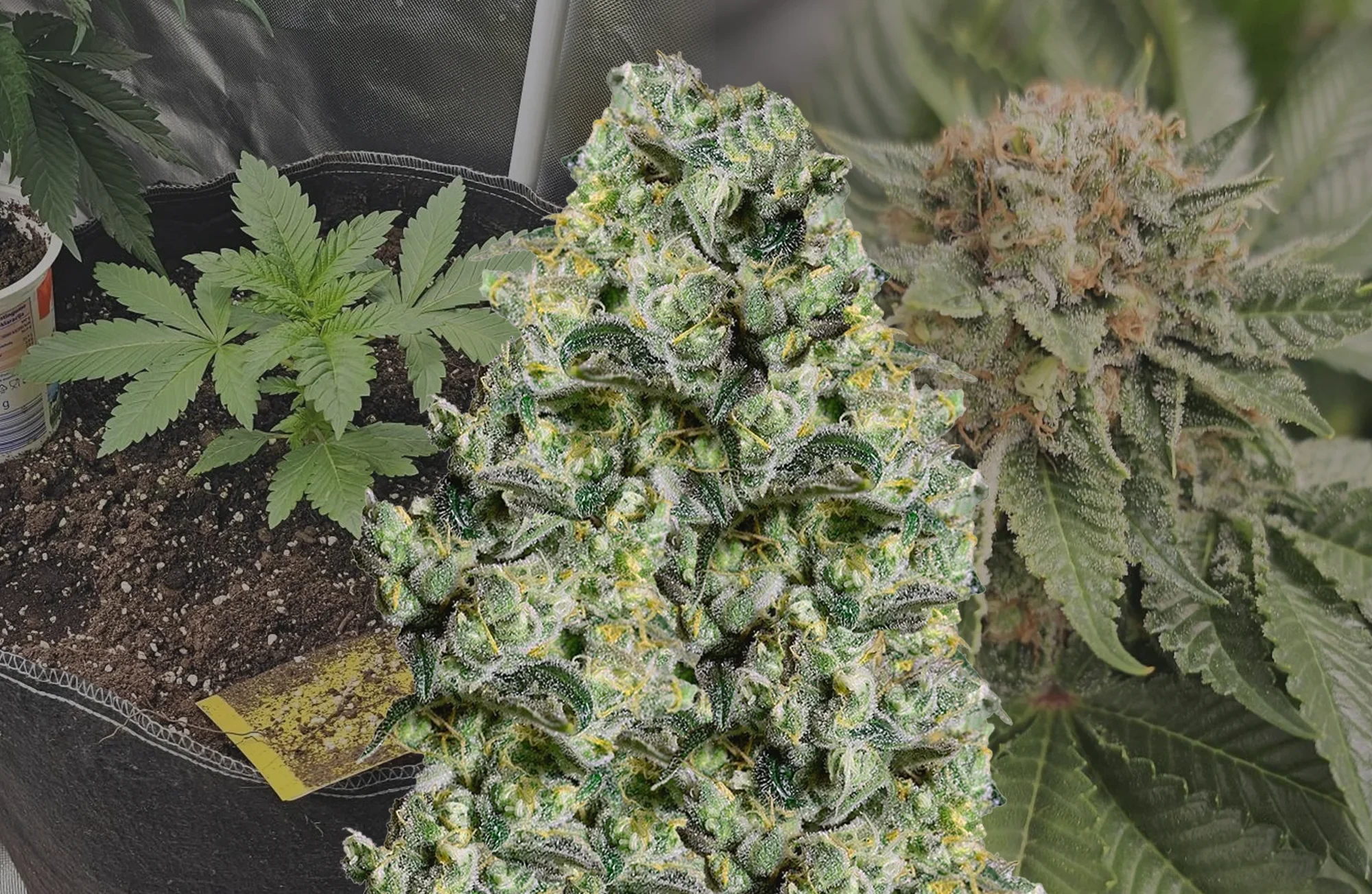


We've run hydro rooms since dial‑up internet and ballast hums were the soundtrack of the scene. When it's tuned, hydro is a rocket ship, clean, precise, and outrageously productive.
When it's not, plants let you know fast. This guide is our lab‑tested blueprint for how to grow cannabis hydroponically the smart way: the gear that matters, the numbers that keep roots happy, and the pitfalls that nuke yields.
Whether you're jumping from soil to coco, or building your first DWC bucket, we've got you. Quick note: laws vary, only grow where it's legal.
If you're hunting reliable genetics to maximize hydro's speed and vigor, we hand‑select and ship worldwide from Amsterdam with support baked in. Let's build you a system that slaps, then keep it steady from seed to sticky cure.
Key Takeaways
- Growing cannabis hydroponically accelerates growth by 10–30% and boosts yields with precise nutrient and pH control.
- Maintaining pH between 5.5 and 6.5 and water temperature around 20 °C is crucial for healthy cannabis roots in hydroponic systems.
- Deep Water Culture (DWC) is the best beginner-friendly hydroponic setup, offering simplicity, scalability, and effective root oxygenation.
- Regular monitoring with pH meters and EC/PPM testers enables fine nutrient adjustments, preventing nutrient burn and lockout.
- Prevent common hydroponic problems like root rot and algae by ensuring clean, light-tight reservoirs, strong aeration, and stable conditions.
- Starting simple and scaling with quality genetics and equipment ensures a successful hydroponic cannabis grow from seed to harvest.
Why Grow Weed Hydroponically? (Pros & Cons)
The Benefits: Faster Growth and Massive Yields
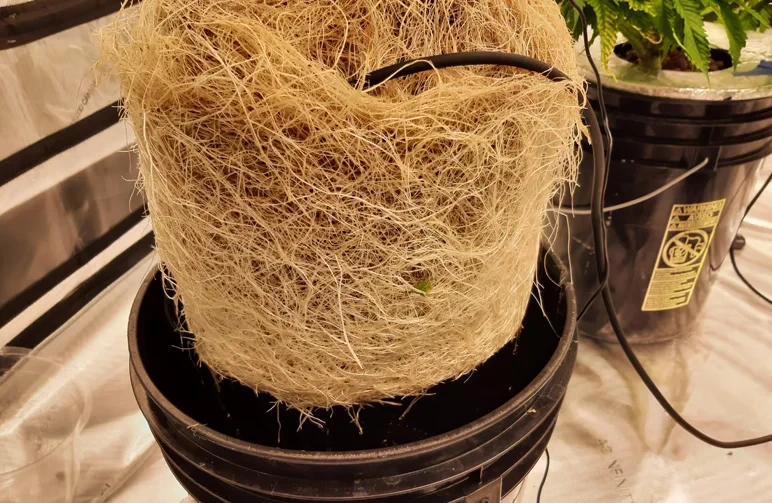
Hydro feeds roots a perfectly oxygenated nutrient solution. Result: faster veg, earlier flower set, fatter colas. In our rooms, like‑for‑like genetics run 10–30% quicker with higher grams per watt than soil when dialed.
Cleaner workspace, fewer fungus gnats, easy to scale indoors, what's not to love?
Complete Control Over Nutrients and pH
You're the weather. NPK ratios, EC/PPM, pH, and water temp are all adjustable in real time. Keep pH in range (5.5–6.5) and match EC to plant demand, and hydro becomes gloriously predictable.
Plants respond within hours, great for optimization, clutch for troubleshooting.
The Drawbacks (What Beginners Need to Watch Out For)
Precision cuts both ways. Overfeed, drift pH, or let water run warm and plants protest fast. Initial gear costs are higher. Power failures? Air pumps stop, roots suffocate.
Mitigate with backups, timers, and discipline. Cleanliness matters, bio‑gunk and light leaks invite trouble.
Choosing the Best Hydroponic System for Beginners
Deep Water Culture (DWC) – The #1 Recommended Setup for Beginners
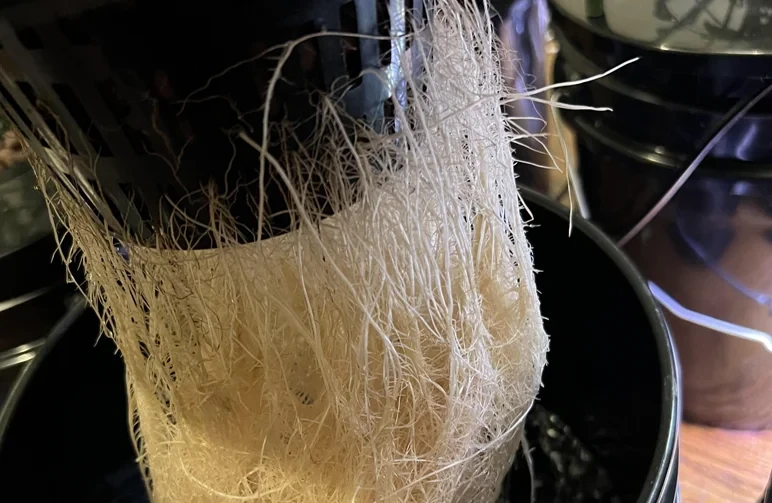
One plant, one bucket, stupidly effective. Net pot with clay pebbles sits in the lid: roots dangle into a bubbling reservoir (air pump + air stone). It's cheap, scalable, low‑plumbing, and wildly educational.
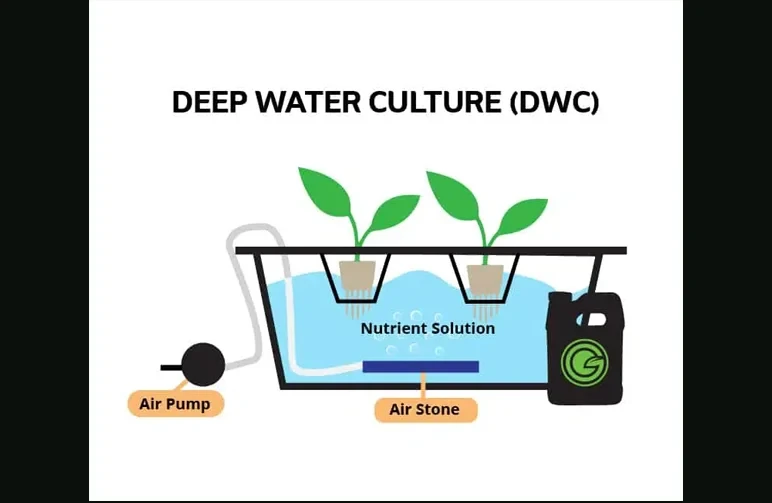
Keep water ~20 °C, strong aeration, and you're golden.
Ebb and Flow (Flood and Drain)
A tray fills from a reservoir on a timer, then drains, great for multiple plants and fast growth. Pros: even wet‑dry cycles, simple parts. Cons: more plumbing, timers, and flood height tuning.
Keep trays light‑tight and clean to dodge algae and salt crust.
Coco Coir and Perlite (The "Soilless" Transition)
Coco/perlite is hydro in a pot, hand‑watered or drip‑fed. It mimics soil handling but gives hydro speed and control. Ideal for first‑timers: forgiving, great root oxygenation, and easy pH/EC management.
Feed to 10–20% runoff, monitor EC, and avoid letting coco bone‑dry.
The Ultimate Hydroponic Equipment Checklist
Grow Tent and Climate Control (Inline Fans & Carbon Filters)
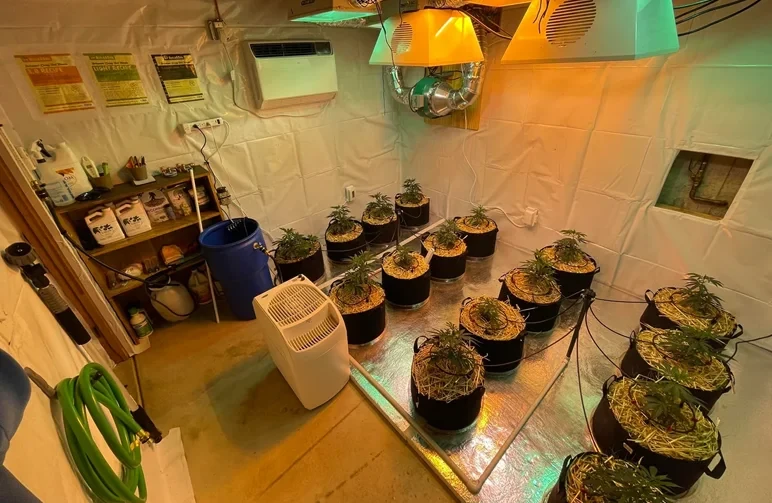
Lightproof tent (reflective, sealed), inline fan matched to tent size, carbon filter for smell, oscillating fans for canopy movement. Track temp/RH with a thermo‑hygrometer.
Targets: veg 72–80°F, 55–70% RH: flower 68–78°F, 40–55% RH. Negative pressure keeps odors locked.
Choosing the Right Grow Lights (LED vs. HPS)
LED: efficient, cooler, spectrum‑tunable, higher upfront cost, lower long‑term cost. HPS: proven bloom punch, cheaper per watt, but hot and power‑hungry. For small tents, full‑spectrum LEDs (2.5+ µmol/J) are clutch. Aim 25–40 watts/sq ft LED equivalent.
Air Pumps, Air Stones, and Net Pots
In DWC, oxygen is life. Oversize air pumps (aim 1+ LPM per liter of solution), quality air stones, and 6–8 inch net pots packed with rinsed clay pebbles. Use food‑safe reservoirs and tight lids to block light. Silicone airline tubing outlasts vinyl.
The Non-Negotiables: pH Meters and EC/PPM Testers
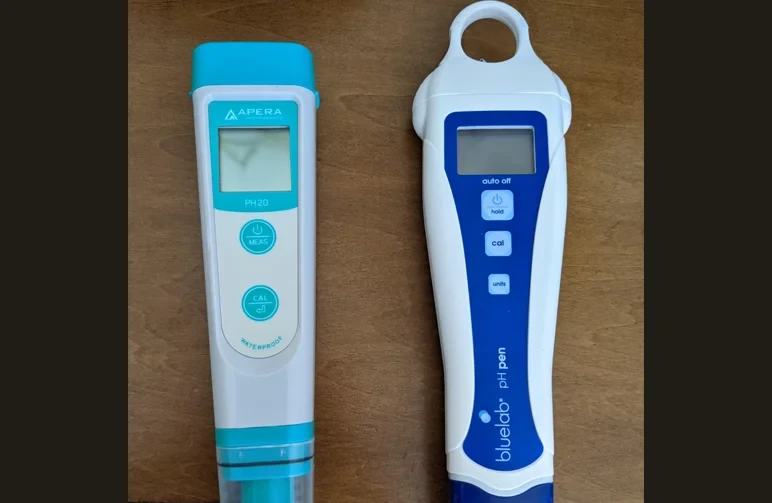
Meters aren't "nice to have", they're survival gear. Calibrate pH pens regularly, store probes wet. EC/PPM shows feed strength: pH tells you if nutrients are actually available.
Take daily readings, log trends, and adjust in small increments. Guessing costs grams.
Hydroponic Growing Media (Rockwool, Hydroton Clay Pebbles)
Rockwool cubes or foam plugs for germination and early roots, pre‑soak to ~pH 5.5. Hydroton (clay pebbles) for net pots, rinse well. Coco/perlite for drip/hand‑watered systems.
Keep media clean, light‑blocked, and never let rockwool sit submerged long‑term.
Step-by-Step Guide to Growing Cannabis Hydroponically
Step 1: Germinating Cannabis Seeds for Hydro
We pre‑soak rockwool/rapid plugs at pH ~5.5, mild Cal‑Mag if needed, then tuck seeds 0.5–0 inch deep. 75–80°F and high humidity (70–90%) gets poppage in 1–4 days. Gentle light once they crack. Avoid soaking seeds for days, 24 hours max if you pre‑soak.
Step 2: Transplanting Seedlings into Your System
Once roots peek out, drop the cube into a net pot filled with rinsed pebbles. In DWC, set water level 0.5–1 inch below the net pot so splash/humidity entice roots down. Start weak nutrients (EC 0.4–0.6) and strong bubbles. Keep gentle airflow.
Step 3: The Vegetative Stage (Lighting & Feeding Schedules)
Run 18/6 (or 20/4) light. Veg nutrients heavy on nitrogen, pH 5.8–6.0, EC ~0.8–1.2 mS/cm. Top above the 4th–6th node, LST to flatten the canopy, and consider a ScrOG for tent grows.
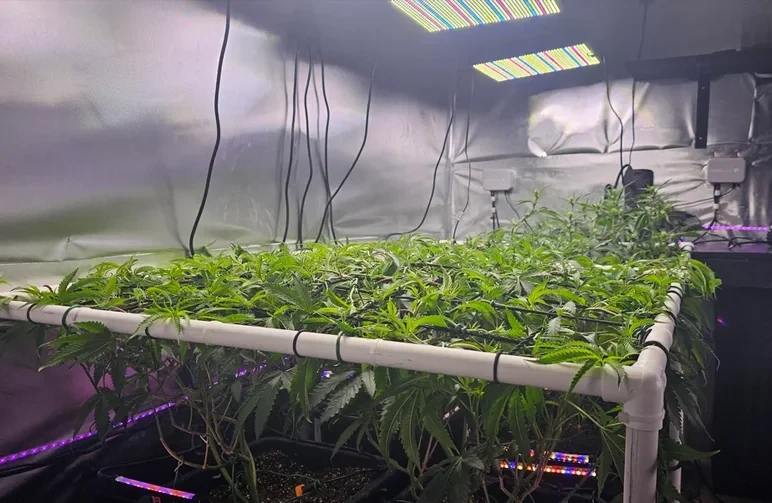
Keep VPD sane, don't crank fans so hard that leaves canoe.
Step 4: The Flowering Stage (Flipping the Light Cycle to 12/12)
Flip to 12/12 when the screen's ~70% full or plant size fits your tent math. Swap to bloom nutes (higher P & K), pH ~6.0–6.2, EC ~1.2–2.0. Lower RH to ~40–50% to avoid botrytis. Add stakes or netting: big hydro buds get heavy, fast.
Step 5: Flushing Your Cannabis Plants
7–14 days pre‑harvest, run plain, pH‑balanced water (some add light Cal‑Mag if leaves crash). Goal: reduce residual salts so the smoke's clean and ash burns soft. Watch trichomes: don't miss the window chasing a longer flush.
Step 6: Harvesting, Drying, and Curing Hydroponic Buds
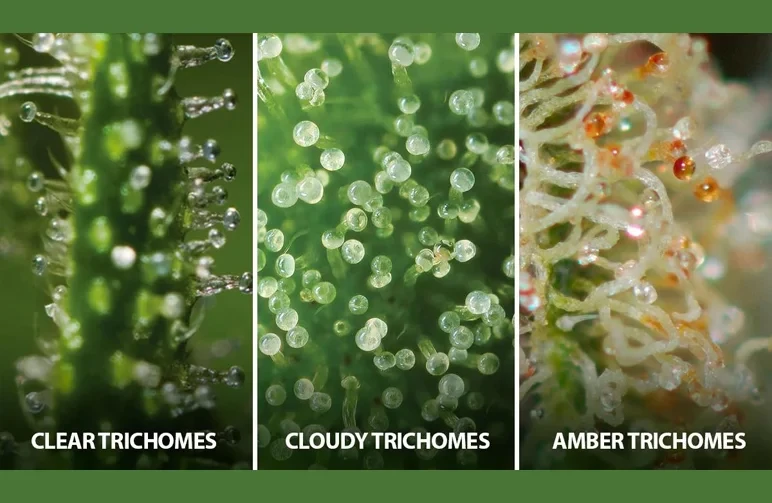
Harvest when most trichomes are cloudy with some amber. Dry 60–68°F, 50–60% RH in darkness for 7–14 days with light airflow. Trim, then cure in jars burped daily at first, then weekly.
Target a slow cure, aroma explodes, chlorophyll bite fades.
Mastering Hydroponic Nutrients and Water Quality
Understanding NPK Ratios for Veg and Bloom
Veg loves more N: bloom shifts to P & K. We run simple two/three‑part hydro lines plus Cal‑Mag. Start light, read your runoff/solution EC, and watch leaf colour and posture. Additives help, but base nutrients and stable pH win grows.
The Ideal pH Level for Hydroponic Cannabis (Highlight the 5.5 to 6.5 range)
Keep it tight: 5.5–6.5 overall. Many of us aim 5.5–5.8 in veg, ~6.0 in bloom to balance nutrient availability (Fe/Mn/Zn at lower pH, Ca/Mg slightly higher).
Let pH drift a touch within range to cover the spectrum. Wild swings? Fix immediately.
Measuring PPM and EC (Electrical Conductivity)
EC tracks nutrient strength: PPM is just a scaled EC. Typical targets: veg 0.8–1.2 mS/cm, flower 1.2–2.0. If EC rises as water drops, plants are drinking more than eating, dilute.
If EC falls, they're feeding hard, top up stronger. Log data: adjust slowly.
Maintaining the Perfect Water Reservoir Temperature
Shoot for ~20 °C. Warmer water holds less oxygen and invites pythium: colder slows metabolism. Use insulation, frozen water bottles, or chillers in hot rooms: aquarium heaters in cold garages.
Big reservoirs swing slower, another quiet win.
Common Hydroponic Problems & Troubleshooting
How to Prevent and Treat Root Rot (Pythium)
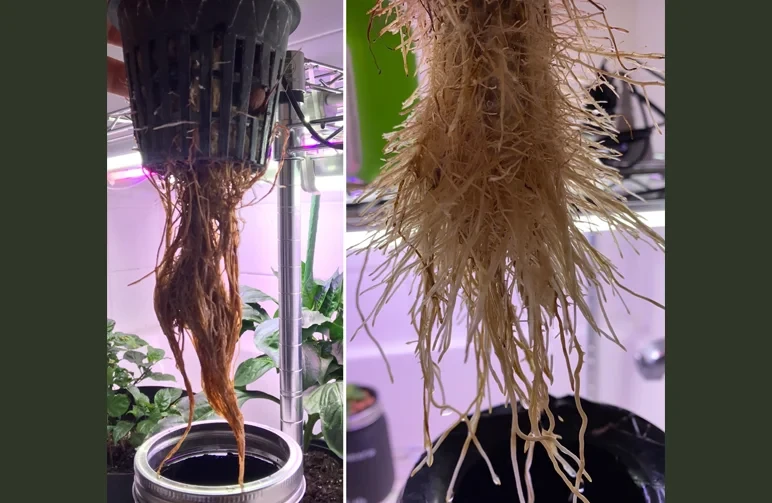
Prevention is king: 20 °C water, big aeration, light‑proof reservoirs, spotless lines. Add beneficial microbes or run sterile (don't mix approaches).
If rot hits, brown, slimy roots, funky smell, drop temps, boost air, add beneficials/sterilize, and prune dead tissue.
Identifying Nutrient Burn vs. Nutrient Lockout
Burn shows crisp, bronzed tips and clawing, your EC's too hot. Dilute to target and resume. Lockout looks like deficiencies even though feeding, pH out of range or salt crust. Flush with pH'd water, reset reservoir, and feed at a sane EC.
Algae Growth in the Reservoir
Algae needs light. Kill the disco: opaque reservoirs, sealed lids, blackout tubing, and zero light leaks. Scrub gear between runs. A tiny film today becomes slimy chaos tomorrow, stay ahead.
Fluctuating pH Levels
Unstable source water, organic goop, or under‑buffered nutrients cause drift. Use clean, mineral hydro lines, add silica carefully, and adjust with pH Up/Down in small steps.
Mix nutrients fully, then measure. If drift persists, change the reservoir.
Frequently Asked Questions (FAQs)
How long does it take to grow cannabis hydroponically?
Plan 3–5 months from seed: 1–2 weeks seedling, 3–8 weeks veg (strain and space dictate), 8–10+ weeks flower. Autos compress timelines (10–12 weeks seed to harvest), but you won't flip them, light stays 18–20 hours.
Is hydroponic weed stronger than soil-grown weed?
Potency comes from genetics and execution. Hydro often delivers denser buds and higher yields with identical genetics. Soil can rival it for terps. Want consistent heavy hitters?
Start with legit seeds, then nail your environment and dry/cure.
How often should I change my hydroponic reservoir water?
Top off with pH'd water as needed and swap fully every 1–2 weeks. In stable DWC, some riders delay the first full change 3–4 weeks while topping up. If pH/EC swing or smell shows up, change it yesterday.
Can I use organic nutrients in a hydroponic system?
Possible, but messier. Organics can foam, clog lines, and swing pH. For first hydro runs, use clean mineral formulas. If you go organic later, oversize filters, keep temps perfect, and clean obsessively.
Conclusion: Starting Your Hydroponic Grow
With hydro, precision is power. Keep pH 5.5–6.5, water ~20 °C, EC within stage‑appropriate ranges, and roots flooded with oxygen. Start simple, DWC bucket, full‑spectrum LED, clean mineral nutes, and log everything.
Need genetics worthy of a high‑octane setup? We hand‑select and ship worldwide from Amsterdam. Browse feminised seeds, autoflower seeds, and high‑yield strains. Grow clean. Grow smart. Then enjoy the ridiculous, resin‑heavy payoff.