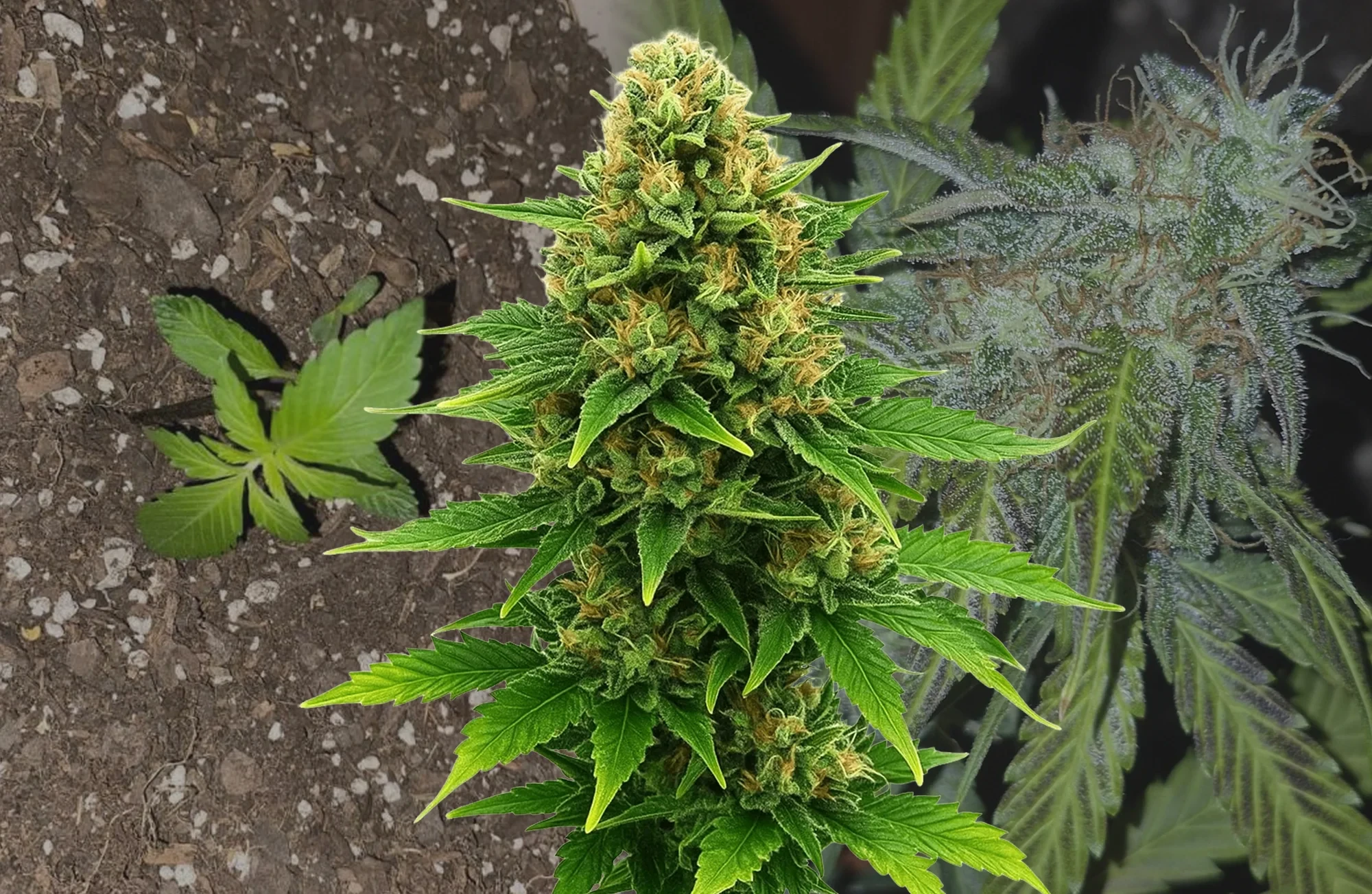


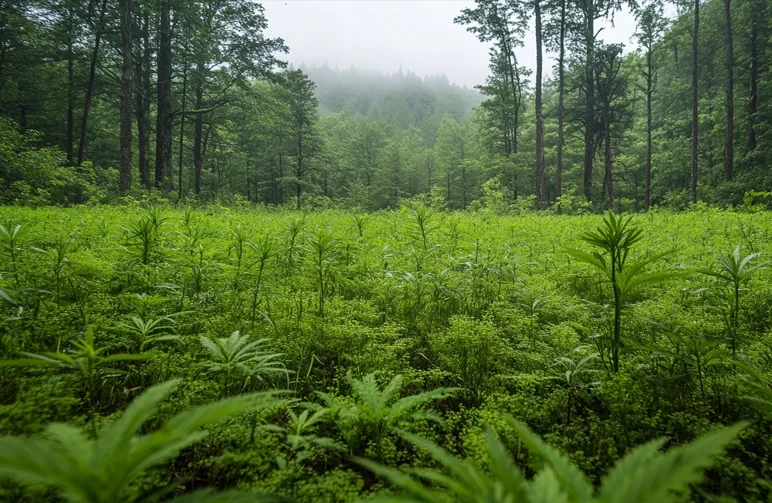
Guerilla cannabis growing is the art of tucking plants into nature's backcountry, letting sun, soil, and rain do the heavy lifting while we stay off the radar. It's minimalist, scrappy, and when done legally and responsibly, wildly rewarding.
We've run covert patches since the 2000s—some triumphant, some humbling. This isn't just theory; it's our lean, field-tested guide to planning, planting, and pulling off a stealth outdoor grow.
For this 2026 edition, we've updated our playbook to address modern challenges.
We're factoring in subtle shifts in climate patterns that affect planting times, the latest in resilient, mould-hardy genetics, and new stealth techniques to stay ahead of increased rural traffic and even drone surveillance.
This is the current, battle-tested knowledge you need.
Key Takeaways
- Guerilla cannabis growing involves discreetly cultivating plants in remote natural locations to leverage sunlight, soil, and rain while minimizing detection.
- Choosing the right location is crucial—prioritize spots with ample sunlight, water access, healthy soil, and natural camouflage, while avoiding popular trails and flood zones.
- Opt for mould- and pest-resistant cannabis strains, especially autoflowering types, to reduce necessary visits and improve stealth in unpredictable outdoor conditions.
- Minimize visits to your guerilla grow site, use natural pest deterrents, and practice low-impact techniques to maintain secrecy and protect your plants.
- Harvest stealthily at peak ripeness, using dawn hours and neutral gear, and transport your yield securely to avoid detection and legal issues.
- Always ensure guerilla cultivation is legal in your area, practice sustainable methods, and prioritize safety to successfully manage outdoor covert grows.
What is Guerilla Growing? A Covert Cultivation Method
The Core Principles of Growing Under the Radar
The philosophy is simple: work with nature, not against it. Pick remote, natural locations. Prioritize sunlight, water proximity, decent native soil, and natural camouflage.
Keep your inputs light and your footprint nonexistent. Visit sparingly. Blend in, leave zero trace.
Weighing the Pros and Cons of Guerilla Cultivation
It’s a game of trade-offs. Pros: ultimate privacy, free sun and rain, massive plant potential, and extremely low cost. Cons: pests, animals, unpredictable weather, potential theft, legal exposure if prohibited, and limited oversight.
You gain freedom, but you sacrifice control.
Is Guerilla Growing Right for You? Key Considerations
Ask yourself these critical questions: Is this legal in my jurisdiction? Am I comfortable with hiking, patience, and uncertainty? Am I prepared to lose an entire crop to deer, storms, or discovery?
If you can honestly answer yes, guerilla growing might be your method.
If the uncertainty and lack of control are deal-breakers, a more traditional backyard or patio setup, as detailed in our definitive guide on how to grow weed outdoors, is a much better fit.
The Art of the Perfect Hiding Spot: Location is Everything
Scouting Potential Locations: What to Look For
Look for a place that's remote but reachable. It needs six-plus hours of direct sun, a nearby water source, and healthy native vegetation (a sign of good soil).
Most importantly, the terrain should naturally discourage casual traffic. We scout our spots at different times of day and in different seasons to truly understand the light, water levels, and human activity.
Critical Factors for a Successful Guerilla Grow Spot
Sunlight Exposure: Ensuring Your Plants Get Enough Light
Aim for a south or southeast-facing exposure. Morning sun is gold—it dries dew quickly, drastically reducing mould risk.
Pay attention to seasonal sun angles; trees that are bare in spring can completely leaf out by June, stealing your precious light.
Water Access: Proximity to a Reliable Water Source
Being close to a creek, spring, or catchment will save your back during dry spells. Look for shaded spots nearby where you can stash collapsible water containers.
Critically, avoid flood-prone river bottoms, no matter how tempting the soil looks.
Soil Quality: Assessing and Understanding the Local Soil
Dark, crumbly loam is the goal. Do a quick test: dig a hole and check for earthworms, drainage (does it hold some water but not pool?), and pH. You can get a simple soil test kit online; aim for a pH between 6.0 and 6.8.
You can amend, but starting with good soil is a huge advantage.
Natural Camouflage: Using Nature to Your Advantage
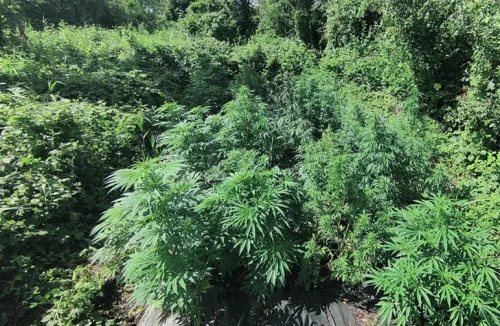
Think like a deer. Your best defense is to not be seen in the first place. Mimic the height and colour of local plants. Tuck your patch behind thorny brambles, reeds, or a cluster of saplings.
Break up the silhouette with staggered spacing and irregular plant counts—never plant in straight rows.
Locations to Avoid: Red Flags for a Guerilla Grower
Steer clear of popular hiking trails, hunting corridors, ATV paths, any private property without explicit permission, flood zones, and anywhere with frequent signs of human activity like dog walkers or litter.
Preparing Your Guerilla Grow Spot for Success
Soil Preparation and Enrichment for Optimal Growth
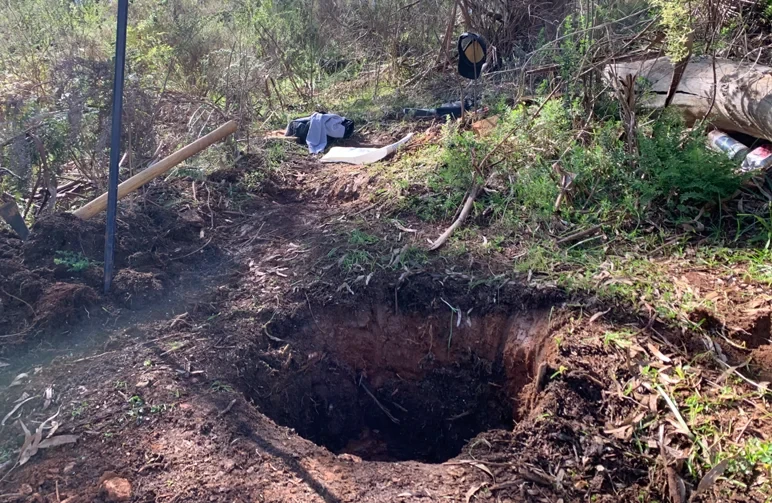
We cut discreet planting holes (around 40–60 liters) and improve the soil rather than replacing it. Blend the native soil in a 1:1 ratio with high-quality compost and about 10% coco coir for aeration.
For nutrients, we mix in slow-release organic amendments like bone meal, kelp meal, and worm castings. This method avoids suspicious bags and salty fertilizers.
Finish by mulching heavily with local leaves or straw to lock in moisture.
Clearing and Camouflaging Your Chosen Area
Practice minimalist pruning. Only clear what's absolutely necessary for light to hit your plants. A messy, natural canopy is better than an obvious clearing.
Scatter any clippings far and wide. On your way out, use a branch to brush away your footprints and mat your path with leaves.
Setting Up a Discreet Irrigation System
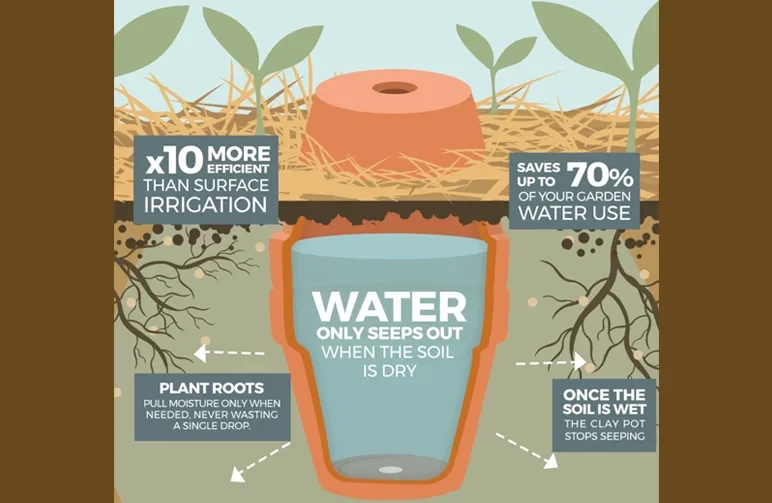
Passive solutions are best. Besides heavy mulch, you can bury unglazed clay pots (ollas) that slowly seep water into the root zone.
Another great trick is a gravity drip system made from a camouflaged water bag or bucket with a tiny hole, propped up on a branch to water your plants over several days.
Choosing the Right Seeds for a Guerilla Grow
Best Cannabis Strains for Outdoor Stealth Growing
Genetics are key. Look for shorter, stockier plants with earthy-green foliage that blends in. Prioritize genetics known for high mould and pest resistance and a finishing time that suits your local latitude.
For specific recommendations, we've had great success with outdoor performers like Durban Poison and Frisian Dew.
Autoflowering vs. Photoperiod Strains: Which is Better?
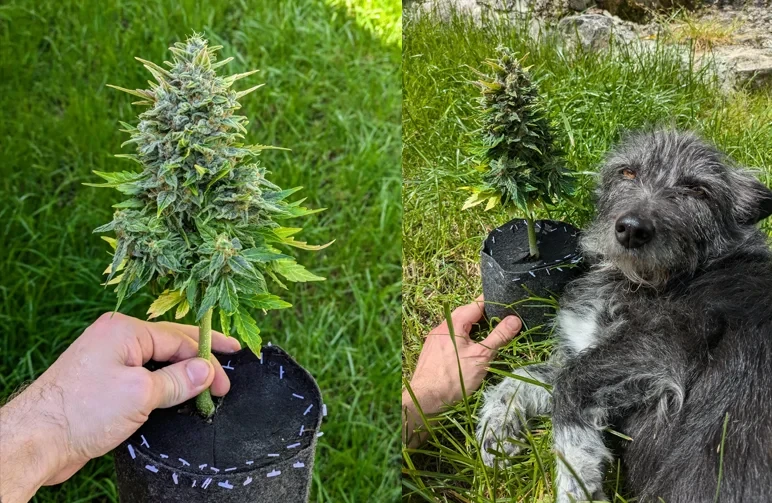
This depends on your season and goals. Autoflowers finish in a blistering 8–11 weeks from seed, meaning fewer visits and a lower profile. Photoperiods can get enormous and yield heavily if you have a long, stable season.
We often mix our patches: a crop of early autos like Northern Lights Auto for a quick harvest, plus one or two hardy photos for the main haul.
The Importance of Pest and mould Resistant Varieties
This cannot be overstated. Outdoors, you will face humidity and pests. Prioritize strains with proven resistance to botrytis (bud rot) and powdery mildew.
In our experience, terpene profiles heavy in caryophyllene and myrcene often indicate a plant that can shrug off humidity better.
Your Step-by-Step Guerilla Growing Timeline
Germinating Your Seeds at Home for a Head Start
We always germ at home for maximum control. Use clean water at 22 °C-25 °C and provide gentle light once the seeds pop. Getting your seedlings strong, sturdy stems before they face the wilderness is a critical first test.
The "Hardening Off" Process: Acclimating Your Seedlings
Don't skip this. Over 5–7 days, gradually introduce your seedlings to more direct sun, breezes, and cooler night temperatures. This dramatically reduces transplant shock.
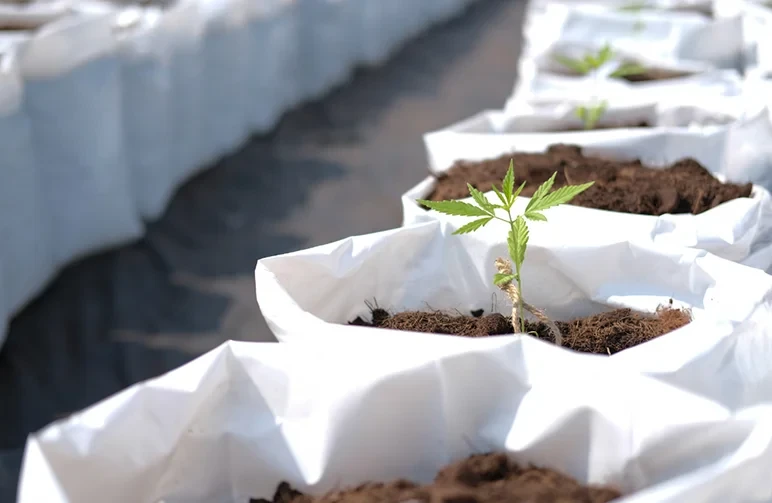
Sturdy, well-acclimated starts are the ones that survive guerilla life.
Transplanting Your Young Plants to the Guerilla Location
Transplant after the last frost date for your region. We prefer to move at dusk to reduce heat stress. Water them in with a mycorrhizal inoculant to boost root development.
Mulch immediately and discreetly label your plants if you're tracking different phenotypes.
Vegetative Stage Care: What to Do and When
Keep visits to a minimum. Top or LST (Low-Stress Train) your plants just once to flatten their profile and keep them from sticking out. Water deeply and infrequently, encouraging deep root growth.
Scout for pests early and often—sticky traps and a preventative spritz of neem oil can save a crop.
The Flowering Stage: Protecting Your Budding Plants
As buds form, increase airflow by selectively tucking or removing a few large fan leaves. Stake main colas against autumn storms.
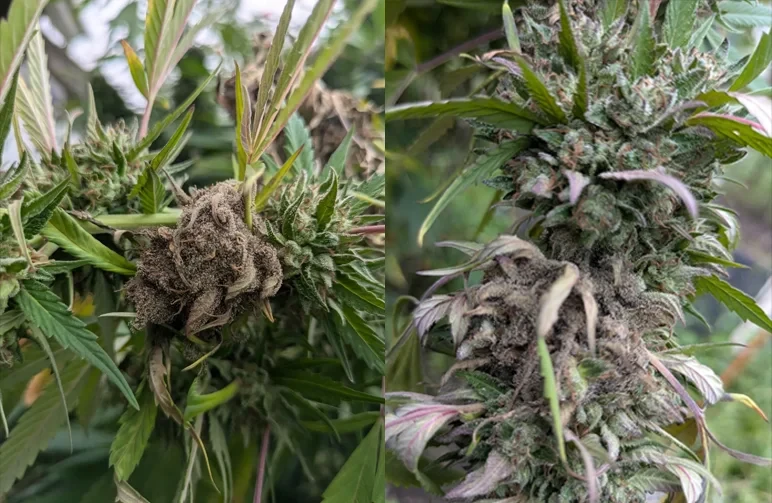
This is the time to top-dress with potassium-heavy organic nutrients like seabird guano or langbeinite. Watch for bud rot like a hawk and remove any affected areas immediately.
Stealth and Security: The Guerilla Grower's Mantra
How to Avoid Leaving a Trail and Arousing Suspicion
Operate like a respectful hiker or birdwatcher. Pack everything in and pack it all out. Wear neutral-coloured clothing and avoid leaving obvious markers.
Blend your routines into normal outdoor activity—make your presence look legitimate and low-impact.
Best Practices for Visiting Your Secret Garden
Visit sparingly; every 7–14 days is typical. Go at varying times and under different daylight conditions. Keep your group size to an absolute minimum (solo is best). Handle your plants quickly, quietly, and then get out.
Natural Pest and Animal Deterrents
Companion plants like basil, mint, and marigold can confuse pests. We build perimeters of thorny brush to deter deer.
Scent deterrents (like coyote urine granules) and elevating pots off the ground can help if rodents become a persistent issue.
Protecting Your Crop from Human Threats
Discretion beats confrontation, always. Don't tell anyone about your spot. Keep your sites modest in size and scattered. If a spot ever feels compromised or "burned," cut your losses and relocate. Your safety comes first.
Harvesting Your Guerilla-Grown Cannabis Discreetly
Knowing When to Harvest: Signs of Peak Ripeness
We watch the trichomes with a jeweler's loupe: harvest when they are mostly cloudy with 10–20% amber. The pistils will have receded, the calyxes will be swollen, and the aroma will be intense.
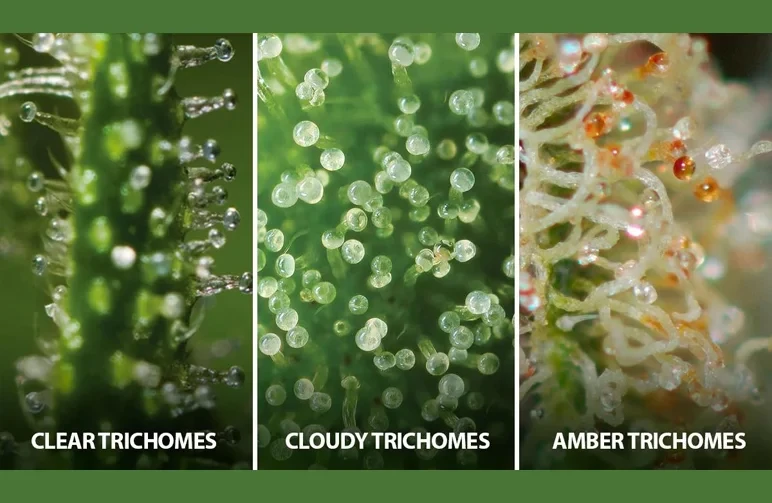
Harvest earlier for a racier high, or later for a heavier, more sedative effect.
The Art of a Stealthy Harvest: Tips and Techniques
Harvest at dawn when visibility is low. Wear neutral colours. It's often smarter to take individual branches, not whole plants, into discreet bags. Do a minimal rough trim on-site—just enough to pack it out efficiently.
Safely Transporting Your Harvest from the Grow Site
Use scent-proof liners inside rigid totes or backpacks. Adding a few frozen water bottles can help reduce the temperature and smell. Keep your route home simple and your demeanor calm.
All final trimming, drying, and curing should be done in a secure, controlled, and legal off-site space.
Advanced Guerilla Growing Tips and Tricks
Companion Planting for Camouflage and Pest Control
Go beyond basic deterrents. Scatter native wildflowers, yarrow, clover, and dill around your patch. These plants mask smells, enrich the soil, and attract beneficial predatory insects.
A low-growing groundcover like clover can break up visual lines and preserve soil moisture.
Utilizing Natural Terrain Features to Your Advantage
Learn to read the land. Use ridges for maximum sun and drainage, north-facing slopes for cooler microclimates in hot regions, dense thickets for cover, and large rock outcrops as heat sinks that radiate warmth overnight.
Match your cultivar to its specific microclimate for the best results.
Creating a Long-Term, Sustainable Guerilla Grow Spot
If you find a truly great spot, treat it with respect. Rotate your planting holes each year, rebuild the soil with compost annually, and take steps to prevent erosion. Never over-clear the area.
A well-managed patch should look completely natural year-round, even after you've harvested.
Guerilla Growing FAQ: Your Questions Answered
How often should I visit my guerilla grow?
In general, aim for every 1 to 2 weeks. Autoflowers may require even less attention. The goal is to water deeply and effectively each visit, so you don't have to return as often.
Fewer trips mean fewer footprints and less stress on the local ecosystem.
What are the biggest risks of guerilla growing?
The primary risks are environmental (weather, mould, pests), animal damage, and discovery by other people. There is also a significant legal risk if you are cultivating in an area where it is not permitted.
Plan conservatively and never overextend yourself.
How much can I expect to yield from a guerilla grow?
The range is huge, but a well-tended outdoor plant can yield 100 gram–500 gram given good sun, soil, and genetics. Hardy photoperiods in long seasons can exceed that, while autos trend a bit lower but finish much faster.
What are the legal implications of guerilla growing?
Laws vary wildly by country, state, and even county. It is your absolute responsibility to research and comply with all local regulations. Only cultivate where it is explicitly legal and you have permission to be.
When in doubt, don't plant.