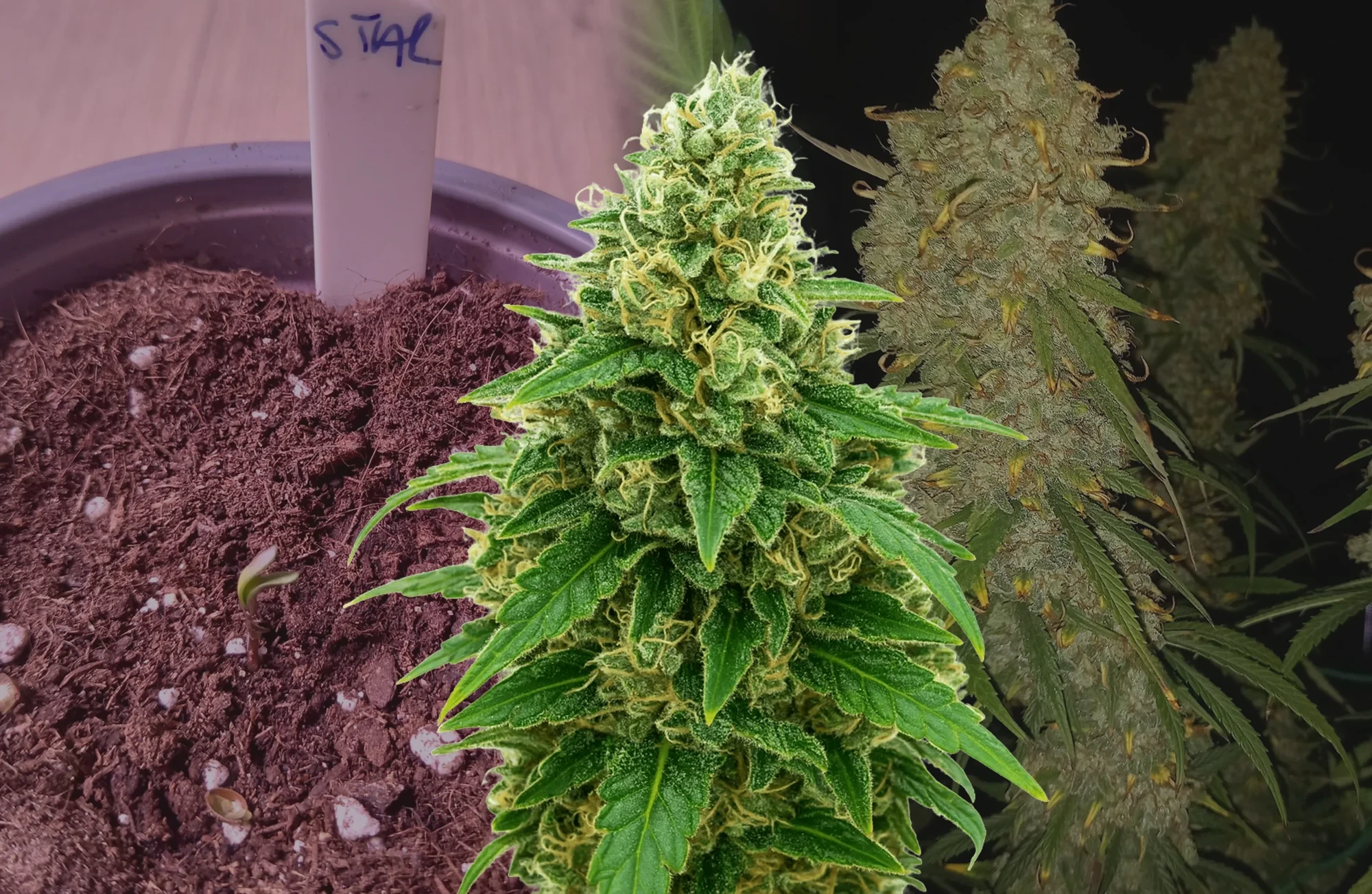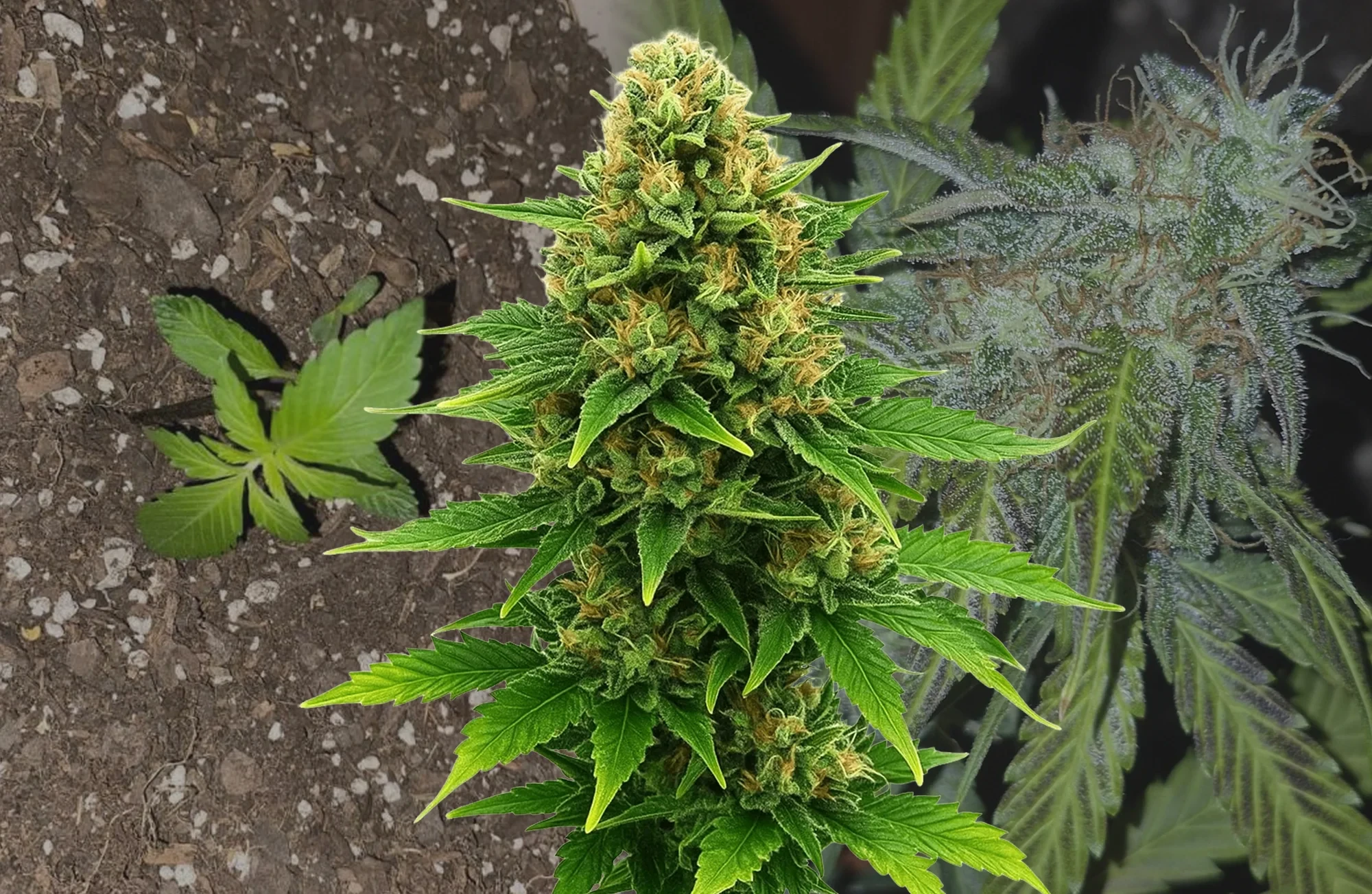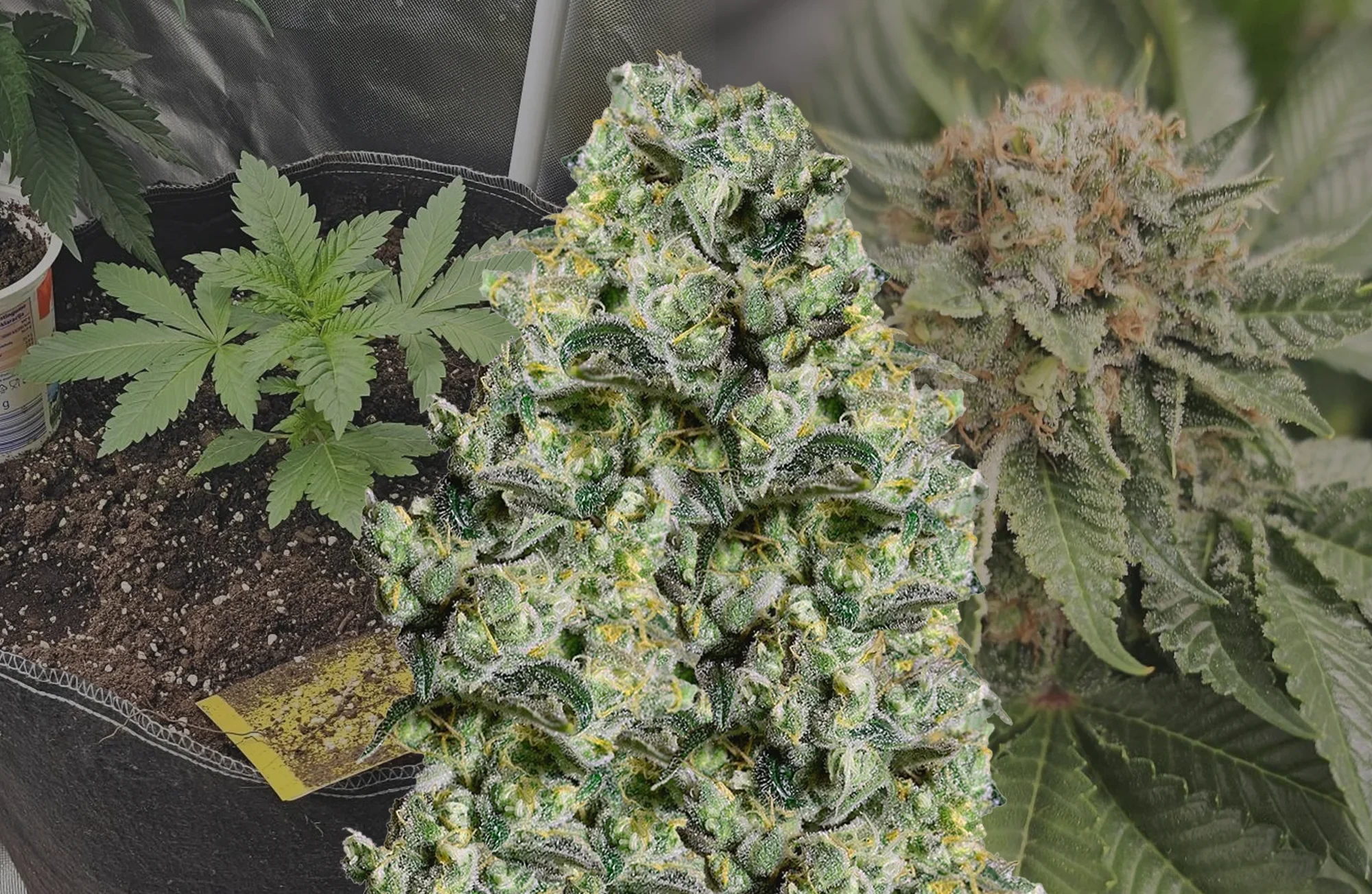


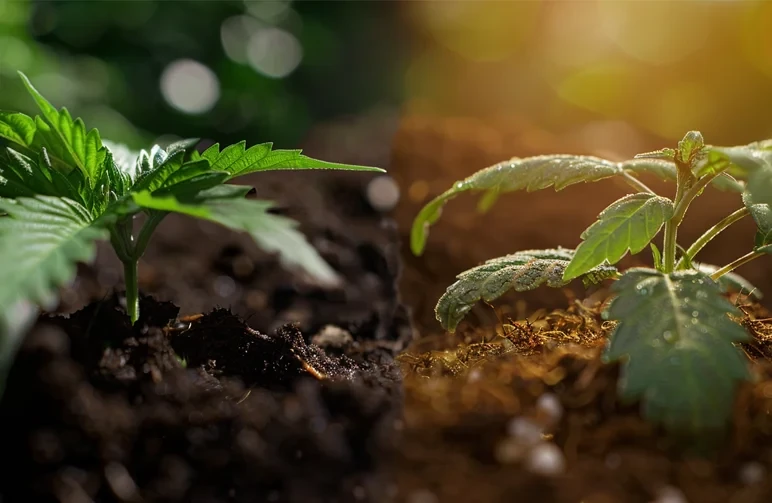
Ask five growers "Coco coir vs. soil: which is better for cannabis?" and you'll get six answers, because both mediums can produce outright fire. We've run them side-by-side in our Amsterdam test rooms and outdoors.
Soil is easier and more forgiving. Coco is faster and often bigger. Which one's right for you depends on how much precision you want, how often you can water, and the style of weed you love to smoke.
Let's break it down with real-world numbers, not forum myths.
Key Takeaways
- Coco coir offers faster growth and higher yields for cannabis when paired with precise feeding and environmental control.
- Soil is more forgiving, organic, and easier for beginners, requiring less frequent watering and providing rich flavour profiles.
- Mixing 20–40% coco coir into soil can improve aeration and drainage, enhancing root health and water management.
- Choosing between coco coir and soil depends on your desired maintenance level, growing style, and the cannabis experience you prefer.
- Monitoring pH levels is crucial: aim for 5.8–6.2 in coco coir and 6.0–7.0 in soil to optimize cannabis growth.
- Consistent care and quality genetics remain the ultimate factors for top-shelf cannabis regardless of growing medium.
The Great Debate: Coco Coir vs. Soil
Here's the headline: soil is chill and organic-leaning, coco is hydro-lite and performance-driven. With soil, you water every 2–4 days and ride the buffer.
With coco coir, you feed daily, steer EC/pH tightly, and watch plants rocket. Both can deliver terpene-rich, top-shelf buds when dialed in.
Coco Coir vs. Soil: A Head-to-Head Comparison Table
| Feature | Coco Coir | Soil |
|---|---|---|
| What it is | Inert, soilless medium (made from coconut husks) | Living, organic medium (rich in microbes and nutrients) |
| Nutrient Content | None (requires complete nutrient feeding) | Pre-loaded with organic nutrients; feeds over time |
| Watering Frequency | Daily, sometimes twice daily (constant moisture) | Every 2-4 days (allows for wet/dry cycles) |
| Ideal pH Range | 5.8 – 6.2 | 6.0 – 7.0 |
| Growth Speed | Very Fast (hydroponic-like) | Moderate to Slow (slower nutrient release) |
| Yield Potential | High to Very High (often 20-25% more) | Moderate to High (flavour often superior) |
| Beginner Friendly? | Requires strict measurement & daily care | Highly forgiving; allows for more mistakes |
| Pest/Disease Risk | Low (sterile medium) | Higher (can harbor pests and pathogens) |
| Control Level | High (precise nutrient/water control) | Moderate (natural buffering provides some buffer) |
| Cost (Initial/Ongoing) | Medium (medium, nutrients) | Low (medium often cheaper, nutrients less frequent/complex) |
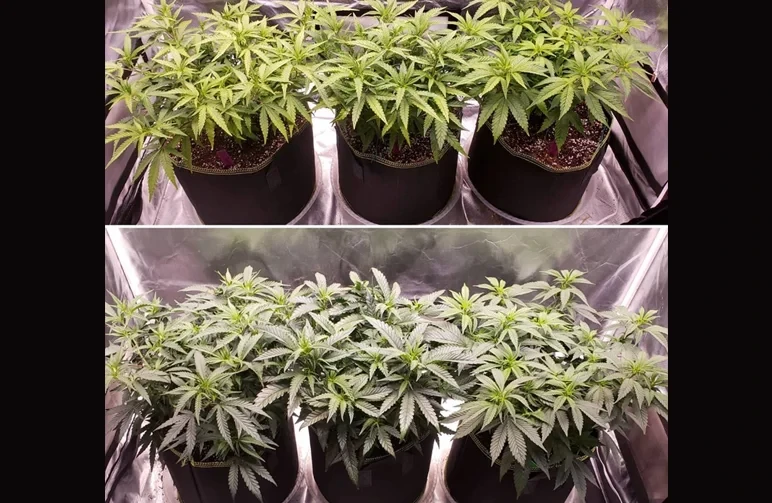
Growing Cannabis in Soil (The Traditional Method)
Soil is the classic route, friendly to beginners, loved by connoisseurs. It often comes pre-charged with nutrients, holds moisture well, and doesn't punish small mistakes.
We lean on high-quality potting mixes and living "super soils" when we want that earth-kissed depth in the jar.
Pros of Growing Weed in Soil
Beginner Friendly: Soil's natural buffering capacity helps forgive mistakes in watering and pH. Problems develop slowly, giving growers time to correct them.
Organic & Natural: Soil is a living ecosystem, teeming with beneficial microbes that help break down organic matter into plant-usable nutrients. This can contribute to richer terpene profiles and complex flavours.
Less Frequent Watering: Soil holds moisture longer than coco coir, allowing for less frequent watering cycles (typically every 2-4 days).
Cost-Effective: High-quality soils can be less expensive than coco coir, and the need for constant nutrient solutions is reduced.
flavour Complexity: Many growers find that soil-grown cannabis has a more nuanced and complex aroma and flavour profile.
Cons of Growing Weed in Soil
Slower Growth: Nutrients release at the soil's pace, not on demand, leading to slower vegetative growth compared to coco or hydro.
Higher Pest Risk: Soil is a breeding ground for pests like fungus gnats, root aphids, and other soil-borne pathogens if not managed carefully.
Risk of Overwatering: Soil is denser and retains more water, making it easier to overwater and potentially cause root rot or suffocate roots by limiting oxygen.
Lower Yield Ceiling: While excellent yields are possible, soil’s natural nutrient release limits the absolute peak yield attainable compared to coco or hydro setups where feeding is precise.
Best Types of Soil for Cannabis
When choosing soil, look for mixes designed for cannabis or general high-quality potting mixes amended with aeration elements like perlite or vermiculite.
"Super soils" or "living soils" are pre-amended with organic matter, nutrients, and beneficial microbes, often requiring little to no additional feeding for the first few weeks.
Some popular options include FoxFarm Ocean Forest or Happy Frog.
Growing Cannabis in Coco Coir (The Hydroponic Hybrid)
Coco coir is made from the fibrous husks of coconuts. It's an inert, soilless medium, meaning it has virtually no inherent nutrients and a neutral pH.
This makes it an excellent base for precise hydroponic-style feeding while still offering the ease of potting plants in a physical medium.
Pros of Growing in Coco Coir
Explosive Growth & Higher Yields: Coco coir provides superior aeration to the root zone, leading to faster growth rates and often yielding 20-25% more than soil under optimal conditions.
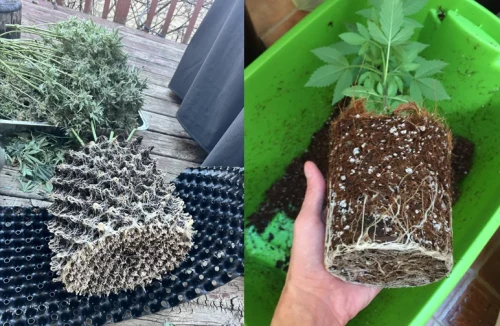
Hydroponic-like Control: Because it's inert, you have complete control over the nutrient solution your plants receive, allowing for precise feeding tailored to each growth stage.
Hard to Overwater: When mixed with perlite for drainage (typically 20-30%), coco coir offers fantastic aeration and drainage, making it very difficult to overwater.
Fewer Pests & Diseases: As a sterile medium, coco coir is naturally resistant to many soil-borne pests and diseases.
Fast Response: Plants in coco coir respond very quickly to changes in nutrient feeding and watering, allowing for rapid adjustments.
Cons of Growing in Coco Coir
Requires Daily Maintenance: You must water and feed plants daily, and often twice daily during peak flower, as coco dries out much faster than soil.
The Crucial Cal-Mag Requirement: Coco coir naturally binds to calcium and magnesium (Cal-Mag). Without supplementing this, your plants will develop deficiencies.
Strict pH Monitoring: You need to constantly monitor and adjust the pH of your nutrient solution, aiming for 5.8–6.2, to ensure proper nutrient uptake.
Requires Nutrient-Specific Feeding: You need to provide a complete hydroponic-style nutrient solution with every watering.
The Importance of Cal-Mag in Coco Coir
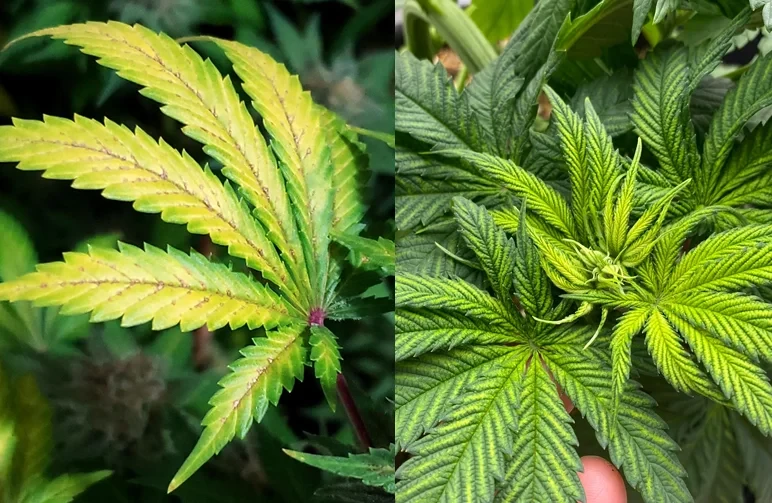
This is non-negotiable for coco coir growers. Because coco naturally has a high cation exchange capacity (CEC), it readily grabs onto positively charged ions like Calcium (Ca++) and Magnesium (Mg++).
This means your plants can be starved of these essential nutrients even if they are present in your feed. Unbuffered coco coir releases sodium and potassium, which further compete for binding sites.
Therefore, you must supplement with a Cal-Mag product from the very first watering, and often with every feed, to satisfy both the medium and your plant.
Head-to-Head Comparison: Coco Coir vs. Soil
Here's the cage match on the factors that actually move yields and quality. We've grown the same cuts both ways. Coco typically wins speed and grams; soil often charms with nuanced aroma.
Either path rewards consistency. Watch the plant, not the calendar.
Nutrient Requirements and Feeding
Soil: Typically contains nutrients for the first 20-40 days, especially in "super soils." Feeding is less frequent and often involves organic amendments or simpler nutrient lines designed for soil.
The microbiome in the soil helps break down nutrients over time.
Coco Coir: It's inert, so you supply 100% of the plant's needs. This means using liquid hydroponic nutrients with every watering (or nearly every watering, depending on your schedule). You have absolute control but must be precise.
Ideal pH Levels
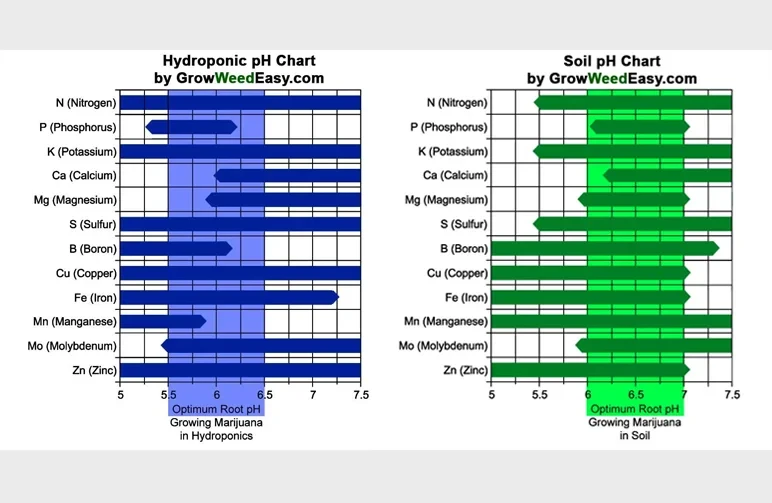
Soil: The ideal pH range is 6.0 to 7.0. This slightly acidic to neutral range allows for optimal absorption of macronutrients like Nitrogen (N), Phosphorus (P), and Potassium (K), as well as secondary nutrients.
Soil's natural buffering helps maintain this range.
Coco Coir: Requires a slightly lower, more acidic pH range of 5.8 to 6.2. This ensures that essential nutrients, particularly Cal-Mag, remain available for uptake.
Fluctuations outside this range can quickly lead to deficiencies.
Watering Frequency and Drainage
Soil: Holds moisture well and allows for a "wet-dry cycle." Water thoroughly every 2-4 days, allowing the top inch or two of soil to dry out between waterings to ensure root oxygenation.
Coco Coir: Drains exceptionally well, leading to faster drying times. It's crucial to water daily, sometimes twice daily, ensuring the medium stays consistently moist but not waterlogged.
Aim for 10-20% runoff with each watering to prevent salt buildup. Never let coco dry out completely.
Growth Speed and Yield Size
Coco Coir: Generally leads to faster vegetative growth due to superior root zone oxygenation and readily available nutrients. This often translates to higher overall yields, potentially 20-25% more than soil in comparable conditions.
Soil: Growth is moderate. While yields can be excellent, especially with organic methods focused on flavour, the "ceiling" for sheer weight is often lower than with coco coir, as nutrient delivery isn't as rapid or controlled.
Can You Mix Coco Coir and Soil Together?

Absolutely! Many growers find a hybrid approach beneficial. Mixing coco coir into soil (often at 20-40% coco to soil) improves aeration, drainage, and water management, creating a lighter, fluffier medium that resists compaction better than pure soil.
This can help prevent overwatering issues common in pure soil while retaining some of its buffering benefits. However, always start with buffered coco, and ensure you're still monitoring pH, as the soil's organic matter can interact with the coco's CEC.
How to Choose: Which Medium is Right for You?
Choose your adventure. Want low-maintenance, organic vibes, and a wider margin for error? Soil. Want to steer every input, water more often, and chase hydro-like performance without pumps? Coco coir.
Your environment, schedule, and temperament matter more than internet hot takes.
Who Should Grow in Soil?
Beginners: Its forgiving nature and simpler nutrient needs make it ideal for those new to growing.
Organic Purists: Those who value the complex flavours and sustainable aspects of organic, soil-based growing.
Low-Maintenance Growers: Individuals who can only check their plants every couple of days.
Outdoor Growers: Soil is the natural choice for most outdoor, in-ground gardens.
Who Should Grow in Coco Coir?
Yield-Chasers: Growers focused on maximizing harvest weight and speed.
Precision Growers: Those who enjoy fine-tuning every aspect of their plants' environment and nutrition.
Indoor/Hydroponic Enthusiasts: Individuals who want hydroponic-level control and results but prefer the simplicity of potted plants.
Autoflower Growers: Autoflowers have a short lifespan, and coco coir's faster growth and precise feeding can help maximize their potential.
Frequently Asked Questions (FAQs)
You asked, we tested. Quick-hit answers from our lab and grow rooms. No fluff, just what moves the needle when you're choosing coco coir vs. soil for cannabis.
Is coco coir better for beginners than soil?
Generally, no. Soil is more forgiving for beginners due to its natural buffering capacity, which helps prevent nutrient lockouts and pH swings.
Coco coir requires more precise daily monitoring of pH and nutrients, making it less ideal for a first-time grower who might miss watering or feeding.
Do buds taste better when grown in soil or coco?
This is subjective, but many connoisseurs argue that soil-grown cannabis, especially living soil, produces more complex and nuanced terpene profiles, leading to superior flavour and aroma.
Coco coir can produce incredibly potent and flavourful buds, but the "organic" depth is often attributed to the microbial activity and slower nutrient release found in soil.
Do I need Cal-Mag for coco coir?
Yes, absolutely. Coco coir naturally binds to calcium and magnesium, making them unavailable to your plants unless you supplement them.
You should add a Cal-Mag supplement from the very first watering and often with every feed throughout the entire grow cycle.
Do I need to mix perlite with coco coir?
While you can grow in 100% coco coir, mixing in 20-30% perlite is highly recommended.
Perlite dramatically improves aeration and drainage, preventing waterlogging and ensuring your roots get plenty of oxygen, which is crucial for healthy growth in coco coir.
Final Verdict: Coco Coir vs. Soil
For ease, organics, and forgiveness: go soil. This route requires less daily attention, offers a richer flavour profile, and is more beginner-friendly. Maintain pH 6.0–7.0 and water every 2–4 days.
For maximum control, speed, and yield: go coco coir. This medium offers rapid growth, higher yields, and precise control, but demands daily watering and strict nutrient/pH management. Maintain pH 5.8–6.2, water daily, and always add Cal-Mag.
Either way, genetics decide the ceiling. Start with proven seeds, buy feminised seeds or autoflowers from WSE, and grow with intention. Watch the plant, not the calendar. Happy harvests.